

4 Targeted Uses of Carbolic Soap and How to Buy and Use It Safely
TOJEXPRESS.COM-Antonio HenryCarbolic soap is a phenol-based antiseptic, sometimes called red soap, valued for targeted antiseptic washing, heavy-duty laundry stain removal, and household degreasing. It works because phenol breaks down microbial proteins on contact. That same chemistry means it must be used sparingly. Frequent full-body use can irritate or even burn skin.
TL;DR:
- Genuine carbolic soap must list phenol or cresol on the label; many products labeled “carbolic” now only mimic the scent and color.
- Use carbolic soap sparingly for targeted tasks such as spot treatment, foot care, or cleaning without prolonged skin contact to avoid irritation or burns.
- It is effective for household cleaning, especially pre-treating stains and degreasing tough surfaces, but should be restricted to sturdy fabrics and outdoor use to prevent discoloration.
- Regular, full-body use poses health risks like skin irritation, chemical burns, and systemic toxicity, especially for children, pregnant women, and those with sensitive skin.
- Always patch-test before widespread use, store out of children’s reach, and avoid the soap for routine hygiene or deep wounds.
Table of Contents
- What Is Carbolic Soap Made Of?
- What Are the Best Personal Hygiene Uses for Carbolic Soap?
- Can Carbolic Soap Clean and Disinfect Your Home?
- Is Carbolic Soap Safe to Use Regularly?
- How Do You Choose a Reliable Carbolic Soap Brand?
- What Do Customers Actually Ask About Carbolic Soap?
- Get Island Pride Carbolic Soap From Tojexpress
- Where This Guide’s Information Comes From
- Sources
What Is Carbolic Soap Made Of?
Carbolic soap gets its name, and its bite, from carbolic acid, better known as phenol, or sometimes a related compound called cresol. The soap’s signature pink or red tint and sharp medicinal smell come from those same ingredients, which is why longtime users still call it “red soap.” The chemistry behind it is straightforward: phenol denatures proteins in bacteria, fungi, and some viruses, which is essentially the same broad-spectrum action Joseph Lister leaned on when he pioneered antiseptic surgery in the 1860s.
Here’s the catch for shoppers today: not every bar labeled “carbolic” actually contains phenol anymore. Many brands now replicate the color and scent for nostalgia’s sake while quietly reformulating for safety.
To tell the difference, check the ingredient panel for:
- “Phenol,” “carbolic acid,” or “cresol” listed explicitly
- Fragrance-only descriptors like “medicinal scent” with no active phenolic compound
- Country of manufacture, since formulations vary by region and regulatory standard
If the label doesn’t name phenol directly, assume you’re holding a scented lookalike, not the real antiseptic bar.
What Are the Best Personal Hygiene Uses for Carbolic Soap?
Carbolic soap earns its keep in specific, targeted jobs rather than as your everyday face and body wash. Think of it as a tool you reach for occasionally, not a daily habit.
- Spot-treating acne breakouts. A quick lather on an isolated blemish can help dry it out, but limit contact to the affected spot only.
- Handwashing after heavy contamination. Gardening, handling raw meat, or cleanup after illness are reasonable occasions for a phenolic wash.
- Foot care for odor and athlete’s foot. A short foot soak or wash can knock back fungal buildup between toes.
- Cleansing minor wounds. Small cuts and scrapes only, never anything deep, wide, or actively bleeding.
The application itself is simple: wet the skin, work up a brief lather, and rinse thoroughly within a minute or two. Don’t let it sit. Prolonged contact is exactly what turns a mild antiseptic into a skin irritant, and dermatology-focused reviews point out that phenol absorbs readily through skin with repeated exposure, so once or twice a week for spot uses is a reasonable ceiling, not a daily ritual.
Skip carbolic soap entirely for children, pregnant people, broken or extensive wounds, and anyone with sensitive or already-compromised skin. For routine handwashing or acne management, a mild antibacterial soap or a benzoyl peroxide treatment does the job with far less risk.
Pro Tip: Keep a separate carbolic bar just for feet or hands, away from your regular shower soap. It stops accidental overuse and keeps the strong scent from clinging to towels you use daily.
Can Carbolic Soap Clean and Disinfect Your Home?
This is where a bar of carbolic soap earns its reputation as a workhorse rather than a beauty product. Grated into shavings, it becomes a stain pre-treatment for grease and food marks. Rub the shavings directly onto the stain, let it sit for a few minutes, then launder as usual.
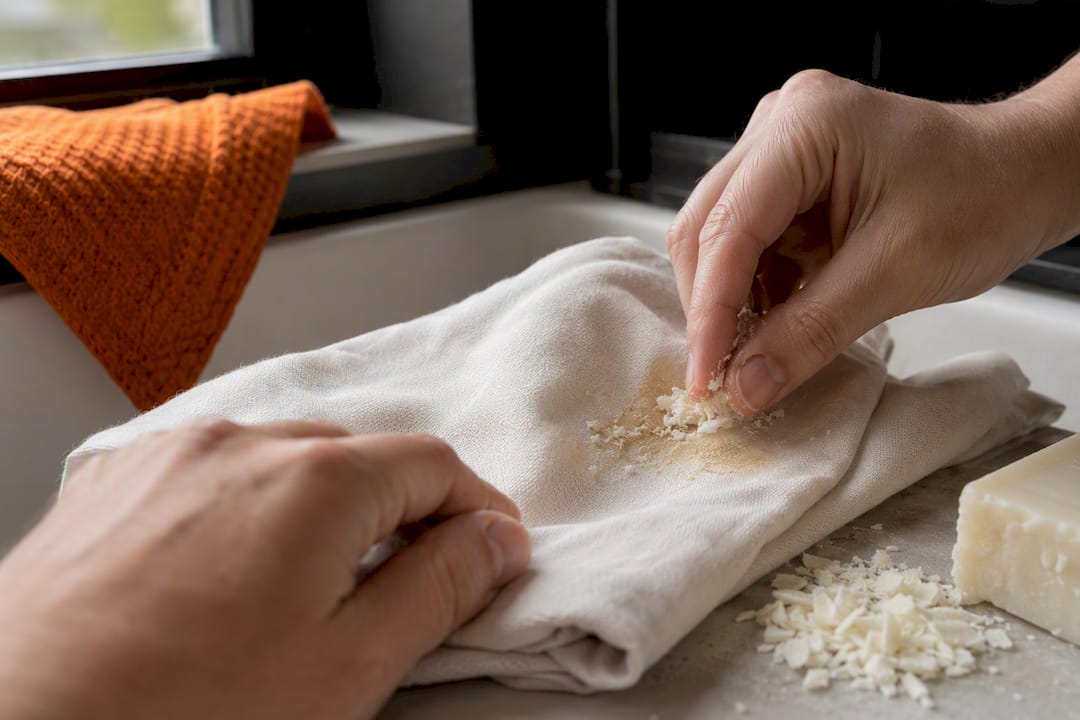
You can also dissolve grated soap in hot water to make a homemade liquid cleaner, generally at a ratio of about one tablespoon of shavings per cup of water, adjusted stronger for heavy grease. Before using it broadly, spot-test on a hidden patch of fabric or surface.
Practical household uses include:
- Pre-treating collar and cuff stains before a wash cycle
- Degreasing tools, workbenches, and garage grime
- Diluted sprays for garden pest control, tested on a single leaf first
The tradeoff is that phenolic soap can bleach or discolor certain dyed fabrics and some painted or varnished surfaces, so reserve it for sturdy whites, tools, and outdoor use rather than delicate textiles. If you want a gentler stain option built for fabric specifically, a dedicated laundry stain bar is the safer everyday choice.
Is Carbolic Soap Safe to Use Regularly?
The same phenol that makes carbolic soap effective is also what makes it risky in the wrong hands. Health risks documented by dermatology sources include skin irritation, chemical burns with prolonged contact, and systemic absorption that can strain the liver and kidneys over repeated exposure. Pregnant people and young children face higher risk from phenol absorption, which is part of why regulators have restricted phenol concentrations in many over-the-counter topical products.
A quick safety snapshot: dermatology reviews flag chemical burns and systemic toxicity as the two biggest risks of habitual, undiluted phenol soap use, especially with repeated full-body application rather than the occasional spot treatment.
Follow these rules before you ever reach for a carbolic bar:
- Patch-test on a small skin area and wait 24 hours before wider use
- Never let it near eyes, mouth, or other mucous membranes
- Store it out of reach of children, clearly separated from regular bath soap
- Limit use to specific tasks, not daily hygiene
If irritation, burning, or unusual redness shows up, stop immediately, rinse thoroughly with cool water, and call a doctor or poison control if symptoms persist. Don’t try to self-treat a chemical burn with more soap or home remedies.
How Do You Choose a Reliable Carbolic Soap Brand?
Buying a genuine carbolic bar comes down to reading the label the same way you’d read any active-ingredient product. Look for phenol or carbolic acid named outright, not just a “medicated scent” claim on the front of the package. Vague marketing language is often a sign the phenol was quietly dropped.
Sourcing from an established retailer matters more than people assume. Consistent labeling and sourcing mean you’re not gambling on an unregulated import with unpredictable phenol concentration. At Tojexpress, that consistency is exactly why Island Pride Carbolic Soap stays on our shelves. It’s a straightforward, clearly labeled bar people ask for by name.
- Check for phenol or cresol named directly on the ingredient list
- Favor retailers with steady stock and transparent sourcing
- Avoid unmarked or unbranded bars sold loose without labeling
What Do Customers Actually Ask About Carbolic Soap?
Working the counter at Tojexpress, I hear the same handful of questions on repeat. Older customers often grew up with red soap in the house and want it for foot care or a specific skin spot, not a full switch from their regular bath soap. Younger buyers usually ask if it’s safe for daily use, and the honest answer is almost always no.
The common mistake I see is treating it like a substitute for everyday soap rather than a targeted tool. If you’re unsure whether a bar fits your situation, reach out to Tojexpress directly. We’re happy to talk through sourcing or usage questions before you buy.
— ANTONIO
Get Island Pride Carbolic Soap From Tojexpress
Tojexpress carries Island Pride Carbolic Soap for the exact jobs this guide walks through: spot antiseptic care, foot washes, and heavy-duty household cleaning, sourced consistently so you’re not guessing at what’s actually in the bar.

If your household also deals with stubborn laundry stains alongside general degreasing, pair it with our Betta Blue laundry soap for a two-bar system that covers skin and fabric separately. You can browse Island Pride Carbolic Soap now and check current availability for pickup or delivery across the Atlanta area. Whatever you choose, follow the patch-test and limited-frequency guidance covered above. It’s a strong bar, and strong tools deserve a little respect.
Where This Guide’s Information Comes From
The mechanism behind phenol’s antiseptic action is documented in industrial disinfectant research. Background on red soap’s history and modern niche use comes from Wikipedia’s carbolic soap entry. Safety risks and regulatory context are drawn from Sasily Skin’s review of carbolic soap safety, and household DIY guidance references the Soap Making Guide’s writeup on carbolic-style bars.
This article is general information, not a substitute for advice from a qualified doctor. Consult a qualified healthcare professional about your own circumstances before acting on anything here.
Sources
- Mechanisms of carbolic acid in industrial disinfectant formulations
- Carbolic soap — Wikipedia
- Are Carbolic Soaps Safe - Benefits, Risks & Side Effects - Sasily Skin