

Why Caribbean Products Are Trending Worldwide
TOJEXPRESS.COM-Antonio HenryCraving the unmistakable taste of home can be a daily challenge for Caribbean expatriates in Greater Atlanta, Georgia. Choosing Caribbean products is not just about flavor, but connecting with a heritage shaped by unique historical roots and diverse influences. These products carry deep stories of migration, tradition, and cultural pride. Discover how exploring trending Caribbean items can transform everyday meals into authentic experiences, blending soulful flavors with meaningful connections to your Caribbean identity.
Table of Contents
- What Makes Caribbean Products Unique
- Popular Caribbean Foods and Beverage Trends
- Health, Culture, and Authenticity Appeal
- Influence of Caribbean Diaspora in Atlanta
- Sourcing, Availability, and Supply Challenges
Key Takeaways
| Point | Details |
|---|---|
| Cultural Significance | Caribbean products embody complex cultural narratives, shaped by diverse historical influences and migration patterns. |
| Flavor Complexity | Caribbean cuisine offers unique, multilayered taste experiences that reflect intricate cultural dialogues. |
| Market Growth | The global demand for Caribbean food and beverages is expanding, driven by consumers seeking authentic and health-conscious options. |
| Supply Chain Challenges | Caribbean food import dynamics face significant vulnerabilities that require innovative solutions for consistent product availability. |
What Makes Caribbean Products Unique
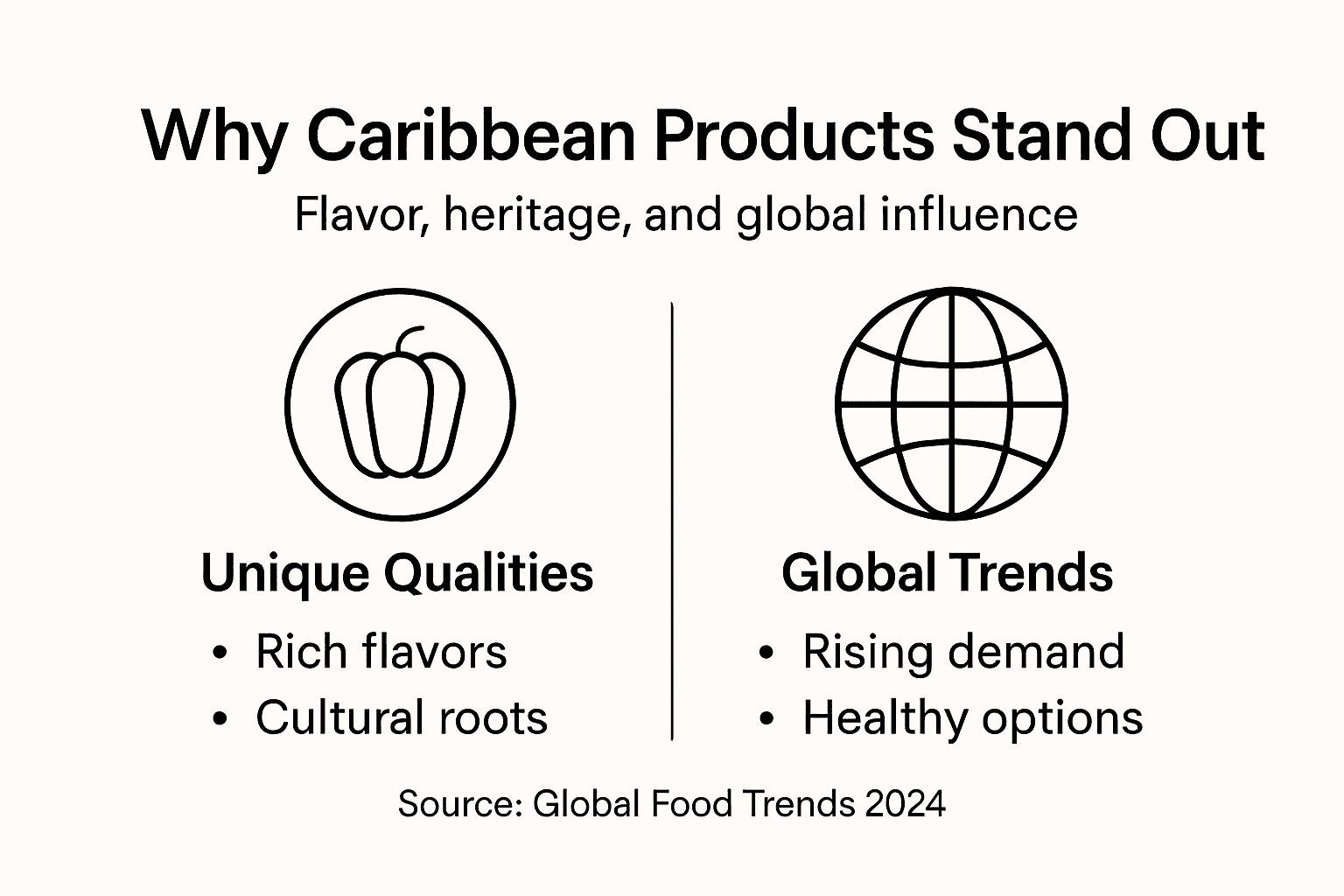
Caribbean products represent far more than mere food items - they are living narratives of historical transformation and cultural resilience. Culinary practices reveal complex cultural negotiations that transcend simple ingredients, embodying deep stories of migration, adaptation, and identity.
The uniqueness of Caribbean products stems from several extraordinary dimensions:
- Historical Complexity: Products shaped by Indigenous, African, European, and Asian influences
- Transnational Culinary Heritage: Recipes that reflect generations of cultural exchange
- Adaptive Food Systems: Ingredients and techniques that evolved through challenging historical circumstances
- Diaspora Identity Expression: Culinary traditions serving as powerful cultural connectors
Archaeological research demonstrates that Caribbean food traditions extend far beyond colonial narratives, showcasing profound indigenous phytocultural practices. These deep historical roots mean Caribbean products aren’t just foods - they’re living historical documents representing centuries of human interaction and survival.
Moreover, Caribbean products distinguish themselves through remarkable flavor complexity. Unlike standardized global food products, Caribbean cuisines blend techniques and ingredients that create multilayered taste experiences. Spices, cooking methods, and ingredient combinations reflect intricate cultural dialogues that cannot be replicated elsewhere.
Pro tip: When exploring Caribbean products, look beyond taste and consider the rich cultural narrative embedded in every ingredient.
Popular Caribbean Foods and Beverage Trends
Caribbean food and drink markets are experiencing explosive global growth, reflecting an unprecedented surge in international culinary interest. This trend goes beyond simple food consumption, representing a complex cultural exchange that celebrates diverse flavors and traditional recipes.
The most prominent Caribbean food and beverage trends include:
- Rum and Spirits: Artisanal Caribbean rum varieties gaining international recognition
- Spicy Condiments: Hot sauces and jerk seasonings becoming global pantry staples
- Ready-to-Consume Products: Convenient Caribbean meal kits and snack options
- Natural Beverages: Ginger beer, sorrel drinks, and other traditional beverages
Caribbean food import trends demonstrate remarkable consumer preferences for authentic ingredients. Fruits, vegetables, seafood, and specialty meats are driving substantial market demand, with consumers seeking genuine flavor experiences that connect them to Caribbean culinary traditions.
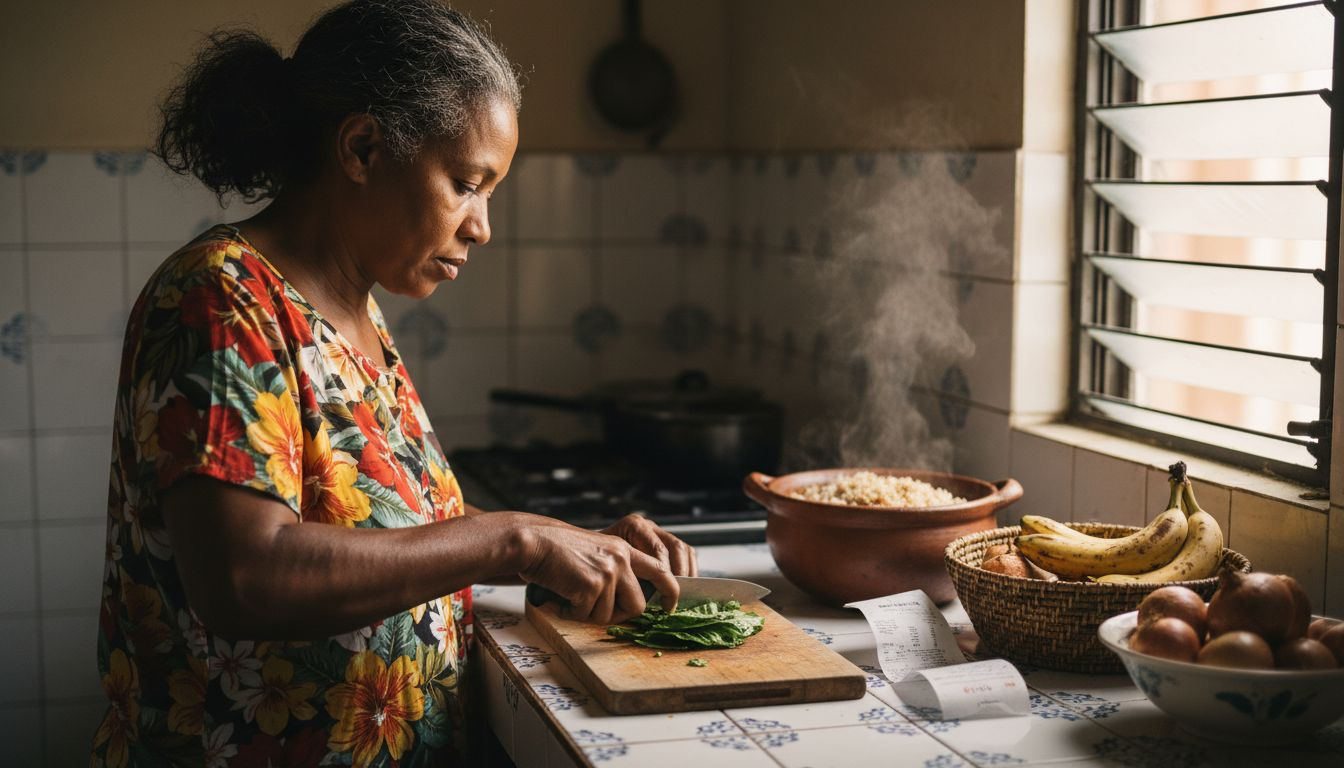
These trends reflect more than just food preferences - they represent a broader cultural movement. Health-conscious consumers are increasingly drawn to Caribbean cuisine’s vibrant, nutrient-rich ingredients and complex flavor profiles. The rising popularity of organic, natural products further amplifies the appeal of Caribbean food and beverage offerings.
Pro tip: Explore Caribbean frozen foods to experience authentic flavors with convenient preparation.
Health, Culture, and Authenticity Appeal
Caribbean consumer behavior reveals profound cultural connections to food and wellness that transcend simple nutrition. These connections represent a holistic approach to eating that integrates health, identity, and spiritual traditions into every culinary experience.
Key aspects of Caribbean cultural authenticity include:
- Spiritual Nutrition: Foods that nourish body and spirit
- Heritage Ingredients: Traditional foods with deep cultural significance
- Wellness Philosophy: Holistic approach to health through diet
- Ancestral Knowledge: Culinary practices passed through generations
Rastafari culture demonstrates global cultural authenticity by transforming local traditions into worldwide cultural movements. This phenomenon highlights how Caribbean foods are more than sustenance - they’re powerful expressions of identity, resistance, and collective memory.
The appeal of Caribbean products lies in their ability to connect consumers with a deeper narrative of health and cultural resilience. Modern consumers aren’t just purchasing food; they’re engaging with a rich tapestry of historical experiences, traditional wisdom, and nutritional practices that offer meaningful alternatives to standardized global food systems.
Pro tip: Choose Caribbean products that tell a story beyond their flavor, connecting you to a rich cultural heritage.
Influence of Caribbean Diaspora in Atlanta
Caribbean migration patterns have dramatically transformed Atlanta’s cultural landscape, creating a vibrant community that bridges geographical and cultural boundaries. This dynamic diaspora brings rich traditions, economic contributions, and a powerful sense of collective identity to the region.
Key characteristics of Atlanta’s Caribbean community include:
- Demographic Significance: Over 93,000 Caribbean-born residents
- Primary Origins: Strong representation from Jamaica, Haiti, and Dominican Republic
- Economic Impact: Robust entrepreneurial and professional contributions
- Cultural Networking: Extensive social and professional connections
Atlanta’s Caribbean population continues expanding, driven by opportunities in education, professional sectors, and shared cultural experiences. These residents are not just passive participants but active creators of Atlanta’s multicultural narrative, introducing authentic products, culinary traditions, and vibrant cultural expressions.
The Caribbean diaspora in Atlanta represents more than a demographic statistic - it’s a living, breathing ecosystem of cultural exchange. By maintaining strong connections to their heritage while simultaneously integrating into American society, these communities create unique spaces of belonging that enrich the city’s social fabric and economic landscape.
Compare the cultural and commercial impact of Caribbean communities in Atlanta:
| Factor | Cultural Impact | Economic Impact | Social Impact |
|---|---|---|---|
| Heritage Preservation | Maintains authentic cuisine, music | Drives food retail and services | Strengthens identity |
| Community Networking | Cultural festivals and events | Supports local businesses | Fosters belonging |
| Demographic Growth | Enriches Atlanta’s diversity | Expands multicultural economy | Increases awareness |
Pro tip: Explore local Caribbean grocery stores to experience the authentic flavors and community connections of Atlanta’s Caribbean diaspora.
Sourcing, Availability, and Supply Challenges
Caribbean food import dynamics reveal significant supply vulnerabilities, highlighting complex challenges in maintaining consistent product availability. These challenges stem from intricate logistical, infrastructural, and economic constraints that impact global Caribbean product distribution.
Key supply chain challenges include:
- Import Dependency: Most Caribbean countries import majority of food products
- Logistics Infrastructure: Fragmented transportation networks
- Cost Inefficiencies: High transportation and customs processing expenses
- Production Limitations: Restricted local manufacturing capacities
Logistical barriers significantly impact Caribbean trade, creating complex obstacles for consistent product availability. These challenges require sophisticated strategies involving technological innovation, regional cooperation, and strategic infrastructure development to overcome systemic constraints.
The supply chain complexity extends beyond mere transportation issues, representing a nuanced ecosystem of economic, political, and technological interactions. Successful Caribbean product distribution demands adaptive approaches that balance traditional practices with modern logistical innovations, ensuring authenticity while meeting global market demands.
Here is a summary comparing traditional Caribbean supply chain challenges and possible modern solutions:
| Challenge Type | Traditional Issue | Modern Solution | Expected Benefit |
|---|---|---|---|
| Import Dependency | Rely on external suppliers | Regional production networks | Improved local availability |
| Logistics Infrastructure | Fragmented transport options | Upgraded ports and trucking | Faster, reliable delivery |
| Cost Inefficiencies | High customs and shipping fees | Digital customs automation | Lower import costs |
| Production Limitations | Small-scale manual production | Investment in agri-tech | Scalable supply capabilities |
Pro tip: Develop relationships with specialized importers who understand Caribbean supply chain intricacies to secure consistent product availability.
Discover Authentic Caribbean Flavors at TOJ EXPRESS
Navigating the challenges of sourcing genuine Caribbean products can feel overwhelming, especially with supply chain complexities and the need for authentic taste experiences. At TOJ EXPRESS, we understand the importance of cultural authenticity and the vibrant flavors that define Caribbean cuisine. Whether you are craving traditional spices, rich artisanal rums, or refreshing natural beverages, our collection brings the unique tastes of the Caribbean right to your doorstep.

Experience the richness of Caribbean heritage today by exploring our Home page – TOJ EXPRESS. Don’t miss our carefully curated selection of flavorful Teas – TOJ EXPRESS and natural Sweetener – TOJ EXPRESS products designed to nourish both body and spirit. Visit https://tojexpress.com now to connect with true Caribbean culture through every bite and sip. Unlock a world of tradition and health benefits now before these authentic products run out.
Frequently Asked Questions
What makes Caribbean products unique compared to other global cuisines?
Caribbean products are unique due to their historical complexity, which incorporates influences from Indigenous, African, European, and Asian cultures. These products reflect a transnational culinary heritage and adaptive food systems that evolved through historical challenges, providing a rich narrative of migration and identity.
How are Caribbean food trends impacting global consumer preferences?
The rise in Caribbean food trends signifies a growing appreciation for authentic flavors and healthy ingredients. Consumers are increasingly drawn to natural beverages, artisanal spirits, and ready-to-consume products, enhancing the cultural dialogue around Caribbean cuisine and its nutritional benefits.
What health-related benefits do Caribbean foods offer?
Caribbean foods are often rich in nutrients and incorporate heritage ingredients that support holistic wellness philosophies. Many traditional foods are not only nourishing for the body but also carry spiritual significance, promoting a comprehensive approach to health and nutrition.
What challenges affect the availability of Caribbean products in the global market?
The availability of Caribbean products is challenged by import dependency, fragmented logistics infrastructure, high costs associated with transportation and customs, and limited local manufacturing capabilities. These supply chain issues can hinder consistent product access for consumers worldwide.
Recommended
- How to Shop Caribbean Groceries Like a Local in Atlanta – TOJ EXPRESS
- 7 Must-Try Caribbean Frozen Foods Examples for Home Cooks – TOJ EXPRESS
- Top 7 Tojostore.com Alternatives in 2026 for Smart Consumers – TOJ EXPRESS
- News – TOJ EXPRESS
- Tropical Theme - The Vanilla Valley
- Top 5 Arabica Coffee Comparisons in 2026 for Aficionados – House Coffee