
Why Seasonal Snacks Matter for Healthy Living
TOJEXPRESS.COM-Antonio HenryCraving more than just the usual store-bought treats, many health-focused snack lovers in Atlanta’s suburban neighborhoods are searching for bold flavors that bring a taste of both American and Caribbean traditions. Seasonal snacks offer more than convenience—they unlock fresh possibilities for flavor, nutrition, and community support with every bite. Dive into the benefits and misconceptions of seasonal eating to discover how thoughtful snacking can truly satisfy both curiosity and conscience.
Table of Contents
- Seasonal Snacks Defined And Misconceptions
- Popular Types Of American And Caribbean Snacks
- Nutritional Value And Flavor Advantages
- Health And Sustainability Benefits Explained
- Cost, Accessibility, And Local Support
- Common Pitfalls And Alternatives To Seasonal Choices
Key Takeaways
| Point | Details |
|---|---|
| Seasonal snacks | Seasonal snacks are about more than timing; they reflect nutritional value, local agriculture, and cultural eating habits. |
| Nutritional benefits | Consuming seasonal snacks allows for higher nutrient density and enhanced flavor complexity compared to non-seasonal options. |
| Sustainability impact | Seasonal eating supports local economies, reduces environmental impact, and contributes to biodiversity preservation. |
| Awareness of choices | Avoid common pitfalls by prioritizing nutrient diversity and mindful eating practices over solely focusing on seasonality. |
Seasonal Snacks Defined and Misconceptions
Understanding seasonal snacks requires moving beyond simplistic definitions into a nuanced exploration of food culture, nutrition, and environmental sustainability. Seasonal food fundamentally refers to food items harvested or consumed during their natural peak availability, typically coinciding with harvest times in specific regions.
Contrary to popular belief, seasonal snacks are not just about timing but represent a complex interplay of nutritional value, local agriculture, and cultural eating patterns. Seasonal eating involves consuming foods when they are most naturally abundant, which can significantly impact dietary quality and environmental sustainability. Unlike manufactured snacks that remain consistent year-round, seasonal snacks reflect regional agricultural rhythms and local flavor profiles.
Researchers have identified several key misconceptions about what constitutes a seasonal snack:
- Seasonal snacks are not limited to fresh produce
- Not all seasonal foods are locally grown
- The definition varies across different cultural contexts
- Seasonal eating is more than a dietary trend - it’s an ecological choice
The complexity of defining seasonal snacks becomes apparent when examining global eating practices. Dietary research reveals00734-7/fulltext) that cultural variations significantly influence how eating occasions are categorized, making universal definitions challenging.
Pro tip: When exploring seasonal snacks, consider both local availability and nutritional peak times to maximize health benefits and support regional agriculture.
Popular Types of American and Caribbean Snacks
American and Caribbean snack cultures represent a vibrant tapestry of flavors, reflecting rich culinary traditions and diverse regional influences. US consumer preferences reveal a complex landscape of snacking behaviors that go far beyond simple hunger satisfaction, encompassing health consciousness, cultural identity, and personal taste.
In the American context, popular snacks span a wide range of categories, from classic potato chips and pretzels to more health-conscious options like vegetable-based chips and protein bars. Caribbean snacks, by contrast, offer a unique blend of indigenous ingredients and colonial culinary influences, featuring items like plantain chips, salt fish fritters, and coconut-based treats that showcase the region’s complex gastronomic heritage.
Key characteristics of American and Caribbean snacks include:
- Bold, intense flavor profiles
- Diverse texture variations (crunchy, soft, crispy)
- Strong regional and cultural influences
- Increasing focus on nutritional value
- Fusion of traditional and modern snacking techniques
Traditional snack preferences demonstrate how deeply food choices are rooted in cultural identity, with each region developing unique snacking traditions that reflect local ingredients, agricultural practices, and taste preferences.
Pro tip: Explore snacks from different Caribbean islands and American regions to discover unique flavor combinations and expand your culinary understanding.
Here’s a snapshot comparing common American and Caribbean snacks to highlight unique traits:
| Snack Type | Common Ingredients | Typical Texture | Flavor Profile |
|---|---|---|---|
| American Potato Chips | Potatoes, vegetable oil | Crunchy | Salty, savory |
| Caribbean Plantain Chips | Plantains, salt | Extra crispy | Sweet, salty |
| American Protein Bar | Oats, nuts, whey | Chewy | Nutty, slightly sweet |
| Caribbean Salt Fish Fritters | Salt fish, flour, spices | Soft, crispy edges | Savory, spicy |
| American Veggie Chips | Root vegetables, sea salt | Crisp | Earthy, lightly salted |
| Caribbean Coconut Drops | Coconut, ginger, sugar | Chewy, sticky | Sweet, spicy aroma |
Nutritional Value and Flavor Advantages
Seasonal eating provides remarkable nutritional benefits that extend far beyond simple taste preferences. When fruits and vegetables are harvested at peak ripeness, they deliver maximum nutritional density, ensuring consumers receive the highest possible concentration of vitamins, minerals, and antioxidants.
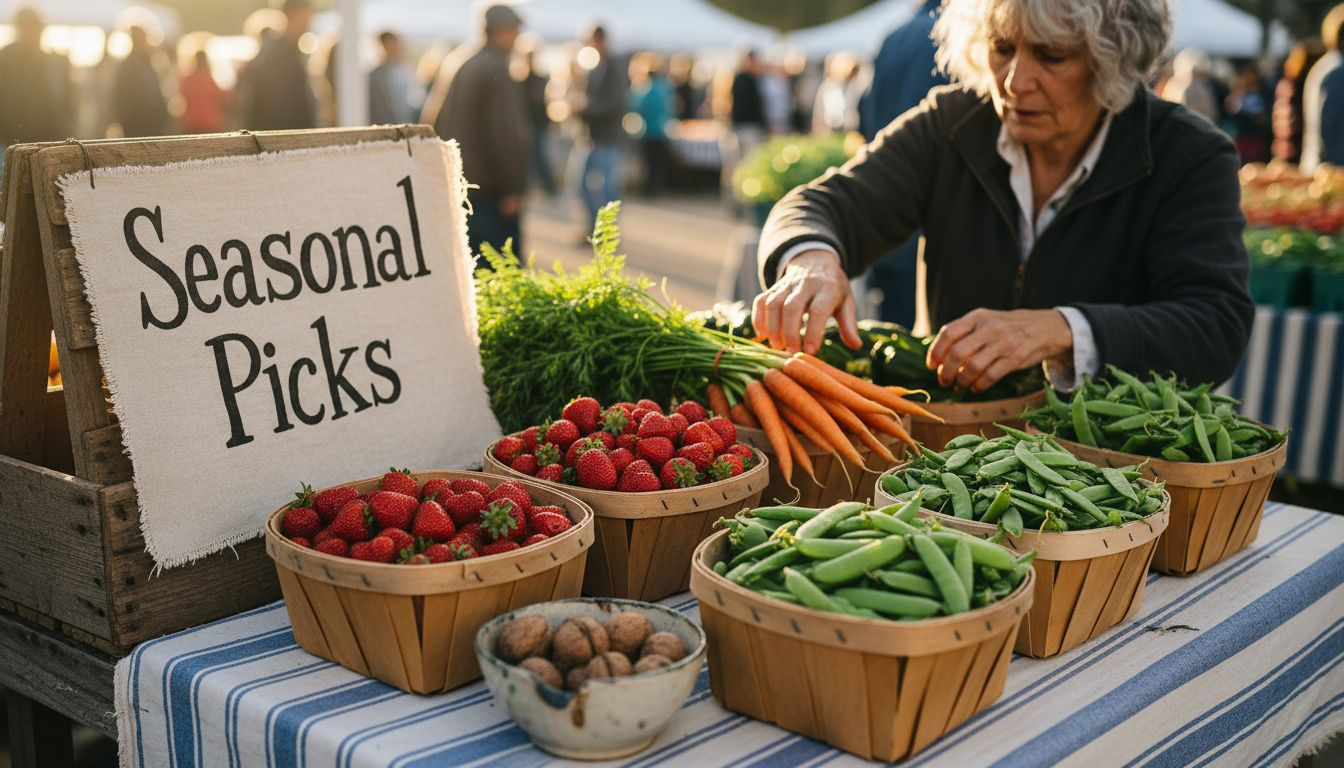
The nutritional profile of seasonal snacks dramatically differs from out-of-season alternatives. Fresh, locally grown produce picked at the right moment contains significantly higher nutrient levels, with antioxidant content peaking during optimal harvest windows. Seasonal snacking transforms eating from a mere consumption activity into a strategic approach to health and wellness.
Key nutritional advantages of seasonal snacks include:
- Higher concentration of essential nutrients
- Enhanced antioxidant content
- Superior flavor complexity
- Better metabolic response
- Improved digestive compatibility
- Lower environmental impact
Snack quality significantly influences metabolic health more than snacking frequency. Consuming nutrient-rich, seasonally available produce supports better blood sugar regulation and provides more stable energy levels compared to processed alternatives.
Pro tip: Visit local farmers markets to discover peak-season produce and create the most nutritionally potent seasonal snacks.
Health and Sustainability Benefits Explained
Seasonal food strategies offer complex interactions between nutritional health, environmental impact, and local agricultural systems. Understanding these interactions goes beyond simple dietary choices, revealing a holistic approach to consumption that considers nutrition, ecology, and community wellness.
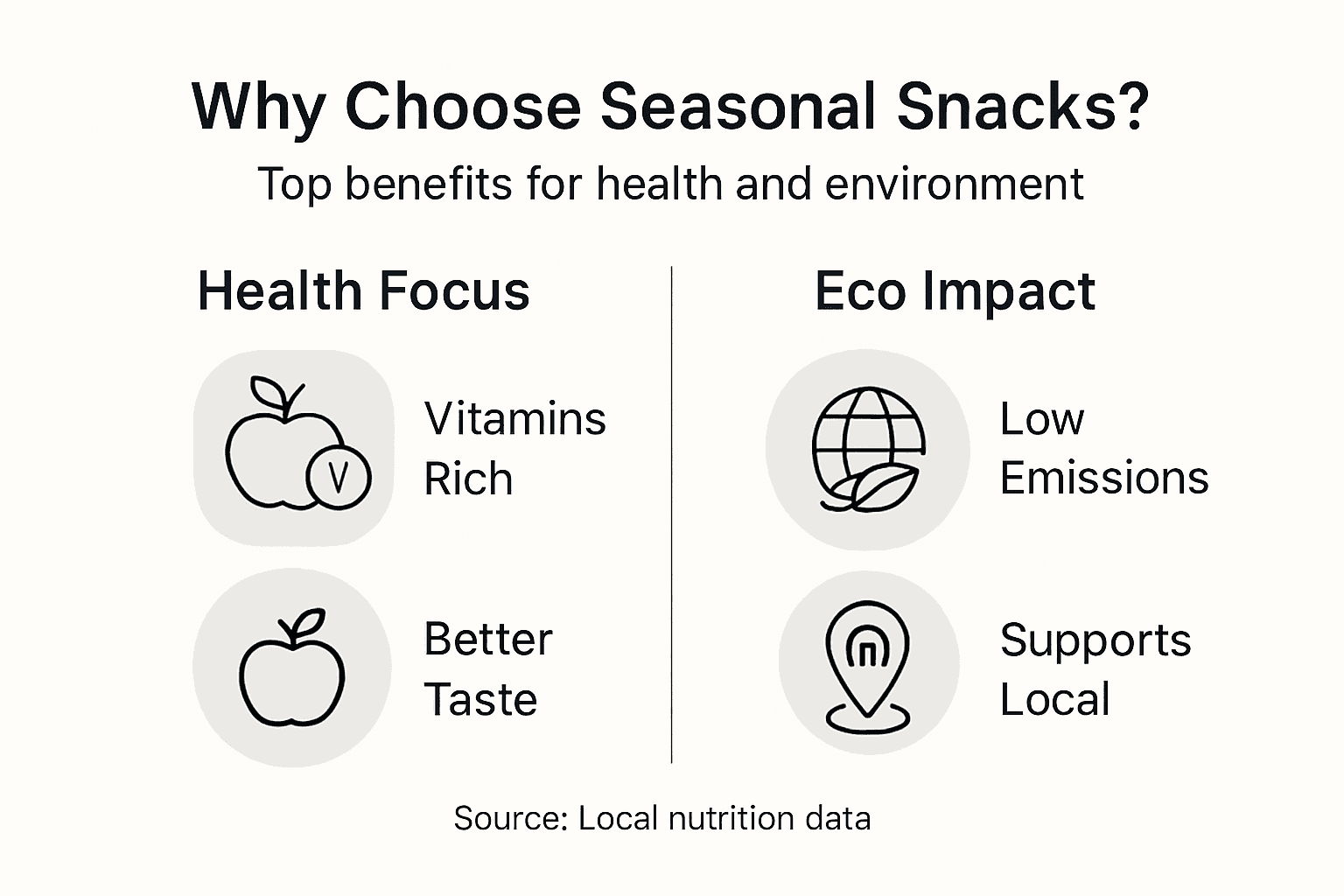
The sustainability of seasonal snacks extends far beyond reducing transportation costs. Ecological food systems create intricate networks that support local biodiversity, reduce greenhouse gas emissions, and provide more nutrient-dense food options. By choosing seasonal produce, consumers actively participate in supporting regional agricultural practices and minimizing environmental strain.
Key sustainability benefits include:
- Reduced carbon footprint
- Lower greenhouse gas emissions
- Support for local agricultural ecosystems
- Preservation of biodiversity
- Enhanced nutrient retention
- Decreased reliance on artificial agricultural inputs
Seasonal produce supports environmental health by aligning food production with natural growing cycles. This approach minimizes artificial interventions, supports local farmers, and creates a more resilient food system that benefits both human and ecological well-being.
Pro tip: Connect with local farmers and community supported agriculture programs to maximize your seasonal snacking impact.
Cost, Accessibility, and Local Support
Local seasonal produce transforms community food systems by creating economic opportunities and improving dietary accessibility. Understanding the intricate relationship between local agriculture, consumer choices, and nutritional availability reveals the profound impact of seasonal eating beyond simple food consumption.
The economics of seasonal snacking directly benefit local communities by supporting regional farmers and reducing transportation costs. Community food networks create resilient systems where consumers can access fresh, affordable produce while simultaneously supporting local agricultural ecosystems. This approach minimizes food miles, reduces environmental strain, and ensures that money circulates within local economic structures.
Key accessibility and economic benefits include:
- Lower food production costs
- Reduced transportation expenses
- Enhanced local farmer income
- More equitable food distribution
- Increased nutritional diversity
- Stronger community economic connections
Seasonal eating programs support food security by making nutritious snacks more affordable and available to diverse community members. These initiatives break down economic barriers to healthy eating, creating pathways for improved nutrition across different socioeconomic groups.
Pro tip: Research local farmers markets and community supported agriculture programs to maximize your seasonal snacking value and support local economies.
Below is an overview of how seasonal vs. non-seasonal snacks impact health, accessibility, and sustainability:
| Aspect | Seasonal Snacks | Non-Seasonal Snacks |
|---|---|---|
| Nutrition | Higher vitamins, fresh taste | Reduced nutrients, often older |
| Local Economy | Supports farmers, local jobs | Relies on imports, less local impact |
| Environmental | Fewer food miles, eco-friendly | More transport, higher emissions |
| Cost | Often lower at peak season | Higher due to shipping/storage |
| Variety | Changes with seasons | Available year-round |
Common Pitfalls and Alternatives to Seasonal Choices
Nutrition myths can derail healthy snacking strategies by creating misconceptions about food’s true nutritional value. Understanding these potential pitfalls helps consumers make more informed dietary choices that go beyond simplistic seasonal eating approaches.
Processed snacks and late-night eating can significantly undermine the potential health benefits of seasonal food choices. Nutritional awareness requires looking beyond surface-level assumptions about food, recognizing that not all seasonal options are inherently healthy. Balanced nutrition demands a nuanced approach that considers nutrient density, portion control, and overall dietary context.
Common seasonal snacking pitfalls include:
- Over-relying on single food types
- Ignoring nutritional diversity
- Consuming processed seasonal products
- Misunderstanding portion sizes
- Eating at inappropriate times
- Neglecting overall dietary balance
Snack quality matters more than seasonality when considering metabolic health and nutritional impact. Consumers should prioritize whole foods, balanced nutrient profiles, and mindful eating practices over rigid seasonal constraints.
Pro tip: Rotate your seasonal snack choices and supplement with diverse nutrient sources to maintain a comprehensive approach to nutrition.
Discover the Power of Seasonal Snacking with TOJ EXPRESS
If you are looking to embrace the nutritional benefits and rich flavors of seasonal snacks while supporting local agriculture and sustainable choices then explore our diverse range of authentic American and Caribbean treats at Snacks – TOJ EXPRESS. Our carefully selected products help you enjoy bold tastes and health advantages exactly like the article highlights.
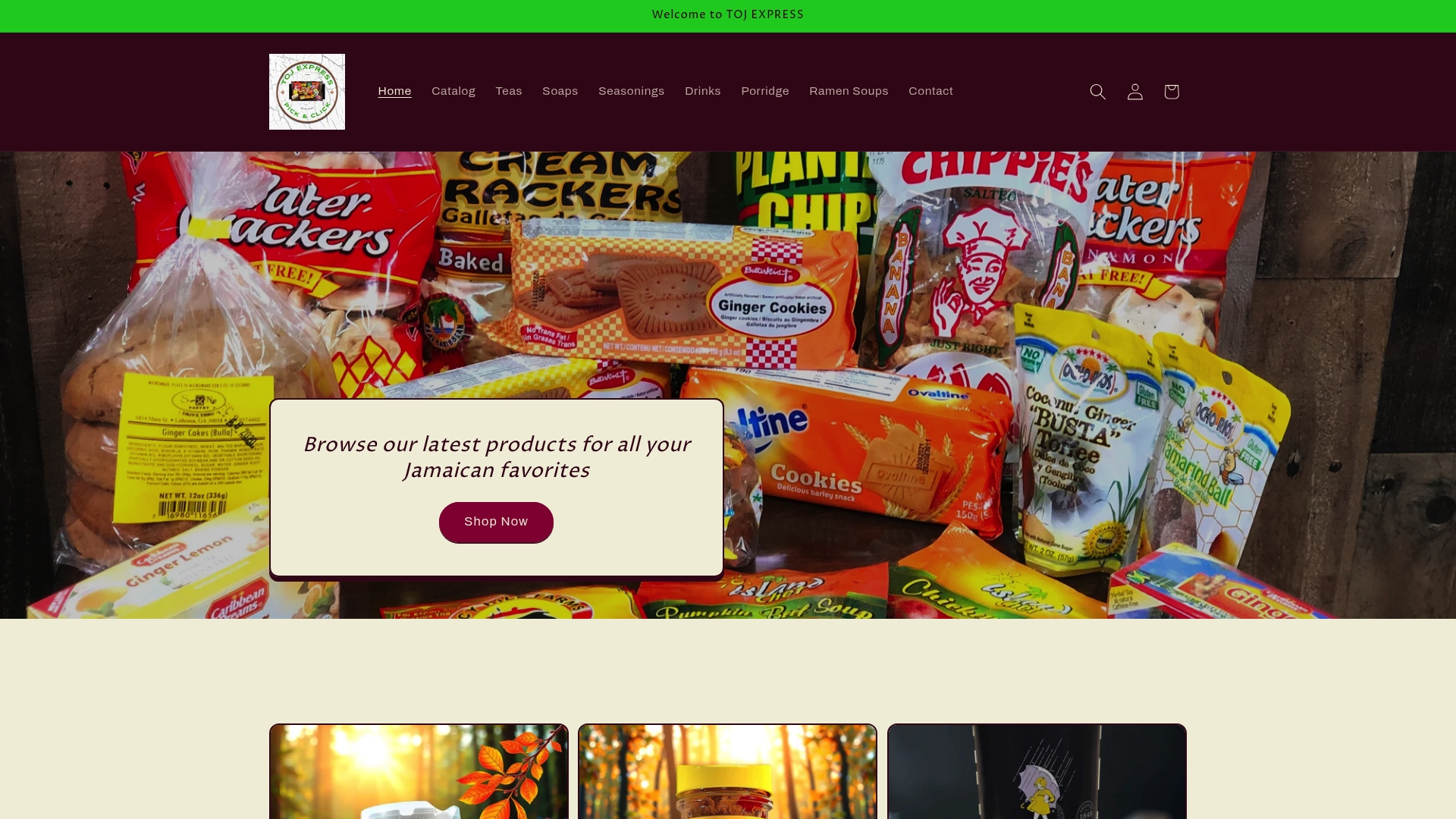
Don’t miss out on the opportunity to enhance your snacking experience with options that align with health and environmental goals. Visit TOJ EXPRESS now to find nutritious, delicious seasonal snacks. Browse through our Cookies and Crackers – TOJ EXPRESS and Seasonings – TOJ EXPRESS categories to add unique flavors that complement your better living journey. Act today for fresher tastes and smarter choices!
Frequently Asked Questions
What are seasonal snacks?
Seasonal snacks are food items harvested or consumed during their natural peak availability, usually reflecting regional agricultural rhythms and local flavor profiles.
How do seasonal snacks contribute to nutritional value?
Seasonal snacks often provide higher concentrations of essential nutrients and antioxidants because they are harvested at peak ripeness, leading to improved dietary quality.
What are the environmental benefits of choosing seasonal snacks?
Choosing seasonal snacks supports local agricultural systems, reduces carbon footprints, lowers greenhouse gas emissions, and promotes biodiversity by aligning food production with natural growing cycles.
Can seasonal snacks impact community food systems?
Yes, seasonal snacks can significantly transform community food systems by creating economic opportunities for local farmers, enhancing dietary accessibility, and supporting more equitable food distribution.