
10 Examples of Caribbean Beverages You Need to Try
TOJEXPRESS.COM-Antonio HenryTL;DR:
- Caribbean beverages include fermented tonics, rum-based cocktails, and tropical juices that reflect island culture. Popular drinks like Mauby, Piña Colada, and Mamajuana showcase local ingredients and traditional practices. These beverages enhance social gatherings and bring authentic Caribbean flavors to any table.
Caribbean beverages are defined by three pillars: traditional fermented drinks rooted in island botany, rum-based cocktails shaped by centuries of sugarcane culture, and refreshing tropical juices tied to everyday life. From the bittersweet fizz of Mauby bark to the creamy indulgence of a Piña Colada, these drinks carry the history, climate, and personality of the islands in every sip. Tojexpress stocks many of the authentic Caribbean ingredients you need to recreate these drinks at home, making it easier than ever to bring island flavor to your table or next gathering.
1. What are the best examples of Caribbean beverages?
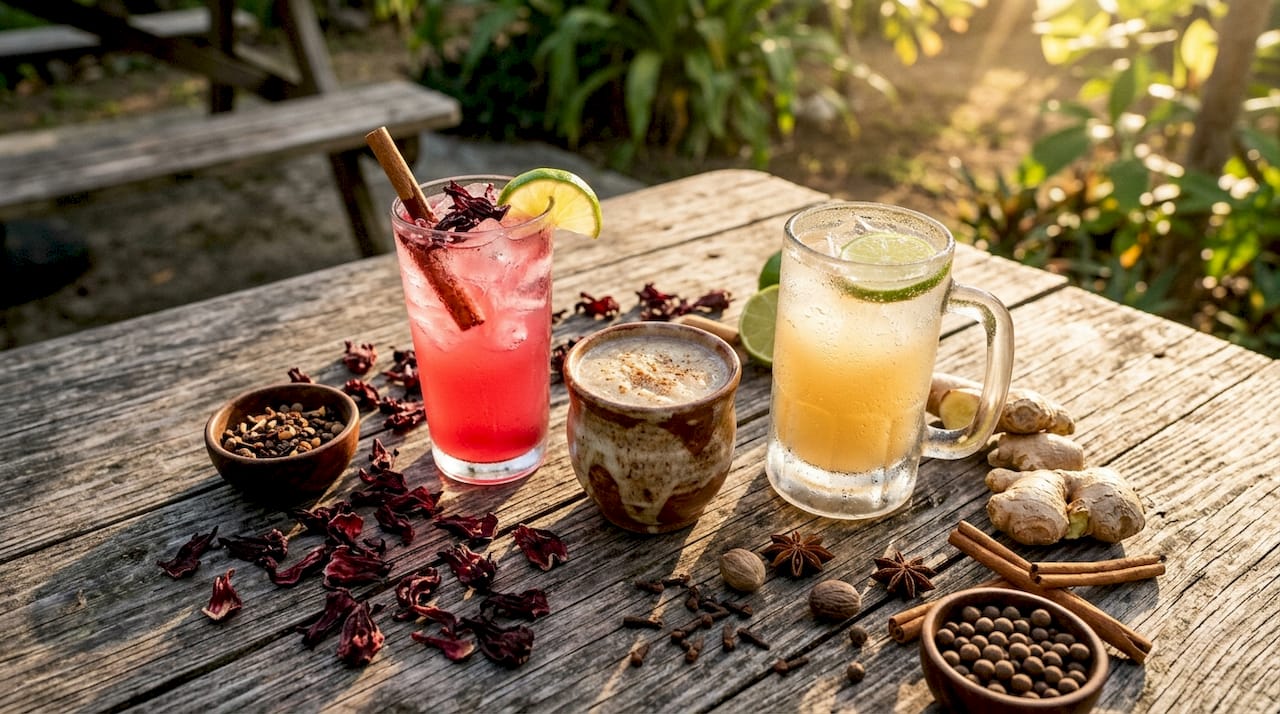
The best examples of Caribbean beverages span fermented tonics, spirit-forward cocktails, and fruit-forward non-alcoholic drinks. Each category reflects a different side of island life, from daily wellness rituals to festive celebrations. Understanding this range is the fastest way to appreciate just how culturally rich Caribbean drinks really are.
Caribbean drinks prioritize balance and use of local ingredients, rooted in historical rum and sugarcane production, resulting in simple yet iconic recipes. That simplicity is the secret. When your base ingredients are fresh citrus, ripe tropical fruit, aged rum, and native bark or herbs, complexity builds itself.
2. Mauby: the original fermented bark drink
Mauby is a traditional Caribbean fermented bark beverage made with Colubrina elliptica bark, sugar, and spices, producing a bittersweet spiced fizz with probiotic and mildly alcoholic properties. No other drink in the Caribbean has quite the same flavor profile. The bark delivers a natural bitterness that the sugar and spices soften into something deeply satisfying.
Fermentation time shapes everything about Mauby’s final taste. A quick ferment runs 1–3 days and produces a lighter, less complex fizz. A full ferment of 3–7 days develops deeper carbonation and a more pronounced bittersweet character. Temperature plays a major role in that timeline, so home brewers need to monitor their environment closely.
Island variations make Mauby even more interesting:
- Trinidadian Mauby tends to be sweeter and is often sold chilled by street vendors.
- Barbadian Mauby leans more bitter and is a point of national pride.
- Puerto Rican and Dominican versions incorporate additional spices like cinnamon and anise for a warmer flavor.
Mauby also fits naturally into the broader world of exotic fermented drinks, sitting alongside kefir and kombucha as a probiotic-rich tradition with deep cultural roots.
Pro Tip: For home fermentation, keep your Mauby in a warm spot around 75–80°F. Cover loosely with cloth rather than a sealed lid so CO2 can escape. Taste daily after day two to catch your preferred level of bitterness before it over-ferments.
3. Piña Colada: Puerto Rico’s national cocktail
The Piña Colada has been Puerto Rico’s official national drink since 1978. That status is not just ceremonial. The drink genuinely captures the island’s identity through three ingredients: white rum, cream of coconut, and fresh pineapple juice. Blended or shaken, it delivers a creamy, tropical sweetness that no other cocktail replicates.
The Piña Colada’s global fame comes from its accessibility. You do not need rare spirits or complex technique. You need quality rum, ripe fruit, and good coconut cream. That formula travels well, which is why you find it on menus from Miami to Manila.
Pro Tip: Use fresh pineapple juice instead of canned for a noticeably brighter flavor. Freeze the pineapple chunks overnight before blending for a thicker, colder result without watering it down with ice.
4. Painkiller: the British Virgin Islands original
The Painkiller cocktail was created in the 1970s at the Soggy Dollar Bar in the British Virgin Islands, combining dark rum, pineapple juice, orange juice, cream of coconut, and freshly grated nutmeg. The nutmeg on top is not decoration. It releases aromatic oils that change how the drink smells and tastes with every sip. The Painkiller is richer and spicier than a Piña Colada, and the dark rum gives it more depth.
Caribbean cocktails like the Painkiller reflect a broader truth: the best tropical drinks use locally available ingredients shaped by the region’s sugarcane and rum history. That approach produces drinks that feel authentic rather than manufactured.
5. Mojito: Cuba’s gift to the world
The Mojito originates in Cuba and is built on white rum, fresh lime juice, sugar, mint, and soda water. Its appeal is its freshness. The mint and lime create a clean, bright flavor that works in heat, which explains why it became one of the most ordered cocktails worldwide. Cuban bartenders have been refining this recipe for well over a century.
Rum is the thread connecting the Mojito, Painkiller, and Piña Colada. The spirit’s range, from light and grassy to dark and molasses-rich, gives Caribbean mixologists enormous creative range. Choosing the right rum for each drink is as important as any other ingredient.
6. Mamajuana: the Dominican Republic’s cultural elixir
Mamajuana is a Dominican Republic elixir made from rum, red wine, honey, and a blend of herbs and tree bark that is culturally regarded as medicinal and an aphrodisiac. It is not a cocktail in the conventional sense. Mamajuana is closer to a tincture, steeped over days or weeks until the botanicals fully infuse the liquid. The result is a dark, complex drink with a warming finish.
Mamajuana connects social drinking with traditional wellness practices in a way that few other beverages do. Families pass down their own bark and herb blends across generations. The recipe is personal, and that personal quality is exactly what makes it irreplaceable in Dominican culture.
“Mamajuana is the Dominican Republic’s answer to both a toast and a remedy. It sits at the table during celebrations and is offered to guests as a gesture of hospitality and care.”
7. Sorrel: the Caribbean’s festive hibiscus drink
Sorrel is a hibiscus-based drink consumed across the Caribbean, particularly during the Christmas season. The dried petals of the Hibiscus sabdariffa plant are steeped with ginger, cloves, cinnamon, and sugar to produce a deep crimson, tart, and spiced beverage. In Jamaica and Trinidad, sorrel is as tied to the holidays as eggnog is in the United States.
The drink can be served non-alcoholic or spiked with rum, which makes it flexible for any gathering. Its vibrant color alone makes it a showstopper at parties. Sorrel also contains antioxidants from the hibiscus petals, giving it a nutritional angle that goes beyond its festive role.
8. Sea moss drink: Jamaica’s mineral-rich tonic
Sea moss drink is popular in Jamaica and St. Lucia for its high mineral content, including iodine and potassium, and is consumed as a creamy tonic or used as a base for cocktails. Sea moss is blended with milk, sweetener, and spices like cinnamon and vanilla to create a thick, nourishing drink. The texture is unlike anything else in the Caribbean beverage catalog.
Sea moss reflects the Caribbean’s deep connection between food, drink, and wellness. Learning about the health benefits of Caribbean superfoods like sea moss shows how traditional tonics have always served a dual purpose: pleasure and nutrition. That dual purpose is what keeps these drinks relevant across generations.
9. Morir Soñando and chinola juice: Dominican everyday drinks
Morir Soñando is a Dominican Republic beverage made from orange juice mixed with milk and sugar, widely consumed for its refreshing balance of citrus and creaminess. The name translates to “to die dreaming,” which tells you everything about how Dominicans feel about it. It is simple, inexpensive, and deeply satisfying on a hot afternoon.
Chinola juice, made from passion fruit, is equally beloved. The Dominican Republic’s diverse traditional beverages also include guava juice, tamarind water, and milk-based ponches for festive occasions. These drinks reflect the country’s tropical fruit abundance and show that the best Caribbean beverages do not always require alcohol or complex preparation.
Pro Tip: When making Morir Soñando, use evaporated milk instead of fresh milk and chill it beforehand. The colder the milk, the less likely it is to curdle when it meets the acidic orange juice.
10. Ginger beer and Ting soda: the Caribbean’s beloved carbonated drinks
Ginger beer is one of the most widely consumed non-alcoholic drinks across the Caribbean. Caribbean-style ginger beer is sharper and spicier than most commercial versions, brewed with fresh ginger root and a higher concentration of natural ginger flavor. It pairs well with food, works as a mixer in cocktails like the Dark and Stormy, and stands perfectly on its own.
Ting is a Jamaican grapefruit-flavored carbonated soda that has built a loyal following across the islands and in Caribbean communities in the United States. Its tartness and light sweetness make it a natural companion to spicy jerk dishes and fried foods. Both ginger beer and Ting represent the Caribbean’s talent for making everyday carbonated drinks feel special.
Key Takeaways
Caribbean beverages are best understood as a three-part tradition: fermented tonics like Mauby, rum-based cocktails like the Painkiller and Piña Colada, and everyday tropical drinks like Morir Soñando and chinola juice.
| Point | Details |
|---|---|
| Rum anchors the cocktail tradition | Dark and white rum appear in the Painkiller, Mojito, Piña Colada, and Mamajuana. |
| Fermentation defines Mauby | Ferment 1–3 days for light fizz or 3–7 days for full bittersweet complexity. |
| Non-alcoholic options are equally rich | Sorrel, Morir Soñando, ginger beer, and Ting are cultural staples, not afterthoughts. |
| Cultural context matters | Mamajuana and sea moss drink carry wellness traditions that go beyond flavor. |
| Ingredient quality drives authenticity | Fresh citrus, real coconut cream, and quality rum separate authentic drinks from imitations. |
Why Caribbean beverages deserve a permanent spot at your table
I have spent years exploring Caribbean food culture, and the thing that consistently surprises people is how much depth exists outside the cocktail menu. Everyone knows the Piña Colada. Far fewer people have tasted a properly fermented Mauby or a homemade Mamajuana that has been steeping for two weeks. Those drinks carry stories that a blended cocktail simply cannot.
What strikes me most is how Caribbean beverages function socially. Sorrel at Christmas is not just a drink. It is a signal that the season has arrived. Sea moss tonic is not just a health drink. It is something a grandmother makes for you when you are run down. That layer of meaning is what separates these drinks from trendy wellness shots or craft cocktail trends.
My honest advice: start with the non-alcoholic drinks if you are new to Caribbean beverage culture. Morir Soñando and ginger beer are accessible entry points that immediately show you how the Caribbean approaches flavor. Once you taste that balance of sweet, tart, and spice, the logic behind every other drink on this list becomes clear.
— ANTONIO
Caribbean ingredients and beverages at Tojexpress
Tojexpress carries authentic Caribbean grocery products that make recreating these drinks at home straightforward.
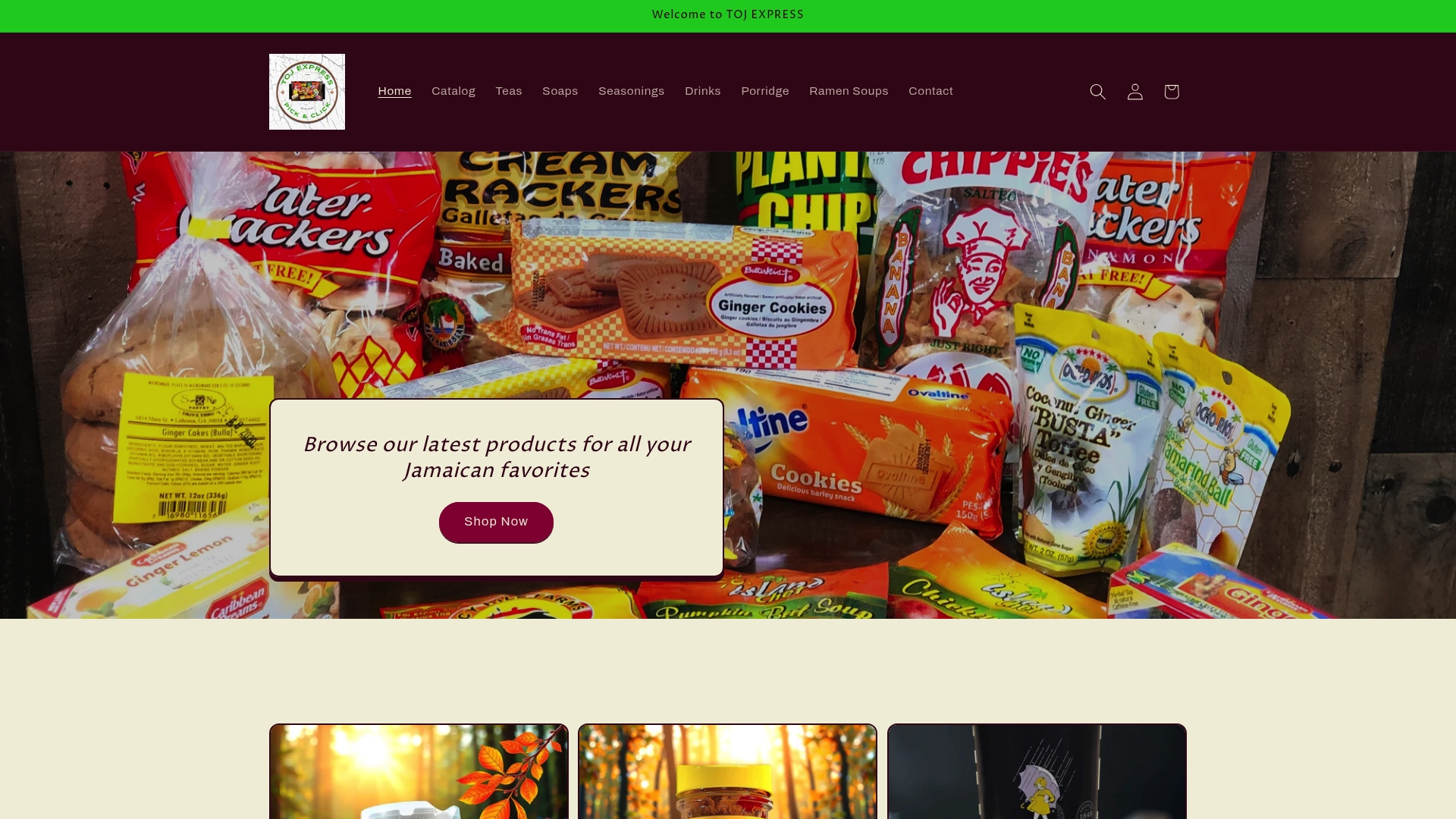
Whether you are sourcing dried hibiscus for sorrel, tracking down the right spices for Mauby, or stocking up on Caribbean pantry staples for a party spread, the Caribbean grocery selection at Tojexpress covers the essentials. You can also browse Caribbean snacks and accompaniments to round out your hosting spread. Authentic ingredients make a real difference in the final result, and Tojexpress makes them easy to find without hunting across multiple specialty stores.
FAQ
What is Mauby made from?
Mauby is made from Colubrina elliptica bark, sugar, and spices, then fermented for 1–7 days to produce a bittersweet, lightly carbonated drink with probiotic properties.
What is the national drink of Puerto Rico?
The Piña Colada is Puerto Rico’s official national drink, a status it has held since 1978, made with rum, cream of coconut, and pineapple juice.
Is Caribbean ginger beer alcoholic?
Traditional Caribbean ginger beer is non-alcoholic, brewed from fresh ginger root, sugar, and water, though it is commonly used as a mixer in rum-based cocktails.
What makes Mamajuana different from other Caribbean drinks?
Mamajuana is a steeped elixir of rum, red wine, honey, herbs, and bark from the Dominican Republic, regarded as both a social drink and a traditional wellness remedy.
What are good non-alcoholic Caribbean beverages for parties?
Sorrel, Morir Soñando, chinola juice, ginger beer, and Ting soda are all popular non-alcoholic options that work well for parties and pair naturally with Caribbean food.