

What makes Caribbean drinks unique? Culture, flavor, craft
TOJEXPRESS.COM-Antonio HenryCaribbean drinks get a bad reputation as simple, sweet rum cocktails with a tiny umbrella. That picture misses almost everything. The real story behind a glass of Rum Punch or a Queen’s Park Swizzle runs through centuries of sugarcane fields, African fermentation knowledge, European distillation science, and Indigenous fruit traditions. Each island has its own signature style, its own preferred rum, and its own way of mixing. If you live in Atlanta or the surrounding suburbs and you want to genuinely explore Caribbean beverage culture, this guide walks you through the roots, the fruits, the cultural layers, the craft techniques, and how to bring it all home.
Table of Contents
- The roots: Rum bases and their flavor impact
- Tropical fruits: Bright flavors that define the islands
- Cultural fusion: Global influences in every sip
- Signature crafts: Techniques like swizzling and island-specific flair
- Caribbean drinks at home: Sourcing and simple recipes in Atlanta
- Why the magic of Caribbean drinks is bigger than the glass
- Explore authentic Caribbean flavors today
- Frequently asked questions
Key Takeaways
| Point | Details |
|---|---|
| Rum variety matters | Different sugarcane bases and aging methods create the distinct tastes found in Caribbean drinks. |
| Fruit brings freshness | Tropical fruits like pineapple and guava are essential to the vibrant flavors of true Caribbean cocktails. |
| Cultural fusion shapes every drink | Centuries of African, European, Indigenous, and Asian traditions intertwine for world-unique beverage profiles. |
| Craft techniques set them apart | Mixology skills such as swizzling and using quality ingredients elevate island drinks beyond stereotypes. |
The roots: Rum bases and their flavor impact
Let’s start at the source: what actually makes Caribbean drinks stand apart?
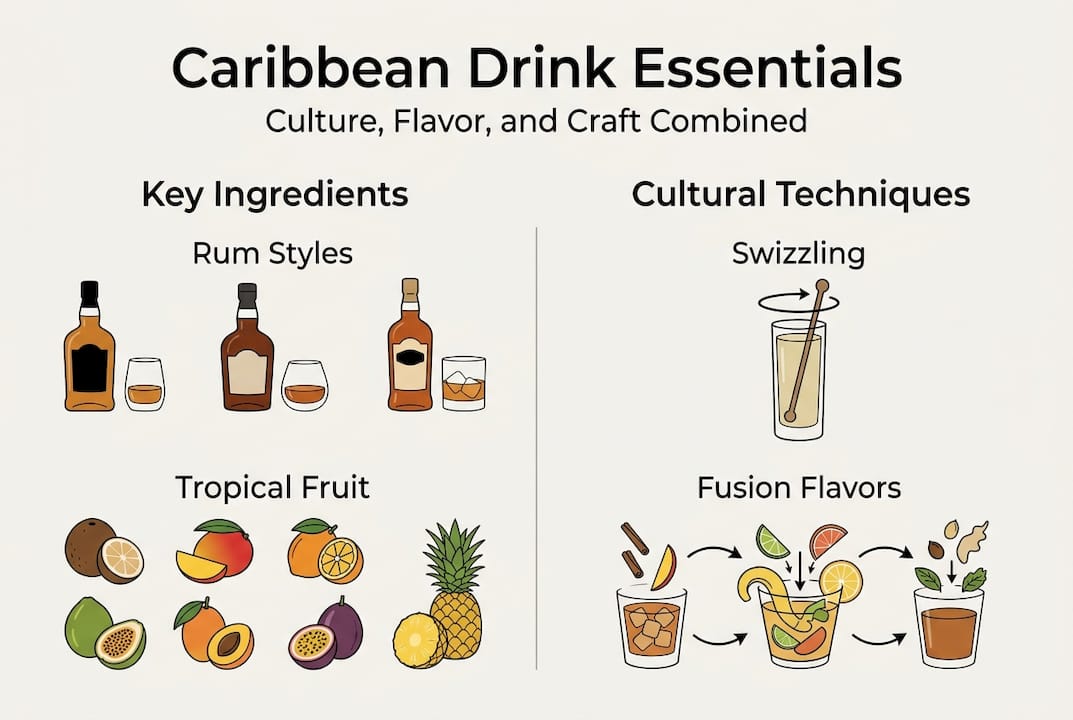
Rum is the backbone of Caribbean beverages, but not all rum tastes the same. There are two major styles, and the difference between them is dramatic. Molasses rum, made from the thick byproduct left after refining sugarcane sugar, is produced in Jamaica and Barbados. It delivers rich, warm notes of caramel, vanilla, and dried fruit. Rhum agricole, produced mainly in Martinique, is made from fresh sugarcane juice pressed the same day. The result is a spirit with grassy, vegetal, almost earthy notes that taste nothing like the molasses version.
Caribbean drinks are unique due to their rum base, whether from sugarcane byproducts or fresh juice, yielding distinct flavor profiles like grassy vegetal notes in rhum agricole versus caramel-rich molasses rums. That difference alone explains why a Martinique Ti’ Punch tastes so different from a Jamaican Rum Punch, even though both are “rum cocktails.”
Rhum agricole’s terroir sensitivity requires fresh processing, which limits production but enhances its uniqueness. Terroir, borrowed from wine language, simply means the environment where the sugarcane grows affects the final flavor. Soil, rainfall, and altitude all leave a trace in the glass.
Rum’s history in the region stretches back to the 1650s in Barbados, where plantation workers first discovered that fermented molasses could be distilled into something potent and flavorful. That origin story is inseparable from the brutal history of the sugar trade, which is part of why these drinks carry so much cultural weight today.
| Rum style | Base ingredient | Flavor profile | Key islands |
|---|---|---|---|
| Molasses rum | Sugarcane byproduct | Caramel, vanilla, dried fruit | Jamaica, Barbados |
| Rhum agricole | Fresh sugarcane juice | Grassy, vegetal, earthy | Martinique, Guadeloupe |
Pro Tip: Look for Jamaican or Martinique rums at specialty Atlanta stores. Picking up one of each lets you taste the difference side by side before mixing anything.
For more on how Caribbean products boost flavor in everyday cooking and drinking, and to understand the broader Caribbean cuisine influences behind these traditions, those are great places to dig deeper.
Tropical fruits: Bright flavors that define the islands
While rum forms the base, tropical fruits are the heart of Caribbean drinks.
Pineapple, mango, guava, coconut, and passionfruit are not just garnishes. They are structural flavor components. Tropical fruits like pineapple, mango, passionfruit, guava, and coconut provide bright, fresh flavors integral to drinks like the Piña Colada, Painkiller, and Rum Punch. Each fruit brings a different acid level, sweetness, and texture that shapes the entire drinking experience.
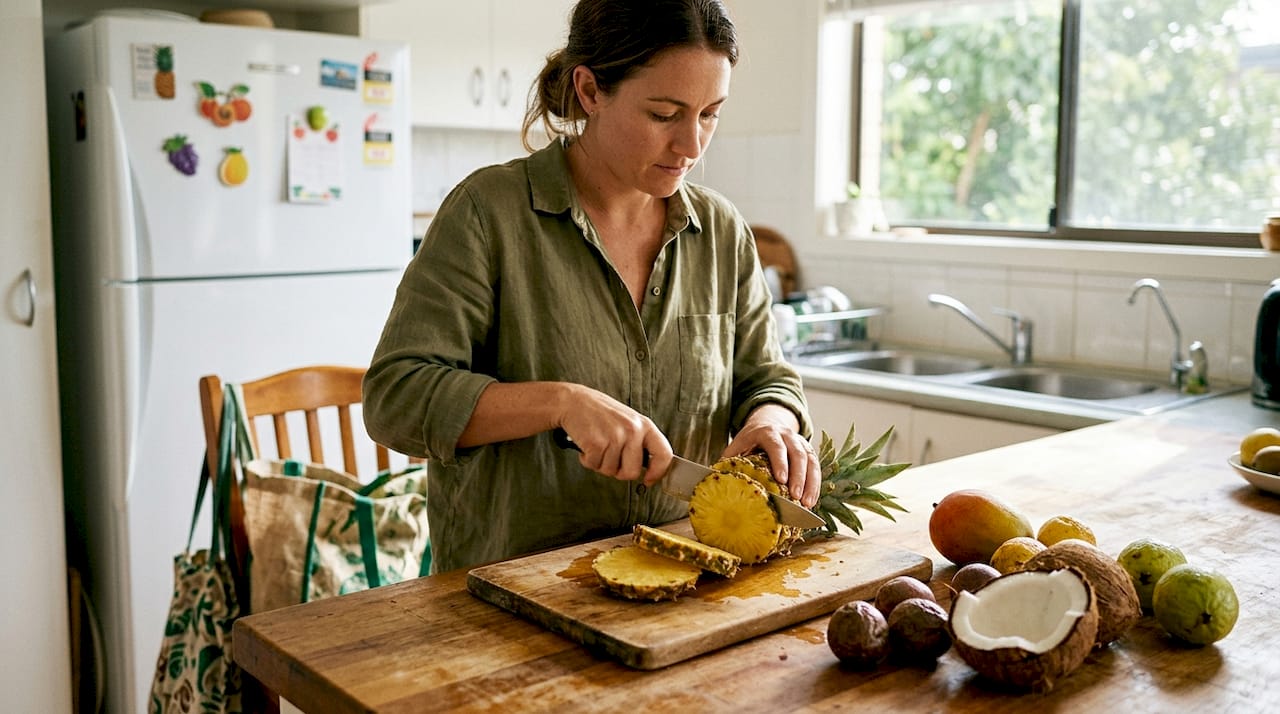
Here is a quick look at how specific fruits show up in signature drinks:
| Fruit | Signature drink | Flavor contribution |
|---|---|---|
| Pineapple | Piña Colada | Tart, tropical sweetness |
| Coconut | Painkiller | Creamy, rich base |
| Guava | Guavaberry Colada | Floral, slightly tart |
| Mango | Mango Rum Punch | Thick, sweet, tropical |
| Passionfruit | Various punches | Bright, acidic punch |
What separates Caribbean fruit drinks from imitations made elsewhere is freshness and proximity. In the islands, these fruits are often picked and pressed the same day. That level of freshness is hard to replicate with canned or frozen alternatives, which tend to taste flat and overly sweet.
Key fruits commonly used in Caribbean beverages:
- Pineapple: Adds tartness and tropical brightness
- Coconut: Provides creamy texture and natural sweetness
- Guava: Delivers floral, slightly musky depth
- Mango: Brings thick body and tropical sweetness
- Passionfruit: Cuts through sweetness with sharp acidity
Pro Tip: When mixing at home, use fresh tropical fruits instead of canned. Even a fresh pineapple from your local market makes a noticeable difference in flavor and aroma.
For inspiration on how fruits show up in broader Caribbean holiday foods traditions, or to follow a Caribbean seasonal products guide for knowing what to buy when, those resources can help Atlanta shoppers plan ahead. You can also explore local Caribbean foods in Atlanta to find what is already available near you.
Cultural fusion: Global influences in every sip
But the story of Caribbean drinks is also one of cultural blending.
No Caribbean beverage exists in isolation. Every glass carries the fingerprints of multiple civilizations. Cultural fusion from African, European, Indigenous, and Asian influences creates diverse profiles, a clear example being Angostura bitters in the Queen’s Park Swizzle, a recipe that blends European distillation knowledge with local ingredients.
Here is how each cultural layer contributed:
- African traditions: Enslaved Africans brought fermentation knowledge that shaped early rum production and fruit-based beverages.
- European influence: Colonial powers introduced distillation technology and botanical bitters like Angostura, originally developed in Trinidad.
- Indigenous knowledge: Native Caribbean peoples contributed local fruits, spices, and preparation methods that became staples in island recipes.
- Asian contributions: Indentured laborers from India and China brought spice traditions and flavor combinations that quietly influenced island cooking and drinks.
“Every Caribbean drink is a living archive. The layers of flavor you taste in a well-made Rum Punch or Swizzle are not accidental. They are the result of centuries of people from different cultures being forced together, adapting, and ultimately creating something entirely new.”
This layered history is why Caribbean drinks feel so different from cocktails developed in a single cultural context. They were not invented in a bar. They evolved across generations.
To understand how Caribbean culture shapes drinks today, or to see why Caribbean products are trending in American markets, those articles connect the historical dots to what you can find on shelves right now. If you are curious about non-alcoholic options, the Caribbean soda guide covers the soft drink side of this same tradition.
Signature crafts: Techniques like swizzling and island-specific flair
Of course, technique is the secret ingredient that truly brings Caribbean drinks to life.
Ingredients matter, but how you handle them changes everything. The swizzle is one of the Caribbean’s most distinctive mixing methods. A swizzle stick, traditionally cut from the Quararibea turbinata tree, is placed between the palms and spun rapidly in a glass packed with crushed ice. The swizzling technique using crushed ice chills rapidly, creates froth and layered flavors, as seen in the Queen’s Park Swizzle and Bermuda Rum Swizzle.
The result is not just a cold drink. The rapid spinning creates a frothy top layer, distributes flavors evenly, and produces a texture that stirring or shaking cannot replicate. It is a sensory experience before you even take a sip.
Island-specific variations highlight nuances across the region: Jamaican overproof rum brings a funky, bold intensity; Martinique agricole adds grassy complexity; Barbados rum contributes elegant dryness. The same basic recipe made with each of these rums produces three noticeably different drinks.
Key techniques and styles worth knowing:
- Swizzling: Rapid hand-spinning in crushed ice for froth and chill
- Layering: Pouring ingredients in density order for visual and flavor separation
- Muddling: Pressing fresh herbs and fruit to release oils before mixing
- Float technique: Adding overproof rum on top for aroma and a flavor punch
Pro Tip: You can swizzle at home with a long bar spoon or a hand-carved stick. Fill a tall glass with crushed ice, add your ingredients, and spin the spoon between your palms for 20 to 30 seconds. Finish with fresh mint on top.
For more ideas on pairing these drinks with food, the guide on Caribbean snacks and authentic flavor is a practical companion.
Caribbean drinks at home: Sourcing and simple recipes in Atlanta
So how can you bring this vibrant tradition into your own kitchen or next gathering?
Atlanta has a growing Caribbean community, and that means authentic ingredients are more accessible than most people realize. For Atlanta consumers, sourcing rums like Jamaican Appleton or Martinique agricole via specialty stores, combined with swizzling at home, delivers an authentic experience without a plane ticket.
Here is a simple starter plan:
- Pick your rum: Start with a Jamaican molasses rum for bold flavor or a Martinique agricole for something lighter and grassy.
- Gather fresh fruit: Pineapple, mango, and lime are the easiest to find and the most versatile.
- Stock your bitters: Angostura bitters are widely available and add depth to almost any Caribbean cocktail.
- Grab crushed ice: This is not optional. Crushed ice changes the texture and chill rate of the drink.
- Start simple: A basic Rum Punch is just rum, fruit juice, simple syrup, and bitters over crushed ice.
Easy recipes to try at home:
- Simple Rum Punch: 2 oz rum, 2 oz pineapple juice, 1 oz lime juice, a dash of Angostura bitters, crushed ice
- Piña Colada: 2 oz white rum, 2 oz coconut cream, 3 oz fresh pineapple juice, blended with ice
- Guavaberry Colada: 2 oz guavaberry rum, 2 oz coconut milk, 2 oz guava juice, shaken over ice
For a full guide to shopping Caribbean groceries in Atlanta, or to learn how to select Caribbean spices for cocktails, those resources make the sourcing process much easier.
Why the magic of Caribbean drinks is bigger than the glass
Let’s step back and consider: why does this uniqueness matter today, especially outside the Caribbean?
Most articles about Caribbean drinks focus on recipes and ingredients. That is useful, but it misses the bigger point. These beverages are time capsules. Every glass of a well-made Rum Punch or Ti’ Punch carries the memory of the sugarcane fields, the people who worked them, the cultures that collided, and the creativity that emerged from those collisions.
What gets lost in tourist-facing cocktail menus is the real nuance between a drink made for a resort pool bar and one crafted by someone whose grandmother taught them the recipe. Those are not the same drink, even if they share the same name.
For Atlanta residents, this matters because Caribbean culture is not a distant abstraction. It is present in local stores, restaurants, and communities right here. When you take the time to understand what you are drinking, you are also honoring the people and traditions behind it. That shift from casual consumer to curious appreciator changes the entire experience. The drink tastes better when you know its story.
Explore authentic Caribbean flavors today
Ready to take your Caribbean drink adventure further?
At TOJ Express, we stock a wide range of authentic Caribbean ingredients, from specialty rums and tropical fruit juices to bitters, spices, and everything you need to build a proper home bar with island character. Whether you are mixing your first Rum Punch or experimenting with a swizzle technique, having the right ingredients makes all the difference.

Visit TOJ Express to browse our full selection of Caribbean and American products. We also publish guides and recipes regularly, so you always have a next step when you are ready to explore something new. Atlanta’s Caribbean flavor scene is richer than most people know, and we are here to help you find it.
Frequently asked questions
What makes Caribbean rum different from other rums?
Caribbean rum uses either fresh sugarcane juice or molasses as its base, producing distinct flavors. Rum from sugarcane byproducts or fresh juice yields grassy vegetal notes in rhum agricole and richer caramel tones in molasses-based versions.
Which fruits are most common in Caribbean cocktails?
Pineapple, coconut, mango, guava, and passionfruit are the most common. Tropical fruits like pineapple, mango, guava, and coconut provide the bright, fresh flavors that define drinks like the Piña Colada and Rum Punch.
What is a swizzle and how is it used?
A swizzle is a mixing technique that uses a stick and crushed ice to rapidly chill and aerate a drink. The swizzling technique creates froth and layered flavors in cocktails like the Queen’s Park Swizzle.
Can I make authentic Caribbean drinks in Atlanta?
Yes. Sourcing rums like Jamaican Appleton or Martinique agricole from specialty stores, combined with fresh tropical fruits, gives you everything needed to mix authentic drinks at home.
How did history shape Caribbean beverage traditions?
The colonial sugar trade and the labor of enslaved people drove rum’s invention and cultural significance. Historical colonial context tied to sugar trade and enslaved labor blended African fermentation knowledge with European distillation techniques to create what we drink today.