
How to Try New American Treats: A Food Lover's Guide
TOJEXPRESS.COM-Antonio HenryTL;DR:
- American treats include iconic snacks, candies, and regional desserts that reflect the country’s cultural diversity. Exploring authentic items from local, regional, and national sources enhances understanding and tasting experience. Recognizing regional origins and pairing treats properly enriches the connection with America’s food history.
American treats are defined as the broad category of snacks, candies, and regional desserts that shape everyday eating culture across the United States. Knowing how to try new American treats means more than grabbing a bag off a shelf. It means understanding what makes each item iconic, where to find authentic versions, and how to taste them in a way that actually makes sense. 90% of Americans snack daily, consuming one to three snacks every day. That habit reflects a food culture built on convenience, flavor variety, and deep regional identity. This guide gives you a practical path through all of it.
How to try new American treats: start with the classics
The best starting point for exploring American snacks is the nationally loved lineup that every food enthusiast should know. These are the treats that appear in gas stations, grocery stores, and corner shops from Maine to California. They are the baseline for understanding American snack culture.
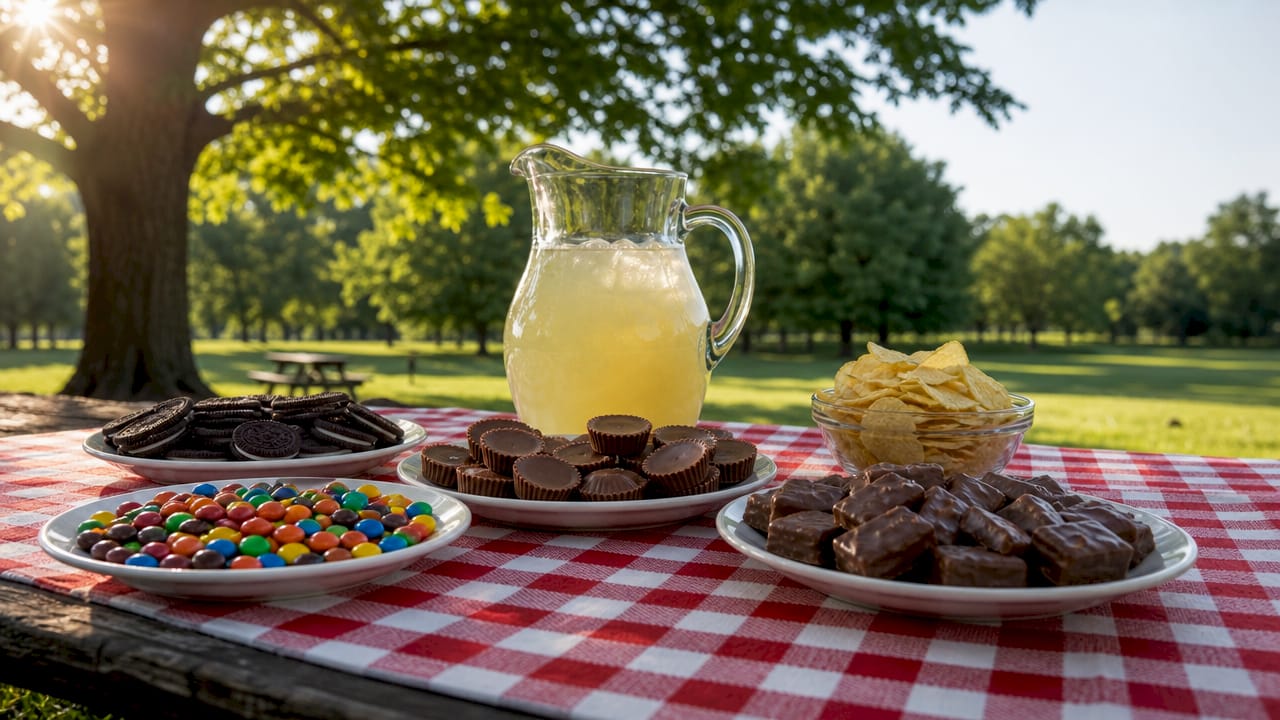
M&M’s rank as the number one snack brand according to a 2025 YouGov poll. That result reflects decades of consistent flavor, color variety, and cultural presence. Reese’s Peanut Butter Cups, Oreos, and Ritz Crackers round out the top tier. Each one represents a distinct snack category: candy, cookie, and cracker. Starting with these gives you a flavor reference point before you branch into regional or specialty items.
Beyond candy and cookies, American snack culture includes chips, baked goods, and convenience foods that are just as iconic. Lay’s potato chips, Cheetos, and Twinkies all carry cultural weight that goes beyond their ingredients. Trying them in their original form, before exploring flavored variations, gives you the clearest picture of what made them popular.
| Snack type | Iconic examples | What makes them American |
|---|---|---|
| Candy | Reese’s, M&M’s, Snickers | Mass production, bold flavor combinations |
| Cookies | Oreos, Chips Ahoy | Shelf-stable, widely distributed |
| Chips | Lay’s, Cheetos, Doritos | Flavor variety, snack-size packaging |
| Baked goods | Twinkies, Little Debbie cakes | Long shelf life, affordable price point |
| Regional desserts | Boston Cream Pie, Pecan Pie, NY Cheesecake | Local ingredients, cultural heritage |
Regional desserts deserve their own category. Each U.S. state has a unique iconic dessert rooted in local ingredients and history. Boston Cream Pie from Massachusetts, New York Cheesecake, and Pecan Pie from Oklahoma are not just recipes. They are culinary markers of place and identity. Tasting them is a direct way to connect with American food culture at its most specific.
Where to find authentic American snacks near you
Sourcing genuine American treats is easier than most food enthusiasts expect. The key is knowing which retail channels carry the real thing, including regional exclusives that never make it to national chains.
Gas stations and convenience stores are central to the American snacking experience. That fact surprises many first-time explorers. These outlets stock regionally unique items that supermarkets skip entirely. A roadside stop in the South might carry boiled peanuts or Moon Pies. A Midwest gas station might stock Fannie May chocolates or local jerky brands. The variety is real and worth seeking out.
Here are the best outlets for finding authentic American treats:
- National supermarket chains (Walmart, Kroger, Publix): wide selection of mainstream snacks and seasonal items
- Convenience stores and gas stations: regional exclusives and impulse buy classics
- Specialty food stores: imported and artisan American snack brands
- Online retailers: access to regional treats regardless of your location
- Ethnic and immigrant food markets: American snack variations shaped by cultural crossover
- Tojexpress: curated American and Caribbean products available in one place, including hard-to-find snacks
Recognizing authentic packaging matters when you shop online or at specialty stores. Look for USDA labeling, U.S. manufacturer addresses, and familiar brand logos. Counterfeit or expired imports do exist in some markets. Buying from a trusted source like Tojexpress removes that guesswork entirely.
Pro Tip: Visit local ethnic and immigrant food markets when you want to find American snack variations you won’t see anywhere else. These stores often stock regional American brands alongside international products, creating a genuinely unique selection.
How to taste American treats effectively
Tasting new American snacks well is a skill. It involves preparation, pacing, and an awareness of portion size that most first-timers underestimate.
American dining portions are supersized by global standards. Sharing or taking leftovers is not just acceptable. It is the norm. When you plan to sample multiple treats in one session, split portions with a friend or save half for later. Eating a full bag of chips before you reach the candy aisle defeats the purpose of a tasting session.
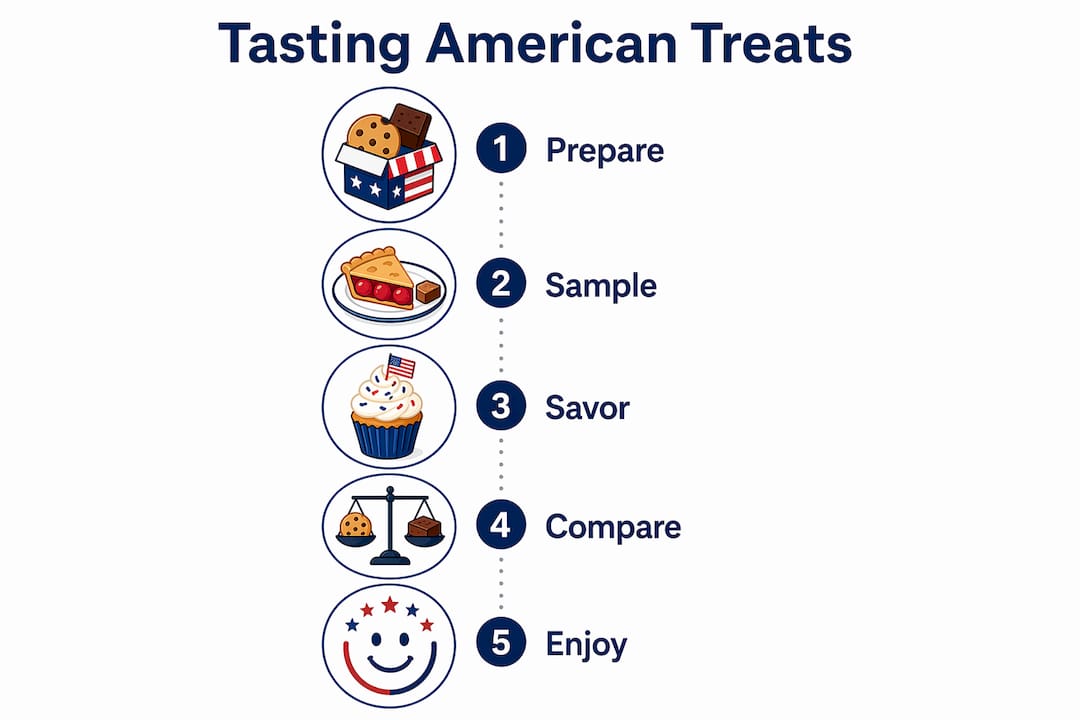
Follow these steps to get the most from each tasting:
- Clear your palate first. Drink water and avoid strong flavors for 30 minutes before sampling.
- Start with the mildest flavor. Move from plain or lightly salted snacks toward bold or sweet ones.
- Take a small portion. One or two bites is enough to register flavor, texture, and aftertaste.
- Pair with a neutral drink. Water or unsweetened iced tea lets the treat’s flavor come through cleanly.
- Note regional serving styles. Apple pie with cheddar cheese is a Vermont tradition. Ignoring local pairings means missing half the experience.
- Wait before the next sample. Give your palate two to three minutes to reset between treats.
Regional serving styles add authenticity to the tasting experience. A New York Cheesecake tastes different with fresh strawberries than it does plain. A Pecan Pie paired with pecan pie flavored coffee creates a flavor combination that reflects how Americans actually eat these desserts. Chasing the “original” version matters less than embracing how a region actually serves it.
Pro Tip: Build a tasting flight of three to five treats at once. Arrange them from savory to sweet, sample each one twice, and write a one-sentence note after each. This method builds your flavor memory faster than casual snacking.
How do American treats reflect cultural history?
American desserts and snacks are not random. They are the direct result of immigrant adaptation, regional agriculture, and historical necessity. Understanding that context makes every bite more interesting.
American desserts evolved from immigrant cooks adapting recipes during different historical periods. Italian immigrants brought cannoli and biscotti influences. German settlers shaped Midwestern baking traditions. Jewish delis gave New York its cheesecake culture. The result is a food identity built on fusion rather than a single culinary tradition. American food culture is one of diverse culinary fusion, not a singular cuisine.
Snack popularity also ties directly into American work culture. Snacks serve as quick energy boosts during long workdays, which explains why shelf-stable, portable items dominate the market. Chips, candy bars, and packaged cookies are not just convenient. They were designed around a lifestyle that values speed and practicality.
| Dessert | State | Cultural note |
|---|---|---|
| Boston Cream Pie | Massachusetts | Created at the Parker House Hotel in 1856 |
| New York Cheesecake | New York | Shaped by Jewish deli culture and cream cheese production |
| Pecan Pie | Oklahoma | Tied to native pecan tree cultivation in the South |
| Key Lime Pie | Florida | Built around locally grown Key limes |
| Beignets | Louisiana | French Creole heritage, popularized by Café Du Monde |
Regional desserts carry the most concentrated cultural information of any American food category. A slice of Key Lime Pie in Florida tells you about the state’s citrus agriculture and its Gulf Coast identity. A beignet in New Orleans connects you directly to French Creole history. Tasting these treats with that context in mind turns a snack into a story.
Key Takeaways
Trying new American treats successfully requires knowing what to look for, where to find it, and how to taste it with intention rather than impulse.
| Point | Details |
|---|---|
| Start with national classics | M&M’s, Oreos, and Reese’s give you a flavor baseline before exploring regional items. |
| Shop beyond supermarkets | Gas stations, convenience stores, and specialty shops carry regional exclusives worth finding. |
| Control your portions | Split large servings to sample more treats without hitting a wall early in your tasting session. |
| Learn regional context | Each state’s iconic dessert reflects local ingredients, immigration history, and food culture. |
| Embrace local serving styles | Pairing treats the way locals eat them, like apple pie with cheddar, delivers the full experience. |
What I’ve learned from years of tasting American treats
The most common mistake food enthusiasts make is treating American snacks as a monolith. They grab a bag of Doritos, decide they understand American snacking, and stop there. That approach misses the most interesting 80% of what this food culture offers.
The regional stuff is where the real discoveries live. I’ve had a Moon Pie in Tennessee that tasted nothing like the version sold in a northern grocery store. I’ve eaten a Pecan Pie in Oklahoma that made every other version feel like a rough draft. Those experiences only happen when you get specific about sourcing and stay curious about context.
Portion size is the practical issue nobody warns you about. American snacks are sized for a culture that eats on the go and often skips full meals. If you sit down with a full-size bag of anything and try to finish it before moving to the next treat, your tasting session ends fast. Split everything. Bring a friend. Store the rest.
The cultural connection is the part that keeps me coming back. Every iconic American treat carries a story about immigration, agriculture, or regional identity. Once you start reading those stories through the food, a bag of chips or a slice of pie becomes genuinely interesting. That shift in perspective is what separates a casual snacker from a real food enthusiast. Tojexpress makes it easier to find the American snacks worth exploring without hunting across a dozen different stores.
— ANTONIO
Tojexpress: your source for authentic American treats
Tojexpress is a convenience store specializing in American and Caribbean products, with a curated selection that covers everything from nationally loved candy brands to regional snack finds.
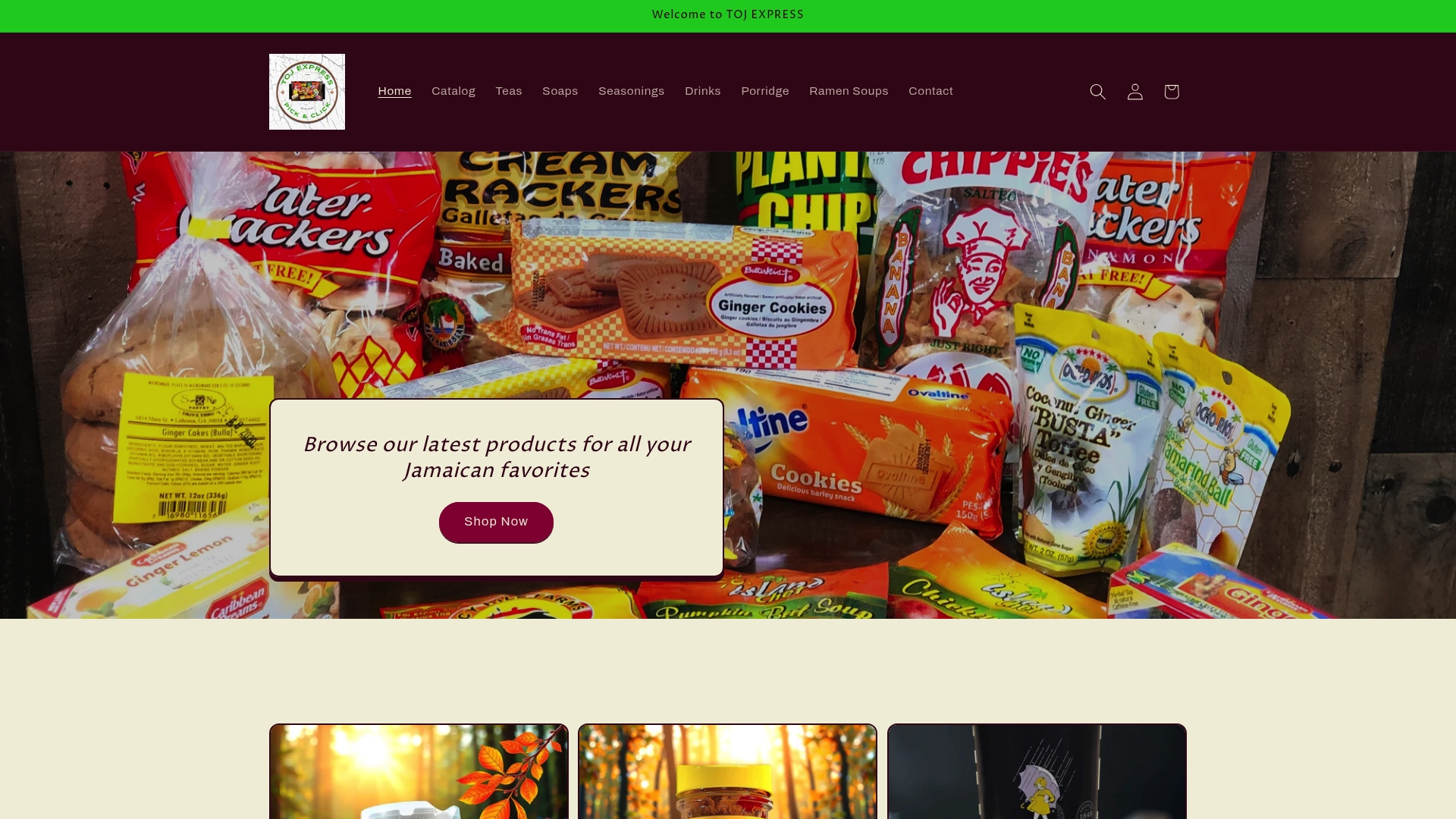
Food enthusiasts who want to taste American treats without the sourcing hassle will find Tojexpress worth bookmarking. The store carries a wide range of popular American snacks alongside Caribbean products, making it a genuine one-stop shop for adventurous eaters. Seasonal specialties and new arrivals keep the selection fresh throughout the year. Whether you’re building a tasting flight or stocking up on favorites, the full product selection at Tojexpress is a practical starting point. You can also check the snack shopping guide for Atlanta for location-specific sourcing tips.
FAQ
What counts as an American treat?
American treats include nationally distributed snacks like M&M’s and Oreos, regional desserts like Boston Cream Pie and Pecan Pie, and convenience foods like chips and baked goods. The category covers anything rooted in U.S. snack culture and food history.
Where is the best place to buy authentic American snacks?
Gas stations, convenience stores, and specialty retailers like Tojexpress carry the most authentic range, including regional items that national supermarket chains often skip.
How do I avoid overeating when sampling new American treats?
Split portions before you start tasting, and limit each sample to one or two bites. American serving sizes are supersized by design, so planning ahead prevents early fullness when you want to try multiple items.
What are the most popular American candies to try first?
M&M’s, Reese’s Peanut Butter Cups, and Snickers are the strongest starting points. M&M’s ranked number one in a 2025 popularity poll, making them the most recognized American candy brand globally.
Why do American desserts vary so much by region?
American desserts evolved through immigrant adaptation and local ingredient availability. Each state developed its own iconic sweet based on what grew nearby and who settled there, which is why Key Lime Pie belongs to Florida and Pecan Pie belongs to the South.