

Discover the Benefits of Trying New Foods in Atlanta
TOJEXPRESS.COM-Antonio HenryTL;DR:
- Trying new foods enhances nutrition, gut health, and heart health in Atlanta.
- Exploring diverse cuisines fosters cultural understanding and culinary curiosity.
- Practicing gradual taste exposure helps overcome food neophobia and expands palates.
Most people in Atlanta have a go-to rotation of meals they trust. Familiar flavors feel safe, comforting, and easy. But staying inside that comfort zone quietly limits your nutrition, your health, and your connection to the city’s most exciting food scene. Dietary variety ensures nutritional adequacy by delivering the full range of vitamins, minerals, and nutrients your body needs. Atlanta sits at the crossroads of American soul food and Caribbean culinary tradition, making it one of the best cities in the country to push your palate. This guide shows you exactly what you gain when you say yes to something new.
Table of Contents
- The science-backed benefits of trying new foods
- How trying new foods supports cultural connection and culinary curiosity
- Overcoming neophobia: Practical strategies for broadening your palate
- Applying food exploration in your Atlanta culinary adventures
- What most food enthusiasts miss about culinary exploration
- Ready to expand your palate? Discover more with TOJ EXPRESS
- Frequently asked questions
Key Takeaways
| Point | Details |
|---|---|
| Boost your health | Trying new foods increases essential nutrients, better digestion, and can lower disease risk. |
| Connect with culture | Food exploration strengthens bonds to diverse traditions and communities in Atlanta. |
| Overcome hesitation easily | Step-by-step strategies make trying new foods exciting and doable, even for the hesitant eater. |
| Atlanta is your playground | Local restaurants and stores make food adventures easy, offering endless chances to expand your palate. |
The science-backed benefits of trying new foods
When you rotate different foods into your meals, your body responds in ways that go far beyond basic nutrition. Every new grain, spice, herb, or fruit brings a different micronutrient profile to your plate. Over time, that variety stacks up in ways a repetitive diet simply cannot replicate.
Your gut is where much of the real action happens. Gut microbiome diversity grows when you feed it different fibers and prebiotics from a range of food sources. A more diverse gut community means better digestion, a stronger immune response, and even improved mood. Eating the same five foods every week starves your gut of the variety it needs to thrive.
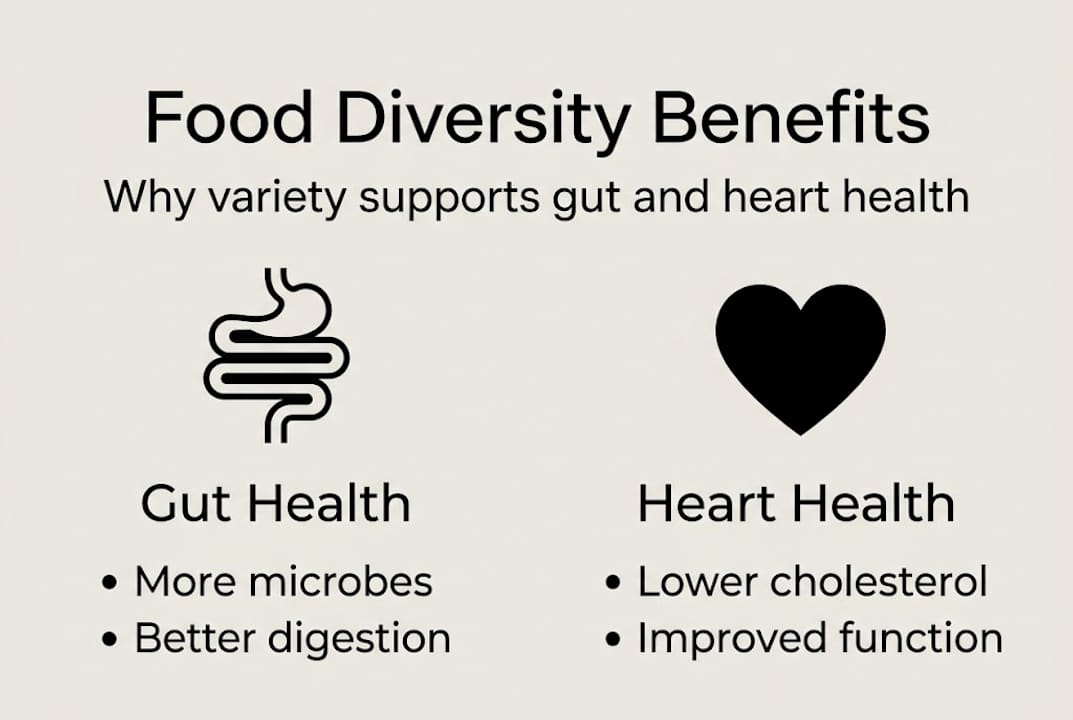
The heart health angle is even more striking. Flavonoid-rich dietary diversity lowers cholesterol, improves heart function, and reduces all-cause mortality by 6 to 20 percent. That is a meaningful reduction just from broadening what you eat. Think of it as a low-effort health intervention that also happens to taste great.
Here is a quick reference showing how food variety connects to specific health outcomes:
| Health outcome | What diversity does |
|---|---|
| Gut health | Feeds diverse microbiome bacteria |
| Heart health | Lowers cholesterol and blood pressure |
| Immune function | Supports immune cell regulation |
| Longevity | Reduces all-cause mortality by up to 20% |
| Mood and energy | Stabilizes blood sugar and brain chemistry |
For Atlanta food lovers, healthy Caribbean food tips are a great starting point, since Caribbean cuisine naturally layers flavors from plantains, legumes, leafy greens, and tropical fruits into single dishes. That built-in variety is one reason Caribbean diets have drawn interest from nutrition researchers for years.
- Try one new vegetable per week
- Swap white rice for a whole grain like farro or brown rice occasionally
- Add a new herb or spice to a familiar recipe
- Rotate protein sources across the week
Pro Tip: You do not need a complete dietary overhaul to see real gains. Swapping just two or three foods in your weekly routine can noticeably shift your nutritional intake within a month.
How trying new foods supports cultural connection and culinary curiosity
Health benefits alone are a strong reason to explore new flavors. But the cultural payoff is just as rich, especially in a city like Atlanta where food tells a living story about community, migration, and creativity.
When you sit down to an unfamiliar dish, you are engaging with someone else’s history. Caribbean and African diaspora cuisines carry centuries of resourcefulness, joy, and tradition in every recipe. Eating that food with genuine curiosity builds a kind of cultural empathy that no documentary or textbook can fully replicate. It humanizes communities you might not otherwise connect with.
“Atlanta is one of the few American cities where soul food, Caribbean flavors, and African culinary traditions meet on the same block. That kind of cross-cultural fusion is reshaping what American food actually means.” — BBC Travel
Atlanta’s soul food scene is a perfect example of how food breaks its own stereotypes. Soul food fused with Caribbean and African flavors shows up at places like Twisted Soul and Virgil’s Gullah Kitchen, where chefs are rewriting what Southern cooking can be. These aren’t museums preserving old recipes; they are creative kitchens pushing boundaries.
Exploring Caribbean fusion cuisine in Atlanta is one of the easiest ways to see this in action. The city’s culinary diversity runs deep, and Atlanta’s culinary diversity continues to grow as more chefs blend traditions across cuisines.
Here is how to start connecting with new food traditions in a way that feels natural:
- Attend a local food festival or pop-up market featuring Caribbean or Southern cuisine
- Cook a traditional dish from a cuisine you have never tried at home
- Visit a specialty market and ask the staff what ingredients they recommend for beginners
- Follow food creators in Atlanta who showcase diverse cooking traditions
- Order something unfamiliar from a menu once a month and commit to the experience
Culinary curiosity also fights one of the most underappreciated food problems: boredom. When your meals feel exciting and purposeful, you are far less likely to fall back on ultra-processed convenience foods. That alone is a meaningful health win.
Overcoming neophobia: Practical strategies for broadening your palate
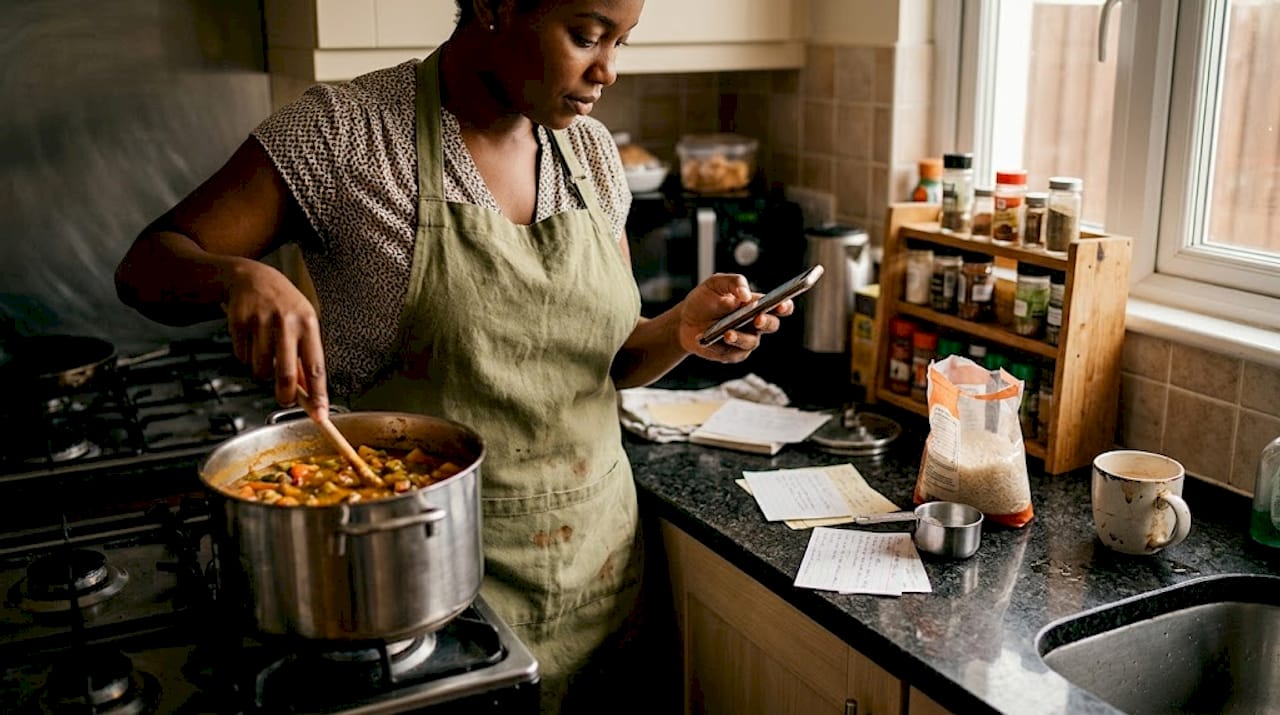
Food neophobia, the fear of trying new foods, is more common than most people admit. It is not a character flaw. It is a built-in psychological response that once protected early humans from eating something dangerous. In 2026, though, it mostly just keeps you from experiencing jerk chicken or a perfect bowl of pepper pot soup.
The good news is that taste preferences are not fixed. Taste bud retraining through repeated exposure, somewhere between 5 and 20 tastings, combined with positive associations, reliably shifts how you experience unfamiliar flavors. Your first taste of bitter greens might seem off-putting. Your tenth might feel essential.
Here is a step-by-step plan to work through food hesitation:
- Start with familiar formats. If you love tacos, try a Caribbean-style taco with jerk seasoning before jumping into a fully unfamiliar dish.
- Pair new with known. Serve an unfamiliar vegetable alongside a dish you already love. Context reduces discomfort.
- Repeat exposure without pressure. Taste a new food multiple times across different recipes before deciding if you like it.
- Cook it yourself. Preparing a dish removes the mystery and gives you control over the ingredients.
- Celebrate small wins. Tried plantains for the first time? That counts. Build on it.
Caribbean cuisine’s growing role in Atlanta’s food scene makes it a natural testing ground for expanding your palate. The cuisine blends bold spice with familiar proteins and vegetables, making it approachable for hesitant eaters. Caribbean street foods are especially beginner-friendly because portions are small, prices are low, and the flavors are immediately rewarding.
Pro Tip: Commit to one new food every week for a month. By the end of four weeks, you will have four new experiences to draw from, and your confidence at unfamiliar menus will have noticeably grown.
Applying food exploration in your Atlanta culinary adventures
Knowing why to explore new foods is one thing. Knowing where and how to do it in Atlanta is what actually changes your routine. The city offers a genuinely world-class range of options for curious eaters, from neighborhood Caribbean markets to celebrated fusion restaurants.
Caribbean-infused American cuisines build cultural empathy, prevent dietary boredom, and align with evidence-based health recommendations all at once. That combination makes them a practical choice, not just an adventurous one.
Here is a comparison of experience types to help you plan your culinary exploration in Atlanta:
| Experience type | What you get | Best for |
|---|---|---|
| Soul food restaurants | Classic Southern dishes with modern twists | First-time explorers |
| Caribbean markets | Authentic spices, produce, and pantry staples | Home cooks |
| Fusion restaurants | Creative blends of American and Caribbean flavor | Adventurous diners |
| Pop-up food events | Rotating cuisines and seasonal dishes | Variety seekers |
| Specialty convenience stores | Imported and hard-to-find ingredients | Curious cooks |
The advantages of local Caribbean foods extend beyond flavor. Freshness, ingredient quality, and the sheer variety of available produce in Atlanta’s Caribbean markets make home cooking far more rewarding. Learning which Caribbean seasonings to stock at home is a practical first step. Imported Caribbean items available in Atlanta in 2026 are more accessible than ever, making it easier to cook authentic dishes without specialty travel.
- Keep a simple food journal to track new dishes you have tried
- Photograph your meals and share them with friends or a food community
- Set a monthly goal, like trying one new cuisine per month
- Build a pantry of versatile spices so experimenting at home feels easy
- Visit a different Atlanta neighborhood for food once a month
What most food enthusiasts miss about culinary exploration
Here is an assumption worth challenging: that adventurous eating belongs to a certain type of person. The well-traveled. The food-obsessed. The people who already know what tamarind tastes like. That framing keeps a lot of people on the sidelines who would genuinely benefit from branching out.
The truth is that culinary exploration is not a personality trait. It is a habit. And habits are available to everyone.
Another common misconception is that Caribbean and soul food are inherently heavy or unhealthy. Modern fusions address that stereotype directly. Higher dietary diversity is linked to improved cholesterol and cardiovascular outcomes, even if BMI associations are less consistent. Health is not reducible to a single number. The nutrients, cultures, and flavors you expose yourself to shape your relationship with food in ways that calorie counts miss entirely.
Caribbean diaspora foods in Atlanta carry exactly this kind of layered value. They are historically rich, nutritionally interesting, and culturally meaningful. Eating them is not just good for your body. It builds personal identity and connects you to communities shaping this city every day. That is a benefit most nutrition articles never get around to mentioning.
Ready to expand your palate? Discover more with TOJ EXPRESS
You now have a solid foundation for why trying new foods matters and how to make it a real part of your Atlanta culinary life. The next step is finding a reliable source for the authentic ingredients and products that make exploration actually possible.

TOJ EXPRESS is your local convenience store stocked with American and Caribbean products that bring these flavors directly to your kitchen. From imported pantry staples to hard-to-find Caribbean seasonings, we carry what you need to cook with confidence. Shop authentic cultural flavors and discover how much easier culinary adventure becomes when the right ingredients are within reach. We are here to support every step of your food journey in Atlanta.
Frequently asked questions
Is it true that trying new foods really improves health?
Yes. Greater food variety supports gut microbiome health and stronger immunity, while diverse flavonoid intake reduces all-cause mortality by 6 to 20 percent.
How can I get over my reluctance to try unfamiliar foods?
Start small and pair new dishes with foods you already enjoy. Repeated exposure between 5 and 20 tastings, combined with positive associations, reliably shifts your preferences over time.
Where can I find new American and Caribbean foods in Atlanta?
Atlanta restaurants and markets serve American soul food fused with Caribbean and African flavors, and specialty stores carry imported ingredients for cooking at home.
Does variety in diet always mean healthier weight?
Higher dietary diversity is linked to improved cholesterol and heart health, but associations with BMI are mixed. The real benefits extend well beyond weight management.