
Role of Snack Products: Impact on Healthful Convenience
TOJEXPRESS.COM-Antonio HenryRushing between meetings or school pickups in Atlanta neighborhoods like Stone Mountain and Decatur, finding a snack that satisfies both your health goals and your craving for flavor can feel challenging. In a world where snacking is influenced by hunger, habit, and culture, myths about what counts as a ‘healthy snack’ make these choices even tougher. This guide uncovers strategic snacking by revealing how American and Caribbean snack traditions, ingredient quality, and mindful choices help you nourish your day without compromise.
Table of Contents
- Snack Products Defined And Common Misconceptions
- Key Types: American And Caribbean Options
- Characteristics Of Health-Conscious Snack Choices
- How Snack Products Support Busy Lifestyles
- Risks Of Unhealthy Snacking And Better Alternatives
Key Takeaways
| Point | Details |
|---|---|
| Understanding Snack Products | Snack products can range from nutrient-dense options to convenience-focused processed items, and strategic snacking can support metabolic health. |
| Cultural Variation in Snacks | American and Caribbean snacks reflect diverse flavor profiles and consumer preferences, increasingly emphasizing health-conscious options. |
| Health-Conscious Choices | Selecting snacks with high protein, minimal processing, and functional benefits can significantly enhance nutrition and wellness. |
| Risks of Unhealthy Snacking | Poor snack choices can lead to long-term health risks; opting for nutrient-dense alternatives can improve overall wellbeing and cognitive function. |
Snack Products Defined and Common Misconceptions
Snack products represent food items consumed between traditional meal times, offering more complexity than simple dietary additions. Snacking behaviors encompass diverse motivations ranging from genuine hunger to social interaction and emotional consumption.
Typically, snack products fall into several key categories:
- Nutrient-dense options like fruits, nuts, and yogurt
- Convenience-focused processed items like chips and cookies
- Energy-boosting alternatives such as protein bars and smoothies
- Cultural and regional specialty snacks
Contrary to popular belief, snacking isn’t inherently negative. Strategic snacking can actually support metabolic health, manage hunger levels, and provide supplemental nutrition. The critical factor involves selecting high-quality, balanced snack options that contribute meaningful nutrients.
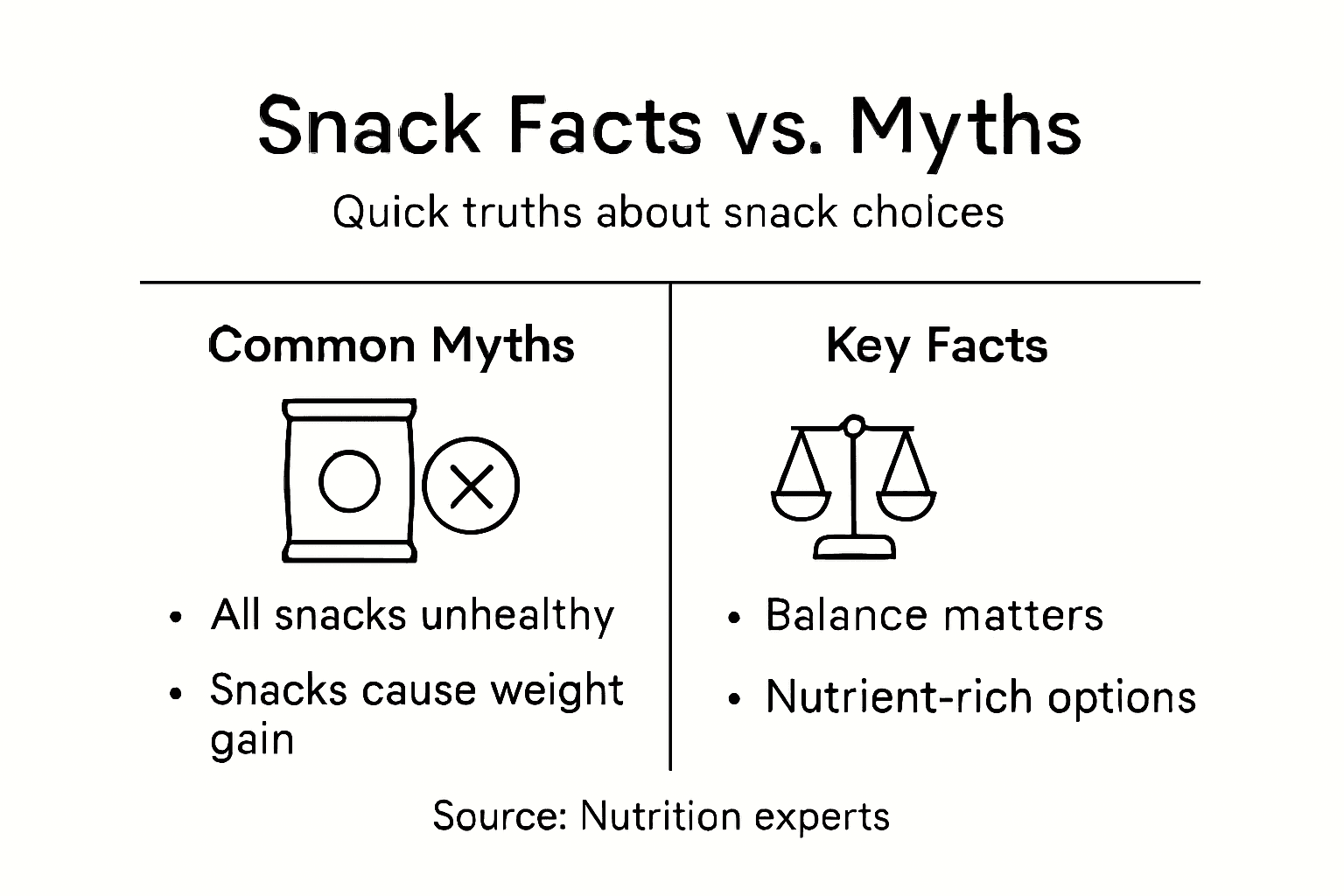
Misconceptions about snack products often stem from oversimplified narratives about nutrition. Some individuals believe all snacks are unhealthy, while others assume any between-meal eating automatically leads to weight gain. Research indicates that snacking’s impact depends on frequency, portion control, and nutritional composition.
Pro tip: Select snacks with balanced macronutrients and minimal processed ingredients to transform your between-meal eating into a nutritional advantage.
Key Types: American and Caribbean Options
American and Caribbean snack products represent a vibrant culinary landscape that reflects rich cultural diversity and regional flavor profiles. Caribbean snack markets have evolved dramatically, with consumers demanding more sophisticated and health-conscious options that balance traditional recipes with modern nutritional expectations.
Caribbean snack varieties showcase remarkable diversity:
-
Traditional Street Foods:
- Jamaican beef patties
- Doubles from Trinidad and Tobago
- Empanadas with regional variations
-
Modern Convenience Snacks:
- Plantain chips
- Seasoned nut mixes
- Gluten-free and low-sugar alternatives
American snack products similarly offer an expansive range of options, from classic potato chips to artisanal protein bars. These products reflect the multicultural culinary landscape, incorporating influences from various global traditions while maintaining distinctly American characteristics. Cultural snack traditions demonstrate how food serves not just nutritional purposes but also represents identity and heritage.
The intersection of American and Caribbean snack cultures reveals fascinating trends in consumer preferences. Market dynamics show a growing emphasis on healthier ingredients, cultural authenticity, and convenient packaging that allows for quick consumption without sacrificing flavor or nutritional value.
Here’s a comparison of American and Caribbean snack product features:
| Aspect | American Snacks | Caribbean Snacks | Combined Trend |
|---|---|---|---|
| Flavor Profile | Varied, often salty or sweet | Bold, spicy, tropical flavors | Fusion flavors emerging |
| Packaging | Highly processed, convenient | Mix of traditional and modern | Authenticity meets convenience |
| Health Focus | Increasing protein and fiber options | Growing demand for low-sugar options | Healthier ingredients prioritized |
| Cultural Value | Reflects multicultural influences | Preserves regional heritage | Identity-driven innovation |
Pro tip: Explore snack options that blend traditional recipes with contemporary health standards to discover unique flavor experiences.
Characteristics of Health-Conscious Snack Choices
Health-conscious snacking represents a nuanced approach to nutrition that goes beyond simple calorie counting. Consumer preferences for healthy snacks demonstrate complex decision-making processes influenced by personal values, nutritional awareness, and lifestyle considerations.
Key characteristics of health-conscious snack choices include:
-
Nutritional Composition:
- High protein content
- Minimal processed ingredients
- Balanced macronutrient profile
-
Ingredient Quality:
- Organic sourcing
- Transparent labeling
- Minimal artificial additives
-
Functional Benefits:
- Energy-boosting properties
- Supports specific dietary goals
- Promotes overall wellness
The evolution of health-conscious snacking reflects broader societal shifts towards personalized nutrition. Consumers increasingly view snacks not just as temporary hunger solutions but as strategic opportunities to support their individual health objectives. Snack environment strategies highlight the importance of community awareness and policy interventions in promoting healthier food choices.

Understanding these characteristics requires recognizing that health-conscious snacking is deeply personal. It involves matching nutritional needs with individual preferences, dietary restrictions, and wellness goals. The most effective snack choices align with a person’s unique metabolic requirements and lifestyle demands.
Pro tip: Read nutrition labels carefully and prioritize snacks that offer multiple nutritional benefits beyond simple calorie content.
How Snack Products Support Busy Lifestyles
Modern lifestyles demand flexible nutrition solutions that accommodate rapidly changing schedules and diverse energy needs. Convenient snack innovations have emerged as critical tools for managing daily nutritional requirements amid increasing time constraints.
Snack products support busy lifestyles through several key mechanisms:
-
Nutritional Portability:
- Easy-to-carry packaging
- No preparation required
- Compact size for on-the-go consumption
-
Energy Management:
- Quick fuel between meetings
- Sustained energy release
- Stress reduction through strategic eating
-
Time Efficiency:
- Meal replacement options
- Minimal cleanup
- Instant nutritional boost
Global consumer snacking trends reveal that individuals increasingly view snacks as strategic nutritional interventions rather than mere indulgences. This shift reflects a deeper understanding of how targeted, nutrient-dense snacks can optimize personal performance and well-being throughout demanding days.
The intersection of convenience and nutrition represents a sophisticated approach to dietary management. Snack products now serve as intelligent solutions that bridge nutritional gaps, provide emotional satisfaction, and support individual lifestyle rhythms.
Pro tip: Stock your workspace, car, and bag with balanced, nutrient-dense snacks to maintain consistent energy levels during unpredictable schedules.
Risks of Unhealthy Snacking and Better Alternatives
Unhealthy snacking patterns pose significant health risks that extend far beyond momentary dietary choices. Nutritional research highlights the profound metabolic consequences of consuming snacks high in sugar, salt, and low-quality calories.
Potential risks associated with poor snack choices include:
-
Metabolic Disruptions:
- Increased obesity risk
- Elevated diabetes likelihood
- Hormonal imbalances
-
Cognitive Impacts:
- Reduced academic performance
- Diminished concentration
- Potential learning challenges
-
Long-Term Health Consequences:
- Chronic disease development
- Compromised immune function
- Nutritional deficiencies
Academic performance studies demonstrate that unhealthy snacking significantly impacts cognitive function. The connection between nutritional choices and overall well-being becomes increasingly clear, emphasizing the importance of mindful snack selection.
Making strategic snack substitutions can dramatically improve health outcomes. Replacing processed, high-sugar options with nutrient-dense alternatives provides sustained energy, supports metabolic health, and contributes to long-term wellness.
Below is a summary of risks and benefits for different snack choices:
| Snack Type | Long-Term Risks | Long-Term Benefits |
|---|---|---|
| Highly processed | Increased obesity, chronic illness | Brief energy boost |
| Nutrient-dense | Improved metabolism, wellness | Sustained energy, cognitive support |
| Added sugars | Diabetes risk, poor concentration | Instant gratification |
| Whole foods | Better immune function, less deficiency | Balanced nutrition, steady performance |
Pro tip: Conduct a weekly snack audit, replacing processed items with whole food alternatives that offer genuine nutritional value.
Discover Healthful Convenience with TOJ EXPRESS Snacks
The challenge many face today is finding snack products that balance convenience with genuine health benefits. This article highlights how strategic snacking and nutrient-dense choices can transform your daily energy and wellness. At TOJ EXPRESS, we understand your goal to avoid unhealthy snacking pitfalls and instead enjoy products that support sustained energy and cultural authenticity.
Explore our wide range of American and Caribbean snack options crafted to meet your needs for balanced nutrition and exciting flavors. Whether you seek nutrient-rich snacks or crave classic taste experiences, our Snacks – TOJ EXPRESS collection offers smart solutions designed for busy lifestyles and health-conscious consumers.
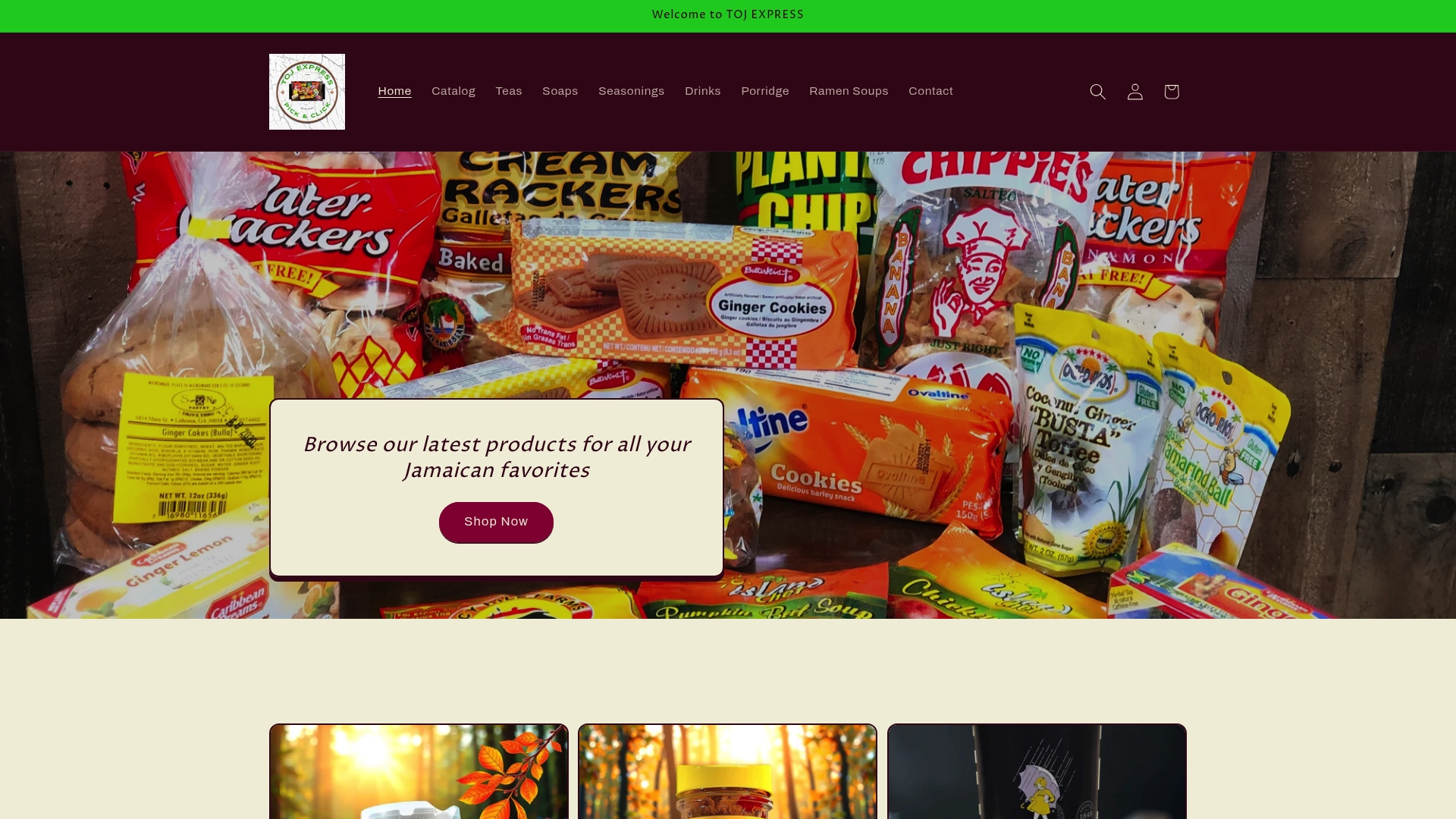
Start elevating your snack routine today with TOJ EXPRESS. Visit TOJ EXPRESS now to browse our diverse selections including Cookies and Crackers – TOJ EXPRESS and Candies – TOJ EXPRESS for convenient indulgences that never compromise quality. Take control of your snacking habits and make every bite count.
Frequently Asked Questions
What are nutrient-dense snacks and why are they important?
Nutrient-dense snacks are foods that provide a high amount of essential nutrients relative to their calorie content. They are important because they can support metabolic health, manage hunger levels, and provide supplemental nutrition between meals.
How can unhealthy snacking impact health?
Unhealthy snacking can lead to significant health risks, including increased obesity, elevated diabetes likelihood, and reduced cognitive function. Consuming snacks high in sugar and low-quality calories can disrupt metabolism and contribute to long-term chronic diseases.
What are some key characteristics of health-conscious snacks?
Health-conscious snacks typically have a high protein content, minimal processed ingredients, and a balanced macronutrient profile. They often include organic sourcing and transparent labeling, aiming to provide functional benefits that support overall wellness.
How can I choose better snacks to support a busy lifestyle?
To choose better snacks for a busy lifestyle, look for options that are portable, require no preparation, and provide sustained energy. Stocking healthy, balanced snacks in convenient packaging can help maintain consistent energy levels and support nutritional needs throughout the day.