
American Rapid Meals: What They Are and Where to Find Them
TOJEXPRESS.COM-Antonio HenryTL;DR:
- American rapid meals include various convenience foods designed for quick preparation and consumption. They range from fast food to frozen dinners, deli foods, and premium ready meals, reflecting America’s diverse food culture. Building a routine that combines pre-cooked staples with purchased ready meals optimizes speed, nutrition, and variety for busy schedules.
American rapid meals are fully or partially prepared dishes designed for quick consumption, requiring minimal to no cooking before eating. The term covers a wide spectrum, from ready-to-eat meals that need only reheating to fast food combos and meal-prepped staples assembled in under five minutes. For busy individuals, families, and anyone short on time, these meals solve a real daily problem. Tojexpress stocks a broad range of American and Caribbean convenience foods precisely because demand for fast, quality options keeps growing. Understanding what rapid meals actually include helps you shop smarter, eat better, and stop defaulting to whatever is closest.
What are american rapid meals, exactly?
American rapid meals is a descriptive term for the broader industry category known as convenience foods or ready meals. The two phrases mean the same thing in practice. Rapid meals are any American-style dishes that reduce or eliminate active cooking time, whether through pre-cooking, processing, or smart prep.
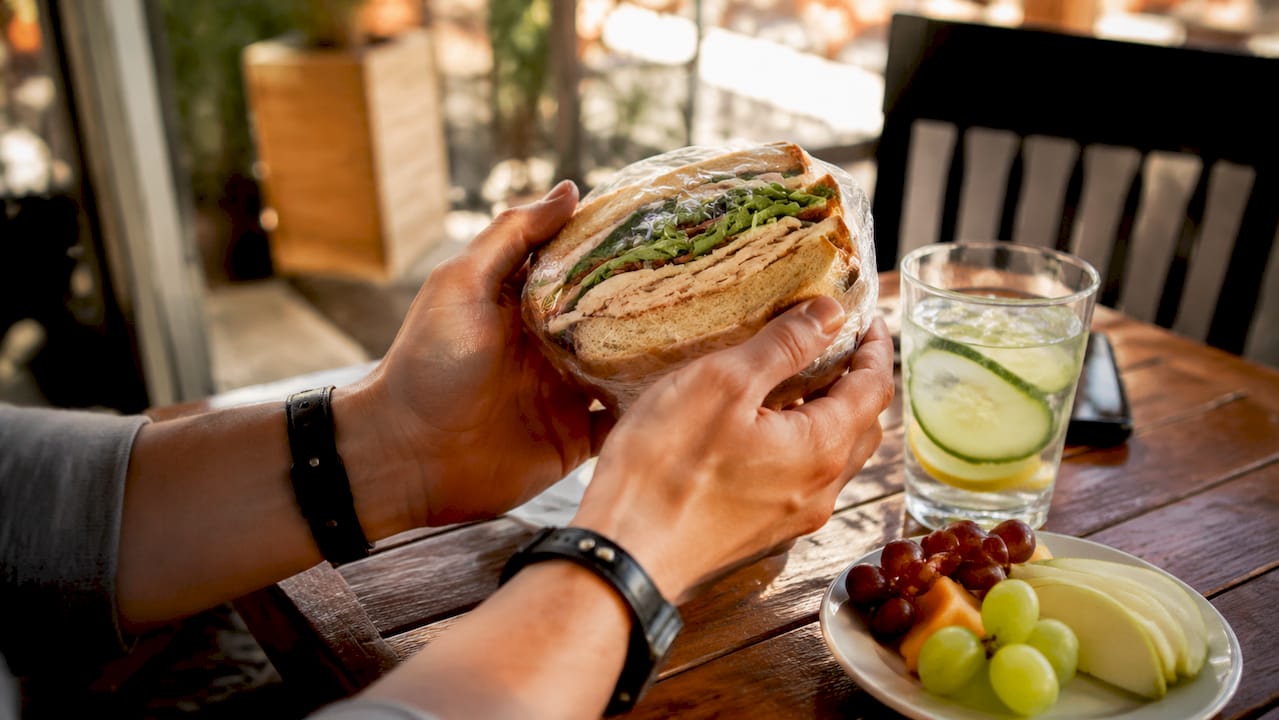
Ready-to-eat meals eliminate chopping, measuring, and cooking steps entirely. They extend shelf life through processing techniques like vacuum sealing, freezing, or retort packaging. You open the container, heat if needed, and eat. That simplicity is the defining feature.
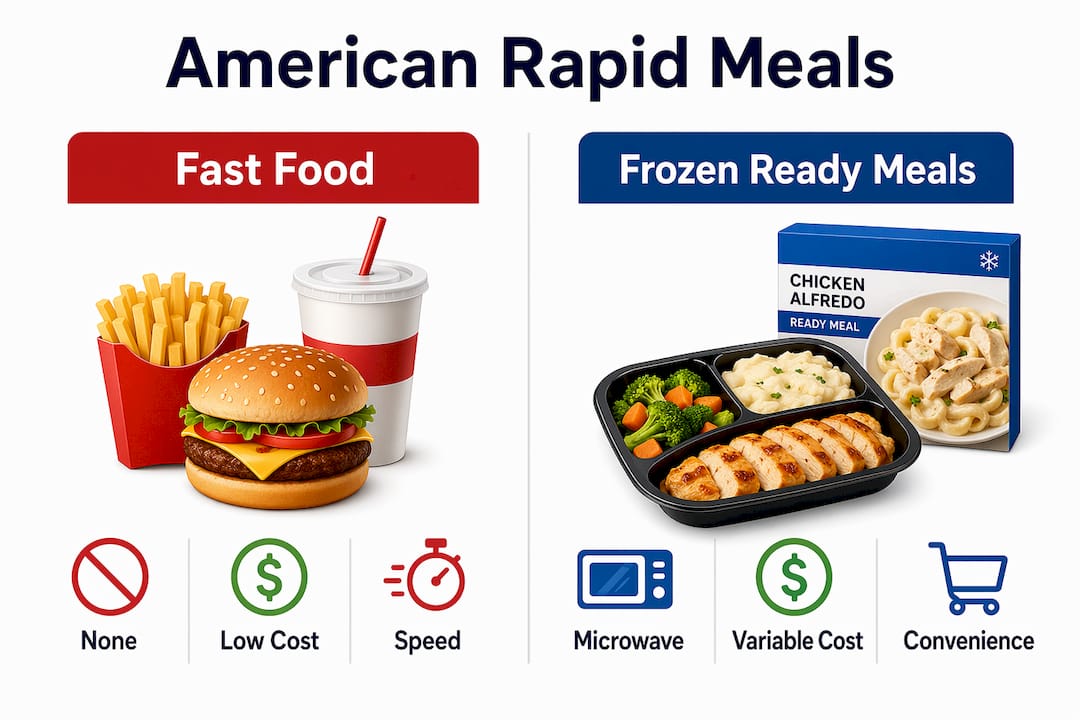
Fast food is the most visible form of American rapid meals. Fast food in America consists of mass-produced, standardized meals designed for speed, typically costing $5–$20 per order. The global fast-food industry was valued at approximately $570 billion in 2018. That number reflects how deeply speed-focused eating is wired into American food culture.
Beyond fast food, rapid meals also include frozen dinners, deli-prepared sandwiches, single-serve entrees, and pre-portioned meal kits. Each format serves a different need, budget, and schedule.
What types of american rapid meals are available?
The range is wider than most people realize. Here is a breakdown of the main categories:
- Ready-to-eat (RTE) meals: Pre-cooked, packaged, and shelf-stable or refrigerated. Examples include rotisserie chicken, pre-made salads, and microwaveable rice bowls.
- Fast food: Standardized items like burgers, fries, chicken sandwiches, and combo meals from chain restaurants.
- Frozen dinners: Single-serve or family-size trays covering everything from mac and cheese to grilled salmon with vegetables.
- Deli-prepared foods: Hot bars, cold cut sandwiches, and grab-and-go wraps found in grocery stores and specialty markets.
- Premium ready meals: Health-focused, gourmet-quality options with cleaner ingredient lists, often sold refrigerated rather than frozen.
| Meal Type | Prep Required | Typical Cost | Best For |
|---|---|---|---|
| Fast food | None | $5–$20 | Speed, on-the-go eating |
| Frozen dinners | 3–5 min microwave | $3–$10 | Budget-conscious households |
| Deli-prepared | None to minimal | $6–$15 | Fresh taste, same-day eating |
| Premium ready meals | 5–10 min oven/microwave | $8–$18 | Health-focused consumers |
| Meal-prepped staples | Under 5 min assembly | Varies | Weekly planning, variety |
Pro Tip: If you are buying fast food on a budget, smaller combo options consistently deliver better value than upsizing. Ordering from the value menu and combining items yourself often costs less than a large combo while giving you more variety.
How do american rapid meals fit into modern consumer trends?
The U.S. ready meals market has split into two clear segments. Premium lifestyle products focus on health, emotional satisfaction, and flavor variety. Utilitarian budget options target time-pressed households where price and speed are the only criteria. Both segments are growing, but for different reasons.
Consumers now evaluate rapid meals on more than convenience. Emotional connection, health considerations, and flavor variety all factor into purchasing decisions. A frozen dinner that tastes bland or feels like a compromise will lose repeat customers, even if it is cheap and fast.
The competitive picture has also shifted. Ready meals now compete directly against restaurant takeout, meal kits, and deli-prepared foods. Speed and affordability alone no longer retain customers. Brands must offer something distinct, whether that is a specific cuisine, a cleaner label, or a format that fits a particular lifestyle.
“Starting meal prepping with small habits like packing lunches can build success without overwhelming lifestyle changes.” — Weight Watchers
This insight matters because it reframes rapid meals as a habit, not just a shortcut. Building a routine around quick American meals reduces daily decision fatigue and keeps food costs predictable.
Pro Tip: Pair a budget frozen dinner with a fresh side like sliced avocado or pre-washed greens. You get the speed of a rapid meal with the nutritional boost of something fresh, without adding meaningful prep time.
What cultural and regional influences shape american rapid meals?
American rapid meals are often misunderstood as only fast food chains and frozen burritos. The reality includes a much broader cultural spectrum. Immigrant communities, regional food traditions, and deli cultures have all shaped what counts as a quick American meal.
Deli-style rapid meals reflect Jewish, Italian, and Eastern European influences. A pastrami sandwich from a New York-style deli is as much a rapid meal as a drive-through burger. Rapid eating integrates deli foods and local market items, showing diversity well beyond chain restaurants.
Regional examples of popular quick American meals include:
- Southern comfort food: Pre-made fried chicken, mac and cheese, and collard greens from grocery hot bars
- Tex-Mex: Frozen or refrigerated burritos, enchilada trays, and queso dips
- New England: Clam chowder in ready-to-heat cans or deli cups
- Midwest: Pre-packaged casseroles, pot pies, and bratwurst from specialty markets
- Caribbean-American: Jerk chicken trays, rice and peas, and plantain sides available at stores like Tojexpress
This variety matters for shoppers. If you think rapid meals means only burgers and pizza, you are missing a significant portion of what is actually available. Grocery stores, specialty markets, and convenience stores carry options that reflect the full range of American food culture. Exploring American grocery variety reveals just how diverse these options have become.
How can busy individuals use american rapid meals effectively?
The most efficient approach combines purchased rapid meals with a light base-prep strategy. Pre-cooking versatile staples on weekends, such as grilled chicken, cooked grains, and roasted vegetables, enables meal assembly in under five minutes on weeknights. This is the core logic behind effective American meal prep ideas.
Here is a practical weekly framework:
- Sunday base-prep: Cook two or three proteins and one or two grains in bulk. Store in labeled containers.
- Stock rapid meal backups: Keep two or three frozen dinners or RTE options for nights when even assembly feels like too much.
- Add fresh components daily: Grab pre-washed greens, sliced fruit, or a deli side to round out a rapid meal without extra cooking.
- Avoid premature washing: Washing produce too early accelerates spoilage. Wash berries and leafy greens immediately before eating, not when you unpack groceries.
- Rotate your options: Eating the same rapid meal every day creates fatigue. Cycle through different cuisines and formats to stay consistent.
For families specifically, smart rapid meal planning reduces weeknight stress without requiring elaborate cooking skills. The goal is a system, not a single perfect meal.
Pro Tip: Pre-packed groceries cut prep time significantly. Pre-packed grocery options are worth exploring if you want to reduce the gap between “I need to eat now” and actually eating.
Balancing rapid meals with high-protein dinner options also helps maintain energy levels without relying entirely on processed convenience foods. The combination of speed and nutritional quality is achievable with the right mix of products.
Key takeaways
American rapid meals cover a broad spectrum of convenience foods, and the most effective approach combines purchased ready meals with light weekly prep to maximize both speed and nutritional quality.
| Point | Details |
|---|---|
| Rapid meals span multiple formats | Categories include fast food, frozen dinners, deli-prepared foods, and premium ready meals. |
| Consumer demands have expanded | Health, flavor variety, and emotional satisfaction now drive purchasing decisions beyond price alone. |
| Cultural diversity is built in | Regional and immigrant influences shape American rapid meals well beyond mainstream fast food chains. |
| Base-prep multiplies efficiency | Pre-cooking staples on weekends enables full meal assembly in under five minutes on busy weeknights. |
| Avoid premature produce washing | Washing berries and greens too early accelerates spoilage and reduces the freshness of your rapid meals. |
Why rapid meals deserve more credit than they get
People tend to treat rapid meals as a guilty compromise, something you eat when you have failed to plan properly. That framing is wrong, and I think it holds a lot of people back from using these options well.
I have watched customers at Tojexpress pick up Caribbean-style jerk chicken trays, American deli sandwiches, and frozen comfort food sides in a single shop. That is not a failure of meal planning. That is a genuinely diverse, culturally rich set of choices made in under ten minutes. The variety available in a well-stocked convenience store or specialty grocery reflects decades of immigrant food culture, regional tradition, and real culinary craft.
The mistake most people make is treating rapid meals as a single category. Fast food from a drive-through and a premium refrigerated salmon fillet with herb butter are both rapid meals. They are not the same product, and they should not be evaluated the same way. Once you recognize the full spectrum, you stop defaulting to the cheapest or most familiar option and start choosing based on what actually fits your day.
My honest recommendation: build a small rotation of five or six rapid meal options you genuinely enjoy, stock them consistently, and stop treating convenience as something to apologize for.
— ANTONIO
Stock up on american rapid meals at Tojexpress
Tojexpress carries a wide selection of American and Caribbean groceries built for exactly this kind of convenient, quality-focused shopping.
Whether you need frozen dinners for the week, deli-style grab-and-go options, or pantry staples for base-prep, the general grocery selection at Tojexpress covers the full range. The store stocks both American comfort food classics and Caribbean-influenced rapid meal options, giving you more variety than a standard convenience store. Busy schedules do not require boring food. Tojexpress makes it easy to shop once and eat well all week, without spending hours in the kitchen.
FAQ
What is the definition of american rapid meals?
American rapid meals are fully or partially prepared American-style dishes designed for quick consumption, requiring minimal to no cooking. They include fast food, ready-to-eat meals, frozen dinners, and deli-prepared foods.
Are american rapid meals the same as fast food?
No. Fast food is one category within American rapid meals, but the term also covers frozen dinners, premium ready meals, deli-prepared foods, and meal-prepped staples. The full spectrum is much broader than chain restaurant items.
How do i choose a healthy american rapid meal?
Look for options with recognizable ingredients, adequate protein, and a vegetable component. Pairing a frozen or ready-to-eat entree with a fresh side like pre-washed greens adds nutritional balance without meaningful prep time.
What are the most popular types of american rapid meals?
The most common formats are fast food combos, microwaveable frozen dinners, deli sandwiches, rotisserie chicken, and single-serve RTE entrees. Regional specialties like Tex-Mex trays and Southern comfort food sides are also widely available.
Where can i buy american rapid meals near me?
American rapid meals are available at grocery stores, fast food restaurants, delis, and specialty convenience stores. Tojexpress carries a curated selection of American and Caribbean rapid meal options both in-store and online.