
Quick meals for busy Georgia families: smart solutions
TOJEXPRESS.COM-Antonio HenryTL;DR:
- Quick meals help Georgia families manage time scarcity by replacing lengthy cooking with fast, convenient options.
- They preserve cultural food connections, especially through diverse American and Caribbean flavors, despite busy schedules.
Even a small spike in traffic on I-285 can quietly shift a family’s dinner from a home-cooked meal to a drive-thru run. Research confirms that quick meal options matter most because they reduce time and effort during weekday routines, replacing active cooking with simple heating and cutting out the mental load of shopping decisions. But quick meals are far more than a shortcut. They shape budgets, eating habits, and even cultural food connections. This guide breaks down what really drives quick-meal choices in Georgia, what the honest trade-offs are, and how to use them smartly, including a world of American and Caribbean flavors worth exploring.
Table of Contents
- Understanding the quick meal phenomenon in Georgia
- How quick meal options fulfill American and Caribbean food cravings
- Convenience vs nutrition: Key trade-offs with quick meals
- Is it worth it? Real value of quick meals for busy households
- How to make quick meals work for your routine
- The real takeaway: Why the role of quick meals is more about time and culture than just speed
- Where to find quick and authentic meal solutions in Georgia
- Frequently asked questions
Key Takeaways
| Point | Details |
|---|---|
| Quick meals save time | Choosing heat-and-eat or meal kit options helps busy families avoid mealtime stress and reclaim weeknight hours. |
| Cultural diversity is possible | Quick meals can include authentic American and Caribbean flavors with the right delivery or meal service. |
| Nutrition varies widely | Not all quick meals are equally healthy, so checking labels for sodium, fat, and ingredient quality is essential. |
| Costs vs. convenience | Quick meal kits often cost more than groceries, but may reduce food waste and the energy of planning. |
| Intentional use matters | Using quick meals for true high-stress nights—not every day—balances convenience, nutrition, and family culture best. |
Understanding the quick meal phenomenon in Georgia
After previewing what’s at stake, let’s set the stage with why quick meals have become central for Georgians.
Georgia’s busy families and professionals are not choosing convenience out of laziness. They’re responding to real pressure. Morning school runs, long work commutes, evening meetings, and weekend activities leave very little room for planning, shopping, and cooking. The result? An entire ecosystem of meal kits, heat-and-eat options, and fast-food habits has grown to fill that gap.
“Time scarcity is the silent driver of most weeknight food decisions. When the clock is working against you, the path of least resistance wins every time.”
The rise of fast food frequency is directly tied to highway congestion, with research showing that on days with more traffic, individuals are more likely to visit fast food restaurants and less likely to grocery shop. In Georgia, where Atlanta traffic routinely ranks among the worst in the country, this isn’t a small factor. It’s a daily reality for hundreds of thousands of commuters.
Beyond traffic, decision fatigue plays a major role. By the time most people return home from work or school pickups, the mental bandwidth for meal planning is gone. Studies show that tired or overwhelmed individuals default to the most familiar and fastest option available, which is rarely the most nutritious one.
Key features busy Georgia families look for in quick meals:
- Fast preparation time (under 20 minutes from package to plate)
- Minimal cleanup (one-pan or no-dish solutions)
- Predictable results with no guesswork
- Options that satisfy picky kids and adult preferences simultaneously
- Accessible pricing that fits a weekly food budget
Georgia’s mix of dense urban neighborhoods and sprawling suburban and rural communities creates a unique landscape. In Atlanta’s metro area, diverse food options are plentiful. In rural counties, convenience stores and limited-menu restaurants often become the primary source of quick meals. Understanding which quick meal category fits your lifestyle and location is the first step toward making smarter choices.
Pro Tip: Identify your household’s real bottleneck. Is it the planning, the shopping trip, or the cooking itself? Once you know where your time disappears, you can pick quick meal solutions that actually solve the problem instead of just delaying it.
The broader world of Caribbean street foods in Atlanta and Caribbean cuisine’s role in Atlanta shows that quick meal culture doesn’t have to mean bland or generic. It can be rich, culturally alive, and genuinely satisfying.
How quick meal options fulfill American and Caribbean food cravings
Understanding the why behind quick meals, let’s see how they can go beyond fast food to celebrate diverse tastes in Georgia.
One of the biggest misconceptions about quick meals is that they’re all chicken nuggets and frozen pizza. That narrative is outdated. The market has expanded dramatically, and culturally tailored meal services have been shown to improve engagement and perceived ease of preparation when they match a household’s food preferences. That matters a lot for Atlanta’s diverse population.
Whether you grew up eating Southern-style BBQ, Caribbean jerk chicken, Trinidadian stews, or Jamaican rice and peas, you deserve a quick meal that actually tastes like home.
“Food isn’t just fuel. It’s identity. Quick meals that honor cultural traditions keep families connected to who they are, even on the busiest nights.”
Top American and Caribbean quick meals to try this month:
- Jerk chicken with rice and peas (available via local Caribbean delivery options in Atlanta)
- Southern BBQ pulled pork sandwiches with coleslaw
- Oxtail stew with butter beans and white rice
- Classic American beef chili with cornbread
- Trinidadian doubles (fried bara with curried chickpea filling)
- Grilled jerk shrimp with plantains and mixed greens
- American-style rotisserie chicken with roasted vegetables
| Quick meal type | American flavor options | Caribbean flavor options | Fusion options |
|---|---|---|---|
| Meal kits | BBQ, mac and cheese, meatloaf | Jerk chicken, curry goat, rice and peas | Jerk burgers, Caribbean tacos |
| Heat-and-eat | Pot roast, pasta bakes, soups | Stewed oxtail, pelau, callaloo | BBQ jerk wings, spiced grain bowls |
| Delivery/takeout | Burgers, fried chicken | Escovitch fish, roti | Tropical BBQ plates |
| Convenience store ready meals | Hot dogs, subs, sandwiches | Patties, plantain chips, hard dough | Spiced wraps, fusion bowls |
Practical access to Caribbean quick meals is better than many people realize. Using a Caribbean meal planning guide for Atlanta helps identify rotating local specials and reliable sources near your zip code. Delivery apps have improved their cultural food filters significantly, and local Caribbean restaurants in Atlanta often rotate daily specials that pair well with a busy schedule.
Pro Tip: Use local Yelp or Uber Eats filters to search Caribbean specials by zip code. Many restaurants update their daily specials in-app, which means you can discover local Caribbean foods in Atlanta without leaving your couch.
Convenience vs nutrition: Key trade-offs with quick meals
Now that we’ve seen the flavor options, it’s time to get real about the nutritional trade-offs and how to navigate them smartly.
Not all quick meals are created equal. Ready-to-eat meals carry real health risks when their nutritional profile skews too heavily toward sodium, saturated fat, and added sugars. Research has linked higher ready-to-eat meal consumption with worse mental health outcomes in U.S. adults. That’s a finding that deserves serious attention.
| Meal type | Avg. sodium per serving | Saturated fat | Added sugar | Vitamins/fiber |
|---|---|---|---|---|
| Typical ready-to-eat quick meal | 900-1,400 mg | High (5-12g) | Moderate | Low |
| Fast food combo meal | 1,200-2,200 mg | Very high | Moderate-high | Very low |
| Home-cooked meal (standard) | 400-700 mg | Low-moderate | Minimal | High |
| Quality meal kit | 600-900 mg | Moderate | Low | Moderate-high |
The table above illustrates how convenience shifts food choices away from healthier options when time is scarce. The encouraging part is that not every quick option falls into the high-sodium, low-nutrient trap. Quality matters more than speed category.
Quick label checks before buying any ready meal:
- Look at sodium first. Anything over 900mg per serving is worth pausing on.
- Check for added sugars, especially in sauces and marinades labeled “Caribbean” or “BBQ.”
- Scan the ingredients list. If you can read and recognize the first five ingredients, that’s a good sign.
- Look for fiber content. Less than 2g per serving means you’ll be hungry again quickly.
- Check portion sizes. Manufacturers often list “2.5 servings” in packaging that most people eat in one sitting.
The great news for Caribbean food lovers is that many traditional dishes are naturally lower in processed ingredients. Stewed chicken, rice and peas, callaloo, and roasted breadfruit are rich in nutrients and flavor without relying on artificial additives. Explore healthy Caribbean food tips for practical swaps that keep flavor while reducing the not-so-great stuff.
Pro Tip: Build fast flavor at home with a few go-to shortcuts. Pre-prepped produce, frozen vegetables, and a good jerk or Creole spice blend can turn a plain protein into a satisfying Caribbean or American meal in under 15 minutes. You get the speed without surrendering all the nutrition. Find more healthy convenience choices in Atlanta that support this approach.
Is it worth it? Real value of quick meals for busy households
After understanding nutrition, let’s talk about what your family really gets out of quick meals, and when the cost makes sense.
Time is the one resource that doesn’t replenish. For a parent managing two kids, a full-time job, and a household, a 45-minute cooking session is not just 45 minutes. It’s energy that comes after an already exhausting day. That’s the context most “just cook at home” advice misses completely.
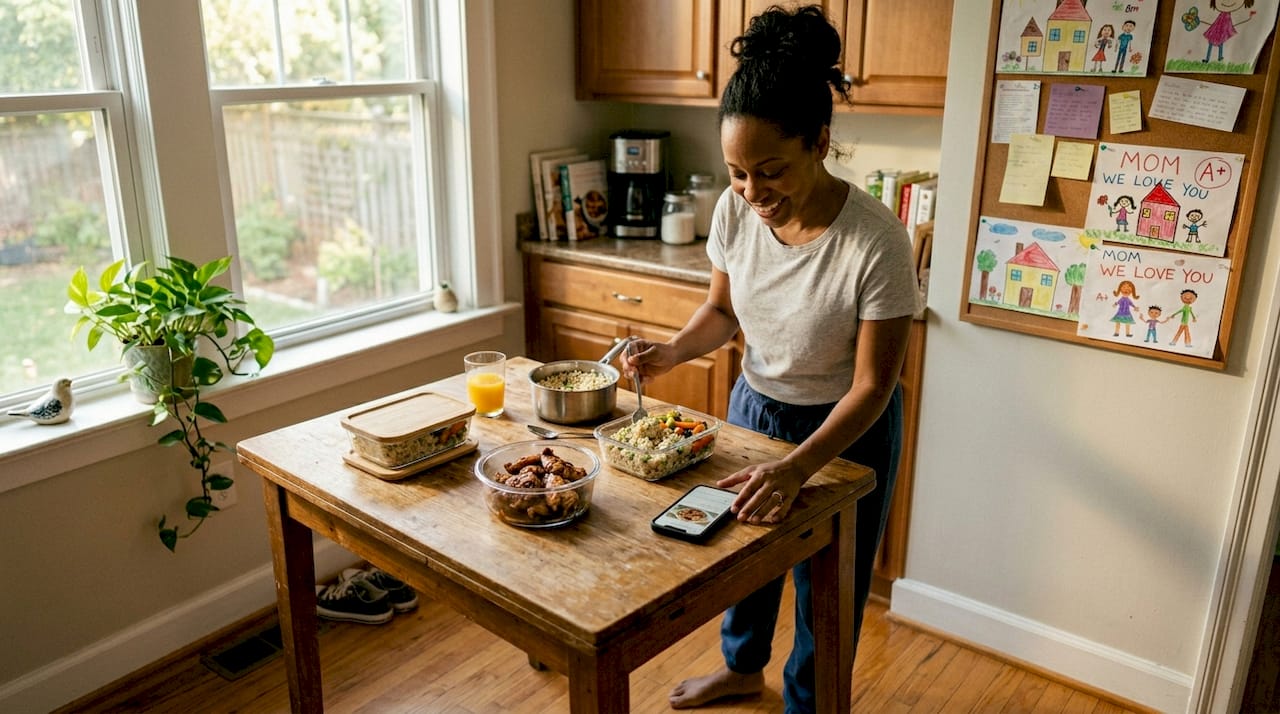
Meal kit value benchmarks show the real picture: meal kits can save time and reduce food waste by delivering only the ingredients you need, but they typically cost more than buying the same groceries independently. The question isn’t which is cheaper in isolation. The question is which delivers better value for your situation.
| Meal option | Avg. cost per serving | Avg. prep time | Typical food waste |
|---|---|---|---|
| Meal kit | $9-$14 | 25-35 min | Very low (pre-portioned) |
| Fast food | $7-$12 | 5-15 min (drive-thru) | Low |
| Home-cooked from groceries | $3-$6 | 40-60 min | Moderate-high |
| Convenience store ready meal | $5-$9 | Under 5 min | Very low |
Key questions to ask before committing to a meal kit or quick meal service:
- Does it fit your weekly food budget without cutting into other household expenses?
- Does it accommodate dietary restrictions or preferences in your household?
- Does it offer culturally relevant options, including Caribbean or Southern American dishes?
- How much actual time does it save, including delivery and setup?
- Can you realistically commit to using it consistently, or will packages sit unused?
The advantages of Caribbean foods in Atlanta make a strong case for exploring culturally rich quick meal services. When a meal fits your taste identity, you’re more likely to eat it, enjoy it, and avoid the drive-thru altogether. Quick meals work best as a strategic gap-filler during high-stress stretches, not as a permanent replacement for all home cooking.
How to make quick meals work for your routine
With value and nutrition in mind, here’s how you can make quick meals a smart part of your week instead of a fallback.
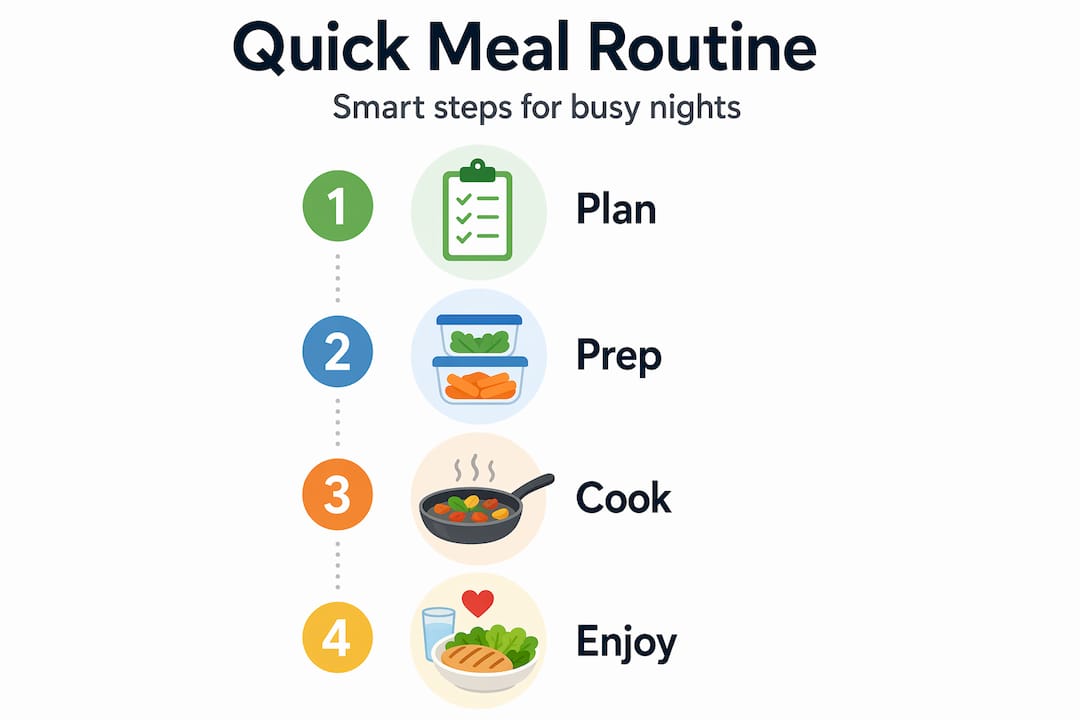
The families and professionals who get the most out of quick meals treat them as a deliberate tool, not a default reaction. That subtle shift in thinking changes everything. Here’s a practical framework that works for Georgia households:
Step-by-step quick meal rotation:
- Identify your two or three most stressful weeknights. For most households, it’s Monday, Wednesday, and any night with late activities.
- Designate those nights as “quick meal nights” in your calendar, and pre-plan the meals in advance.
- Build a rotating list of five to eight go-to quick meals that your family genuinely enjoys, mixing American and Caribbean options.
- Prep one anchor ingredient on Sunday, such as cooked rice, shredded chicken, or roasted vegetables, that can anchor multiple quick meals during the week.
- Keep a small stock of quality convenience items at home, like Caribbean spice blends, canned beans, plantains, or pre-marinated proteins, for nights when delivery isn’t practical.
- Review and rotate your list monthly to prevent boredom and discover new options.
Learning how to source authentic Caribbean flavors at home doesn’t have to be complicated. Simple recipes with a few key ingredients can deliver restaurant-quality results in under 30 minutes. If you’re not sure where to start with ingredients, a guide to shopping Caribbean groceries in Atlanta will point you toward the right stores and staples.
For nights when cooking anything feels impossible, having a reliable Caribbean delivery option already bookmarked on your phone means you skip 20 minutes of indecision and go straight to a satisfying, culturally familiar meal.
Pro Tip: Set a recurring “busy night” alert in your calendar for your known high-stress evenings. Then pre-order or pre-plan your meal during a calmer moment earlier in the day. This single habit removes the decision fatigue that sends most families toward fast food by default.
The real takeaway: Why the role of quick meals is more about time and culture than just speed
Now that you’ve seen the practical considerations and trade-offs, let’s step back and examine what the “quick meal” trend means for culture, time, and family in Georgia.
Most critics of quick meals focus narrowly on cost and nutrition while completely ignoring what those meals actually protect: family time, personal energy, and cultural continuity. A Caribbean-American family that orders jerk chicken and plantains on a Wednesday night isn’t giving up on good food. They’re keeping their food culture alive despite a brutal schedule. That’s not failure. That’s smart adaptation.
Every household blends convenience and tradition differently. A single professional might lean heavily on meal kits for variety and portion control. A large family might rotate home cooking with targeted quick meals during peak-stress weeks. A Caribbean family might rely on local takeout to maintain flavor connections that boxed meal kits can’t replicate. All of these approaches are valid.
What matters is intentionality. When you choose a quick meal because it satisfies your family’s taste, respects your time, and fits your budget, that is a confident food decision. When you default to the cheapest and fastest option out of exhaustion every single night, that’s where the real trade-offs compound over time.
The Caribbean diaspora food culture in Atlanta shows how deeply food is tied to identity and belonging. Quick meals that tap into that cultural thread do more than fill stomachs. They preserve a connection to heritage, remind families of shared roots, and make even a busy Tuesday feel a little more like home.
The smartest Georgia families and professionals we see are those who treat quick meals as one intelligent tool in a wider food strategy, not as a wholesale replacement for cooking or cultural tradition.
Where to find quick and authentic meal solutions in Georgia
Ready to put these insights into action? Here’s where to start your search for delicious and easy meals, locally.
At TOJ Express, we built our store around exactly the kind of busy, food-loving Georgia household this guide speaks to. We carry American and Caribbean products that make quick meals genuinely exciting, from authentic spice blends and hard-to-find Caribbean pantry staples to ready-to-eat options that hold up on the flavor front.
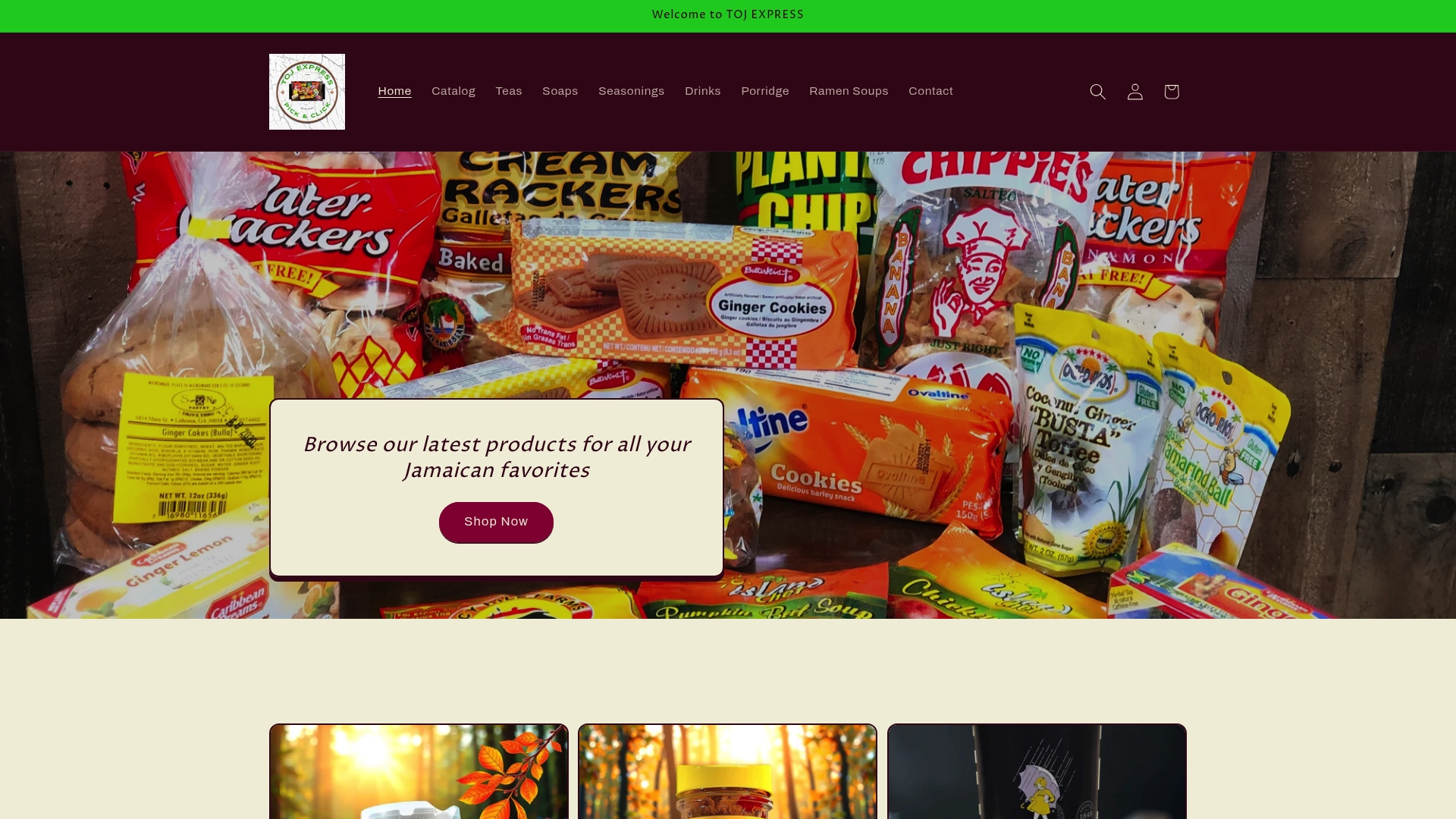
Whether you’re grabbing ingredients for a 15-minute jerk chicken bowl or stocking up on Caribbean comfort foods for the week ahead, our shelves are curated with your schedule in mind. Visit TOJ Express to browse our current selection, discover new Caribbean and American favorites, and find the quick meal solutions that actually taste like something worth coming home to.
Frequently asked questions
Are quick meal kits really healthier than fast food?
Meal kits usually offer fresher ingredients and fewer additives than most fast food, but not all options are low in sodium or fat. Nutritional profiles vary widely, so checking labels is still essential before assuming any kit is a healthy choice.
Can I find authentic Caribbean quick meals for delivery in Atlanta?
Yes, several local restaurants and delivery services offer Caribbean quick meals in Atlanta, including both heat-and-eat and made-to-order traditional options. Local Caribbean delivery services are available via major ordering platforms throughout the metro area.
How does traffic or a busy schedule affect quick meal choices?
On busier commute days, people are significantly more likely to choose fast food and less likely to stop for groceries, making pre-planning on calmer days the most effective strategy.
Are quick meal solutions a good value compared to groceries?
Quick meal kits typically cost more per serving than cooking from groceries, but they cut food waste and save meaningful time for families who would otherwise waste unused produce or spend hours planning.
What’s the best way to balance quick meals with healthy eating?
Rotate quick meals with home-cooked dishes, prioritize options with simple and recognizable ingredients, and keep pre-prepped produce or frozen vegetables ready to add nutrition to any fast meal on short notice.