
Why choose American groceries: variety, value, culture
TOJEXPRESS.COM-Antonio HenryMany shoppers assume American grocery stores only stock processed foods and lack cultural authenticity. The truth is more surprising: these stores offer over 30,000 product varieties, including authentic Caribbean items, competitive private-label brands, and year-round availability that make them ideal for consumers seeking both convenience and cultural diversity in Atlanta’s suburbs.
Table of Contents
- Introduction To American Groceries
- Variety And Availability Of Products
- Economic Advantages And Cost-Effectiveness
- Cultural Relevance And Culinary Diversity
- Convenience And Accessibility For Suburban Shoppers
- Common Misconceptions And Reality Checks
- Bridging Understanding To Practical Shopping Choices
- Explore Authentic American And Caribbean Groceries Near You
Key takeaways
| Point | Details |
|---|---|
| Product variety | American groceries stock over 30,000 items including Caribbean and international specialty foods |
| Cost savings | Private-label brands deliver quality products at lower prices, saving shoppers money without sacrificing standards |
| Cultural access | Authentic Caribbean and ethnic products support culinary exploration and community heritage |
| Shopping convenience | Frequent store visits every 4-5 days maximize freshness while high satisfaction scores reflect quality service |
Introduction to American groceries
American grocery stores are retail establishments offering a broad range of food products, from fresh produce and meat to processed goods and ethnic specialties. These stores function as cultural hubs where American staples meet Caribbean culinary traditions, creating spaces for diverse communities to find familiar flavors alongside new discoveries. For Atlanta suburban shoppers, this blend matters because it provides access to both everyday essentials and specialty items without requiring multiple shopping trips.
The significance extends beyond convenience. American groceries serve as gathering points where food culture intersects with practical shopping needs. Consumers balance the comfort of recognizable American brands with the excitement of discovering american grocery essentials list 2026 save blend caribbean products that connect them to heritage or inspire new recipes.
Typical product categories include:
- Fresh produce sections with tropical fruits and standard vegetables
- Meat and seafood counters offering both conventional cuts and specialty items
- Dairy aisles with mainstream and ethnic cheese varieties
- International food sections featuring Caribbean spices, sauces, and packaged goods
- Frozen foods spanning convenience meals to specialty dumplings and pastries
- Bakery departments with fresh bread, pastries, and cultural baked goods
This structure allows shoppers to complete comprehensive grocery runs while exploring new culinary directions. The layout encourages discovery without overwhelming consumers who simply need weeknight dinner ingredients.
Variety and availability of products
The scale of product selection in American grocery stores sets them apart. American grocery stores provide extensive product variety, including over 30,000 items typically available, giving consumers unprecedented choice in a single location. This variety spans fresh, frozen, canned, and specialty categories, ensuring that whether you’re planning a traditional Sunday dinner or experimenting with Caribbean recipes, options exist.
Caribbean and international specialty foods occupy dedicated aisle space in most stores. These sections feature authentic ingredients like scotch bonnet peppers, plantain chips, ackee, cassava flour, and jerk seasonings. The presence of these items reflects demographic diversity in suburban markets and retailer recognition that consumers want genuine cultural products, not approximations.
| Product Category | Typical Variety Range | Caribbean Examples |
|---|---|---|
| Fresh Produce | 400-600 items | Plantains, yams, callaloo, breadfruit |
| Meat & Seafood | 200-300 items | Oxtail, goat meat, salted fish, conch |
| Packaged Foods | 15,000-20,000 items | Grace products, Goya beans, hot sauces |
| Frozen Foods | 3,000-5,000 items | Patties, dumplings, tropical fruit blends |
| Beverages | 2,000-3,000 items | Sorrel drink, ginger beer, coconut water |
Seasonal availability no longer constrains shoppers. Modern supply chains deliver tropical produce and specialty items year-round, although prices fluctuate with growing seasons. This consistency allows consumers to maintain cultural cooking traditions regardless of calendar dates, supporting the role everyday grocery cultural life plays in suburban communities.
For practical shopping guidance, understanding how to shop caribbean groceries atlanta helps consumers navigate these extensive selections efficiently. The 2026 grocery shopping statistics show that product variety directly influences store choice, with consumers prioritizing locations that offer both mainstream and specialty items.
Economic advantages and cost-effectiveness
Price competition and strategic private-label offerings make American groceries financially attractive for budget-conscious shoppers. Private-label merchandise represented $32 billion in Kroger sales in fiscal 2025, demonstrating how store brands deliver substantial savings without compromising quality standards. These products typically cost 20-30% less than national brands while meeting identical manufacturing specifications.
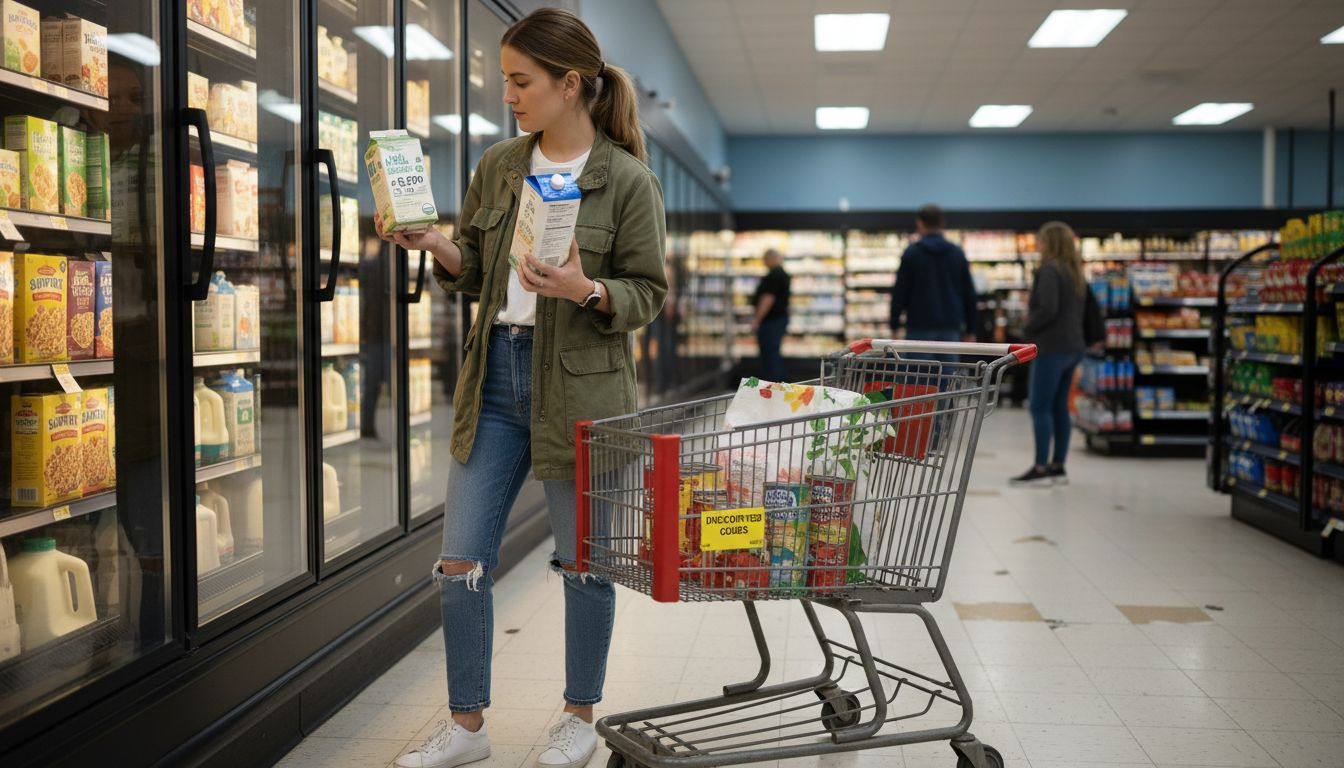
The economic landscape shifted dramatically as inflation concerns pushed consumers toward home cooking. 66% of consumers shop for groceries in-store weekly amid home cooking trends, reflecting both budget pressures and preference for meal preparation over restaurant dining. This pattern benefits American grocery retailers while providing consumers control over ingredients and portions.
Key cost-saving strategies include:
- Choosing private-label brands for pantry staples and household items
- Timing purchases around weekly promotional cycles and digital coupon offers
- Buying seasonal produce at peak availability when prices drop
- Purchasing larger quantities of shelf-stable items during sales
- Comparing unit prices rather than package prices for true value assessment
Pro Tip: Download your preferred grocery store’s mobile app to access exclusive digital coupons and track weekly promotions. Many stores offer additional savings through loyalty programs that accumulate points toward future discounts or free products.
Price sensitivity remains high among suburban shoppers seeking value without sacrificing quality. The grocery shopping guide 2026 save 15 percent caribbean foods demonstrates practical approaches to balancing cost consciousness with culinary preferences. Additional insights from the 2025 grocery report by JLL and US grocery shopping trends confirm that economic factors increasingly drive shopping behavior and store selection.
Cultural relevance and culinary diversity
Grocery shopping transcends mere provisioning to become an act of cultural exploration and identity maintenance. 26% of grocery shoppers prefer cultural exploration and discovery through grocery shopping, treating store visits as opportunities to learn about different cuisines and expand culinary horizons. This mindset transforms routine errands into educational experiences that connect families to heritage while introducing new flavor profiles.
Authentic Caribbean and ethnic products provide more than ingredients; they deliver connections to cultural traditions and community identity. When suburban Atlanta shoppers find Grace canned goods, Walkerswood jerk seasoning, or fresh callaloo, these items enable preparation of traditional recipes that maintain cultural continuity across generations. The availability of such products in mainstream American groceries validates Caribbean culinary traditions while making them accessible to broader audiences.
Supporting ethnic food businesses enriches local culinary culture by:
- Validating immigrant and diaspora communities through product representation
- Encouraging cross-cultural cooking and recipe experimentation
- Creating economic opportunities for specialty food producers and importers
- Building bridges between different cultural groups through shared food experiences
- Preserving traditional foodways that might otherwise fade in new geographic contexts
“Food is not just sustenance but a language of heritage and belonging. When grocery stores honor cultural diversity through authentic product selection, they acknowledge that food carries memory, tradition, and identity that transcend simple nutrition.”
The role of grocery stores atlanta role diversity extends beyond product availability to community building. Understanding why snack diversity atlanta foodies matters reveals how even casual food choices reflect deeper cultural currents. The US grocery shopper trends report confirms that consumers increasingly value retailers who recognize and respect cultural diversity through thoughtful product curation.
Convenience and accessibility for suburban shoppers
Shopping frequency and store accessibility significantly impact consumer satisfaction and food quality. American consumers visit grocery stores on average every 4.7 days, a pattern that balances convenience with freshness while allowing shoppers to take advantage of rotating promotions and seasonal offerings. This regular cadence prevents food waste while ensuring ingredients remain at peak quality for meal preparation.
Customer satisfaction metrics reveal strong performance among regional supermarkets serving suburban markets. Publix scored 84 and H-E-B scored 83 on the American Customer Satisfaction Index in 2026, reflecting consistent service quality, product selection, and shopping experience that keep customers returning. These high scores indicate that American groceries successfully meet consumer expectations across multiple dimensions.
Factors driving convenience and accessibility include:
- Strategic store locations near residential areas with ample parking
- Extended operating hours accommodating diverse work schedules
- Clear store layouts with logical product organization and helpful signage
- Self-checkout options and traditional cashier lanes for shopper preference
- Online ordering with curbside pickup or home delivery services
- Mobile apps providing digital coupons, shopping lists, and product locators
Physical accessibility matters particularly for suburban consumers who typically drive to stores. Parking availability, store entrances designed for cart navigation, and wide aisles accommodate families shopping together or individuals with mobility considerations. The experiential aspects, from produce displays to bakery aromas, create engaging environments that make necessary errands more pleasant.
Understanding grocery supply chains store success reveals the infrastructure supporting convenient shopping experiences. The combination of 2026 grocery shopping statistics and american customer satisfaction index supermarkets data demonstrates that convenience remains a primary driver of store loyalty and shopping satisfaction.
Common misconceptions and reality checks
Several persistent myths about American grocery shopping deserve correction. Understanding reality helps consumers make informed decisions and avoid limiting their options based on outdated assumptions or incomplete information.
-
Myth: American groceries are mostly processed and lack authenticity. Reality: While processed foods occupy significant shelf space, dedicated international sections feature authentic Caribbean and ethnic products from trusted manufacturers. Stores increasingly prioritize authentic ingredients as demographic diversity grows.
-
Myth: Endless variety means truly diverse options. Reality: Product proliferation often reflects brand multiplication rather than genuine diversity. Twenty cereal brands doesn’t equal cultural variety; intentional shopping in ethnic food sections uncovers real diversity beyond mainstream offerings.
-
Myth: American groceries are always more expensive than specialty stores. Reality: Private-label dominance and competitive pricing frequently make American groceries cost-effective, especially when factoring in convenience and trip consolidation. Comparing unit prices reveals competitive or superior value on many items.
-
Myth: Store brands sacrifice quality for savings. Reality: Private-label products often come from the same manufacturers as national brands, meeting identical quality standards while eliminating marketing costs that inflate branded product prices.
Pro Tip: Create a targeted shopping list organized by store section before visiting. This prevents decision fatigue from overwhelming variety while ensuring you find specific Caribbean or ethnic items rather than settling for approximations. Spend time exploring international aisles where authentic products concentrate rather than expecting them throughout the store.
Avoiding these misconceptions requires research and intentional shopping. The american grocery essentials list 2026 save blend caribbean provides practical guidance for navigating product selection while maintaining cultural authenticity and budget consciousness.
Bridging understanding to practical shopping choices
Translating knowledge into action requires specific strategies that empower consumers to shop confidently and effectively at American groceries. These practical tips help suburban shoppers maximize value, maintain cultural connections, and navigate extensive product selections without overwhelm.
-
Identify stores with diverse Caribbean and American selections. Visit multiple stores initially to assess international aisle depth, produce variety, and authentic product availability. Ask staff about special order capabilities for items not regularly stocked.
-
Evaluate private-label versus branded products for savings. Compare ingredient lists and nutritional information; if they match, choose the store brand. Reserve branded purchases for items where taste differences matter or cultural authenticity requires specific manufacturers.
-
Plan shopping frequency to leverage promotions and freshness. Visit stores every 4-5 days, timing trips around weekly ad cycles that typically start Wednesday or Thursday. Buy fresh produce and proteins on these trips while stocking pantry items during promotional periods.
-
Research authenticity through labels and community feedback. Check country of origin and manufacturing details on Caribbean products. Seek recommendations from community members familiar with authentic brands and preparations.
-
Balance variety with convenience to avoid overwhelm. Focus on specific meal plans rather than browsing aimlessly. Maintain a core list of reliable products while rotating one or two new items per trip for exploration without decision paralysis.
Pro Tip: Photograph your pantry and refrigerator before shopping to avoid duplicate purchases in stores with overwhelming variety. This simple step prevents impulse buying while ensuring you remember what actually needs replenishing.
The 7 essential tips list of atlanta caribbean groceries offers additional location-specific guidance for suburban Atlanta consumers. Combining these practical approaches with broader understanding of American grocery advantages creates confident, efficient shopping experiences that honor both budget and cultural priorities.
Explore authentic American and Caribbean groceries near you
Applying these insights becomes easier when you shop with a retailer who understands the balance between American convenience and Caribbean authenticity. TOJ EXPRESS specializes in providing Atlanta suburban communities with diverse grocery selections that honor cultural traditions while offering the variety and value you’ve learned to prioritize.
Our general grocery collection features both mainstream American staples and authentic Caribbean ingredients, while our snacks collection and drinks collection provide familiar favorites alongside cultural specialties. We combine the product diversity of major groceries with the cultural expertise of specialty stores, delivering the best of both approaches right in your neighborhood.
FAQ
What makes American groceries different from specialty Caribbean stores?
American groceries offer broader product ranges spanning multiple cuisines and everyday essentials, allowing complete shopping trips in one location. Caribbean specialty stores provide deeper selections within their cultural focus but may not stock general household items. The ideal approach often combines both, using American groceries for routine needs and specialty stores for hard-to-find authentic items.
How can I identify authentic Caribbean products in American grocery aisles?
Check product labels for country of origin and manufacturing details, prioritizing items produced in Caribbean nations or by established Caribbean food companies. Look for trusted brand names like Grace, Walkerswood, Goya, and Tower Isle that Caribbean communities recognize. When uncertain, ask store staff or consult community members familiar with authentic preparations and ingredients.
Are private-label grocery brands as good quality as name brands?
Private-label brands typically match or exceed quality standards because they often come from identical manufacturers as national brands. The primary differences are packaging and marketing costs, not product formulation or safety standards. Comparing ingredient lists and nutritional panels reveals that store brands frequently mirror their branded counterparts while costing 20-30% less.
How often should I shop to get the best value and freshness?
Visiting grocery stores about every 4-5 days balances fresh ingredient availability with promotional opportunities. This frequency prevents food waste while allowing you to purchase perishables at peak quality. Planning trips around weekly ad cycles, which typically start mid-week, maximizes savings by timing purchases with promoted items and digital coupon releases.