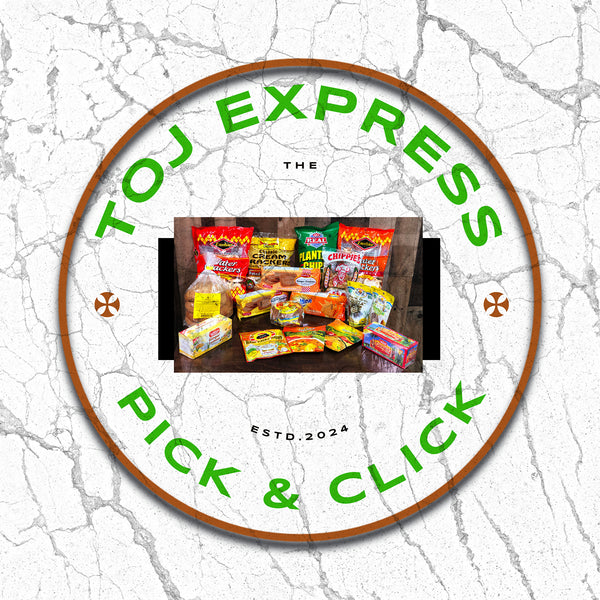

6 Essential Caribbean Grocery Shopping Tips for Atlanta
TOJEXPRESS.COM-Antonio HenryFinding authentic Caribbean groceries in Atlanta takes more than simply choosing items off a supermarket shelf. It can feel overwhelming to know which stores carry real island products and how to spot the staples that make your recipes truly taste like home. Sorting through unfamiliar brands, ingredients, and seasonal favorites leaves many shoppers uncertain about which choices deliver genuine Caribbean flavor.
The good news is that you can use proven shopping strategies to build a pantry that reflects real Caribbean cooking traditions. This list will show you practical steps for identifying must-have staples, selecting the right specialty stores, checking for authentic brands, and tapping into insider community advice.
Get ready to discover actionable insights for navigating Atlanta’s Caribbean grocery scene so you never miss out on the freshest goods, the boldest flavors, or the cultural connections that matter most.
Table of Contents
- 1. Know Your Must-Have Caribbean Staples
- 2. Choose Stores That Specialize in Caribbean Goods
- 3. Read Labels for Authentic Brands and Ingredients
- 4. Ask Store Staff for Product Recommendations
- 5. Plan Ahead for Seasonal and Hard-to-Find Items
- 6. Join Local Caribbean Community Groups for Shopping Tips
Quick Summary
| Key Message | Explanation |
|---|---|
| 1. Stock Essential Caribbean Staples | Build a pantry with key spices, grains, and canned goods crucial for authentic Caribbean dishes. |
| 2. Shop at Specialty Caribbean Stores | These stores offer a wider selection and knowledgeable staff, ensuring better access to authentic ingredients. |
| 3. Read Labels Carefully | Check for origin, brand, and ingredients to avoid generic substitutes and ensure authenticity in products. |
| 4. Engage with Store Staff | Staff can provide valuable recommendations and insights about using unfamiliar products or finding alternatives. |
| 5. Join Local Caribbean Community Groups | Connect with others for shared shopping tips, resources, and support in finding authentic Caribbean ingredients. |
1. Know Your Must-Have Caribbean Staples
Building an authentic Caribbean pantry starts with understanding the foundational ingredients that define island cooking. These staples transform ordinary meals into flavorful, traditional dishes that taste like home.
A well-stocked Caribbean pantry includes essential spices, grains, peas, starches, and canned goods that form the backbone of island cuisine. When you understand what these staples are and why they matter, you can shop strategically and recreate authentic Caribbean meals right in Atlanta.
Core Pantry Ingredients
The most important Caribbean staples fall into several categories:
- Spices and seasonings: Curry powder, bay leaves, scotch bonnet peppers, thyme, garlic, and green seasoning provide the bold flavors Caribbean cooking demands
- Starches and grains: Rice, cassava flour, and traditional root vegetables like yam create the hearty base for most meals
- Legumes: Split peas, black-eyed peas, and dried beans deliver protein and substance to soups and side dishes
- Canned goods and liquids: Coconut milk, canned tomatoes, and various vegetables add depth and convenience to cooking
The soul of Caribbean cooking rests on fresh herbs, aromatics, beans, and spices that define authentic island flavors and tradition.
Spices like curry powder and green seasoning aren’t optional extras. They’re the difference between a generic meal and an authentic Caribbean dish. Fresh herbs like thyme and garlic work together to create that unmistakable island taste.
Canned coconut milk deserves special attention. This ingredient appears in curries, rice dishes, stews, and desserts. One can transforms multiple meals throughout your week. Stock at least two to three cans at any time.
When shopping at your local Atlanta convenience store, prioritize buying dried peas and beans in bulk. They’re affordable, shelf-stable, and essential for everything from peas and rice to hearty soups. Black-eyed peas, split peas, and kidney beans should always be on your list.
Cassava flour and other starches might seem intimidating, but they’re straightforward to use once you understand their purpose. These ingredients are used in everything from cassava bread to traditional side dishes.
Pro tip: Create a checklist of your ten most-used Caribbean staples and keep copies in your kitchen and wallet so you never forget essentials when shopping at the store.
2. Choose Stores That Specialize in Caribbean Goods
Not all grocery stores carry authentic Caribbean products. Shopping at the right stores makes the difference between finding what you need and settling for substitutes.
Specialty Caribbean stores and markets offer a curated selection of local foods and Caribbean-specific products that general supermarkets simply don’t stock. These stores understand your needs and carry ingredients that matter to you and your family.
When you shop at a specialty store, you’re shopping with people who know Caribbean culture. The staff understands what ingredients go into traditional dishes. They can answer your questions and offer recommendations based on real experience, not just training manuals.
Why Specialty Stores Matter
General grocery chains prioritize products with the widest appeal. Caribbean items take up limited shelf space, so they stock only the most common brands and products. Specialty stores flip this equation entirely.
- Better ingredient selection: You’ll find multiple brands of curry powder, ground provisions, and specialty grains instead of just one or two options
- Fresher products: Stores with high Caribbean customer traffic rotate inventory faster, meaning fresher spices and canned goods
- Authentic versions: Products sold at specialty stores are often imported directly, not substitutes created for mainstream markets
- Cultural knowledge: Staff can guide you toward products matching your island traditions and family recipes
- Competitive pricing: Because these stores cater specifically to Caribbean communities, prices often match or beat general supermarkets
Caribbean specialty stores offer a unique shopping experience through authentic products and cultural connection that general supermarkets cannot replicate.
When shopping locally in Atlanta, look for stores that display Caribbean flags, prominently feature Caribbean signage, or advertise specific island products. These visual cues tell you the store prioritizes Caribbean customers and inventory.
Many specialty stores also carry prepared foods, fresh produce specific to Caribbean cooking, and products you won’t find anywhere else. Some offer phone ordering or delivery options, making it even easier to get what you need.
Pro tip: Visit stores early in the week when newly imported products arrive on shelves and selection is at its peak, especially for fresh herbs and specialty items.
3. Read Labels for Authentic Brands and Ingredients
Label reading separates authentic Caribbean products from generic substitutes. Taking thirty seconds to check a label tells you whether you’re buying the real thing or a product that merely looks similar.
When you pick up a product, look at more than just the name. The origin country, ingredient list, and brand name reveal whether you’re holding a true Caribbean product or an imitation. Authentic brands carry cultural significance and ensure you’re cooking with ingredients your family has always used.
What to Look for on Labels
Three key pieces of information matter most when evaluating Caribbean products.
- Country of origin: Check where the product was manufactured or sourced. Authentic Caribbean products list islands like Jamaica, Trinidad and Tobago, Barbados, or Dominica as the source
- Brand recognition: Seek out established Caribbean brands that have been around for decades, not generic or store brands that attempt to mimic them
- Ingredient sourcing: Read the ingredient list to verify the product contains actual Caribbean ingredients, not cheap substitutes or fillers
- Import statements: Products stating “imported from” or “product of” specific Caribbean nations indicate authenticity
Generic or private label products often cost less but contain inferior ingredients or different preparation methods. Distinguishing between authentic local brands and generic products helps you make informed choices about what goes into your meals.
For spices, check whether the label shows the actual spice or mentions “spice blend” and fillers. Authentic curry powder from Caribbean brands contains specific spice combinations your recipes depend on. Generic versions may taste flat or different from what you remember.
Canned goods labels should list the actual product first in ingredients. If you’re buying callaloo, the label should say callaloo, not a vague “leafy greens” description. Coconut milk should list coconut and water primarily, not gums and stabilizers.
Authentic brands play a critical role in cultural production and help you maintain genuine connections to Caribbean heritage through food.
When shopping at Atlanta stores, take a moment to compare similar products side by side. You’ll quickly recognize which brands are trusted Caribbean names and which are attempts to capture that market.
Pro tip: Take photos of your favorite authentic brand labels at home and keep them on your phone so you can reference them while shopping and never accidentally grab the wrong version.
4. Ask Store Staff for Product Recommendations
Don’t shop in silence. Store staff at Caribbean specialty shops possess invaluable product knowledge that can transform your shopping experience and help you find exactly what you need.
Unfamiliar products line Caribbean grocery shelves. When you encounter something you’ve never used before, asking staff becomes your fastest path to understanding. They know which brands work best, how to prepare different items, and which products substitute for others when you can’t find your first choice.
Why Staff Recommendations Matter
Store employees working at Caribbean shops aren’t just cashiers. Many are community members who cook Caribbean food themselves and understand your cooking needs from personal experience.
Product recommendations from knowledgeable staff ease shopping decisions by guiding you toward items that match your preferences and needs. This guidance proves especially valuable when you encounter unfamiliar products requiring explanation or preparation advice.
Staff can answer practical questions like these:
- Which brand of green seasoning tastes most authentic to your island tradition
- How to use cassava flour or other specialty starches you’ve never cooked with
- Whether a product serves as a good substitute for something you can’t find
- What’s currently in stock versus what might arrive next week
- Which canned provisions work best for specific dishes
- How to select ripe plantains or other produce for particular recipes
Store staff with localized product knowledge play a crucial role in recommending appropriate products based on your preferences and cooking situation.
Build relationships with staff members who work regular shifts. They’ll remember your preferences and alert you when special items arrive. Some stores have employees who grew up cooking the same island cuisine you’re recreating.
Don’t hesitate to ask seemingly basic questions. Staff expect these conversations. They understand that cooking traditional meals requires specific ingredients and appreciate customers who care about authenticity.
Many employees also know substitutions and can suggest alternatives when exact items aren’t available. This knowledge saves you shopping time and prevents purchasing the wrong product.
Pro tip: Visit the store at less busy times like mid-morning or mid-week to chat with staff without feeling rushed, and they’ll have more time to answer your detailed questions about products.
5. Plan Ahead for Seasonal and Hard-to-Find Items
Caribbean ingredients aren’t available year-round in Atlanta. Planning ahead prevents frustration and ensures you have what you need when you want to cook your favorite dishes.
Seasonal availability directly impacts what Caribbean products you’ll find on store shelves. Seasonal produce in the Caribbean varies by climate and harvest patterns, meaning certain fresh items, tropical fruits, and vegetables arrive at specific times. Understanding these cycles helps you shop strategically.
Why Planning Matters
Caribbean food markets experience seasonal supply fluctuations that affect availability of traditional items. Some products become scarce during off-seasons, while others flood shelves during peak harvest times.
Hard-to-find items require advance notice and special ordering. When you know what you want before you arrive at the store, staff can help you secure items that don’t sit on shelves regularly. Planning ahead transforms disappointment into successful meal preparation.
Consumers who plan purchases in advance help stabilize the Caribbean food market and ensure better availability for everyone. Your advance orders signal demand, encouraging stores to stock specific items consistently.
Seasonal Items to Know About
These Caribbean staples follow predictable seasonal patterns:
- Fresh provisions: Dasheen, eddoes, and yam have peak seasons when they’re fresh and affordable
- Tropical fruits: Ackee, breadfruit, mango, and soursop arrive seasonally with best quality during their harvest windows
- Fresh herbs: Green seasoning and cilantro availability fluctuates, so buying in bulk during peak season makes sense
- Ground provisions: Plantains, cassava, and sweet potatoes have better quality and lower prices during specific months
- Specialty items: Items like fresh callaloo or specific fish varieties may only appear during certain seasons
Planning grocery shopping around seasonal cycles ensures access to the freshest quality and authentic Caribbean ingredients without disappointment from scarcity.
Build relationships with store staff to learn when items arrive. Many stores receive shipments on specific days. Shopping on those days or calling ahead to place orders guarantees you get what you need.
Stock up during peak seasons for items you use regularly. Dried goods, canned products, and frozen items store well, allowing you to build inventory when prices are lowest and selection is widest.
Pro tip: Keep a running list of items you want to order and call your favorite store weekly to ask about new arrivals, building a habit that keeps you informed about seasonal availability.
6. Join Local Caribbean Community Groups for Shopping Tips
You don’t have to figure out Caribbean grocery shopping alone. Local community groups connect you with experienced shoppers who share insider knowledge about finding authentic ingredients in Atlanta.
Community groups dedicated to Caribbean culture offer more than just social connections. Members exchange practical shopping advice, store recommendations, and recipe ideas based on real experience living in Atlanta. These groups become your personal network of Caribbean cooking experts.
Where to Find Community Groups
Multiple platforms host active Caribbean communities in the Atlanta area. Local Caribbean community groups offer valuable platforms to share shopping tips and find authentic stores while exchanging recipes and cultural insights.
You can search for communities on these platforms:
- Meetup.com: Search for Caribbean social groups, Caribbean expat communities, or island-specific gatherings in Atlanta
- Facebook groups: Join Atlanta Caribbean community pages, island-specific groups, or cooking and recipe exchange communities
- Local churches and cultural centers: Many Caribbean churches and cultural organizations host groups and events
- Community centers: Check Atlanta parks and recreation programs for Caribbean cultural events and groups
What You’ll Learn from These Groups
Active community members share knowledge that saves you time and money:
- Best stores for specific products and competitive pricing across Atlanta locations
- Which brands taste most authentic and which to avoid
- Upcoming shipments of hard-to-find items and seasonal products
- Cooking techniques and traditional recipes using available Atlanta ingredients
- Cultural events where you can buy fresh Caribbean produce directly
- Special ordering options and wholesale buying opportunities
- Tips for substituting items when your first choice isn’t available
Community connections transform your grocery shopping from a solo task into a shared experience where you benefit from collective knowledge and cultural community.
Members often organize group shopping trips to specialty stores. Shopping with others gives you confidence navigating unfamiliar products and helps you discover new items. Group buying sometimes leads to better prices when stores offer discounts for larger orders.
These groups also build friendships with people who understand your cultural background and cooking traditions. You’re not just solving shopping problems; you’re building your Caribbean community in Atlanta.
Pro tip: After joining a group, attend an in-person event or meetup before asking questions so you understand the community culture and connect with members face-to-face.
Below is a comprehensive table summarizing the main strategies and insights regarding building and utilizing an authentic Caribbean pantry in urban locations like Atlanta, as discussed in the article.
| Category | Details | Tips |
|---|---|---|
| Core Ingredients | Includes spices like curry powder and thyme, legumes such as split peas, and canned goods like coconut milk. | Stock items with long shelf lives and high versatility like dried peas and beans. |
| Specialty Stores | Emphasize visiting stores that cater specifically to Caribbean products for authenticity and variety. | Visit during weekdays when new shipments frequently arrive. |
| Reading Labels | Look for product origin, recognized brands, and authentic ingredient listings. | Take reference photos of trusted labels to ensure accurate purchases. |
| Staff Expertise | Engage knowledgeable store employees for recommendations and preparation guidance. | Visit during off-peak hours for more personalized assistance. |
| Community Networks | Join local Caribbean groups for insider shopping tips and cultural connections. | Participate in events and group shopping trips to enhance the experience. |
This table encapsulates the article’s key points, offering actionable guidance to individuals seeking to recreate authentic Caribbean meals.
Find Authentic Caribbean Staples Easily at TOJ EXPRESS
Finding the right Caribbean grocery items in Atlanta can be challenging when you need authentic flavors and trusted brands. This article highlights how essential it is to choose the right spices, grains, and canned goods to bring those rich island tastes into your kitchen. At TOJ EXPRESS, we understand the pain points of limited selections and confusing labels. Our carefully curated Seasonings collection offers the bold flavors you need like curry powder and green seasoning that are key to authentic Caribbean cooking.
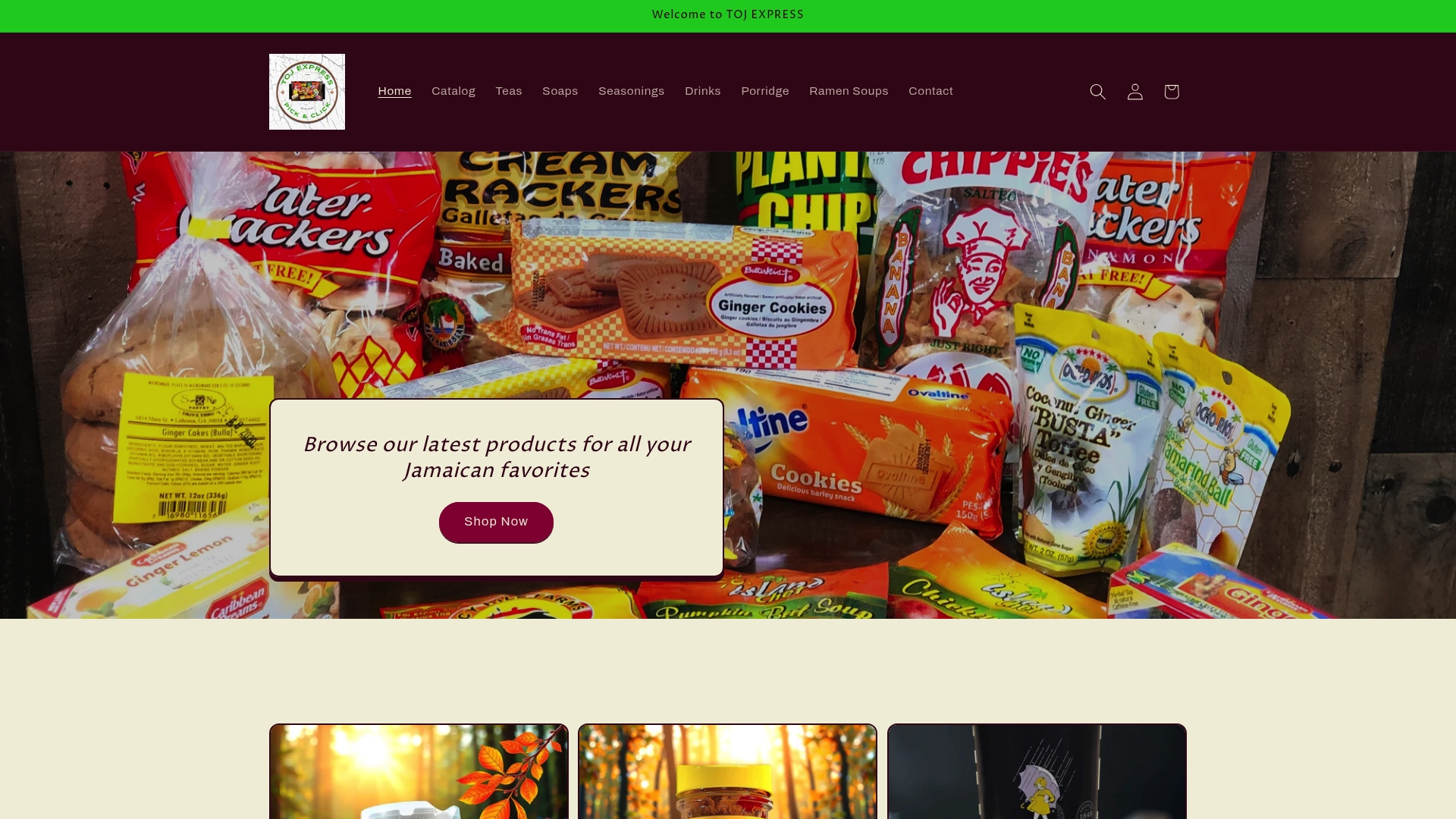
Start shopping with confidence today and avoid the frustration of settling for substitutes. Explore our full range of American and Caribbean products on our Home page – TOJ EXPRESS. With quality ingredients in stock and a dedicated focus on Caribbean cuisine, we make it easier for you to stock your pantry and cook beloved recipes. Visit https://tojexpress.com now and bring the real taste of the Caribbean into your home.
Frequently Asked Questions
What are the must-have Caribbean staples for my pantry?
A well-stocked Caribbean pantry includes essential spices like curry powder and thyme, as well as grains such as rice and cassava flour. Start by creating a checklist of at least ten staples commonly used in Caribbean cooking to avoid missing key ingredients during your shopping trips.
How can I ensure I’m buying authentic Caribbean products?
To buy authentic Caribbean products, check the label for important details like the country of origin and the brand name. Focus on established brands from the Caribbean islands, ensuring that the ingredient list includes authentic components rather than cheap substitutes.
What tips help me when shopping at Caribbean specialty stores?
When shopping at Caribbean specialty stores, interact with the staff to ask for product recommendations. Building a relationship with employees can help you discover hard-to-find items and get advice on how to use unfamiliar ingredients.
How can I plan for seasonal Caribbean ingredients?
To effectively plan for seasonal Caribbean ingredients, familiarize yourself with harvest cycles for fresh provisions like plantains and tropical fruits. Keep a list of items you want to order and regularly check with local stores about when they receive new shipments, aiming to shop shortly after deliveries for the best selection.
What local community resources can I use for Caribbean grocery shopping tips?
Join local community groups focused on Caribbean culture to gain valuable grocery shopping tips and recipe ideas. Platforms like Meetup or Facebook can connect you with experienced shoppers who share insights on stores and ingredients, enhancing your shopping experience.
How can I effectively read labels while shopping for Caribbean groceries?
Effective label reading involves checking for the country of origin, brand recognition, and ingredient list details. Make a habit of comparing similar products side by side to easily distinguish authentic Caribbean brands from generic ones, which can help ensure you select the right ingredients for your meals.