

The Role of Chilled Drinks in Health and Social Life
TOJEXPRESS.COM-Antonio HenryTL;DR:
- Chilled drinks cool the body faster and encourage higher hydration through sensory preference. Cold beverages also serve as social signals of comfort and hospitality across cultures. Choosing low-sugar options enhances health benefits while maintaining the refreshing experience.
Chilled drinks are defined as beverages served at temperatures below room temperature, typically between 4°C and 15°C, and their role spans physical refreshment, hydration support, and social connection. Cold beverages cool the body faster than room-temperature drinks, making them a go-to choice during summer heat, exercise, and gatherings. The science behind how chilled drinks refresh is well established, and so is their cultural weight. From a backyard barbecue in Georgia to a Caribbean celebration, cold drinks signal hospitality, comfort, and shared enjoyment. Understanding their full impact helps you make smarter choices for your health and your next gathering.
How do chilled drinks affect the body’s hydration and temperature?
Cold beverages cool the body through a staged thermal exchange process. The cooling begins in the oral cavity, moves through the esophagus, reaches the stomach, and then enters systemic circulation. Each stage pulls heat away from surrounding tissue. Drinking 500ml of cold water at 4°C absorbs nearly 3 times more heat from the body than the same volume at room temperature (25°C). That difference matters most when your core temperature is rising fast.
During exercise, the effect is even more pronounced. Cold water ingestion during exercise reduces core body temperature by 0.4–0.7°C compared to thermoneutral water, delaying heat exhaustion and improving performance. Athletes and outdoor workers benefit directly from this cooling advantage. A cold Gatorade Glacier Freeze after a workout does more than quench thirst. It actively lowers your core temperature.
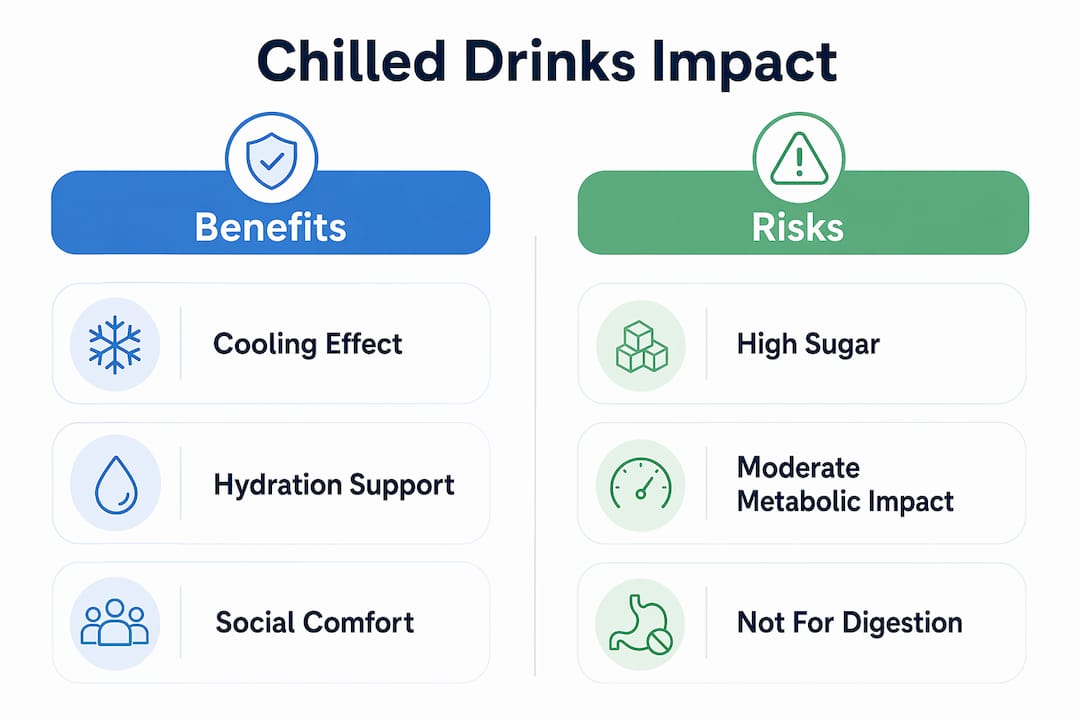
One persistent myth is that cold drinks slow digestion or block nutrient absorption. Cold drinks do not impair digestion or nutrient absorption. The body rapidly warms consumed liquids to core temperature, making any effects transient. No scientific evidence supports the idea that cold drinks disrupt digestion.
The metabolic angle is worth addressing directly. Energy expenditure rises only slightly with cold water versus room-temperature water, roughly 2.9% versus 2.3% over 90 minutes. That gap is real but too small to drive meaningful weight loss on its own. Cold water is not a weight-loss tool. It is a cooling and hydration tool.
Pro Tip: Aim for beverages served between 4°C and 15°C for the best balance of cooling effect and comfort. Drinks colder than 4°C can trigger mild gastrointestinal discomfort in some people, especially when consumed quickly.
| Temperature | Cooling effect | Best use case |
|---|---|---|
| 4°C (very cold) | Highest heat absorption | Exercise, heat stress, post-workout |
| 10–15°C (cool) | Moderate heat absorption | Daily hydration, social drinking |
| 25°C (room temp) | Lowest heat absorption | Digestion support, relaxation |
Why do chilled drinks matter in social and cultural settings?
Cold beverages function as universal social lubricants, lowering social anxiety and signaling hospitality in communal settings across cultures. Offering someone a cold drink is one of the oldest gestures of welcome. From Caribbean rum punch served over ice to American iced tea at a summer cookout, the ritual of sharing a cold beverage carries meaning beyond the drink itself.

The psychology behind this is straightforward. Cold drinks are psychologically associated with comfort and refreshment, especially after sun exposure or exercise, triggering brain reward centers and pleasurable sensations. That reward response is why reaching for a cold drink feels instinctive, not just logical. Your brain has been conditioned to connect cold with relief.
Retail environments reinforce this connection deliberately. Retail displays use condensation and frosty visuals to create sensory cues that enhance impulse buying of cold drinks by triggering perceptions of freshness and satisfaction. A sweating bottle in a cooler communicates “cold and ready” without a single word. These temperature cues act as non-verbal confirmations that influence consumer behavior at the point of purchase.
For parties and gatherings, the choice of chilled beverages shapes the mood of the event. Cool drinks for parties work best when they match the occasion:
- Casual backyard events: Iced lemonade, sparkling water, and fruit-infused drinks keep things light and refreshing
- Sports and active gatherings: Electrolyte drinks like Gatorade Glacier Cherry replace what exercise takes out
- Celebrations and mixers: Custom chilled cocktails and mocktails add a personal touch; custom drinks for events create memorable experiences for guests
- Everyday social moments: A cold soda or energy drink shared between friends signals downtime and connection
“The best chilled drink for any occasion is the one that fits the moment. A cold water after a run and a chilled cocktail at a party both serve the same core purpose: they mark a pause, a reward, and a shared experience.”
Pro Tip: Match your chilled beverage to the social context. Electrolyte drinks work at active events. Sparkling water or lightly flavored drinks suit more relaxed settings. The right choice makes the moment feel intentional.
What are the health benefits and risks of cold beverages?
The health picture for chilled drinks is not one-sided. Cold beverages support hydration when chosen wisely, but many popular options carry real risks tied to sugar content. The WHO links excessive free sugars to obesity and type 2 diabetes risks. That connection is direct and well-documented.
High sugar content in many chilled beverages creates a specific hydration problem. Sugar can impede hydration by increasing osmotic water movement into the digestive tract, leaving the body less hydrated despite the refreshment sensation. You feel refreshed, but your cells may still be short on water. That gap between perceived and actual hydration is where sugary drinks mislead most people.
The comparison between cold and room-temperature drinks for hydration comes down to preference and compliance. Health-conscious consumers benefit most from chilling drinks that encourage higher fluid intake without excess sugars. If a cold drink makes you drink more water, it wins over a room-temperature drink you avoid. Hydration only works when you actually drink.
| Beverage type | Hydration effect | Health consideration |
|---|---|---|
| Cold water (no sugar) | High | Best overall choice |
| Cold electrolyte drink (low sugar) | High | Good for exercise recovery |
| Cold sugary soda | Low to moderate | Risk of dehydration, obesity |
| Room-temperature herbal tea | Moderate | Supports digestion, calm |
| Cold energy drink | Variable | Watch caffeine and sugar levels |
Pro Tip: When choosing chilled beverages for hydration, look for options with low or no added sugar. Products like Celsius Tropical Vibe offer a cold, flavorful option without the sugar load of traditional sodas.
How do personal preference and situation shape your cold drink choices?
Personal preference is the single biggest driver of hydration success. The choice between cold or room-temperature beverages hinges on what encourages sufficient fluid intake. If you drink more when the beverage is cold, cold is the right choice for you. Hydration science supports whatever gets the liquid in.
Situational triggers also shape what you reach for. Heat, exercise, social moments, and mood all shift your preference in real time. Here is how different situations call for different approaches:
- During exercise or outdoor heat: Reach for a cold electrolyte drink like Gatorade Frost to replace fluids and minerals lost through sweat
- After a meal: Warm liquids promote calm and digestive function, making herbal tea or warm water a better post-meal choice than ice-cold beverages
- At a social gathering: A chilled drink signals participation and relaxation; the social context makes cold the default expectation
- During a stressful workday: A cold sparkling water or lightly flavored drink can serve as a mental reset without adding sugar or caffeine
- Before bed: Room-temperature or warm drinks support sleep and digestion better than cold options
Modern consumer chilled drink consumption has shifted from pure functionality toward lifestyle and mood-driven behaviors, amplified by digital ordering platforms. You no longer need to be at a store to act on a cold drink craving. Apps and delivery services have made impulse purchases of chilled beverages faster and easier than ever. That shift changes how, when, and why people drink cold beverages.
The preference for cold drinks is rooted in both physiological cooling needs and deep psychological conditioning linking cold with comfort. Recognizing that connection helps you make more deliberate choices. You can use that preference to your advantage by keeping low-sugar, cold options accessible at home and at work.
Pro Tip: Keep a variety of chilled, low-sugar beverages stocked at home so your default reach is a healthy one. Exploring specialty beverage options can make hydration feel less like a chore and more like a daily pleasure.
Key Takeaways
Chilled drinks serve their most important role when they combine genuine cooling power, low sugar content, and a social or situational fit that makes you drink more consistently.
| Point | Details |
|---|---|
| Cold drinks cool faster | A 4°C drink absorbs nearly 3 times more body heat than a room-temperature drink. |
| Sugar undermines hydration | High-sugar chilled drinks can leave you less hydrated despite feeling refreshed. |
| Social context drives consumption | Over 75% of chilled drink purchases are socially or impulse-driven. |
| Digestion myths are false | Cold drinks do not impair digestion; the body warms liquids rapidly after consumption. |
| Preference determines compliance | The best chilled drink is the one you will actually drink consistently. |
My take on where chilled drinks are really headed
The conversation around cold beverages has changed. When I started paying close attention to how people actually drink, not how they say they drink, the pattern was clear. Cold drinks stopped being just about thirst a long time ago. They became about identity, mood, and social signaling.
What concerns me is the gap between the refreshment sensation and actual hydration. A sugary soda feels like it hits the spot, but it can leave your body more depleted than before. That is not a minor footnote. It is the central tension in how most people consume chilled beverages today.
The trend I find genuinely interesting is the move toward low-sugar, functional cold drinks. Products like Celsius and reformulated electrolyte drinks are gaining ground because they deliver the cold, flavorful experience people want without the health cost. That is not a passing trend. It reflects a real shift in consumer awareness.
My advice is simple. Use your preference for cold drinks as a tool. Stock your fridge with options that actually hydrate you. Treat the social and sensory pleasure of a cold drink as a feature, not a flaw. Just make sure the drink you are reaching for is working for you, not against you.
— ANTONIO
Discover your next favorite chilled drink at Tojexpress
Tojexpress carries a wide selection of American and Caribbean beverages, all available for convenient digital ordering. Whether you need a cold electrolyte drink after a workout, a flavorful energy drink for a long afternoon, or cool drinks for your next party, Tojexpress has options that match your moment.
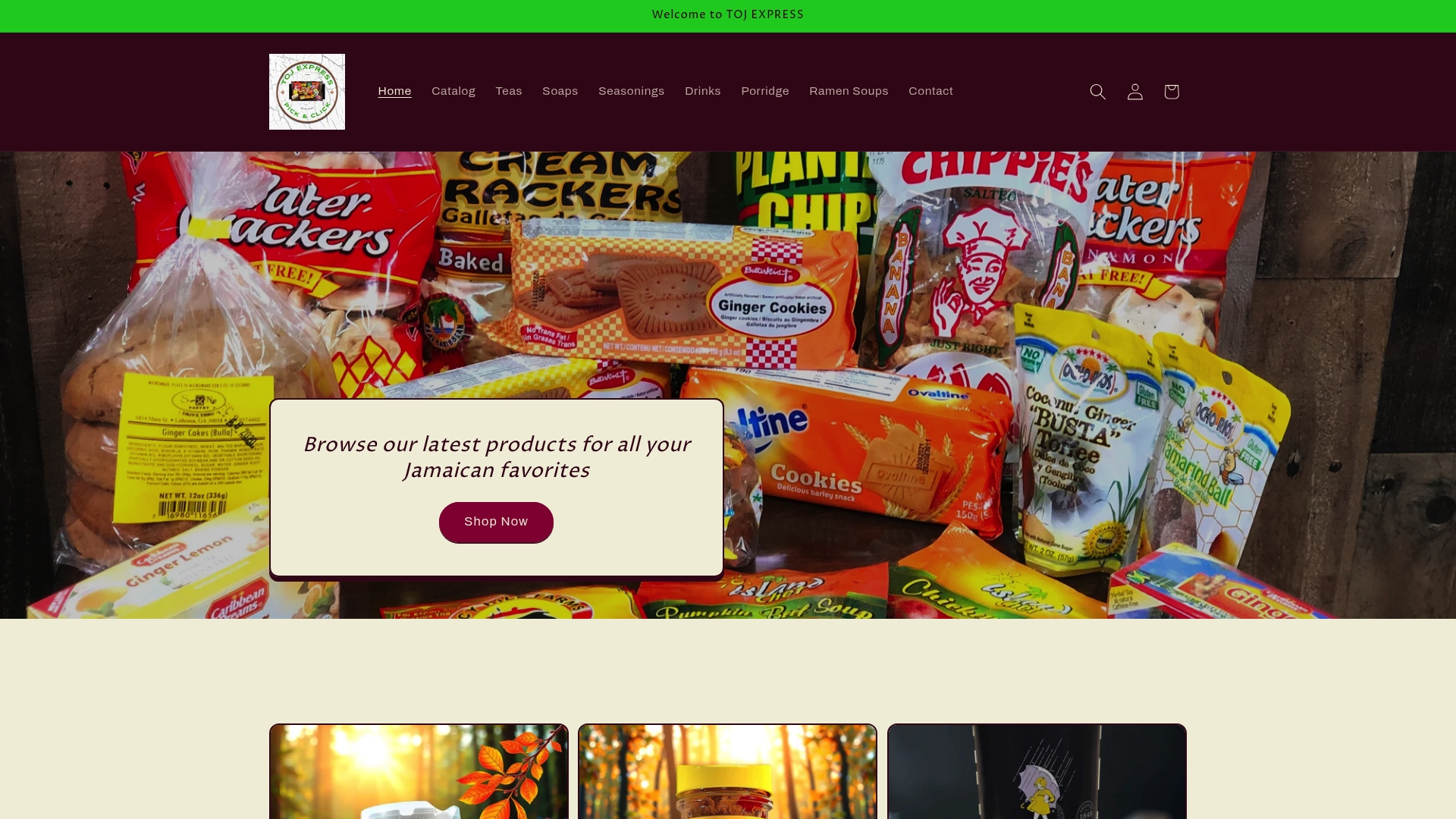
From Gatorade MASHUPS to Celsius energy drinks, the selection covers both everyday hydration and special occasions. Ordering online means your favorites arrive ready to chill. Visit Tojexpress to browse the full range and find the cold beverage that fits your lifestyle.
FAQ
What is the main role of chilled drinks?
Chilled drinks deliver faster body cooling, support hydration, and serve as social and cultural signals of comfort and hospitality. Their role spans both physical function and social experience.
Do cold drinks actually hydrate better than room-temperature drinks?
Cold drinks do not hydrate more efficiently by chemistry alone, but they encourage higher fluid intake because people prefer drinking them. Higher intake means better hydration overall.
Are chilled drinks bad for digestion?
No. Cold drinks do not impair digestion or nutrient absorption. The body rapidly warms consumed liquids to core temperature, making any digestive effect transient and insignificant.
Which chilled drinks are the healthiest options?
Cold water and low-sugar electrolyte drinks like Gatorade Glacier Freeze are the healthiest choices. They cool the body and support hydration without the sugar load that undermines health.
Why do cold drinks feel so refreshing in summer?
Cold drinks trigger brain reward centers and create pleasurable sensations tied to relief from heat. That psychological response, combined with real thermal cooling, explains why chilled drinks in summer feel so satisfying.