
Why Specialty Beverages Are Worth Your Attention
TOJEXPRESS.COM-Antonio HenryTL;DR:
- Specialty beverages emphasize high-quality ingredients, intentional preparation, and unique sensory experiences. They offer genuine health benefits, cultural significance, and reflect consumer shifts toward wellness and authenticity. Awareness of safety and sourcing is essential to enjoy these beverages responsibly and intentionally.
Specialty beverages get dismissed as overpriced or trendy, but that misses the point entirely. The real question of why specialty beverages matter goes deeper than aesthetics or Instagram appeal. These drinks carry distinct ingredients, cultural histories, and in many cases measurable health effects that standard mass-market beverages simply cannot match. Whether you are drawn to Caribbean fermented traditions, wellness-forward functional drinks, or bold craft sodas with genuine flavor complexity, there is a reason the category keeps growing. This article breaks down what actually separates specialty beverages from the rest.
Table of Contents
- Key takeaways
- Why specialty beverages stand apart from ordinary drinks
- Health benefits of specialty drinks
- Caribbean and American cultural roots
- Specialty drinks popularity and market trends in 2026
- Choosing specialty beverages wisely
- My honest take on why this all matters
- Discover authentic specialty beverages at Tojexpress
- FAQ
Key takeaways
| Point | Details |
|---|---|
| Specialty means substance | Specialty beverages differ from standard drinks through ingredient quality, preparation methods, and sensory complexity. |
| Health benefits are real but specific | Fermented drinks like kombucha and kefir offer probiotic benefits, but effects depend on strain, dosage, and formulation. |
| Culture drives connection | Caribbean drinks like mauby carry generational heritage that transforms drinking into a meaningful ritual. |
| Gen Z is reshaping demand | Younger consumers favor fizz-free, functional beverages over traditional sodas and energy drinks. |
| Safety awareness matters | Even specialty beverages carry supply chain risks, as shown by recent FDA recalls. |
Why specialty beverages stand apart from ordinary drinks
The phrase “specialty beverage” gets applied loosely, so it is worth pinning down what it actually means. At its core, a specialty beverage is defined by three things: the quality of its ingredients, the intentionality of its preparation, and the experience it delivers to the person drinking it.
Mass-market sodas rely on standardized formulas designed for maximum consistency and minimum cost. Specialty beverages go the opposite direction. They use whole fruits, fermented cultures, botanicals, exotic bark extracts, or small-batch flavor compounds that create layered sensory profiles you cannot replicate with artificial flavoring.
Here is what typically defines a beverage as specialty:
- Distinctive ingredients: Real fruit, fermented cultures, heritage botanical extracts, or single-origin tea leaves
- Artisanal or craft preparation: Small-batch brewing, traditional fermentation, or carefully controlled cold-press methods
- Functional purpose: Probiotics for gut health, adaptogens for calm energy, or antioxidants for cellular defense
- Cultural or regional identity: Drinks rooted in specific communities, traditions, or agricultural histories
- Elevated sensory complexity: Flavor profiles that evolve from the first sip to the finish, not just “sweet” or “fizzy”
The difference between a craft ginger beer brewed with real ginger root and a mass-market ginger ale is not just price. It is everything. The ingredients, the preparation, the flavor experience, and the story behind the bottle are all fundamentally different. When you start understanding what you are actually drinking, the importance of gourmet beverages becomes obvious rather than pretentious.
Pro Tip: When evaluating a specialty beverage, flip the bottle and read the ingredient list before anything else. If the first three ingredients are water, high-fructose corn syrup, and artificial flavor, it is not specialty regardless of what the label claims.
Health benefits of specialty drinks
Fermented specialty beverages have earned significant scientific attention, and for good reason. Kombucha’s fermentation process produces catechins, organic acids, tannins, and bioactive compounds linked to gut health and chronic disease prevention. The microbial SCOBY culture that drives fermentation creates a biochemically active product that no amount of added vitamins can replicate in a conventional drink.
Kefir follows a similar principle. Clinical studies on kefir support a range of health effects including improved digestion, reduced inflammation, better blood pressure regulation, and metabolic benefits. The fermented substrate itself, whether dairy-based or water-based, shapes the bioactivity of the final product in ways that differ from batch to batch and brand to brand.
Here is a quick reference on what the research shows:
| Beverage | Primary health benefit | Evidence strength |
|---|---|---|
| Kombucha | Gut microbiome support, antioxidant activity | Moderate, growing |
| Kefir | Digestion, inflammation reduction | Strong clinical support |
| Specialty coffee | Antioxidant delivery, metabolic support | Well documented |
| Mauby bark drink | Anti-inflammatory, traditional use | Limited formal research |
The nuance that most wellness marketing skips is this: not all probiotic drinks guarantee uniform health effects. Strain selection, dosage, and the context of consumption all determine whether you actually experience any benefit. A kombucha with low live culture viability due to poor storage will not deliver the same results as one that maintained viable microbe thresholds of around 6 to 7 log CFU throughout its shelf life.
The honest answer is that specialty fermented drinks offer real but conditional benefits. They are not medicine. They work best as part of a broader approach to eating and drinking well. Specialty coffee, for example, is worth exploring from a health angle. Research on coffee’s antioxidant properties shows measurable advantages for metabolic and cardiovascular health when consumed thoughtfully. The same principle applies across the specialty category.
Pro Tip: Look for fermented specialty beverages stored in refrigerated sections rather than shelf-stable displays. Refrigeration helps preserve live culture viability, which directly affects the functional benefits you receive.
Caribbean and American cultural roots
Some beverages do more than hydrate. They carry memory, identity, and community. This is where the cultural importance of specialty beverages becomes impossible to separate from the drink itself.
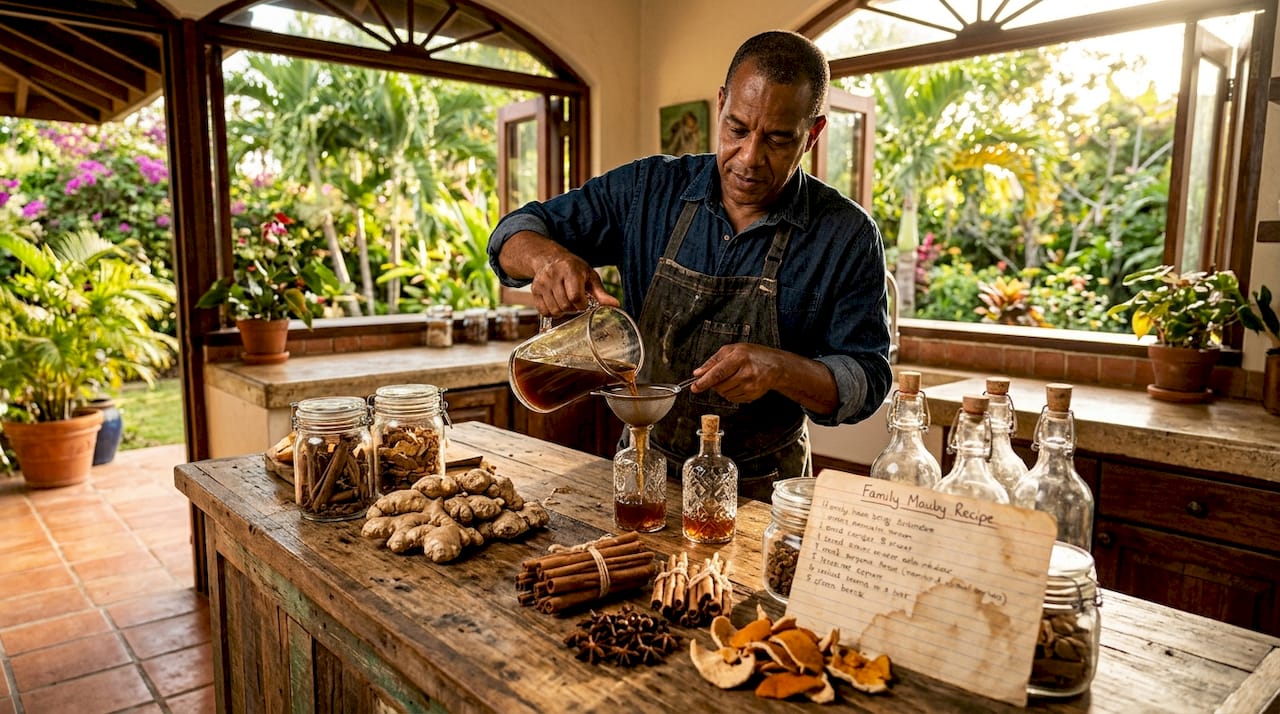
Take mauby, also known as mabi across different Caribbean islands. This fermented bark drink has roots going back to the 19th century English and Spanish Caribbean. Street vendors sold it as a daily staple long before kombucha appeared on American grocery shelves. The Dominican Republic has active preservation efforts around mauby because the drink represents more than refreshment. It represents who people are.
What makes Caribbean heritage drinks especially fascinating is how they are made. Traditional Caribbean fermentation relies on household-specific starter cultures passed down through generations, meaning every family’s batch carries its own microbial fingerprint. The flavor is genuinely unique to the person who made it. No two batches are identical. That is the opposite of mass production.
Here are four ways cultural heritage drives the value of specialty beverages:
- Identity and belonging: Drinking a traditional Caribbean beverage connects you to a community and a lineage, not just a flavor profile.
- Ritual and rhythm: Many heritage drinks are tied to specific times of day, celebrations, or family gatherings, creating emotional context around the drinking experience.
- Artisanal knowledge preservation: Traditional fermentation methods represent centuries of practical food science passed through families and communities.
- Flavor diversity: Caribbean beverages introduce bitter-sweet, bark-forward, spiced, or floral profiles that most American palates have never encountered, expanding what we understand “refreshing” to mean.
When you explore Caribbean drink culture, you are not just trying something new. You are stepping into a living tradition that has been refined by generations of real people. That is a fundamentally different experience from picking up a can of generic soda.
Specialty drinks popularity and market trends in 2026
The market has been sending a clear signal: consumers want more from their beverages. Gen Z consumers are leading a shift away from carbonated sodas and seltzers toward fizz-free, functional beverages built around tea, adaptogens, and botanical ingredients. This is not a minor preference shift. It is a redefinition of what a satisfying drink is supposed to do.
Mainstream brands have noticed. McDonald’s USA launched a first-ever crafted soda lineup in 2026 featuring freeze-dried fruits, boba, and cold foam. The fact that a global fast food chain moved this direction tells you how far specialty beverage appeal has penetrated mainstream culture. This is not niche anymore.
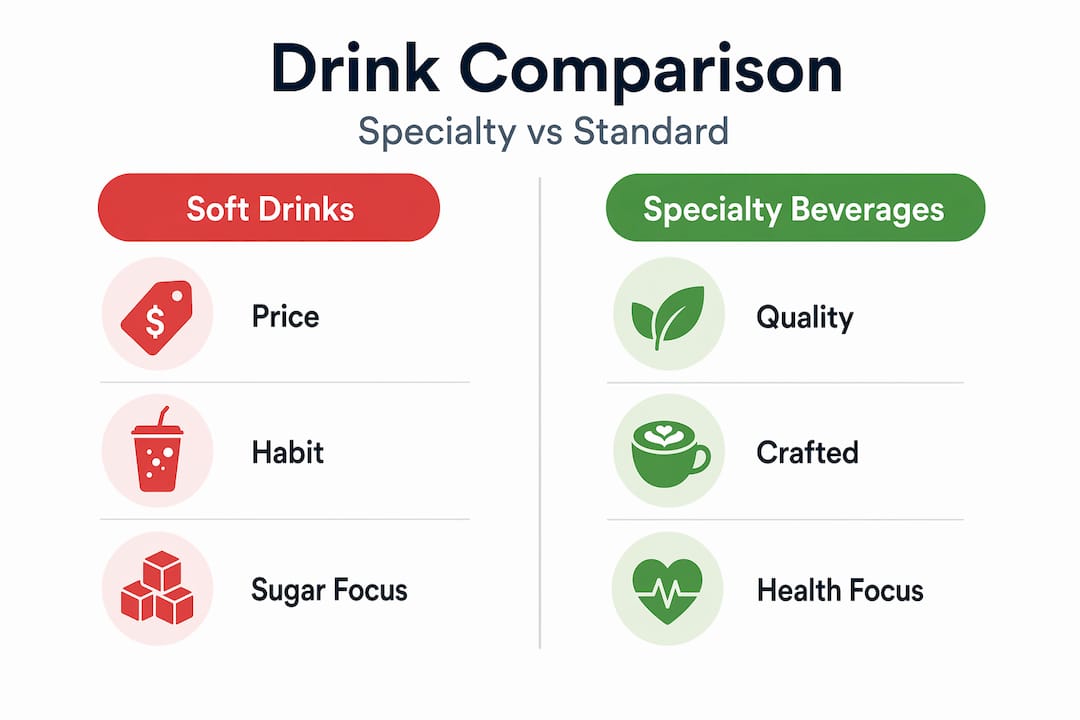
| Category | Traditional soft drinks | Specialty beverages |
|---|---|---|
| Primary driver | Thirst, habit, price | Wellness, experience, identity |
| Ingredient focus | Artificial flavor, sugar | Real fruit, botanicals, cultures |
| Consumer age skew | Broad, older loyalists | Gen Z, health-conscious adults |
| Functional purpose | None | Energy management, gut health, calm focus |
| Emotional value | Low | High |
Industry research shows that consumers now view specialty beverages as tools for emotional regulation and managed energy rather than simple thirst quenchers. This shift connects directly to the broader wellness conversation happening across food, fitness, and mental health. Beverages like adaptogenic teas or probiotic sodas are purchased because they help people feel a specific way, not just because they taste good. You can read more about the emotional side of food and drink choices and how they connect to overall wellbeing.
Choosing specialty beverages wisely
Knowing why to choose craft beverages is one thing. Knowing how to choose them safely and authentically is another.
Safety matters more than most consumers realize. A 2026 FDA recall involved multiple specialty beverages distributed across states through cafes and direct delivery channels, flagged for Salmonella risk. The complexity of specialty beverage supply chains, with their artisanal sourcing and smaller-scale production, can introduce risks that industrial beverages have better systems to detect. Staying informed about active recalls is part of being a smart specialty beverage consumer.
Here is how to choose well:
- Check FDA recall lists periodically, especially if you buy through direct delivery or smaller distributors
- Research the producer, not just the brand. Authentic artisanal beverages come from producers who are transparent about their sourcing and fermentation methods
- Look for live culture labeling on fermented drinks rather than vague “probiotic” claims without specifics
- Start with cultural context. If a Caribbean beverage like Baba Roots comes with a community history and recognizable traditional preparation, that is a signal of authenticity
- Pair thoughtfully. Bitter bark drinks like mauby pair well with spiced or savory foods. Kombucha’s acidity complements rich or fatty dishes. Treat specialty beverages the way you would wine or craft beer when it comes to food pairing
Pro Tip: When trying a new fermented specialty beverage for the first time, start with a small amount and see how your body responds before making it a daily habit. Individual reactions to live cultures vary significantly.
My honest take on why this all matters
I have spent years paying attention to what people actually drink versus what they say they drink, and the gap is usually significant. People tell you they care about health. Then they grab the cheapest energy drink at checkout without reading a single ingredient.
What I have come to understand is that specialty beverages are not about being sophisticated or health-obsessed. They are about intentionality. When you pick up a traditionally fermented Caribbean drink or a craft soda made with real botanicals, you are making a choice that reflects actual values. That means something. It changes the experience of drinking from automatic to deliberate.
I have also seen how easy it is to get swept up in health claims that are technically true but practically meaningless. “Contains probiotics” sounds great until you learn that the live culture count is too low to do anything useful. The science is real, but the marketing often runs ahead of it. My advice is to enjoy specialty beverages for everything they genuinely offer: the flavor complexity, the cultural story, the occasional functional boost. Do not chase miracle claims.
The most rewarding specialty beverage experiences I have had came from curiosity, not health anxiety. Try mauby because it is fascinating, not because someone said it cures something. Try a single-origin cold brew because the flavor profile is unlike anything mass-market coffee can produce. That exploratory mindset will serve you better than any wellness checklist.
— ANTONIO
Discover authentic specialty beverages at Tojexpress
At Tojexpress, we carry American and Caribbean specialty beverages chosen specifically because they are the real thing.
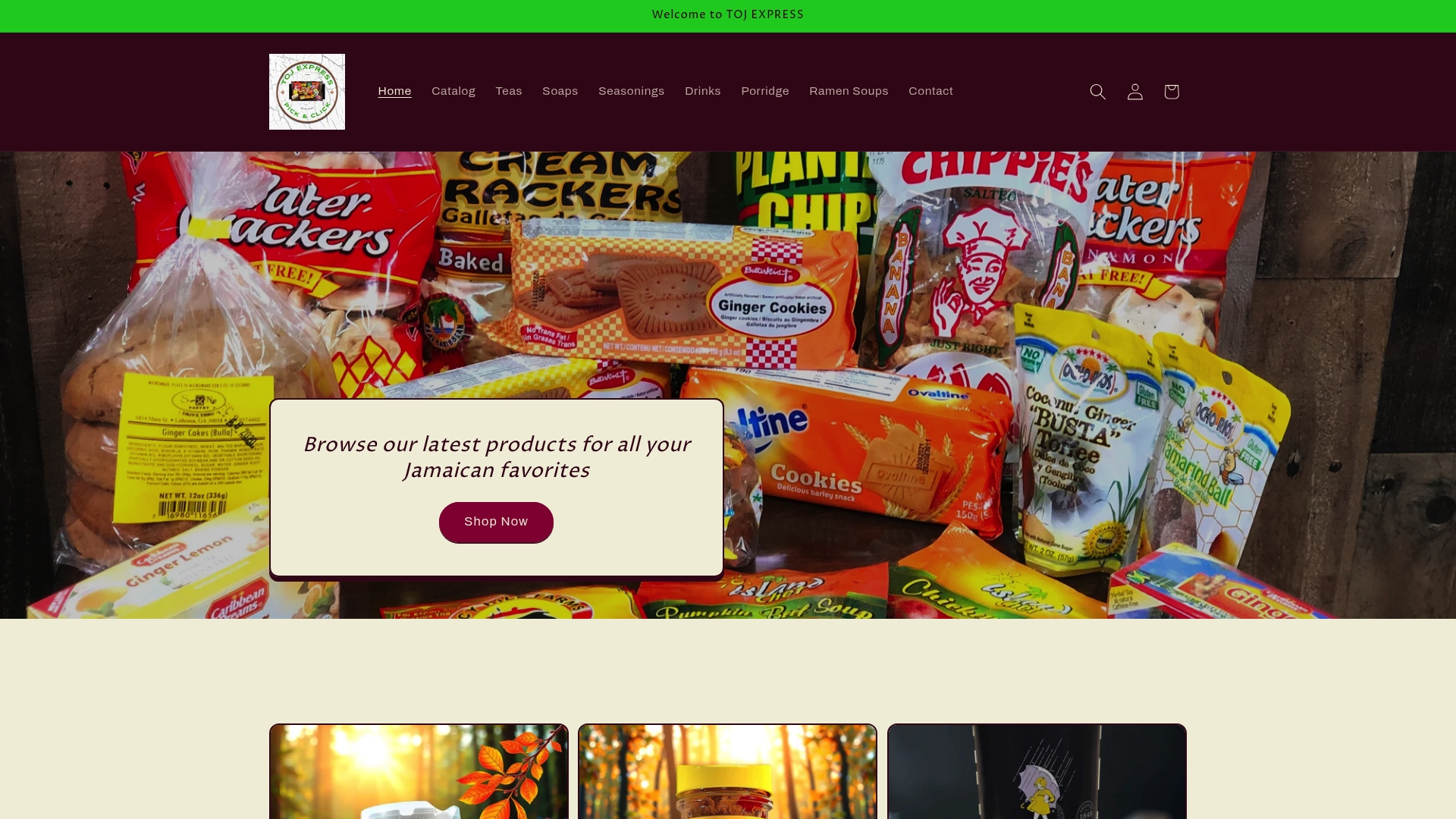
Our selection includes authentic Caribbean drinks with genuine cultural roots, fermented beverages with traceable ingredients, and craft options that go well beyond what you find in a standard convenience store. Whether you are looking for a traditional Caribbean specialty drink with heritage behind it or want to explore American and Caribbean flavor trends in 2026, Tojexpress is the place to start. Browse our full collection at Tojexpress and find the specialty beverages worth adding to your regular rotation.
FAQ
What are specialty beverages exactly?
Specialty beverages are drinks defined by high-quality ingredients, intentional preparation methods, and elevated flavor or functional complexity. They include fermented drinks, craft sodas, botanical beverages, and heritage cultural drinks that mass-market production cannot replicate.
What are the main health benefits of specialty drinks?
Fermented specialty drinks like kombucha and kefir contain probiotics and bioactive compounds that support gut health, reduce inflammation, and contribute to metabolic wellness. Benefits depend on live culture viability, strain specificity, and how the beverage is stored and consumed.
Why choose craft beverages over standard drinks?
Craft beverages use real, traceable ingredients and preparation methods that deliver more complex flavors and, in many cases, functional health properties. Standard drinks prioritize cost consistency over ingredient quality, which limits both the sensory and health experience.
Are all specialty beverages safe to drink?
Most are, but safety is not guaranteed. A 2026 FDA recall flagged multiple specialty beverages for Salmonella contamination, showing that smaller supply chains carry real risks. Buying from reputable producers and checking current recall notices reduces that risk significantly.
Why are specialty beverages growing in popularity?
Consumers, especially Gen Z, are shifting toward beverages that deliver emotional regulation, managed energy, and genuine wellness benefits rather than just sugar and carbonation. This trend is pushing both independent producers and mainstream brands to expand their specialty offerings.