

What is food fusion? Flavors of America and the Caribbean
TOJEXPRESS.COM-Antonio HenryTL;DR:
- Fusion cuisine is a centuries-old culinary practice born from migration and cultural exchange that blends ingredients and techniques to create new flavor stories. Successful fusion relies on harmony of flavors, compatible techniques, and cultural coherence, emphasizing respect and research of source traditions. Home cooks should focus on mastering familiar formats, understanding flavor identities, and sourcing authentic ingredients, especially from local Caribbean communities, to craft meaningful and authentic fusion dishes.
Fusion cuisine is not a modern invention. Centuries of cultural exchange through migration, trade, and colonization have always pushed culinary traditions into each other, creating entirely new flavor languages. What is food fusion, really? At its core, it is the art of blending ingredients, techniques, and flavors from two or more culinary worlds to create something that could not exist in either tradition alone. For home cooks in Atlanta sitting at the crossroads of Southern American and Caribbean food culture, that means extraordinary creative territory. This article gives you the roadmap.
Table of Contents
- Understanding the essence of food fusion
- Exploring American and Caribbean fusion: tangible examples
- Balancing cultural respect and creativity in fusion cooking
- Practical tips for crafting your own American-Caribbean fusion dishes
- Comparing fusion food approaches: tradition, innovation, and flavor
- Rethinking fusion cuisine: beyond mixing to meaningful flavor dialogue
- Discover authentic Caribbean flavors and seasonings at TOJ Express
- Frequently asked questions
Understanding the essence of food fusion
The food fusion definition most people carry is incomplete. Most assume fusion just means tossing a mango into a burger or sprinkling jerk seasoning onto a taco. That is mixing, not fusion. True fusion, the kind worth eating, goes deeper.
Fusion involves merging cooking methods alongside ingredients, then carefully balancing flavors and mouthfeel so the result feels intentional rather than accidental. It is the difference between a dish that surprises you in a good way and one that just tastes confused. Think about Tex-Mex, one of the most successful examples of food fusion in American history. It did not just take Mexican ingredients and serve them in an American restaurant. It adopted the format of American fast-casual dining, brought in authentic chili pepper traditions and masa techniques, and created a new culinary identity that neither Texas nor Mexico owned exclusively.
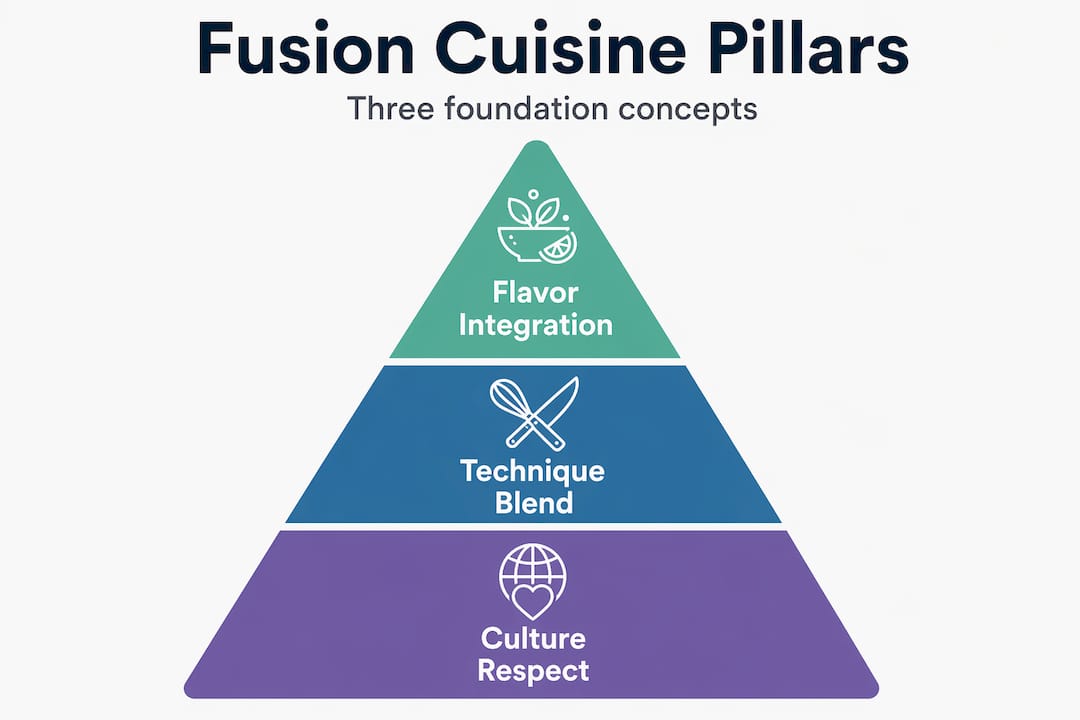
What makes fusion work comes down to three pillars:
- Flavor harmony. Bold flavors need counterweights. Caribbean heat from scotch bonnet peppers needs something sweet, creamy, or acidic to balance it. Without that balance, the dish exhausts the palate.
- Technique compatibility. Grilling works across both American BBQ and Caribbean jerk traditions. That overlap makes fusion natural. Trying to fuse a French bouillabaisse technique with West African groundnut stew is harder because the methods pull in completely different directions.
- Cultural coherence. The best fusion dishes tell a story. The two traditions you are combining should have some logical connection, whether geographic, historical, or flavor-based.
Understanding these three pillars is what separates successful food mashup ideas from forgettable experiments.
Exploring American and Caribbean fusion: tangible examples
With fusion principles clear, let’s look at what American and Caribbean fusion actually looks like on a plate.
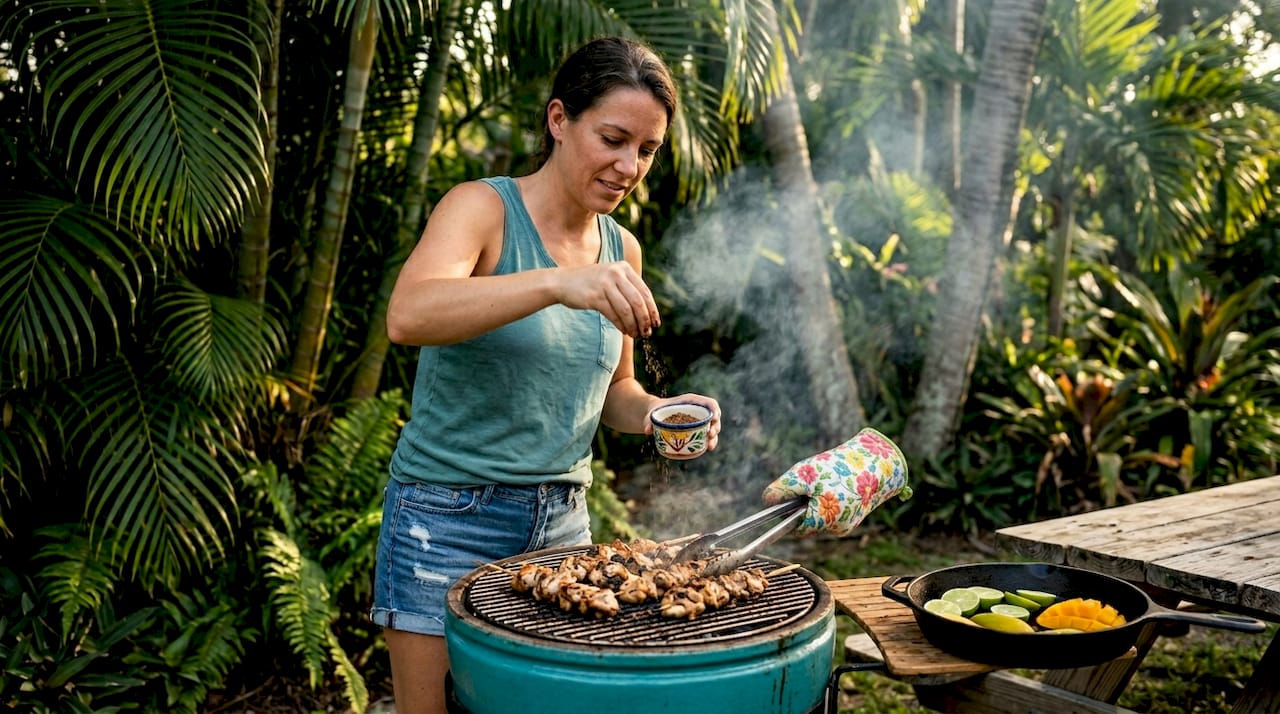
Caribbean-style chicken satay is a great entry point. The satay format comes from Southeast Asian street food tradition, but here the marinade swaps lemongrass and fish sauce for allspice, thyme, and scotch bonnet. The skewered grilling method stays the same. The flavor identity becomes distinctly Caribbean. That is the format plus flavor identity approach in action, and it works because the cooking technique transfers cleanly.
On the restaurant side, menus that combine Cajun cuisine with Cuban and Caribbean flavors show how two bold regional flavor systems can amplify rather than cancel each other. Cajun cooking brings smoky paprika, cayenne, and slow-cooked depth. Cuban and Caribbean cooking contributes citrus-forward marinades, fresh herbs, and the brightness of tropical fruit. Together they create something genuinely new.
Here are more examples of American and Caribbean fusion dishes worth trying:
- Jerk pulled pork sandwiches. Classic Southern BBQ format with a jerk seasoning rub instead of a traditional dry rub. Serve with a pineapple slaw for brightness.
- Caribbean-spiced cornbread. Standard American cornbread base with coconut milk, allspice, and a hint of scotch bonnet folded into the batter.
- Mango habanero chicken wings. An American game-day staple with a Caribbean-inspired sauce built on fresh mango, habanero, and lime.
- Rice and peas mac and cheese. Combines the Caribbean staple of kidney beans cooked with coconut milk and thyme into a creamy American mac and cheese base.
Pro Tip: Before building a fusion dish, write out the five dominant flavors in each tradition you are combining. Where do they overlap? Start there. Scotch bonnet heat and cayenne heat are both intense but they have different undertones. Knowing that before you cook saves you from a dish that is just “loud” rather than layered.
If you want to explore how Atlanta’s food scene is already embracing these combinations, check out our guide on Caribbean fusion cuisine in Atlanta for a local perspective.
Balancing cultural respect and creativity in fusion cooking
Understanding fusion’s flavors is crucial, but equally important is respecting the cultures behind those flavors.
Respectful fusion means learning traditions rather than simply borrowing aesthetics. There is a meaningful difference between a cook who studies the history of Jamaican jerk seasoning, understands why scotch bonnet and allspice are central to it, and builds a fusion dish that honors that knowledge versus one who just calls something “jerk flavored” because it is spicy. The first approach creates something richer. The second one flattens a tradition.
Here is a practical framework for approaching cultural food blending with integrity:
- Research the source tradition first. Read about the history. Understand why certain ingredients are used, not just what they taste like. Caribbean cuisine carries centuries of Indigenous, African, European, and South Asian influence. Each layer matters.
- Give credit openly. If you are sharing a fusion recipe online or serving it to guests, name the traditions you drew from. Say “inspired by Trinidadian doubles” rather than inventing a vague new name that erases the origin.
- Avoid sacred dishes. Some dishes carry deep spiritual or ceremonial significance within their cultures. Altering those for novelty is rarely worth it. Focus on everyday food traditions that have historically traveled and adapted.
- Listen to people from those cultures. If Caribbean friends or community members tell you something feels off about your interpretation, that feedback is valuable. Receive it.
“The best fusion chefs are students first. They spend time understanding what makes a tradition work before they start changing it.”
You can find more inspiration for building culturally grounded meals in our breakdown of Caribbean food combinations.
Practical tips for crafting your own American-Caribbean fusion dishes
Now that we have covered respect, let’s get practical with how to create fusion at home.
The biggest mistake home cooks make is starting with two full dishes and trying to smash them together. Start smaller. Pick one cooking format you already know well and swap in Caribbean flavor elements.
Here is a step-by-step process:
- Choose your base format. Grilled chicken, a grain bowl, a slow-cooked braise, pasta, tacos. Pick something you have cooked before so the technique is not new.
- Identify your Caribbean flavor identity. Are you working with Jamaican jerk profiles (scotch bonnet, allspice, thyme)? Trinidadian curry traditions (cumin, turmeric, amchar masala)? Cuban mojo (citrus, garlic, oregano)? Each has a distinct personality.
- Match the cooking method to both traditions. As Escoffier’s culinary guidance points out, matching cooking methods to ingredients is key to a coherent fusion dish. Jerk works beautifully on the grill because the char amplifies the smoky-spicy profile. A delicate Caribbean escovitch technique does not.
- Build your sauce or seasoning blend last. Once you know your format and method, your sauce or marinade is where the fusion actually happens. This is where you combine flavor elements from both traditions.
- Taste and adjust for balance. Caribbean flavors tend to be bold. American comfort food leans rich and savory. Acid (lime, tamarind, vinegar) is almost always the element that ties them together.
The format plus flavor identity approach consistently produces the most coherent results for home cooks. Here is a quick comparison to guide your choices:
| American base format | Caribbean flavor swap | Key technique |
|---|---|---|
| BBQ pulled pork | Jerk seasoning rub | Low and slow smoke |
| Macaroni and cheese | Coconut milk + thyme | Stovetop creamy sauce |
| Cornbread | Allspice + scotch bonnet | Oven bake |
| Chicken wings | Mango habanero glaze | Oven roast then toss |
| Rice bowl | Peas and coconut milk | Stovetop absorption |
Pro Tip: Grilling is the single best cooking method for American-Caribbean fusion beginners. Both BBQ culture and Caribbean jerk tradition revolve around high heat and smoke. That shared technique makes the flavor swap feel natural rather than forced.
For more ideas on rounding out your fusion meal, explore our list of Caribbean side dishes that pair well with American mains.
Comparing fusion food approaches: tradition, innovation, and flavor
Having practical tools, let’s now look at the broader landscape of what is culinary fusion so you can choose an approach that fits your cooking style.
Fusion has evolved from tradition-based blends rooted in historical exchange to research-driven innovations that deliberately engineer new flavor combinations. Neither is better. They just require different skills and intentions.
| Fusion approach | How it works | Best for |
|---|---|---|
| Traditional blending | Builds on shared history and gradual cultural exchange | Cooks who want authentic roots |
| Modern innovative | Deliberate research into flavor science and cultural profiles | Adventurous cooks seeking novelty |
| Flavor-first | Prioritizes taste harmony above cultural fidelity | Anyone focused purely on the eating experience |
The most interesting food fusion trends today sit at the intersection of traditional and modern approaches. Atlanta’s food scene is a good example. You find chefs drawing on the city’s Deep South roots while incorporating Caribbean ingredients brought by its growing Jamaican, Trinidadian, and Haitian communities. That is not calculated trend-chasing. It is organic international food fusion driven by real community presence.
Here is what each approach looks like in practice for American-Caribbean cooking:
- Traditional approach. Slow-cooked oxtail using Jamaican spice blends served alongside Southern-style white rice and gravy. The techniques are familiar to both traditions.
- Modern approach. Caribbean curry-spiced brisket smoked Texas-style, rested in a tamarind jus. This requires research into both Texas BBQ technique and Trinidadian curry profiles before you even light the smoker.
- Flavor-first approach. Coconut-lime grits with jerk shrimp. No deep historical connection, just two flavor profiles that happen to work beautifully together.
Want to see what street-level Caribbean-American food mashup ideas look like? Our guide to Caribbean street foods in Atlanta is a solid starting point.
Rethinking fusion cuisine: beyond mixing to meaningful flavor dialogue
Here is the uncomfortable truth about most home fusion cooking. It is decoration. People sprinkle jerk seasoning on chips or add coconut milk to a soup and call it “Caribbean fusion.” It tastes fine, but it does not mean anything. And food that does not mean anything is forgettable.
Real fusion is a conversation between two culinary traditions, not a monologue by one tradition wearing another’s clothes. When we work with American and Caribbean flavors, we are engaging with food cultures that have survived colonization, survived the Middle Passage, survived poverty and diaspora. Caribbean cuisine is not a flavor palette. It is centuries of adaptation, creativity, and survival baked into every scotch bonnet and allspice berry.
Fusion without research is just remixing someone else’s culture for clout. That line stays with us. Because Atlanta home cooks have an opportunity that most food writers gloss over. You live in a city where Caribbean communities are building restaurants, running farmers markets, and keeping traditions alive. That means you can learn from actual people, not just cookbooks.
Our position is this: the best fusion dishes come from curiosity that turns into study, study that turns into skill, and skill used to create something that genuinely honors both sides of the conversation. Start with the techniques and traditions from our Caribbean fusion guide and build from there.
Discover authentic Caribbean flavors and seasonings at TOJ Express
You have the knowledge. Now you need the ingredients.
At TOJ Express, we stock authentic Caribbean and American products so Atlanta home cooks can build fusion dishes with real flavor rather than generic approximations. From genuine scotch bonnet seasonings to allspice blends used in traditional Caribbean kitchens, the difference between a good fusion dish and a great one usually comes down to ingredient quality.

Browse our full range of Caribbean seasonings to find the spice blends, marinades, and rubs that bring authentic Caribbean heat and depth to your American base dishes. And when you want something quick to pair with your fusion meal, our Caribbean snacks bring genuine island flavor straight to your table. Quality ingredients are the fastest shortcut to fusion that actually tastes like it belongs together.
Frequently asked questions
What exactly is food fusion in cooking?
Food fusion combines ingredients, techniques, and flavors from different culinary traditions to create new, balanced dishes. It goes beyond ingredient swapping to include cooking methods and flavor harmony.
Is food fusion a recent culinary trend?
No. Fusion cuisine has existed for centuries as a natural result of cultural exchange through migration, trade, and colonization, making it one of the oldest forces shaping global food.
How can home cooks respectfully create fusion dishes?
Respectful fusion means researching the source traditions you draw from, crediting their origins openly, and avoiding the reduction of rich culinary histories to simple aesthetic choices.
What are some popular examples of American and Caribbean fusion foods?
Caribbean-style chicken satay and menus combining Cajun spices with Cuban and Caribbean flavors are strong examples, as are jerk pulled pork sandwiches and Caribbean-spiced cornbread made with coconut milk.
Why is balancing flavor important in fusion cuisine?
Because fusion aims to create harmony between bold, contrasting traditions, balancing flavors and mouthfeel ensures the final dish feels intentional and enjoyable rather than chaotic or one-dimensional.