

Why Caribbean diaspora foods matter in Atlanta 2026
TOJEXPRESS.COM-Antonio HenryTL;DR:
- Atlanta’s Caribbean community significantly influences local food through markets, restaurants, and festivals.
- Caribbean dishes are characterized by bold flavors, including spices and ingredients like Scotch bonnet peppers and allspice.
- Supporting Caribbean-owned businesses and trying fusion or authentic dishes enriches Atlanta’s diverse culinary scene.
Atlanta quietly holds one of the largest Caribbean-born communities in the American South, and that reality is reshaping what the city eats. With 93,029 Caribbean-born residents in the 11-county metro region, the flavors, ingredients, and food traditions of the Caribbean diaspora are not a niche curiosity. They are woven into the fabric of Atlanta’s dining scene. From neighborhood markets stocked with scotch bonnet peppers to restaurants serving slow-braised oxtail, Caribbean food culture is everywhere once you know where to look. This guide breaks down why it matters, what makes it distinct, and how you can experience it firsthand.
Table of Contents
- How the Caribbean diaspora shapes Atlanta’s food culture
- What makes foods from the Caribbean diaspora unique
- Fusion and innovation: How diaspora and local cuisines blend
- Discovering, eating, and supporting diaspora foods in Atlanta
- A fresh take: Fusion versus authenticity in Atlanta’s diaspora cuisine
- Experience Caribbean diaspora flavors in your kitchen
- Frequently asked questions
Key Takeaways
| Point | Details |
|---|---|
| Atlanta’s rich Caribbean influence | Large and vibrant Caribbean communities are reshaping the city’s food landscape. |
| Unique diaspora flavors | Caribbean foods bring bold flavors and cultural depth, appealing to adventurous diners. |
| Fusion drives innovation | Blending diaspora dishes with Southern classics leads to creative new tastes. |
| Support for tradition and change | Both authentic and modern takes on diaspora foods help preserve and expand Atlanta’s cultural identity. |
| Easy ways to engage | You can explore diaspora cuisine at local restaurants, events, or cook at home using specialty ingredients. |
How the Caribbean diaspora shapes Atlanta’s food culture
With Atlanta’s growing Caribbean presence, it’s important to understand where and how this influence is making its mark. The numbers tell a compelling story. Atlanta’s Caribbean-born population stands at 93,029, with Jamaicans being the largest group at over 41,000 residents. Trinidadians, Haitians, Barbadians, and Guyanese communities also contribute significantly to this cultural mix. That kind of demographic weight does not stay invisible. It shows up in grocery store aisles, on restaurant menus, and at weekend markets.
The geographic spread of this community is equally important. Caribbean communities concentrate in Gwinnett, DeKalb, and Rockdale counties, with Rockdale having the highest percentage of Caribbean-born residents at 3.5% of its total population. These counties have become hubs for authentic Caribbean grocery stores, bakeries, and sit-down restaurants that serve dishes rooted in island tradition.
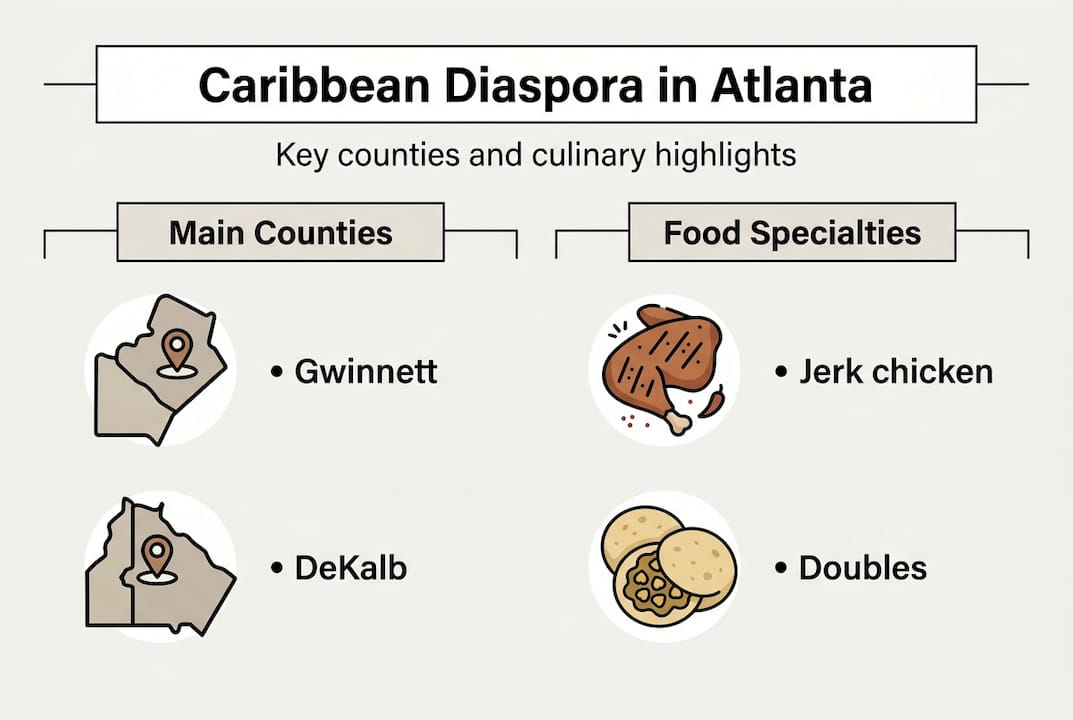
Here is a quick look at how Caribbean community size maps to culinary influence across key Atlanta-area counties:
| County | Estimated Caribbean-born population | Notable culinary presence |
|---|---|---|
| Gwinnett | ~28,000 | Jamaican restaurants, Caribbean markets |
| DeKalb | ~17,000 | Haitian bakeries, West Indian grocers |
| Rockdale | Highest % (3.5%) | Concentrated diaspora food culture |
The migration patterns behind these numbers matter too. Many Caribbean immigrants arrived in Atlanta during the 1980s and 1990s, drawn by economic opportunity and a growing Black middle class. They brought their food traditions with them, and over time, those traditions evolved from home kitchens into full commercial enterprises. You can now explore the full depth of Caribbean cuisine in Atlanta across dozens of restaurants and specialty stores.
Key ways the diaspora has shaped Atlanta’s food landscape include:
- Specialty grocery stores stocking imported spices, sauces, and produce unavailable in mainstream supermarkets
- Caribbean-owned restaurants introducing dishes like curry goat, roti, and ackee and saltfish to broader audiences
- Cultural food festivals celebrating island traditions and drawing food explorers from across the metro area
- Growing demand for imported Caribbean items in mainstream Atlanta grocery chains
The influence is not passive. It is active, growing, and deeply tied to community pride.
What makes foods from the Caribbean diaspora unique
Once you know where this influence comes from, it’s worth exploring what sets Caribbean diaspora foods apart. The short answer is boldness. Caribbean cooking layers heat, acid, sweetness, and savory depth in ways that feel both complex and deeply satisfying. Scotch bonnet peppers, allspice, thyme, and fresh citrus are not just ingredients. They are a culinary language.
Signature dishes that have made their way into Atlanta’s food culture include:
- Oxtail stew slow-cooked with butter beans and browning sauce
- Jerk chicken marinated overnight in scotch bonnet and allspice
- Fried plantains served sweet and caramelized or green and savory
- Roti stuffed with curried chickpeas or goat meat
- Doubles a Trinidadian street snack of fried bara bread with curried channa
Caribbean foods appeal for their bold flavors and their deep role in community connection. Eating jerk chicken at a Caribbean restaurant in Gwinnett is not just a meal. It is a cultural experience tied to memory, family, and identity.
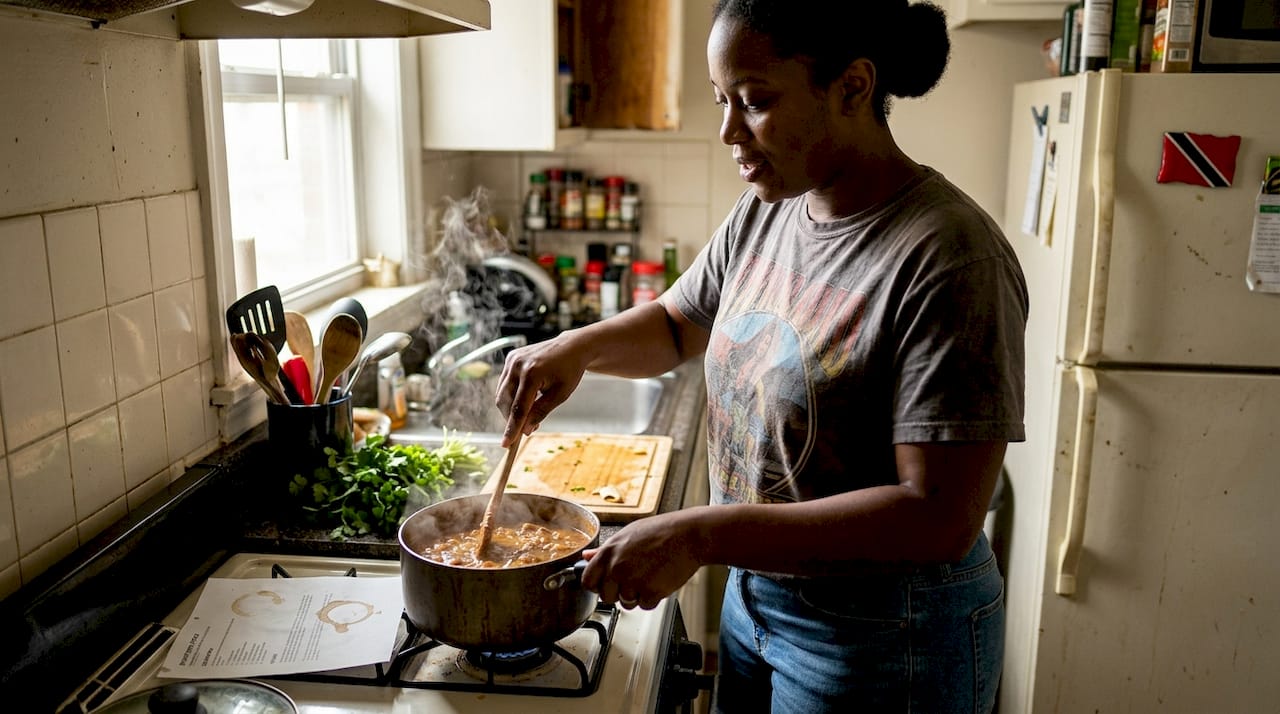
Here is a comparison of traditional Caribbean dishes versus their Atlanta-adapted versions:
| Dish | Traditional version | Atlanta-adapted version |
|---|---|---|
| Jerk chicken | Wood-smoked over pimento wood | Oven-baked or grilled with jerk marinade |
| Plantains | Fried in coconut oil | Pan-fried or air-fried with local oils |
| Oxtail | Slow-cooked with island spices | Braised with Southern-style additions |
| Curry goat | Scotch bonnet and curry powder | Milder versions for broader palates |
Atlanta’s Black cuisine has evolved to incorporate Caribbean influences like jerk seasoning and plantains alongside traditional Southern staples. This evolution is not accidental. It reflects the lived experience of communities that carry multiple food traditions simultaneously.
Pro Tip: When cooking Caribbean dishes at home, start with authentic Caribbean seasonings in Atlanta specialty stores rather than generic supermarket substitutes. The difference in flavor is immediate and significant. You can also find a practical guide on how to shop Caribbean groceries to make your first trip easier.
“Food is the most direct line to cultural memory. When a Jamaican grandmother makes oxtail in Atlanta, she is not just cooking. She is preserving something irreplaceable.”
If you want to start simple, Caribbean street foods like doubles and jerk skewers are low-commitment, high-reward entry points into this cuisine.
Fusion and innovation: How diaspora and local cuisines blend
Digging deeper, the blending of food traditions tells another fascinating part of the diaspora story. Atlanta sits at the intersection of Southern soul food and Caribbean island cooking, and the results are genuinely exciting. Soul food in Atlanta now blends diaspora elements like West African sauces, Caribbean oxtail, and Gullah Geechee flavors into a new kind of Southern cooking that belongs entirely to this city.
This fusion is not accidental. Chefs and home cooks alike have been experimenting for decades, layering collard greens with jerk-spiced proteins, adding scotch bonnet heat to traditional cornbread recipes, or serving fried chicken alongside mango chutney instead of hot sauce. The results challenge what Southern food can be.
Key outcomes of Caribbean and Southern fusion in Atlanta include:
- New flavor profiles that combine smoky, spicy, and sweet in unexpected ways
- Menu innovation at restaurants that draw both Caribbean and Southern diners
- Cultural conversation between communities that share African roots but different histories
- Broader appeal for Caribbean ingredients in mainstream Atlanta cooking
Pro Tip: When trying fusion menus in Atlanta, look for dishes that list both a Southern and a Caribbean ingredient in the same description. That is usually a signal that the chef is intentionally bridging two traditions rather than just adding a trendy topping.
“Diaspora cuisines evolve by adaptation, but purists prize memory and resilience.” This tension, as noted in Atlanta’s soul food evolution, is what keeps the conversation alive and the food interesting.
Not everyone celebrates fusion. Traditionalists argue that adaptation risks flattening the specific cultural meaning of a dish. A jerk chicken that has been toned down for mass appeal is not the same as one made by someone who grew up eating it in Kingston. Both perspectives are valid. The key is knowing which experience you are seeking. You can explore the advantages of local Caribbean foods and learn how to select Caribbean spices for authentic flavor to make informed choices at home.
Discovering, eating, and supporting diaspora foods in Atlanta
Finally, understanding is complete when you know how to experience and support Caribbean diaspora foods yourself. Foods from the Caribbean diaspora foster community connection, preserve tradition, and enhance Atlanta’s dining landscape in ways that go beyond taste. Supporting these businesses is a direct investment in the cultural richness of the city.
Here is a practical step-by-step approach for getting started:
- Visit Gwinnett or DeKalb for the highest concentration of authentic Caribbean restaurants and markets
- Start with familiar dishes like jerk chicken or fried plantains before moving to more adventurous options
- Shop at Caribbean specialty stores for ingredients to try cooking at home
- Attend cultural food festivals in the Atlanta metro area, especially during summer and fall
- Follow Caribbean-owned food businesses on social media to stay updated on pop-ups and events
- Ask questions at restaurants and markets. Most vendors love sharing the story behind their food
Pro Tip: The best time to sample the widest variety of authentic Caribbean dishes is during Atlanta’s cultural festivals, particularly events organized by Jamaican, Trinidadian, and Haitian community groups. These events often feature home cooks and small vendors whose food you will not find on any restaurant menu.
For first-timers, shopping for Caribbean groceries with a specific recipe in mind is the easiest way to start. Pick one dish, source the ingredients authentically, and cook it from scratch. The process itself is educational. You will also be enhancing Atlanta’s culinary diversity simply by choosing to engage with these food traditions.
Supporting diaspora food businesses also has a ripple effect. Every dollar spent at a Caribbean-owned restaurant or market helps sustain a community institution that serves as a cultural anchor for thousands of Atlanta residents.
A fresh take: Fusion versus authenticity in Atlanta’s diaspora cuisine
With all sides considered, here is a frank perspective on what works and why it matters. The debate between fusion and authenticity is real, but it is often framed too narrowly. People treat it as a binary choice when it is actually a spectrum.
Traditionalists value consistency, while innovators like Chef Deborah VanTrece modernize with global twists. Both approaches are doing something important. Traditionalists preserve the emotional and historical integrity of a dish. Innovators expand its reach and introduce it to people who might never have tried it otherwise.
Atlanta institutions like the Busy Bee Cafe have long held the line on tradition, serving soul food that connects directly to African American history. Meanwhile, chefs like VanTrece are proving that honoring your roots does not mean standing still. The most exciting food moments in Atlanta happen when both impulses are present in the same kitchen.
Our take is this: seek out both experiences deliberately. Eat the traditional oxtail at a Gwinnett spot run by a Jamaican family. Then try the jerk-spiced short rib at a fusion restaurant downtown. You will understand more about Atlanta’s food culture from those two meals than from any article. And if you want to bring that snack culture in Atlanta into your own home, the ingredients are more accessible than ever.
Experience Caribbean diaspora flavors in your kitchen
Reading about Caribbean diaspora food is one thing. Tasting it is another. But cooking it yourself? That is where the real connection happens.
At TOJ Express, we carry a wide selection of authentic Caribbean and American products so you can bring these flavors home without the hassle of hunting across multiple stores. Whether you are sourcing scotch bonnet peppers, jerk seasoning, or traditional Caribbean snacks, we have you covered. Shop Caribbean foods online and explore our full inventory from the comfort of your home. You can also read more about how to discover local Caribbean foods and make the most of what Atlanta’s diaspora food scene has to offer. Thank you for exploring this rich culinary world with us.
Frequently asked questions
Where can I find authentic Caribbean diaspora food in Atlanta?
Restaurants and markets in Gwinnett, DeKalb, and Rockdale counties offer the most authentic options, as Gwinnett holds ~28,000 Caribbean-born residents and Rockdale has the highest percentage at 3.5% of its population.
What are the most popular Caribbean dishes influencing Atlanta’s cuisine?
Oxtail, jerk chicken, plantains, and spicy stews lead the way, as Atlanta’s Black cuisine evolves by incorporating these Caribbean staples alongside traditional Southern cooking.
Why do foods from the Caribbean diaspora matter for Atlanta’s food scene?
They bring bold flavors, new recipes, and cultural depth to the city. Caribbean diaspora foods foster community connection and preserve traditions that strengthen Atlanta’s multicultural identity.
How can I start cooking Caribbean diaspora foods at home?
Begin with specialty markets in Atlanta for authentic ingredients like jerk seasoning, plantains, and scotch bonnet peppers. Top diaspora seasonings are available at ethnic grocery stores and online retailers serving the Atlanta area.