
Why American Snacks Cross Cultures: A 2026 Guide
TOJEXPRESS.COM-Antonio HenryTL;DR:
- American snacks succeed globally because they combine sensory contrast, emotional resonance, and localization. They activate reward responses across cultures and transform snack consumption into a cultural experience.
American snacks cross cultures because they deliver a combination of sensory contrast, emotional resonance, and cultural storytelling that no single local market can easily replicate. The global snack industry is not simply exporting chips and candy. It is exporting a feeling. Products like Nerds Gummy Clusters and Spam have built loyal followings far outside the United States by tapping into universal human desires: comfort, novelty, and belonging. Understanding why American snacks are beloved worldwide means looking at flavor science, brand psychology, and the quiet power of localization working together.
Why American snacks cross cultures so effectively
The core reason American snacks travel so well is sensory design. Hyperpalatable flavor combinations like sugar and fat or salt and carbohydrate activate reward pathways in the brain regardless of cultural background. That is not a marketing claim. It is food science, and it explains why a bag of chips lands the same way in Manila as it does in Memphis.
Emotional drivers reinforce the sensory pull. 73% of Indian adults use snacking for stress relief, and 83% of Thai consumers associate it with comfort. Those numbers tell you that snacking is not primarily about hunger. It is about feeling better, and American snack brands have spent decades perfecting that emotional delivery.
Brand nostalgia adds another layer. American pop culture, from Hollywood films to music, has circulated globally for generations. When someone in Seoul or Lagos reaches for a product they first saw in an American movie, they are not just buying a snack. They are buying a piece of a cultural story they already know.
Pro Tip: If you want to understand a snack’s global appeal, ask two questions: What does it feel like to eat it? And what story does the brand tell? Flavor alone rarely explains cross-cultural success.
What sensory and emotional elements make American snacks appealing worldwide
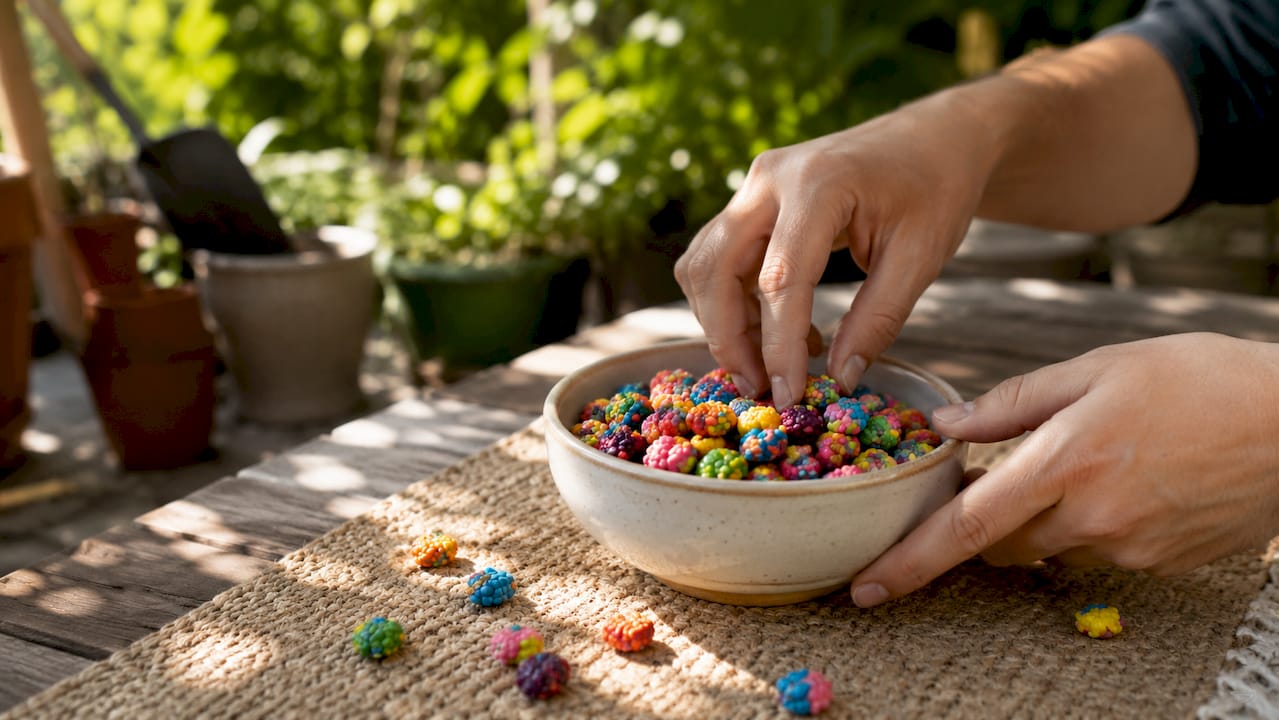
The multi-sensorial nature of popular American snacks is their single greatest export advantage. Nerds Gummy Clusters are a perfect case study. Their crunchy-chewy, sweet-tangy contrasts create a layered eating experience that keeps consumers engaged bite after bite. That complexity is not accidental. It is engineered to hold attention, and it works across cultures because texture contrast is a universal pleasure.
“American snacks succeed globally not because they taste like home to everyone, but because they feel like an experience. The contrast of textures and the intensity of flavors create a sensory event that people remember and seek out again.”
Comfort and stress relief are equally powerful. Snacking functions as a small, accessible ritual that signals a break from pressure. American brands have built entire product lines around that ritual, from individually wrapped portions to shareable party bags. The format itself communicates ease and permission to indulge.
Nostalgia operates even for consumers who did not grow up with these products. Exposure through social media, travel, and film creates a form of borrowed nostalgia. A teenager in Brazil who has watched American TV shows for years already has an emotional relationship with American snack culture before they ever taste it. That pre-existing connection lowers the barrier to trial significantly.
- Texture contrast: Crunchy-chewy combinations like Nerds Gummy Clusters create engagement that transcends language and culture.
- Flavor intensity: Salt, fat, and sugar combinations activate reward responses that are biologically consistent across populations.
- Emotional ritual: Snacking as stress relief and comfort is documented across Asian markets and likely mirrors patterns worldwide.
- Borrowed nostalgia: Media exposure builds emotional familiarity before first purchase, reducing resistance to trying unfamiliar products.
You can explore how American snack classics have built this kind of emotional loyalty over decades.
How localization helps American snacks thrive in diverse markets
Localization is the mechanism that converts global curiosity into sustained sales. The fixed global model fallacy is the most common reason American snack brands fail abroad. Assuming that what works in Chicago will work unchanged in Chengdu is a reliable path to market exit.
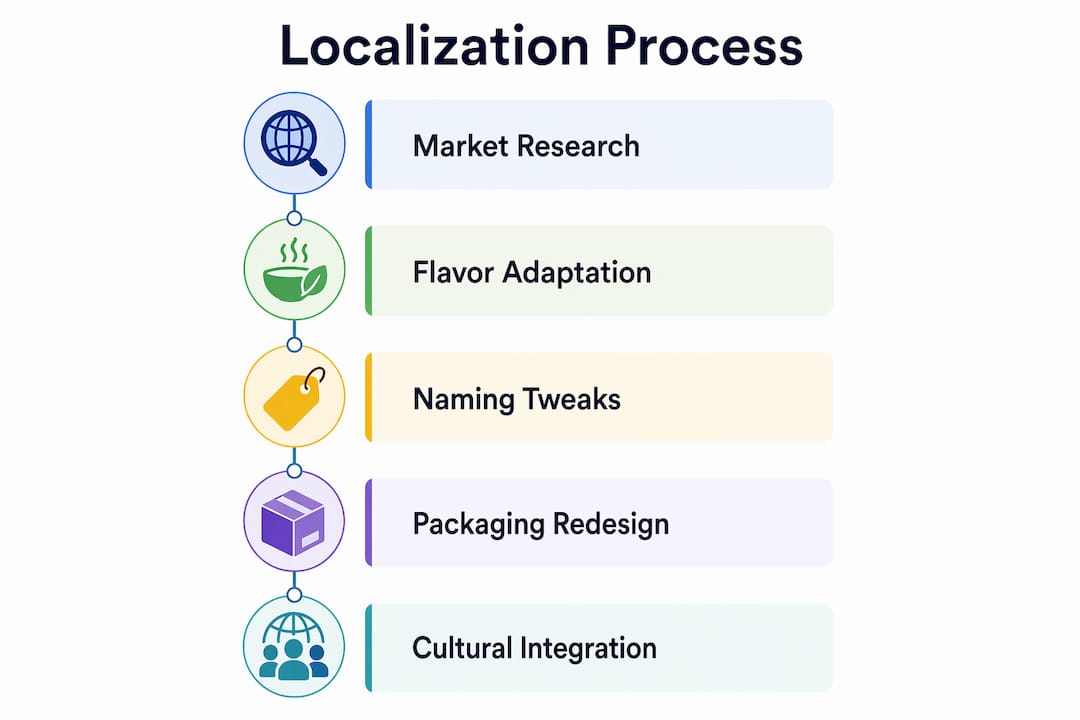
Successful brands adapt at multiple levels. Flavor names change first. Renaming “Nacho Cheese” to “Tangy Cheese” in markets where nacho culture is unfamiliar removes a point of confusion without changing the product. Ingredient sourcing shifts to meet local dietary laws, particularly around pork derivatives and artificial additives. Packaging formats adjust to match consumption habits. A cup format works better in markets where eating on the go means standing at a street stall, while a resealable pouch fits a desk-snacking culture.
Mondelez International’s results prove the financial case for localization. The company grew 13.4% in emerging markets over five years by investing in culturally relevant brand strategies across Southeast Asia, Sub-Saharan Africa, and Latin America. That growth did not come from selling the same product everywhere. It came from treating each market as a distinct cultural conversation.
Health is now part of that conversation. 62% of Asian consumers eat healthy snacks daily, and over 25% actively seek healthier options within indulgent categories. American brands that ignore this trend lose shelf space to local competitors who understand it.
- Rename for clarity. Change flavor names that reference American cultural contexts unfamiliar to local consumers.
- Audit ingredients. Review formulations for components that conflict with local dietary laws or religious practices.
- Adapt packaging format. Match portion size and container type to how people actually eat in that market.
- Address health expectations. Offer reduced-sodium or lower-sugar variants where health-conscious demand is documented.
- Maintain brand recognition. Keep visual identity consistent so global brand equity transfers even as the product adapts.
Pro Tip: The most effective localization keeps the brand’s visual identity intact while changing everything the consumer puts in their mouth. Recognition travels; flavor does not.
How does social media spread American snack culture globally?
Social media is now the primary distribution channel for snack culture, and it operates faster than any retail supply chain. Younger, diverse consumers use food as a tool for cultural exploration, and viral trends on platforms like TikTok and Instagram normalize cross-cultural flavor exchange at a scale that was impossible a decade ago.
A single video of someone trying an American snack for the first time can generate millions of views and immediate demand in markets where that product is not yet sold. Retailers then respond to that demand, which is why specialty stores and import shops have seen consistent growth in American product sections. The consumer creates the market before the brand even enters it.
American pop culture amplifies this effect. Films, music videos, and streaming series consistently feature American food brands as props and plot points. That product placement is not always paid. It is cultural shorthand. A can of Spam in a scene signals something specific about American life, and audiences worldwide read that signal and remember it.
- Viral trial videos generate demand in markets with no formal distribution.
- Pop culture product placement builds brand recognition without advertising spend.
- Food tourism turns American snack stores into destinations, with retailers positioning snacks as cultural souvenirs and limited-availability buzz items.
- Immigrant communities carry snack preferences across borders, creating organic demand in new markets.
Statistic callout: 83% of Thai consumers associate snacking with comfort, and 73% of Indian adults use it for stress relief. These figures confirm that the emotional function of snacking is consistent across vastly different cultures, giving American snack brands a ready emotional framework to enter almost any market.
The impact of American snack trends on local food culture is visible even at the neighborhood level, where snack choices reflect both personal identity and cultural affiliation.
Examples of American snacks that have crossed cultures successfully
Spam is the most instructive example of an American snack product achieving genuine cultural integration. Its global success came from addressing real needs during wartime scarcity and then building emotional associations with American ingenuity and resourcefulness. In Hawaii, Spam Musubi transformed the product into a local staple by combining it with Japanese rice culture. That is not brand extension. That is cultural adoption, and it is the deepest form of cross-cultural success a food brand can achieve.
Nerds Gummy Clusters represent a newer model. Their appeal is built on sensory complexity rather than historical necessity. The product’s multi-textural design creates a repeatable experience that consumers describe as fun, which is a culturally transferable concept. Fun does not require translation.
Potato chips demonstrate how flavor adaptation works at scale. The base product, thinly sliced and fried potato, is universally accepted. The flavor layer is where localization happens. Seaweed, wasabi, and kimchi variants exist because the base product earned trust first, and then the brand used that trust to experiment with local flavors.
| Snack | Cross-cultural strategy | Key market outcome |
|---|---|---|
| Spam | Emotional connection to American ideals, local recipe integration | Cultural staple in Hawaii, South Korea, and the Philippines |
| Nerds Gummy Clusters | Multi-sensorial contrast, nostalgia-driven fun | Viral appeal across North America, Europe, and Asia |
| Potato chips | Universal base product with localized flavor variants | Consistent global market presence with regional flavor lines |
| American candy brands | Pop culture association, limited availability as a novelty driver | High demand in import retail and specialty stores worldwide |
Snack innovation in 2026 continues to push this model further, blending American and Caribbean flavor profiles to reach even broader audiences.
Key Takeaways
American snacks cross cultures because they combine hyperpalatable sensory design, emotional resonance, and deliberate localization into a product experience that travels across borders more effectively than almost any other food category.
| Point | Details |
|---|---|
| Sensory design drives universal appeal | Hyperpalatable combinations like salt-fat and sugar-fat activate reward responses regardless of cultural background. |
| Emotional function is consistent globally | Stress relief and comfort motivate snacking across India, Thailand, and beyond, giving American brands a ready emotional entry point. |
| Localization is non-negotiable | Brands that adapt flavor names, ingredients, and packaging to local norms outperform those that export a fixed global model. |
| Social media accelerates cultural spread | Viral trial content and pop culture placement build demand in markets before formal distribution exists. |
| Cultural integration is the deepest success | Products like Spam achieve lasting cross-cultural status by becoming part of local food traditions, not just import novelties. |
What I’ve learned watching American snacks travel the world
The most surprising thing about American snack globalization is not that it works. It is how little of it is planned. Brands spend millions on market research and localization strategy, and then a 30-second TikTok video does more for international awareness than any campaign. That tells you something important about where cultural authority actually lives now.
What I find genuinely underappreciated is the role of immigrant communities. When a family moves from the Philippines to Atlanta, they bring their Spam preferences with them. When a Nigerian student arrives in London, they seek out the American candy brands they grew up watching in movies. These communities create organic demand that retailers eventually notice and stock for. The brand does not create the market. The people do.
The brands that fail internationally almost always make the same mistake. They treat localization as a packaging exercise rather than a cultural conversation. Changing the label color is not localization. Understanding why someone in Jakarta eats differently at 3:00 PM than someone in Dallas does, and then building a product around that difference, is localization. The cultural exchange around snacks works best when it flows in both directions, with American brands learning as much as they teach.
The future of American snack globalization belongs to brands that treat every new market as a teacher, not just a customer.
— ANTONIO
American snacks from Tojexpress, delivered to your door
Tojexpress stocks a curated selection of authentic American and Caribbean snack products, sourced directly so you get the real thing, not a local imitation.
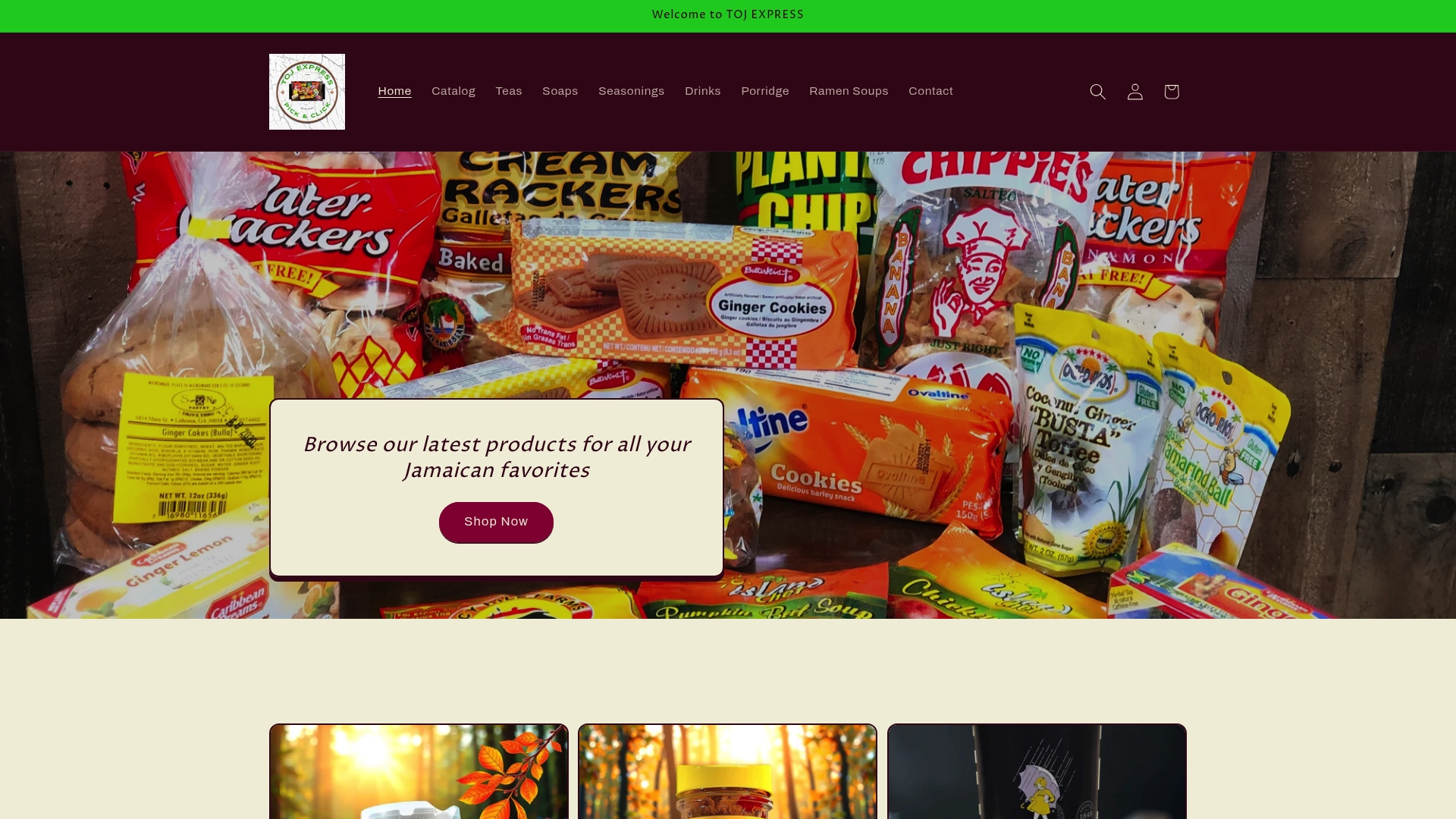
Whether you are chasing the crunchy-chewy experience of Nerds Gummy Clusters, the comfort of a classic American chip, or something from the Caribbean shelf, Tojexpress brings it all together in one place. The store is built for cultural enthusiasts who want to taste what they have been reading and watching about. Browse the full American snacks collection at Tojexpress and find the products that have been crossing borders for decades. If you want a broader look at what is available, the general grocery selection covers everything from pantry staples to specialty finds.
FAQ
Why do American snacks appeal to people in other countries?
American snacks combine hyperpalatable flavor contrasts with strong cultural narratives built through decades of global media exposure. That combination creates both sensory appeal and emotional familiarity before a consumer ever tries the product.
What makes American snack brands successful in Asian markets?
Brands that adapt flavor names, ingredients, and packaging to local tastes and dietary norms consistently outperform those that export a fixed product. Mondelez International’s 13.4% growth in emerging markets over five years demonstrates the financial payoff of culturally specific investment.
How does social media influence the spread of American snack culture?
Viral trial videos and pop culture product placement build demand in markets where American snacks are not yet formally distributed. Younger consumers use food as a tool for cultural exploration, and American snacks are a frequent subject of that exploration online.
Are American snacks adapted for different cultures?
Yes. Successful brands change flavor names, reformulate ingredients for local dietary laws, and adjust packaging formats to match local consumption habits. The base brand identity stays consistent while the product itself adapts.
Why is Spam so popular outside the United States?
Spam’s international success comes from its history of addressing real food needs and its association with American resourcefulness. In markets like South Korea and the Philippines, it achieved cultural integration by becoming part of local recipes rather than remaining a foreign import.