

How snacks shape Atlanta's culture: 53% snack daily
TOJEXPRESS.COM-Antonio HenryMost people see snacks as quick bites between meals, but in Atlanta, they carry far deeper meaning. Snacks reflect the cultural identity of the city’s vibrant African American and Caribbean communities, serving as daily expressions of heritage, resilience, and connection. From soul food traditions rooted in migration stories to Caribbean staples that preserve island customs, Atlanta’s snack culture reveals how food shapes community bonds and personal identity. This article explores the surprising ways snacks embody cultural values, bridge generations, and adapt to modern life while honoring tradition.
Table of Contents
- Key takeaways
- Atlanta’s snack culture: roots in African American and Caribbean heritage
- Modern snack habits and cultural significance among Atlanta’s communities
- Evolving snack trends and generational differences in Atlanta workplaces
- How snacks bridge cultural preservation and adaptation in Atlanta
- Explore authentic American and Caribbean snacks with TOJ EXPRESS
- Frequently asked questions
Key Takeaways
| Point | Details |
|---|---|
| Cultural heritage in snacks | In Atlanta, snacks express African American and Caribbean heritage through foods shared at church events, family gatherings, and community celebrations. |
| Snacks as social glue | Snacks serve as social glue at church socials, reunions, and neighborhood events, signaling belonging and cultural competence. |
| Soul Caribbean fusion | The blending of soul food and Caribbean snacks creates unique identities that reflect adaptation and resilience. |
| Modern snacking patterns | Black consumers snack frequently and blend packaged items with homemade dishes to balance modern life with tradition. |
Atlanta’s snack culture: roots in African American and Caribbean heritage
Atlanta’s snack traditions draw from powerful historical narratives. Soul food embodies resilience, migration, and community bonding through dishes shared at gatherings that became cultural anchors during the Great Migration. African Americans moving north and to urban centers like Atlanta brought recipes that transformed survival food into celebration cuisine. Fried chicken, collard greens, cornbread, and sweet potato pie became more than sustenance. They represented home, family, and cultural continuity in new environments.
These foods naturally evolved into snack formats for church potlucks, family reunions, and neighborhood gatherings. A plate of fried chicken wings at a Sunday social carries generations of meaning. Cornbread muffins at a community meeting connect attendees to shared history. The social context matters as much as the food itself.
Caribbean immigrants added another rich layer to Atlanta’s snack landscape. Communities from Jamaica, Trinidad, Haiti, and other islands brought types of Caribbean snacks that emphasize fresh ingredients and bold spices. Plantain chips, beef patties, coconut drops, and tamarind balls represent island traditions adapted to mainland life. These snacks maintain cultural identity while creating new fusion possibilities.
The blending of soul food and Caribbean influences creates unique snack identities in Atlanta. You might find jerk seasoning on fried chicken or plantains served alongside collard greens. This fusion reflects broader patterns of cultural adaptation and resilience. Immigrant communities preserve traditions while embracing new influences, and food becomes the medium for this dynamic exchange.
“Food is our common ground, a universal experience. In Atlanta, snacks tell stories of journeys, struggles, and triumphs that shaped our communities.”
Snacks serve as social glue in Atlanta’s African American and Caribbean communities. They appear at:
- Church gatherings where food sharing builds fellowship and strengthens bonds
- Family celebrations marking milestones with traditional dishes that honor ancestors
- Community events where diverse snacks reflect neighborhood cultural mix
- Informal gatherings where sharing food creates intimacy and trust
These social functions elevate snacks beyond nutrition into cultural practice. Bringing the right snack to an event shows cultural competence and respect. Knowing which flavors resonate demonstrates community belonging.
Modern snack habits and cultural significance among Atlanta’s communities
Current data reveals how deeply snacking integrates into daily life for Atlanta’s diverse communities. 64% of US adults snack daily, with Black consumers snacking multiple times daily, reflecting the cultural importance beyond simple hunger. This frequency indicates snacks fulfill social, emotional, and cultural needs alongside physical ones.
African American snack patterns in Atlanta blend packaged convenience foods with traditional preparations. Chips, cookies, and candy bars coexist with homemade items like fried pies, spiced nuts, and fruit preserves. This mix reflects practical realities of modern life while maintaining cultural touchstones. A busy professional might grab packaged chips at lunch but bring homemade sweet potato pie to a family dinner.
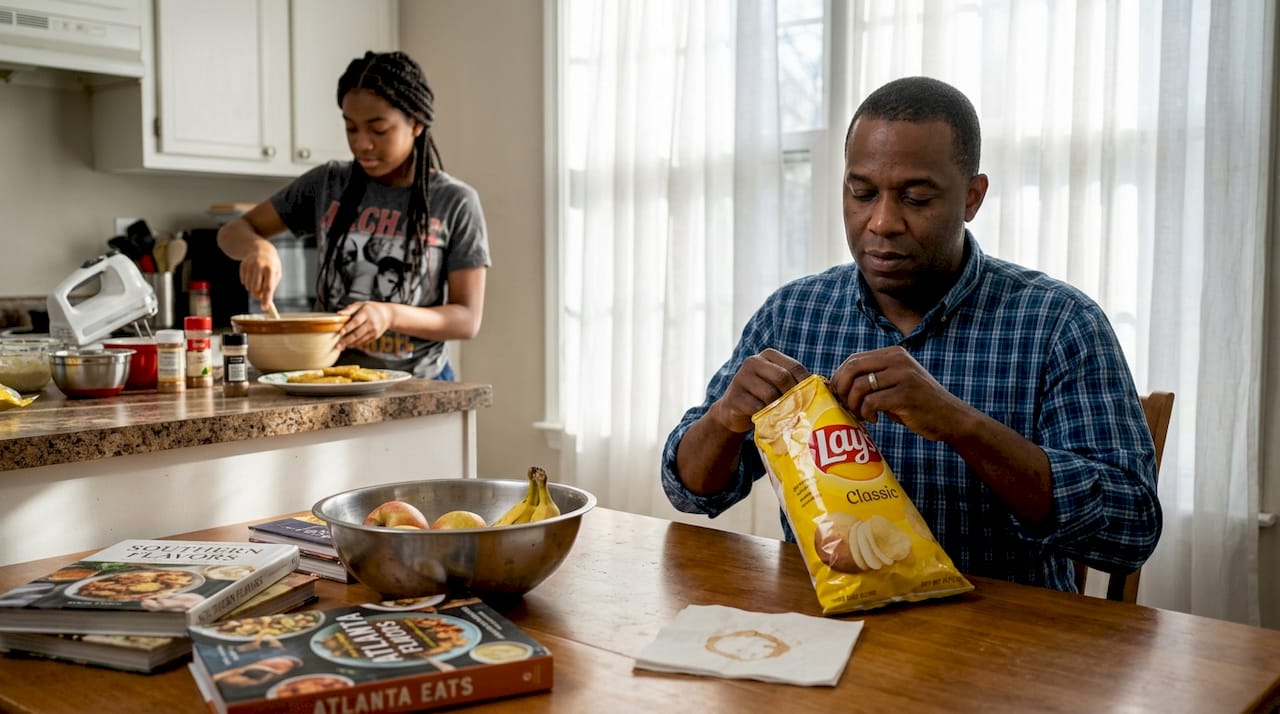
Afro-Caribbean women in Atlanta maintain particularly strong connections to traditional food preparation. Cultural differences between African American and Afro-Caribbean women influence snack choices through distinct food values and cooking practices. Caribbean households often prioritize fresh ingredients and home cooking over processed options, viewing food preparation as cultural transmission to younger generations.
These differences create interesting dynamics within Atlanta’s broader Black community. African American families might embrace convenience foods more readily while maintaining soul food traditions for special occasions. Caribbean families often resist processed snacks in favor of fresh fruit, homemade pastries, and traditional preparations even for everyday consumption. Both approaches validate cultural identity through different strategies.
Pro Tip: Balance convenience with cultural authenticity by keeping both packaged favorites and ingredients for quick traditional snacks. Frozen plantains, pre-seasoned meats, and quality spice blends let you honor heritage without spending hours in the kitchen.
Snacking frequency and preferences vary across Atlanta’s communities:
- Morning snacks tend toward protein-rich options like boiled eggs, meat patties, or nut mixes
- Afternoon snacking peaks with sweet and savory combinations satisfying energy dips
- Evening snacks often involve lighter options or leftovers from main meals
- Weekend snacking increases around social activities and family time
- Caribbean snack culture emphasizes fresh fruit and vegetable-based options throughout the day
| Community | Top Snack Categories | Cultural Drivers | Health Considerations |
|---|---|---|---|
| African American | Chips, cookies, fried items, soul food classics | Convenience, tradition, comfort | Growing interest in healthier versions |
| Afro-Caribbean | Fresh fruit, patties, plantain chips, homemade sweets | Home cooking values, fresh ingredients | Strong emphasis on natural foods |
| Mixed households | Blend of packaged and traditional items | Cultural fusion, practical needs | Balance between convenience and nutrition |
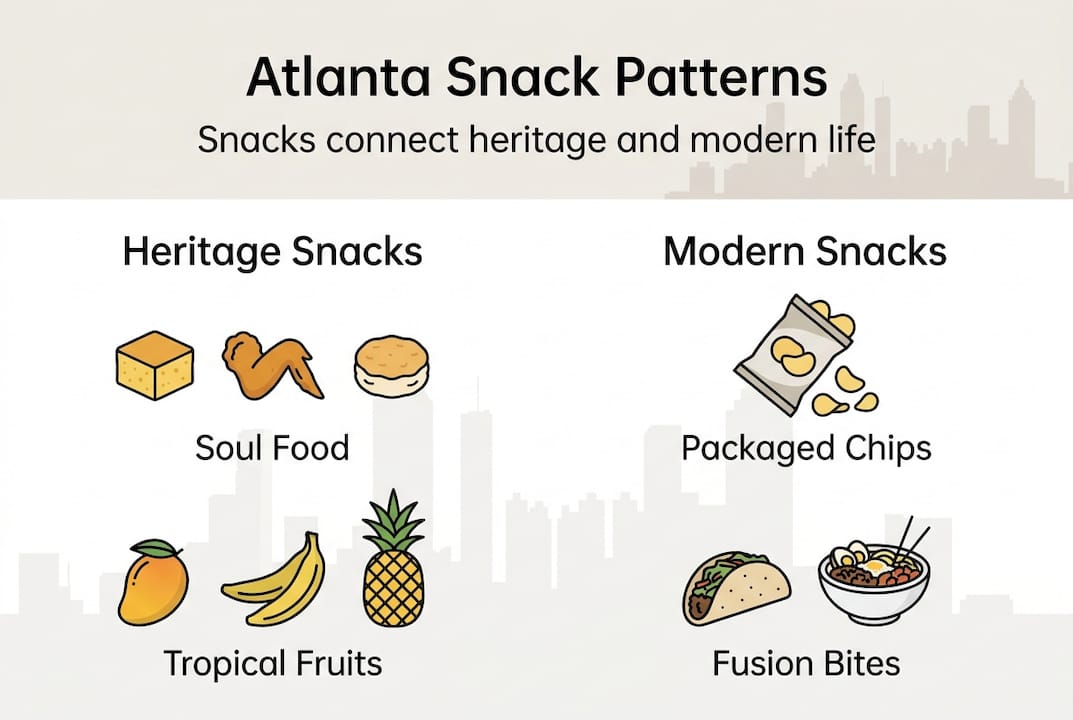
Understanding these patterns helps explain snack diversity in Atlanta as more than market segmentation. These preferences reflect deeper cultural values about food, family, and identity. Respecting these differences while finding common ground defines Atlanta’s evolving food landscape.
Evolving snack trends and generational differences in Atlanta workplaces
Workplace snacking in Atlanta reveals how cultural preferences adapt to professional environments and shift across generations. Morning snacks boost focus with protein while afternoon options satisfy indulgence cravings, showing how timing influences choices beyond cultural background. Employees across communities reach for similar functional snacks during work hours while maintaining cultural preferences for social eating.
Generational divides create the most striking differences in Atlanta workplaces. Gen Z embraces global and plant-based snacks while older generations prefer familiar brands, reflecting broader cultural shifts around diversity and health. Younger workers born into multicultural Atlanta view food exploration as identity expression. They mix soul food, Caribbean flavors, Asian fusion, and plant-based innovations without seeing contradictions.
Older workers maintain stronger ties to traditional snack brands and preparations that defined their cultural experience. A Gen X professional might keep specific chip brands or cookie types that connect to childhood memories and community identity. These choices represent cultural continuity rather than resistance to change. Both approaches validate different aspects of cultural experience.
Workplace snack preferences by generation and time:
- Gen Z morning choices include overnight oats, protein smoothies, avocado toast, and global breakfast items
- Millennial midday snacks blend traditional favorites with healthier versions and international options
- Gen X afternoon picks favor familiar brands with occasional adventurous choices
- Baby Boomer selections emphasize comfort foods and traditional preparations
- Cross-generational favorites include fresh fruit, nuts, and chocolate in various forms
| Generation | Morning Preferences | Afternoon Choices | Cultural Influence | Health Priority |
|---|---|---|---|---|
| Gen Z | Protein smoothies, global items | Plant-based snacks, fusion flavors | High diversity acceptance | Very high |
| Millennials | Greek yogurt, granola bars | Hummus, veggie chips | Moderate to high | High |
| Gen X | Traditional breakfast items | Familiar chip and cookie brands | Moderate, traditional focus | Moderate |
| Baby Boomers | Coffee and pastries | Soul food items, classic snacks | Strong traditional ties | Lower priority |
These patterns show how snack innovation trends must balance tradition and evolution. Younger consumers drive demand for new flavors and formats while older generations anchor cultural authenticity. Successful snack offerings in Atlanta workplaces provide both familiar comfort and adventurous options.
Pro Tip: Stock workplace snack areas with tiered options spanning traditional favorites, healthier versions of classics, and innovative global choices. This approach respects cultural diversity while encouraging exploration across generations.
The workplace becomes a testing ground for how Atlanta’s snack culture evolves. Professional environments force interaction across cultural and generational lines, exposing people to new options while maintaining space for traditional preferences. A shared break room with soul food classics, Caribbean patties, Asian rice crackers, and plant-based innovations represents Atlanta’s cultural reality better than any single tradition alone.
How snacks bridge cultural preservation and adaptation in Atlanta
Atlanta’s most innovative food creators understand snacks as cultural bridges connecting heritage with evolution. Chefs blend traditional snacks with global influences while respecting cultural roots, creating new expressions that honor the past while embracing the future. A chef might deconstruct sweet potato pie into a modern tart or transform jerk chicken into gourmet sliders. These innovations maintain cultural DNA while adapting to contemporary tastes.
The high frequency of snacking among Black consumers creates opportunities for health-focused innovation. Frequent snacking patterns open space for affordable nutrient-dense options that respect cultural preferences while addressing nutrition concerns. Traditional soul food faces unfair health stereotypes, but modern interpretations focus on balance, fresh ingredients, and cooking methods that preserve flavor while improving nutrition profiles.
Caribbean snack traditions already emphasize fresh staples over heavily processed products, offering models for healthier snacking across communities. The Caribbean practice of snacking on fresh fruit, vegetable-based items, and minimally processed foods demonstrates how cultural tradition can align with modern health awareness. Atlanta’s food scene increasingly borrows from these patterns while maintaining soul food’s essential character.
Cultural preservation through snacks involves several strategies:
- Teaching younger generations traditional recipes and preparation methods
- Documenting family and community food histories before they disappear
- Supporting businesses that maintain authentic cultural food practices
- Creating fusion innovations that introduce traditional flavors to new audiences
- Advocating for snack cultural innovation that respects heritage
Adaptation happens through experimentation and cross-cultural exchange. When a Caribbean family tries soul food or an African American household explores island flavors, both cultures benefit from expanded perspectives. These exchanges build understanding while revealing unexpected commonalities. Both traditions emphasize community, celebration, and using food to maintain cultural identity in challenging circumstances.
| Innovation Type | Traditional Base | Modern Adaptation | Cultural Impact | Health Benefit |
|---|---|---|---|---|
| Baked soul food | Fried chicken, fish | Air-fried or oven-baked versions | Maintains flavor, reduces guilt | Lower fat content |
| Plant-based Caribbean | Meat patties | Jackfruit or lentil fillings | Attracts new consumers | Increased fiber, less saturated fat |
| Fusion snacks | Separate traditions | Jerk-seasoned wings, plantain soul bowls | Creates new cultural expressions | Varies by preparation |
| Fresh focus | Processed convenience | Fruit and vegetable emphasis | Returns to traditional roots | Higher nutrient density |
The benefits of Caribbean groceries extend beyond Caribbean communities when other groups discover fresh tropical produce, bold spices, and minimally processed staples. Similarly, soul food’s emphasis on seasonal vegetables, legumes, and whole grains offers health benefits when prepared with modern techniques. Both traditions contain wisdom about sustainable, satisfying eating that processed food culture obscures.
Atlanta’s snack culture succeeds by refusing to choose between preservation and adaptation. The city embraces both, recognizing that cultural traditions survive through evolution rather than stasis. A grandmother’s recipe adapted by her granddaughter with modern ingredients still carries cultural meaning. A fusion dish combining soul food and Caribbean elements creates new traditions while honoring both sources.
Explore authentic American and Caribbean snacks with TOJ EXPRESS
Experience the cultural richness explored in this article through authentic American and Caribbean snack selections at TOJ EXPRESS. Our convenience store brings together the flavors that define Atlanta’s diverse communities, offering both traditional favorites and innovative fusion options. Whether you seek classic soul food snacks, Caribbean staples, or modern interpretations that blend both traditions, our curated selection connects you to the cultural heritage that makes Atlanta’s food scene unique. Discover types of Caribbean snacks that preserve island traditions or explore snack innovation flavors that push culinary boundaries while respecting cultural roots.

Our online platform provides convenient access to the authentic tastes that build community and celebrate heritage. From familiar comfort foods to adventurous new discoveries, TOJ EXPRESS supports your journey through Atlanta’s rich snack culture.
Frequently asked questions
What role do snacks play in Atlanta’s culture?
Snacks in Atlanta serve as daily expressions of cultural identity, particularly within African American and Caribbean communities. They connect people to heritage through familiar flavors while facilitating social bonding at gatherings. Beyond nutrition, snacks carry meanings related to family history, migration stories, and community resilience.
Why do Black consumers in Atlanta snack more frequently?
Cultural attitudes toward food and eating patterns contribute to higher snacking frequency among Black consumers. Snacking fulfills social and emotional needs beyond hunger, serving as comfort, celebration, and connection to cultural traditions. The 53% who snack multiple times daily reflect how deeply food integrates into daily cultural practice.
How do Caribbean and soul food snack traditions differ?
Caribbean snack traditions emphasize fresh ingredients, bold spices, and home preparation, often featuring tropical fruits and vegetable-based items. Soul food snacks draw from African American migration experiences, focusing on comfort foods, fried preparations, and dishes that sustained communities through hardship. Both traditions prioritize social sharing and cultural preservation through different flavor profiles and cooking methods.
What generational differences exist in Atlanta snack preferences?
Gen Z consumers embrace global flavors, plant-based options, and fusion innovations reflecting multicultural identity. Older generations maintain stronger connections to traditional brands and preparations that defined their cultural experience. Millennials bridge these approaches, blending familiar favorites with healthier versions and international options. All generations value cultural authenticity while expressing it through different choices.
How can snacks support both tradition and health?
Modern preparation methods preserve traditional flavors while improving nutrition profiles through baking instead of frying, emphasizing fresh ingredients, and creating plant-based versions of classics. Caribbean traditions of fresh fruit and vegetable snacking offer healthy models that other communities increasingly adopt. Innovation succeeds when it respects cultural meaning while addressing contemporary health awareness.