
Why Buy Local Snacks: Supporting Atlanta Health
TOJEXPRESS.COM-Antonio HenryEvery parent faces the challenge of finding snacks that are both healthy and truly supportive of Atlanta’s local community. With so many options, it’s easy to believe that everything labeled as “local” guarantees better quality or nutrition, but definitions and standards often vary. Discover how local snack foods combine cultural heritage, community support, and fresh ingredients to create options that reflect both American and Caribbean traditions, helping your family make informed, sustainable choices.
Table of Contents
- Local Snack Foods Defined and Misconceptions
- Types of American and Caribbean Local Snacks
- Health Benefits of Locally Sourced Snacks
- Supporting Atlanta Businesses and Communities
- Environmental Impact and Sustainability Factors
- Comparing Local Snacks Versus Big Brands
Key Takeaways
| Point | Details |
|---|---|
| Cultural Significance of Local Snacks | Local snacks embody cultural heritage, supporting community identity and agricultural traditions. |
| Health Benefits of Local Ingredients | Nutrient-rich local snacks provide higher fiber content and natural minerals, promoting overall health. |
| Economic Impact on Communities | Purchasing local snacks sustains small businesses and creates local job opportunities, enhancing community resilience. |
| Environmental Sustainability | Local snack production benefits the environment through reduced transport distances and responsible sourcing practices. |
Local Snack Foods Defined and Misconceptions
Local snack foods represent far more complex culinary products than most consumers realize. Beyond simple geographic proximity, these foods embody cultural heritage, economic sustainability, and community connection. Local food research reveals nuanced definitions that extend well beyond basic production radius.
Consumers often misunderstand what qualifies as a local snack. Common misconceptions include assuming that local automatically means healthy or locally produced guarantees superior quality. The reality is more sophisticated. Local food movements emphasize not just geographic proximity, but also:
- Shorter supply chains
- Sustainable production practices
- Stronger community economic connections
- Transparent food sourcing
- Direct producer-consumer relationships
Geographic definitions of “local” vary dramatically. Some consumers consider local food produced within their state, while others use strict mileage parameters - typically ranging from 50 to 250 miles. Consumer motivations for local food purchasing frequently stem from perceived health benefits, freshness perceptions, and desire to support regional economies.
Defining Characteristics of Local Snacks
True local snack foods typically demonstrate several distinctive traits:
- Produced within a specific regional radius
- Reflect local culinary traditions
- Use ingredients sourced from nearby producers
- Support local agricultural ecosystems
- Maintain distinctive flavor profiles tied to regional terroir
Local snacks are not just food products, but cultural narratives representing community identity and agricultural heritage.
Pro tip: When exploring local snacks, engage directly with producers to understand their unique story and production methods.
Types of American and Caribbean Local Snacks
American and Caribbean local snacks represent a vibrant culinary landscape that goes far beyond simple packaged foods. Local snack traditions showcase remarkable diversity rooted in regional agricultural practices and cultural heritage.
Caribbean local snacks embody rich cultural traditions, featuring distinctive items like:
- Plantain chips: Crispy, savory slices made from green or ripe plantains
- Cassava bread: Dense, traditional flatbread made from cassava root
- Festival: Sweet fried dough often served with savory dishes
- Jamaican patties: Spiced meat-filled pastries
- Coconut drops: Traditional sweet made from coconut and sugar
American local snacks similarly reflect regional diversity, with options deeply connected to local produce and cultural influences. Southern states, for instance, offer unique snacks like boiled peanuts, corn-based treats, and sweet potato fries that highlight local agricultural strengths.
Local ingredient utilization demonstrates how these snacks incorporate indigenous ingredients such as:
Below is a summary of popular American and Caribbean snacks, their main ingredient, and cultural significance:
| Snack Name | Main Ingredient | Cultural Importance |
|---|---|---|
| Plantain Chips | Plantain | Caribbean street food staple |
| Boiled Peanuts | Peanuts | Southern U.S. social tradition |
| Cassava Bread | Cassava | Indigenous Caribbean heritage food |
| Festival | Wheat flour | Jamaican celebratory side dish |
| Sweet Potato Fries | Sweet potato | Southern U.S. agricultural pride |
| Jamaican Patty | Spiced meat & dough | Iconic Caribbean fast food |
- Pumpkin
- Sweet potatoes
- Tiger nuts
- Native bananas
- Regional herbs and spices
These local snacks are more than food - they’re edible cultural narratives that connect communities through shared culinary experiences.
Pro tip: Explore local farmers markets to discover authentic regional snacks and connect directly with local producers.
Health Benefits of Locally Sourced Snacks
Locally sourced snacks represent a nutritional powerhouse that goes beyond simple convenience. Local ingredient benefits demonstrate remarkable potential for supporting comprehensive health and wellness.
These nutrient-dense snacks offer significant advantages for overall health, particularly through their unique nutritional composition:
- Higher fiber content
- Absence of artificial preservatives
- Natural mineral sources
- Sustainable agricultural origins
- Reduced processing interventions
Nutrient-rich local ingredients like pumpkin, sweet potatoes, and tiger nuts provide substantial health benefits. Regional food nutrients contribute to improved metabolic functions, including:
- Enhanced cardiovascular health
- Better digestive processes
- Increased energy metabolism
- Balanced blood sugar levels
- Natural inflammation reduction
Local snacks often incorporate indigenous ingredients such as quinoa, amaranth, chia, and sesame seeds, which offer concentrated nutritional profiles. These foods are particularly valuable for aging populations, delivering essential proteins, fatty acids, and minerals without artificial additives.
Locally sourced snacks are not just food - they’re a direct connection to regional health and sustainable nutrition.
Pro tip: Select snacks with minimal ingredient lists and prioritize those sourced within 100 miles of Atlanta for maximum nutritional benefits.

Supporting Atlanta Businesses and Communities
Local food economies are more than just transactions - they’re about building vibrant community ecosystems. Community economic strategies demonstrate how purchasing local snacks can transform urban economic landscapes.
Supporting local Atlanta snack producers creates significant community benefits:
- Sustaining small and medium enterprises
- Creating local job opportunities
- Preserving cultural food heritage
- Reducing economic leakage
- Encouraging entrepreneurial diversity
When consumers choose local snacks, they directly contribute to Atlanta’s economic resilience. Local food purchasing impacts extend far beyond simple economic exchange, creating a network of trust and community connection.
Economic benefits of supporting local snack businesses include:
- Generating local employment
- Stimulating neighborhood economic growth
- Developing a more resilient food ecosystem
- Encouraging sustainable business practices
- Strengthening community social bonds
Every local snack purchase is an investment in Atlanta’s future, not just a momentary consumer choice.
Pro tip: Prioritize purchasing from local Atlanta snack producers at farmers markets and small grocery stores to maximize community impact.
Environmental Impact and Sustainability Factors
Local food systems play a critical role in environmental sustainability. Local food environmental strategies reveal significant potential for reducing carbon emissions and protecting ecological resources.
Sustainable practices in local snack production include:
- Reducing transportation distances
- Minimizing carbon footprint
- Protecting soil health
- Supporting local biodiversity
- Encouraging circular economy principles
Food production sustainability extends beyond simple proximity, encompassing complex environmental considerations. Local snack producers contribute to sustainability through:
- Lowering food miles
- Reducing packaging waste
- Supporting regional resource cycles
- Minimizing food waste through freshness
- Utilizing regionally available ingredients
Environmental benefits depend on multiple interconnected factors, including production methods, farming techniques, and distribution strategies. Small-scale local producers often demonstrate more adaptive and environmentally conscious approaches compared to large industrial food systems.
Sustainable snack production is not just an environmental choice - it’s a commitment to preserving regional ecological integrity.
Pro tip: Ask local snack producers about their specific sustainability practices to make more informed environmental choices.
Comparing Local Snacks Versus Big Brands
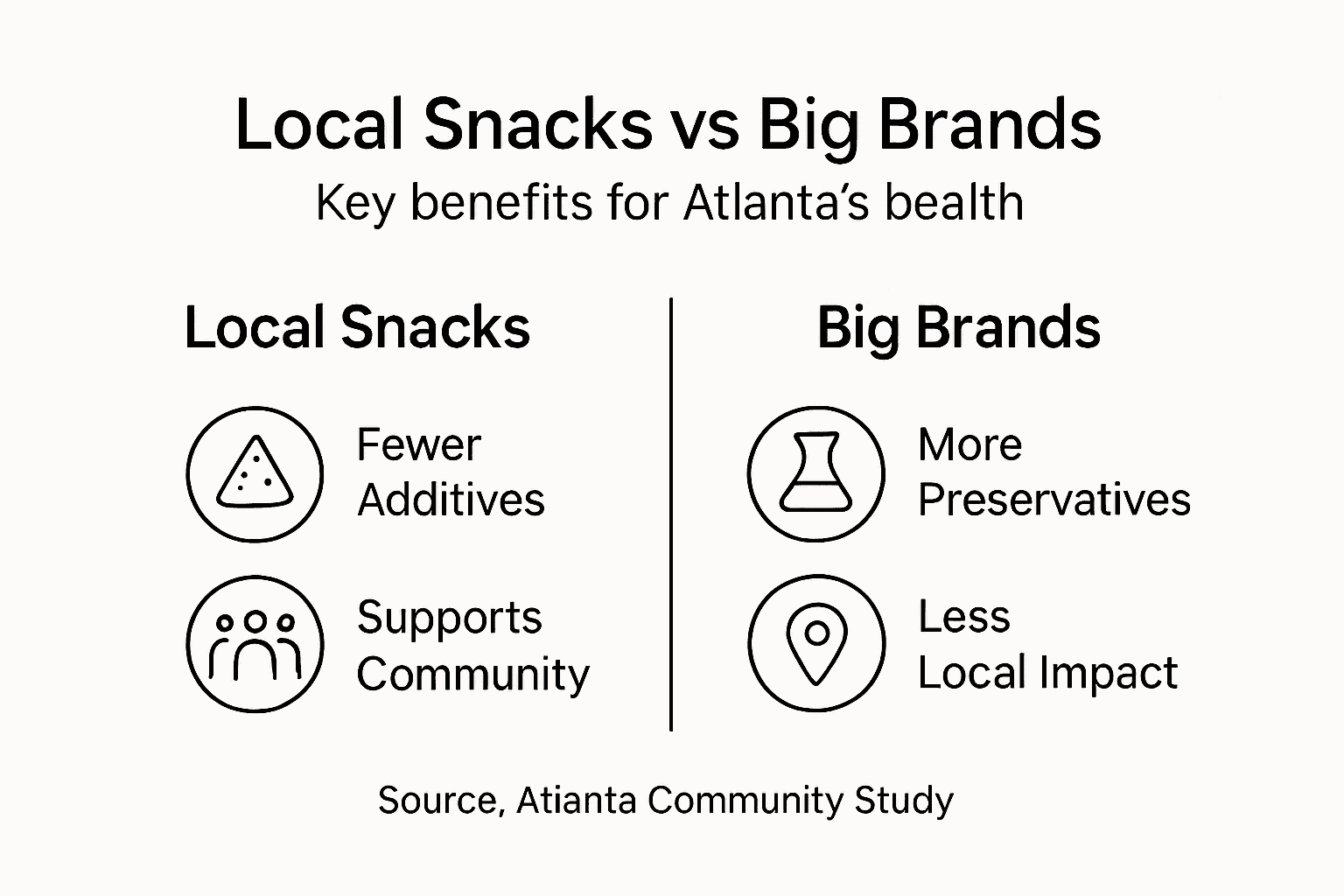
Local snack brands represent a compelling alternative to mass-produced commercial products. Consumer preference research reveals significant differences between local and big brand offerings that extend beyond simple taste preferences.
Key distinctions between local and big brand snacks include:
- Fewer artificial additives
- More authentic ingredient sourcing
- Enhanced nutritional profiles
- Greater transparency in production
- Unique regional flavor experiences
Local snack market dynamics highlight critical trade-offs between mass production and artisanal approaches. Big brands typically offer:
- Consistent product quality
- Wide distribution networks
- Lower price points
- Extensive safety certifications
- Recognized packaging
Local snacks, conversely, provide advantages that big brands cannot easily replicate - including direct community connection, fresher ingredients, and more personalized production methods. These characteristics often translate into superior taste and nutritional value.
Here’s a comparison of local snacks and big brand snacks to highlight their unique advantages:
| Aspect | Local Snacks Advantage | Big Brand Advantage |
|---|---|---|
| Ingredient Sourcing | Locally grown, often seasonal | Global, standardized ingredients |
| Community Impact | Directly benefits local economy | Limited local economic contribution |
| Flavor Uniqueness | Distinct regional or cultural profiles | Uniform, expected flavors |
| Innovation Potential | Frequent experimentation and variety | Infrequent changes, consistent menu |
| Supply Chain | Short, transparent routes | Extensive, complex logistics |
Local snacks aren’t just food - they’re a statement about supporting community, health, and authentic culinary traditions.
Pro tip: Compare ingredient lists between local and big brand snacks to understand the true nutritional differences.
Support Your Health and Community with Local Snacks from TOJ EXPRESS
Choosing local snacks means embracing healthier options that connect you to Atlanta’s vibrant culture and economy. This article highlights the power of locally sourced ingredients to boost your wellness while sustaining sustainable food systems and enriching the community. At TOJ EXPRESS, we bring you an authentic selection of American and Caribbean snacks that reflect these values and flavors.
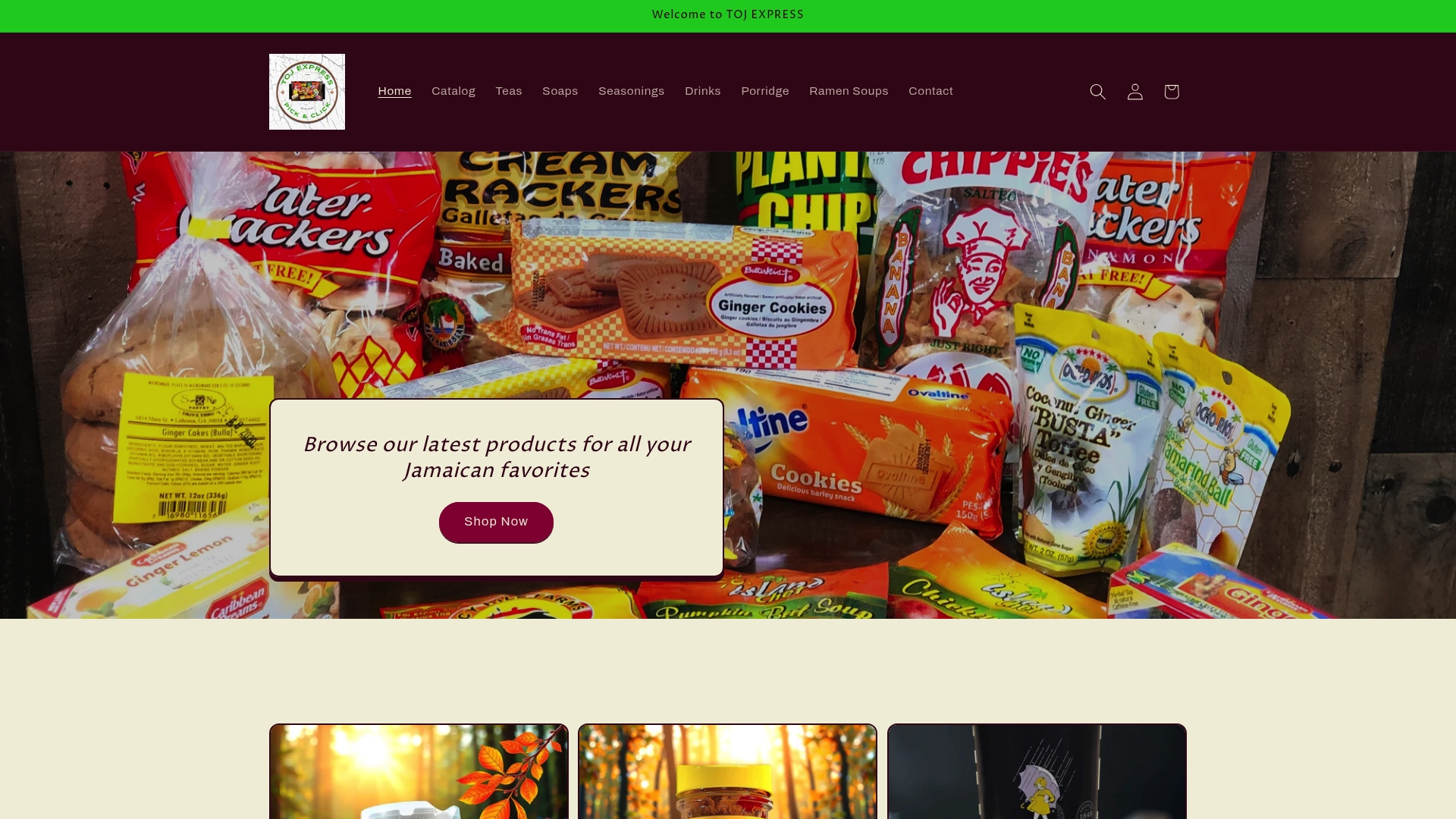
Explore our wide variety of Snacks – TOJ EXPRESS to enjoy fresh, nutrient-rich products crafted with passion and tradition. By shopping local with us, you support Atlanta producers and promote better health with every bite. Don’t wait to make a positive impact on your well-being and community. Visit TOJ EXPRESS today and discover delicious treats that truly make a difference.
Frequently Asked Questions
What are local snacks?
Local snacks are food products that are produced within a specific regional radius, reflecting local culinary traditions and utilizing ingredients sourced from nearby producers. They support local agricultural ecosystems and preserve cultural food heritage.
What are the health benefits of choosing locally sourced snacks?
Locally sourced snacks typically have higher fiber content, fewer artificial preservatives, and more nutritious ingredients. They contribute to overall health by enhancing cardiovascular health, improving digestion, and reducing inflammation.
How do local snacks differ from big brand snacks?
Local snacks often have fewer artificial additives, more authentic ingredient sourcing, and greater transparency in production. They provide unique regional flavors and enhanced nutritional profiles compared to mass-produced big brand snacks.
Why is supporting local snack producers important for the community?
Supporting local snack producers helps sustain small businesses, creates local job opportunities, and preserves cultural food heritage. It promotes a resilient food economy and strengthens community social bonds.
Recommended
- Role of Grocery Stores in Atlanta’s Diverse Wellness – TOJ EXPRESS
- Role of Snack Products: Impact on Healthful Convenience – TOJ EXPRESS
- How to Shop Caribbean Groceries Like a Local in Atlanta – TOJ EXPRESS
- Snacks – TOJ EXPRESS
- 7 Low Sugar Snack Ideas for Healthy Living – naturessoulshop
- 7 Healthy Snack Alternatives You Need to Try – Spaceman