
How specialty stores enhance Atlanta's food scene
TOJEXPRESS.COM-Antonio HenryTL;DR:
- Specialty stores in Atlanta offer diverse, culturally authentic food options beyond mainstream supermarkets.
- They support community health, preserve traditions, and provide affordable, healthy ingredients.
- Shopping locally at these stores boosts the economy, strengthens community bonds, and promotes food sovereignty.
Most Atlanta shoppers assume the big-box grocery chains have everything they need. That assumption leaves a lot of flavor, culture, and nutrition on the table. Specialty stores focused on American and Caribbean products fill gaps that mainstream supermarkets simply cannot. They stock the scotch bonnet peppers, the Grace coconut water, the seasoned salt blends, and the nostalgic snacks that remind families of home. Beyond the products, these stores carry something harder to quantify: a sense of belonging. This guide breaks down what specialty stores are, why they thrive in Atlanta, and how you can make the most of everything they offer.
Table of Contents
- What are specialty stores and why do they exist?
- How specialty stores shape Atlanta’s culinary and cultural experience
- Health, affordability, and access: Evidence from Atlanta
- Economic and social impact: Community, jobs, and beyond
- Shopping specialty: Practical tips for Atlanta consumers
- Why specialty stores matter more than ever in Atlanta
- Discover unique flavors at TOJ EXPRESS
- Frequently asked questions
Key Takeaways
| Point | Details |
|---|---|
| Diverse food access | Specialty stores in Atlanta offer healthy, affordable, and unique products not found in mainstream supermarkets. |
| Cultural connection | Shopping at local American and Caribbean markets fosters community ties and preserves culinary traditions. |
| Economic impact | Buying from specialty stores supports local jobs, local economies, and neighborhood development. |
| Insider tips | Asking staff and exploring new items enhances the specialty market experience for all shoppers. |
What are specialty stores and why do they exist?
A specialty store is a retail shop that focuses on a specific product category or cultural community rather than trying to stock everything for everyone. Unlike a general supermarket, a specialty market curates its shelves around the needs of a particular group, whether that means Caribbean immigrants craving familiar flavors or food lovers hunting for authentic American regional products.
Atlanta has a rich network of these stores. Exploring Atlanta’s ethnic stores reveals just how deep this network runs. Some well-known examples include:
- Caribbean Farmers Market: Over 15 years of history as Georgia’s largest Caribbean and African product retailer and wholesaler
- TAMMAX Caribbean Market: Known for friendly staff and a well-organized layout
- Your DeKalb Farmers Market: A legendary institution drawing shoppers from across the metro area
These stores exist for three core reasons. First, mainstream grocery chains prioritize high-volume, standardized products. That means hard-to-find ingredients like ackee, breadfruit, or smoked herring rarely make the cut. Second, specialty stores support local foodways, preserving cooking traditions that would otherwise fade. Third, they create economic anchors in communities that need them.
| Store type | Product focus | Community served |
|---|---|---|
| Caribbean specialty | Tropical produce, spices, snacks | Caribbean diaspora, food explorers |
| American specialty | Regional snacks, sauces, staples | American food enthusiasts |
| General ethnic market | Global ingredients, bulk goods | Diverse multicultural shoppers |
Pro Tip: When you walk into a specialty store for the first time, skip the aisles and go straight to the staff. They know which products just arrived, what’s seasonal, and what pairs best with what you are already cooking at home.
How specialty stores shape Atlanta’s culinary and cultural experience
Atlanta’s food scene is one of the most dynamic in the South, and specialty stores are a big reason why. They stock the ingredients that make cultural flavors in Atlanta possible at the home kitchen level, not just in restaurants.
Your DeKalb Farmers Market is the clearest example. It serves products from 184 countries, making it one of the most diverse food retail spaces in the entire country. Local chefs shop there regularly because they know the bulk spices are fresh and the produce is priced fairly. Families from Jamaica, Trinidad, West Africa, and across the American South all find something familiar on those shelves.
Here is what you typically find at Atlanta’s specialty markets that you will not find at a standard grocery chain:
- Fresh whole spices and blended seasonings unavailable in mainstream stores
- Caribbean snacks like plantain chips, biscuits, and pepper sauce varieties
- Prepared foods reflecting authentic cultural recipes
- Bulk staples like dried beans, rice, and grains at lower per-unit costs
- Cultural event announcements and community boards
The international foods boost diversity argument is not just philosophical. It is practical. When you can buy authentic ingredients, you cook authentic meals. That builds confidence, preserves family traditions, and introduces neighbors to new flavors.
| Factor | Specialty store | Traditional supermarket |
|---|---|---|
| Product variety (cultural) | High | Low to moderate |
| Bulk pricing | Widely available | Limited |
| Staff cultural knowledge | Strong | Variable |
| Fresh specialty produce | Frequent | Rare |
Research supports this too. Ethnic stores provide healthier, affordable options comparable to large supermarkets, challenging the idea that only chain grocery stores serve health-conscious shoppers.
Health, affordability, and access: Evidence from Atlanta
One of the most persistent myths about specialty stores is that they are either too expensive or too niche for everyday shopping. The evidence says otherwise.
Here is a straightforward look at three pillars of value:
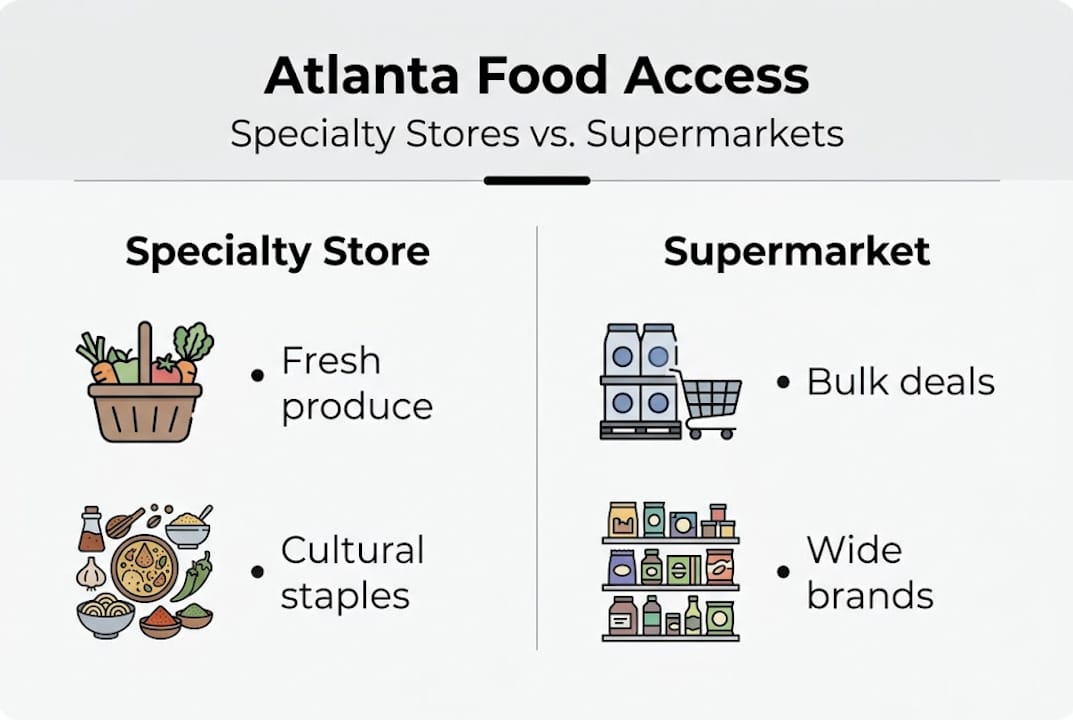
- Nutrition parity: Ethnic stores in minority neighborhoods score equivalently to supermarkets on NEMS (Nutrition Environment Measures Survey) benchmarks. That means the healthy food access you get at a specialty store matches what a large chain offers.
- Community accessibility: Specialty stores often operate in neighborhoods where large supermarket chains have not invested. They become the primary source of fresh produce and quality ingredients for many Atlanta families.
- Bulk and affordable pricing: The DeKalb Farmers Market is known for low prices and bulk spices, making it easy to stock a full pantry without breaking your budget.
“Ethnic grocery stores in minority neighborhoods provide equivalent access to healthy foods when measured by validated nutrition environment tools, challenging the assumption that only mainstream supermarkets serve community health needs.”
This matters for Atlanta specifically because food equity is an ongoing conversation in the city. Supporting diverse wellness impact means recognizing that specialty stores are not a compromise. They are a genuine, research-backed option.
| Metric | Specialty store performance |
|---|---|
| NEMS healthy food score | Equivalent to supermarkets |
| Bulk pricing availability | High |
| Fresh produce access | Consistent |
| Cultural product range | Superior |
For shoppers focused on Caribbean groceries for health, the case is even stronger. Caribbean dietary staples like callaloo, dasheen, and fresh fish are nutrient-dense foods that simply do not appear in most chain stores.
Economic and social impact: Community, jobs, and beyond
Specialty stores do more than feed people. They build neighborhoods. When a Caribbean or American specialty market opens in Atlanta, it creates jobs, circulates money locally, and gives communities a gathering place that feels like home.
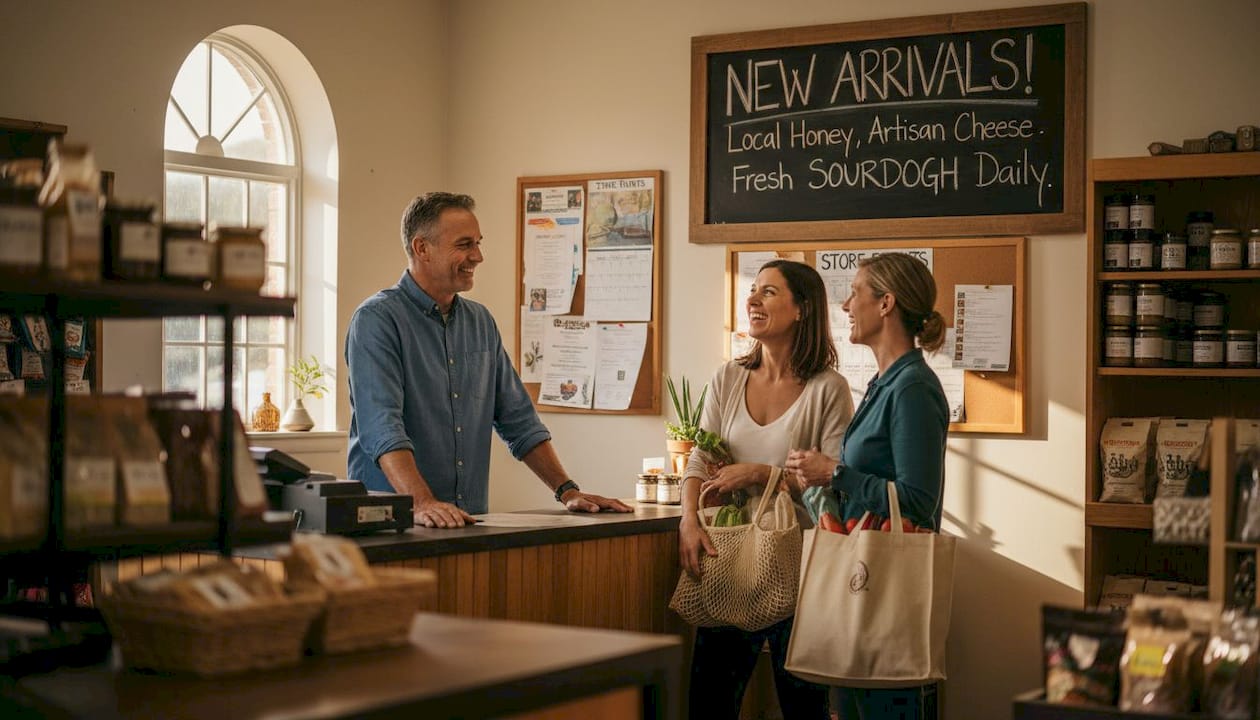
The Your DeKalb Farmers Market model shows this clearly. Staff come from the same global communities the store serves, which means their product knowledge is personal, not just professional. That creates a shopping experience that builds trust and loyalty over years.
Here is a breakdown of the economic and social benefits specialty stores bring to Atlanta:
- Job creation: Stores hire locally, often from the communities they serve
- Direct sourcing: Many specialty markets import directly from producers, keeping more money in the supply chain
- Cultural bonds: Shared shopping spaces become informal community hubs
- Food security: Specialty stores maintain access to culturally specific foods that support nutritional and emotional wellbeing
- Food sovereignty: Communities gain more control over what they eat and where it comes from
Pro Tip: Follow your favorite specialty market on social media or sign up for their email list. Many stores announce seasonal arrivals, cultural events, and flash sales that never get advertised anywhere else.
The role of supporting Atlanta’s local community through specialty shopping is not abstract. Every dollar you spend at a local specialty market tends to stay closer to home than a dollar spent at a national chain. That is the everyday grocery’s cultural role that rarely gets talked about but matters enormously.
Shopping specialty: Practical tips for Atlanta consumers
Knowing that specialty stores are valuable is one thing. Knowing how to shop them well is another. Here is how to get the most out of every visit.
Step-by-step approach for new shoppers:
- Explore every section: Do not just head for the familiar. Walk the whole store. You will find products you did not know you needed.
- Try unfamiliar flavors: Pick up one new item each visit. Caribbean hot sauces, American regional candies, or imported teas are low-risk ways to expand your palate.
- Shop bulk for affordability: Spices, grains, and dried goods in bulk are almost always cheaper per ounce than pre-packaged versions at chain stores.
Must-try product categories at Atlanta specialty markets:
- Caribbean snacks: plantain chips, biscuits, tamarind candy
- American staples: regional hot sauces, boiled peanuts, smoked meats
- Fresh spices: whole allspice, scotch bonnet, fresh thyme bundles
- Beverages: sorrel drinks, ginger beer, natural fruit juices
Yelp reviews highlight friendly, knowledgeable staff at stores like TAMMAX, which means you should not hesitate to ask questions. Staff at specialty markets tend to be genuinely passionate about the products they carry.
For a broader look at how neighborhood stores boost access across Atlanta, and the benefits of American groceries specifically, there is a lot more to discover beyond what any single store offers. The Southern Living market guide is also a great starting point for planning your first visit to DeKalb.
Pro Tip: Visit on weekday mornings when stock is freshest and lines are shortest. Weekend afternoons are great for the social experience but expect a crowd.
Why specialty stores matter more than ever in Atlanta
Here is the uncomfortable truth most food conversations miss. Supermarket standardization is not neutral. When chains decide what goes on their shelves, they are making cultural decisions, not just business ones. They are choosing whose food traditions get represented and whose get left out.
Specialty stores push back against that. They solve real problems: food security for immigrant families, authenticity for home cooks, and economic resilience for neighborhoods that mainstream retail has overlooked. The role of international foods in building a city’s identity is not a side story. It is the main one.
We have seen firsthand how Atlanta’s food culture gets richer every time a new specialty market opens or an existing one expands. The diversity at your table does not come from a corporate planogram. It comes from local choices, local stores, and local communities deciding that their food traditions are worth preserving. Atlanta’s real flavor lives in these overlooked aisles.
Discover unique flavors at TOJ EXPRESS
If this article has you ready to explore more of what Atlanta’s specialty food world has to offer, TOJ EXPRESS is a great place to start. We stock a curated selection of authentic American and Caribbean products, from bold unique snacks to refreshing Caribbean and American drinks and aromatic flavorful teas that bring real cultural flavor to your shelf.
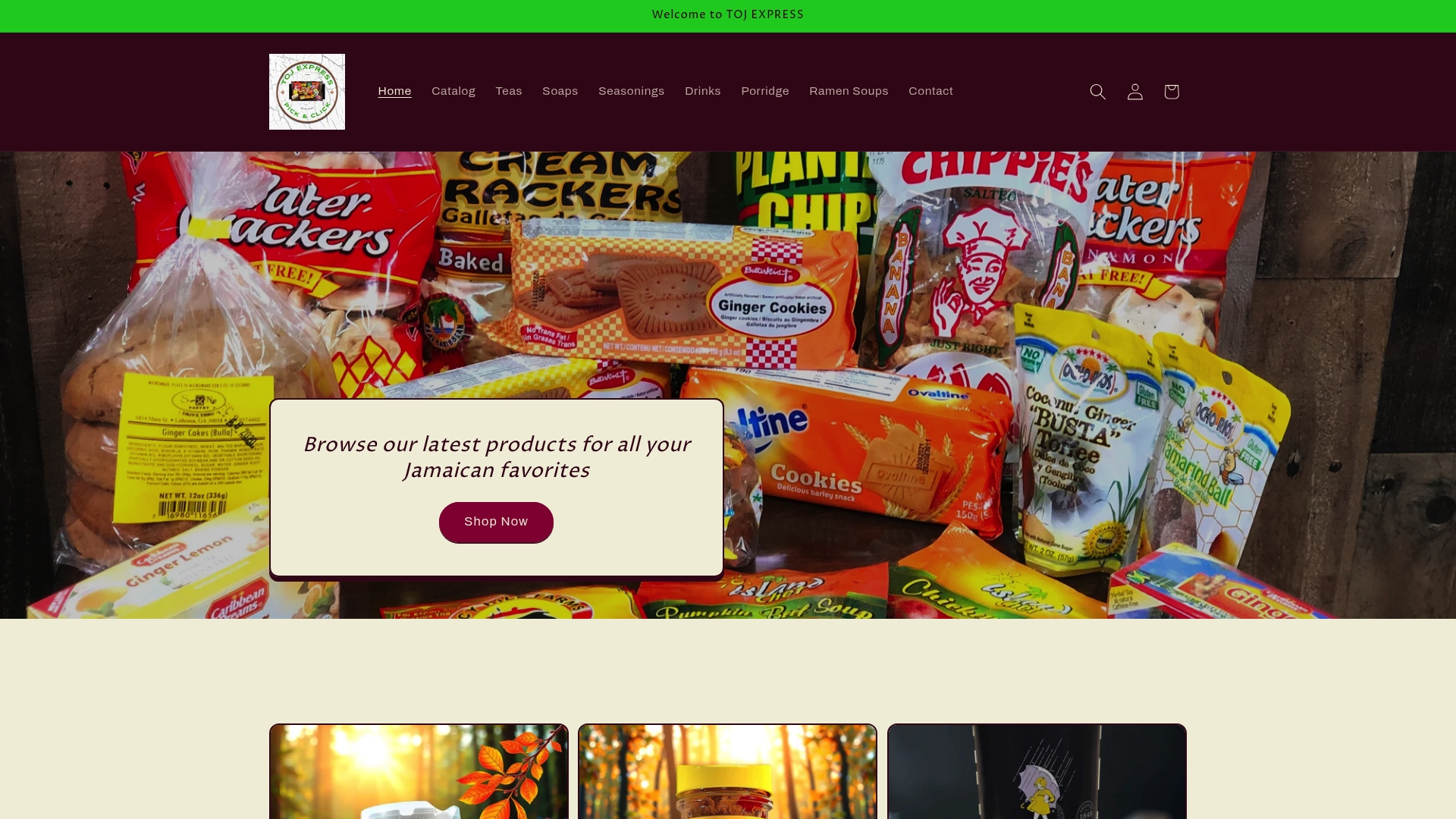
Whether you are stocking up on familiar favorites or hunting for something new to try, our store is built around the same values that make Atlanta’s specialty markets so special: authenticity, community, and flavor you cannot find just anywhere. Come see what we have waiting for you.
Frequently asked questions
What makes a specialty store different from a supermarket?
Specialty stores focus on unique products and cultural needs that mainstream supermarkets often overlook, offering healthier, more diverse options for underserved communities.
Are specialty markets affordable for everyday shopping?
Yes, many specialty markets offer bulk deals and lower prices. The DeKalb Market bulk pricing model is a well-known example of how these stores compete with large chains on cost.
Do specialty stores help improve food access in Atlanta?
Research shows ethnic stores provide equivalent healthy food access to large grocery stores, making them a reliable option for Atlanta shoppers in all neighborhoods.
How do I get the most out of shopping at a specialty market?
Talk to staff for product recommendations and explore unfamiliar sections on every visit. Staff knowledge at specialty stores is one of the biggest advantages over shopping at a generic chain.
Recommended
- Why shop diverse stores in Atlanta for cultural flavors – TOJ EXPRESS
- Why shop locally in Atlanta: support community & flavors – TOJ EXPRESS
- Explore ethnic stores in Atlanta: authentic flavors & community – TOJ EXPRESS
- Why international foods enhance Atlanta culinary diversity – TOJ EXPRESS
- What is specialty coffee? Standards, scoring, and real value – Adira Coffee US