

Caribbean Food Trends 2026: What's Reshaping Island Cuisine
TOJEXPRESS.COM-Antonio HenryTL;DR:
- Caribbean cuisine in 2026 is evolving from tourist-oriented comfort foods to a globally recognized culinary identity driven by festivals, fine dining, and ingredient innovation. Institutional festivals and chef-led reinterpretations are establishing Caribbean flavors as authentic and prestigious, while sustainable ingredients like breadfruit and sargassum are gaining market traction. Mainstream retail and retail-based formats are amplifying these trends, ensuring Caribbean food’s lasting presence and recognition worldwide.
Caribbean cuisine in 2026 is defined by a decisive shift from tourist-facing comfort food to a globally competitive culinary identity, driven by chef-led fine dining, sustainable ingredient science, and festival platforms that command international attention. The caribbean food trends 2026 watchers need to understand are not incremental. They represent a structural change in how the world perceives, sources, and eats Caribbean food. From sargassum-derived food ingredients to breadfruit crackers landing on Sprouts shelves, and from Antigua’s month-long culinary festival to a Caribbean steakhouse opening in Las Vegas, the signals are clear and consistent. This is a cuisine finding its institutional footing.
1. Caribbean food trends 2026: the festivals driving global recognition
Caribbean culinary festivals now function as cultural embassies, rebranding island flavors for a global audience far beyond traditional tourism stereotypes. They combine high-concept dining experiences, diaspora storytelling, and chef collaborations that generate the kind of media coverage once reserved for European food capitals.
Antigua and Barbuda’s Culinary Month runs the entire month of May 2026, featuring 50-plus restaurants offering prix-fixe menus alongside signature events including FAB Fest and the Caribbean Food Forum. That scale matters. A month-long program signals institutional commitment, not a weekend showcase.
Miami’s Food, Wine & Fete delivers an immersive Caribbean culinary experience to one of North America’s most food-literate cities. The event draws diaspora communities and culinary tourists simultaneously, creating a dual audience that amplifies reach well beyond the event itself.
Key festival-driven trends to watch:
- Chef residency exchanges between Caribbean islands and major U.S. cities are accelerating flavor cross-pollination
- Caribbean Food Forum sessions are building the intellectual infrastructure for cuisine classification and recognition
- Diaspora engagement programming connects second-generation Caribbean Americans to heritage flavors through modern formats
- Prix-fixe menus at 50-plus Antiguan restaurants are training local chefs in fine dining service standards
Pro Tip: If you want to track Caribbean cuisine innovations before they hit retail, follow the chef lineups at FAB Fest and Food, Wine & Fete. The dishes debuting there typically appear in packaged food formats 12 to 18 months later.
2. Ingredient innovations reshaping sustainable Caribbean food
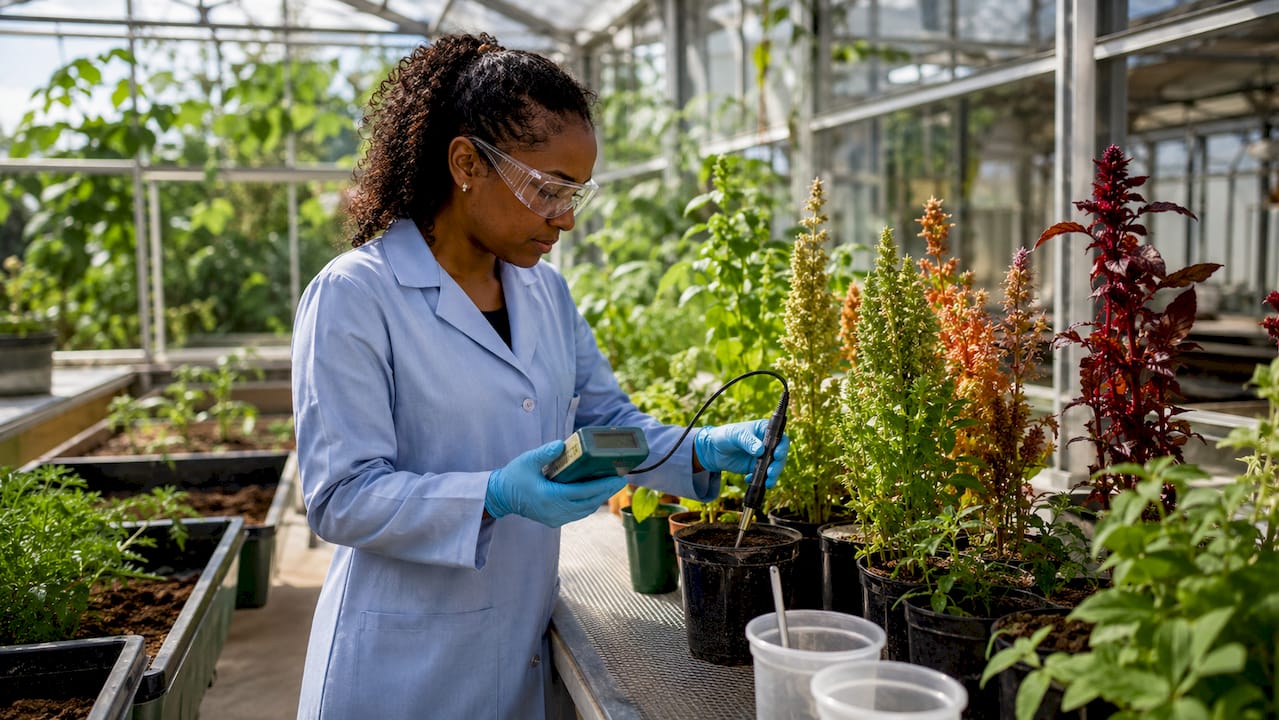
The most technically significant Caribbean cuisine innovation of 2026 is happening in a lab, not a kitchen. Florida State University researchers report ~45% extraction yields of food-grade alginate from pelagic sargassum, the seaweed that has plagued Caribbean coastlines for years. That yield figure is commercially meaningful. It suggests sargassum could transition from environmental liability to functional food ingredient at scale.
Alginate is used as a thickener, stabilizer, and encapsulant in food manufacturing. A Caribbean-sourced, sustainably harvested version would give food brands a regional provenance story alongside genuine functional value. The global functional foods market is actively seeking ingredients with both performance and narrative.
However, sargassum-derived alginate is not yet consumer-ready. Heavy metals and bacteria remain safety concerns, and high-pressure processing is still being tested for microbial reduction. Regulatory approval is pending. The path from extraction yield to grocery shelf requires multi-stage validation that will take time.
Breadfruit is the ingredient story that has already crossed the finish line. Ulu Foods expanded its breadfruit-based crackers to 487 Sprouts Farmers Market stores in 2026. The products are grain-free and allergen-free, built on a tree-to-table vertical integration model that addresses both food security and mainstream dietary preferences simultaneously.
| Ingredient | Current status | Key application | Timeline |
|---|---|---|---|
| Sargassum alginate | Research and safety testing | Thickener, stabilizer | 2 to 4 years to market |
| Breadfruit (Ulu Foods) | 487 Sprouts stores | Crackers, snack foods | Available now |
| Jerk seasoning blends | Retail mainstream | Condiments, marinades | Established and growing |
| Ackee-based products | Specialty retail | Canned, frozen formats | Expanding distribution |
Pro Tip: Breadfruit products are your best entry point into sustainable Caribbean food right now. They deliver on allergen-free and grain-free claims while carrying a genuine Caribbean food-security story that resonates with values-driven shoppers.
3. How fine dining chefs are reinterpreting Caribbean cuisine
Chef Kwame Onwuachi’s Maroon steakhouse in Las Vegas is the clearest proof point that Caribbean cuisine has arrived in fine dining. The menu features jerk clam flatbread, coco bread with sorghum butter, and a custom-built jerk pit that makes the cooking process visible to diners. That last detail is deliberate. Showing the jerk pit communicates authenticity in a way that a menu description never could.
The Afro-Caribbean reinterpretation model Onwuachi uses at Maroon is becoming a template for other chefs. It takes ingredients with deep cultural roots, oxtail, ackee, scotch bonnet, and applies refined culinary techniques without erasing the flavor memory those ingredients carry. The result is food that feels both new and deeply familiar to Caribbean diners, while remaining accessible to guests encountering these flavors for the first time.
Fine dining Caribbean cuisine in 2026 is characterized by:
- Visible process authenticity, such as open jerk pits and tableside preparations that tell the cooking story
- Ingredient elevation, using heritage staples like sorghum, breadfruit, and callaloo in unexpected applications
- Afro-Caribbean narrative framing, connecting dishes to specific island traditions and historical contexts
- Balanced heat profiles, moving away from extreme spice toward layered, complex flavor builds that reward multiple bites
The economic context matters here. Consumer price sensitivity is moderating culinary experimentation in 2026, which means fine dining Caribbean restaurants must balance novelty with recognizable comfort. Maroon’s approach of anchoring adventurous preparations to familiar proteins like steak and chicken is a direct response to that market reality.
4. Consumer trends shaping Caribbean food market formats
IFT’s 2026 food trend analysis projects flat U.S. food sales growth with consumer preference shifting toward “comfort plus quality” over novelty. For Caribbean food brands, this is both a constraint and an opportunity. The constraint is that extreme flavor innovation faces resistance. The opportunity is that Caribbean cuisine’s natural comfort food canon, rice and peas, jerk chicken, pepperpot, maps directly onto what consumers want right now.
The extreme heat trend that dominated 2023 and 2024 has cooled. Caribbean condiments and spice blends are adapting by emphasizing balance over intensity. A scotch bonnet hot sauce positioned around fruity, floral notes rather than pure Scoville units reaches a broader audience without abandoning its Caribbean identity.
Retail is leading trend diffusion in 2026, ahead of restaurants. Caribbean snacks, condiments, and shelf-stable comfort foods are appearing in mainstream grocery channels, not just specialty stores. This shift means that Caribbean snack formats are becoming the primary discovery mechanism for new consumers encountering these flavors for the first time.
5. Popular Caribbean dishes gaining traction in 2026
The dishes gaining the most ground in 2026 combine deep heritage roots with formats that work across multiple consumption occasions. Jerk chicken remains the anchor, but its preparation is diversifying into flatbreads, grain bowls, and protein-forward meal kits. Pepperpot, the slow-cooked meat stew with cassareep base traditional to Guyana and Antigua, is appearing on upscale menus as a braised preparation that showcases Caribbean depth of flavor to fine dining audiences.
Fungee, the cornmeal-based staple of Antigua and Barbuda, is being reframed as a polenta alternative with Caribbean provenance. That repositioning matters because it gives chefs a familiar reference point while introducing an ingredient with genuine regional specificity. Ackee, Jamaica’s national fruit, is expanding beyond its traditional saltfish pairing into scrambled preparations and plant-based protein applications.
Dishes and formats with strong momentum in 2026:
- Jerk chicken grain bowls combining Caribbean protein with global bowl formats popular in fast-casual dining
- Pepperpot braises appearing on tasting menus as a showcase for cassareep’s complex, bitter-sweet depth
- Ackee scrambles positioned as plant-forward breakfast options in health-focused cafes
- Caribbean holiday foods drawing on island feast traditions that resonate with diaspora communities year-round
- Frozen Caribbean entrees expanding in mainstream retail as convenient access points for home cooks
The frozen and shelf-stable segment deserves particular attention. Home cooks who discovered Caribbean flavors through restaurants are now seeking authentic Caribbean products to replicate those experiences at home. That demand is creating real retail shelf space for Caribbean brands that previously existed only in specialty or ethnic grocery channels.
Key takeaways
Caribbean cuisine in 2026 is institutionalizing through festivals, fine dining, and ingredient science, making this the most consequential year for the cuisine’s global positioning to date.
| Point | Details |
|---|---|
| Festivals as culinary infrastructure | Antigua’s month-long Culinary Month and Miami’s Food, Wine & Fete are building institutional credibility for Caribbean cuisine globally. |
| Ingredient innovation is bifurcated | Breadfruit products are retail-ready now; sargassum alginate is 2 to 4 years from consumer shelves pending safety approval. |
| Fine dining sets the flavor agenda | Chef Kwame Onwuachi’s Maroon demonstrates that Afro-Caribbean techniques and ingredients can anchor upscale dining concepts. |
| Consumer comfort drives format choices | IFT’s 2026 data shows price-sensitive consumers favor familiar comfort foods, which favors Caribbean cuisine’s natural strengths. |
| Retail leads trend diffusion | Caribbean snacks, condiments, and frozen foods are reaching mainstream grocery channels ahead of restaurant adoption. |
Caribbean cuisine’s next chapter: what I actually think
The conversation around Caribbean food trends in 2026 tends to focus on what’s new. The sargassum research is genuinely exciting. Maroon is a landmark opening. But what strikes me most is what’s finally becoming permanent.
For decades, Caribbean cuisine has been treated as context-dependent food. Great on the island. Acceptable in diaspora neighborhoods. Invisible everywhere else. What 2026 represents is the beginning of the end of that dynamic. When a Caribbean steakhouse opens in Las Vegas with a custom jerk pit and a James Beard-recognized chef, the cuisine is no longer asking for permission to be taken seriously.
The residency programs and regional rating systems that are beginning to emerge will matter more than any single dish or ingredient trend. Institutions create memory. They turn a moment into a movement. The French culinary tradition did not become globally dominant because of one great chef. It became dominant because it built schools, guides, and certification systems that codified and transmitted its standards.
Caribbean cuisine is at the beginning of that process. The festivals, the forums, the fine dining openings are all laying groundwork. My honest read is that the next five years will determine whether this renaissance produces lasting infrastructure or remains a cycle of exciting moments that never quite compound. The ingredients for permanence are present. The question is whether the investment follows.
— ANTONIO
Discover authentic Caribbean flavors at Tojexpress
Tojexpress stocks the authentic Caribbean products that reflect exactly the trends reshaping the cuisine in 2026, from heritage condiments and jerk seasonings to breadfruit-based snacks and shelf-stable Caribbean staples.

Whether you are tracking growing Caribbean food trends or simply want to cook the dishes you have been reading about, Tojexpress brings the Caribbean pantry to you. The store carries both American and Caribbean products, making it the right stop for anyone who wants to explore authentic Caribbean products without hunting across multiple specialty retailers. Browse the full selection and find the ingredients that make these 2026 trends cook.
FAQ
What are the biggest Caribbean food trends in 2026?
The defining Caribbean food trends in 2026 are fine dining elevation through chefs like Kwame Onwuachi, sustainable ingredient innovation with breadfruit and sargassum, and festival-driven culinary recognition through events like Antigua’s Culinary Month.
Is sargassum safe to eat as a food ingredient?
Sargassum-derived alginate is not yet consumer-ready. Researchers at Florida State University and FIU have demonstrated viable extraction yields, but heavy metal and bacterial safety concerns require regulatory approval before any product launch.
Which Caribbean dishes are most popular in 2026?
Jerk chicken, pepperpot, ackee preparations, and fungee are the dishes gaining the most traction in 2026, appearing across formats from fine dining tasting menus to frozen retail entrees and fast-casual grain bowls.
How is breadfruit being used in Caribbean food innovation?
Ulu Foods expanded breadfruit-based crackers to 487 Sprouts Farmers Market stores in 2026, offering grain-free and allergen-free snack options built on a tree-to-table sourcing model that supports Caribbean food security.
Where can I buy authentic Caribbean food products in 2026?
Tojexpress carries a curated selection of authentic Caribbean and American products, including condiments, snacks, and pantry staples that reflect the most relevant 2026 Caribbean cuisine trends.