
Caribbean holiday foods: 3+ islands for 2026 feasts
TOJEXPRESS.COM-Antonio HenryChoosing Caribbean holiday foods for your Georgia celebration shouldn’t feel overwhelming. With diverse island traditions spanning Jamaica, Trinidad, and Barbados, you need clear criteria to navigate authentic dishes, source specialty ingredients locally, and match recipes to your occasion. This guide arms you with practical selection strategies, cultural insights, and sourcing advice to bring vibrant Caribbean flavors to your 2026 holiday table.
Table of Contents
- How To Choose The Right Caribbean Holiday Foods For Your Celebration
- Traditional Caribbean Holiday Dishes And Their Cultural Roots
- Key Ingredients And Sourcing Caribbean Holiday Foods In Georgia
- Comparing Caribbean Holiday Foods Across Popular Islands
- Health And Preparation Considerations For Caribbean Holiday Cooking
- Summary Comparison And When To Choose Each Caribbean Holiday Food
- Discover Authentic Caribbean Holiday Ingredients At TOJ Express
- Frequently Asked Questions
Key takeaways
| Point | Details |
|---|---|
| Selection criteria matter | Evaluate authenticity, ingredient availability in Georgia, preparation time, and occasion fit before choosing dishes. |
| Island traditions vary widely | Jamaican jerk, Trinidadian curry, and Barbadian cornmeal dishes reflect unique cultural heritage and cooking styles. |
| Local sourcing is possible | Specialty stores like TOJ Express provide scotch bonnet peppers, allspice, and traditional ingredients in Georgia. |
| Preparation demands planning | Traditional slow cooking and marination require advance timelines, though modern adaptations exist. |
| Comparison guides decisions | Side by side dish analysis helps match quick meals versus traditional feasts to your holiday needs. |
How to choose the right Caribbean holiday foods for your celebration
Before selecting Caribbean holiday dishes, define your priorities. Consider authenticity, ingredient availability, prep complexity, occasion, and dietary needs when selecting dishes to ensure your choice aligns with your celebration goals. Start by identifying the holiday type, whether Christmas, Easter, or a family gathering, since different islands emphasize specific dishes for particular celebrations.
Authenticity matters when exploring Caribbean cuisine, but ingredient availability in Georgia determines feasibility. Check whether specialty items like scotch bonnet peppers or callaloo are accessible through local stores before committing to a recipe. Review tips for finding Caribbean groceries in Georgia to locate suppliers near you.
Preparation time and complexity vary dramatically across Caribbean dishes. Some require overnight marination or daylong slow cooking, while others offer quicker paths to authentic flavor. Evaluate your schedule honestly and choose dishes that fit your available time without sacrificing taste. Factor in dietary preferences and restrictions, considering whether traditional recipes can accommodate vegetarian, low fat, or allergen free adaptations.
Pro Tip: Plan ingredient shopping early at specialty stores like TOJ Express to ensure availability, especially for seasonal items that may sell out during peak holiday periods.
Use these criteria as a filter when browsing Caribbean cookbook options:
- Authenticity level versus ingredient accessibility trade offs
- Total preparation time including marination and cooking
- Occasion appropriateness for formal versus casual gatherings
- Dietary flexibility for health conscious or restricted eaters
- Skill level required for successful execution
Applying this framework systematically prevents impulse choices that lead to sourcing headaches or execution failures. Match your selection to realistic capabilities while honoring the cultural significance that makes Caribbean holiday foods special. Consult Caribbean grocery shopping tips in Atlanta for additional guidance on navigating specialty stores efficiently.
Traditional Caribbean holiday dishes and their cultural roots
Caribbean holiday cuisine reflects centuries of cultural fusion across islands. Traditional holiday dishes include Macaroni Pie, Curry Goat, Jerk Chicken, Christmas Ham, Black Cake, and regional drinks that anchor festive celebrations. Each island brings distinct preparations shaped by colonial influences, African heritage, and indigenous traditions.
Jamaica showcases bold jerk seasoning on chicken and pork, paired with rich Christmas ham glazed with tropical fruits. Curry goat appears at major celebrations, slow cooked until tender with aromatic spices. Macaroni pie, a creamy baked pasta dish, sits alongside rice and peas as essential sides. Sorrel, a crimson holiday drink made from hibiscus flowers steeped with ginger and spices, refreshes guests throughout the season.
Trinidad emphasizes curry traditions inherited from Indian influences, featuring curry chicken, duck, and goat in holiday spreads. Pelau, a one pot rice dish with pigeon peas and caramelized chicken, feeds large family gatherings efficiently. Ponche de Creme, Trinidad’s answer to eggnog, blends rum with condensed milk and warm spices for a signature holiday drink. Pastelles, similar to tamales, wrap seasoned meat in cornmeal dough for Christmas.
Barbados highlights Cou Cou, a cornmeal and okra dish traditionally paired with flying fish, as a national treasure served during celebrations. Jug jug, a Guinea corn and split pea mixture with salted meat, emerges specifically at Christmas. Christmas pudding and black cake, dense fruit cakes soaked in rum for weeks or months, represent shared traditions across multiple islands with subtle regional variations.
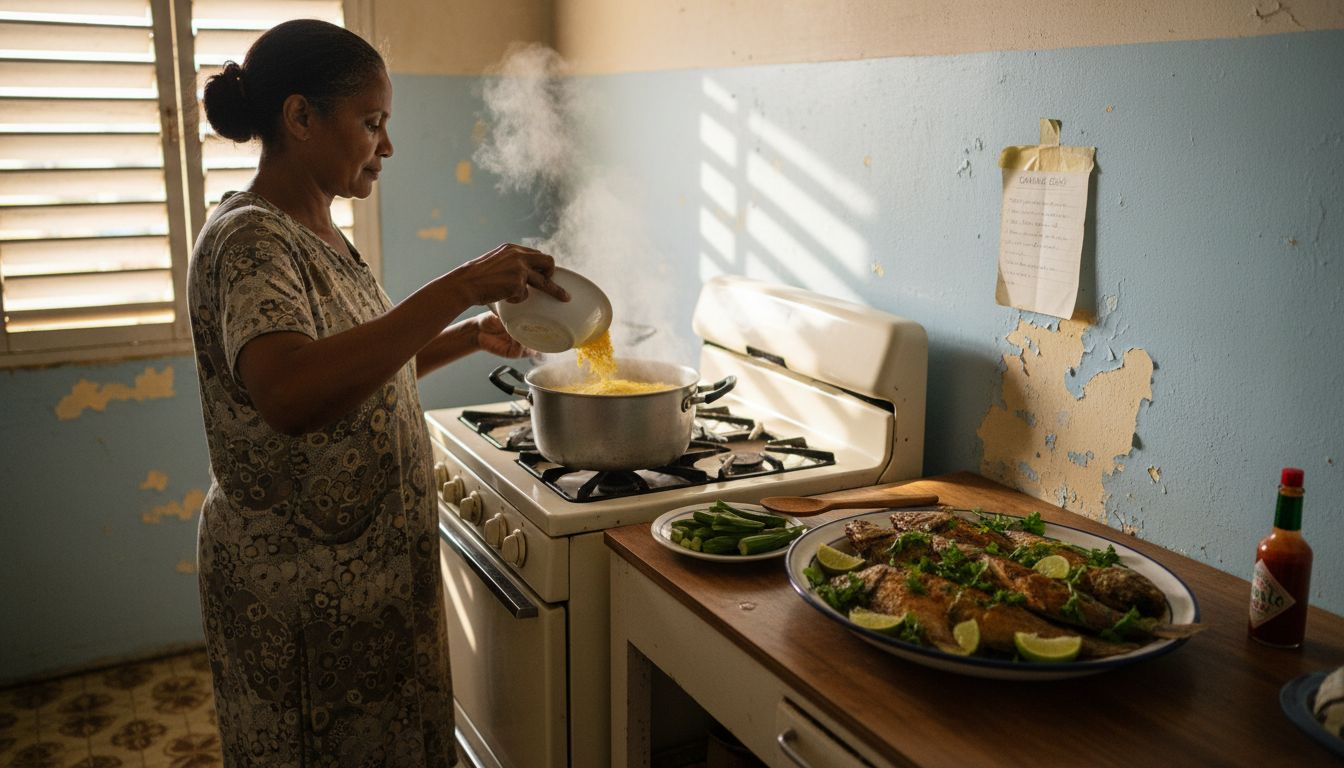
These dishes carry deep cultural significance beyond taste. Black cake preparation often becomes a family ritual, with relatives gathering to chop fruits and debate rum ratios. Christmas ham symbolizes prosperity and abundance, while specific side dishes honor ancestral recipes passed through generations. Understanding Caribbean grocery essentials helps you appreciate the ingredient heritage behind these traditions.
Regional differences reflect each island’s unique history:
- Jamaica emphasizes jerk techniques and scotch bonnet heat
- Trinidad showcases Indian curry influences and one pot meals
- Barbados features cornmeal bases and British colonial dessert traditions
- Shared elements like black cake unite islands with local twists
Exploring Caribbean recipes and cultural roots reveals how geography, trade routes, and migration patterns shaped each island’s holiday table. Respecting these origins adds depth to your cooking beyond following recipe steps.
Key ingredients and sourcing Caribbean holiday foods in Georgia
Authentic Caribbean cooking demands specific ingredients that define signature flavors. Scotch bonnet peppers, allspice, ackee, and callaloo can be sourced locally at specialty stores like TOJ Express in Georgia, though availability varies seasonally. Building your pantry with these essentials ensures you can execute traditional recipes successfully.
Must have ingredients for Caribbean holiday cooking include:
- Scotch bonnet peppers for authentic heat and fruity flavor
- Allspice berries, called pimento in Jamaica, for jerk seasoning
- Ackee, the national fruit of Jamaica, typically canned for availability
- Callaloo leaves for traditional greens dishes
- Coconut milk and cream for curries and desserts
- Cassava and yams for authentic starch sides
- Sorrel flowers for holiday beverages
- Dark rum for black cake and ponche de creme
Sourcing these items in Georgia requires knowing where to shop. Specialty Caribbean stores concentrate in metro Atlanta areas, with TOJ Express offering comprehensive selections. International markets sometimes stock basics like scotch bonnets and coconut milk, though quality and variety differ. Visiting finding Caribbean ingredients in Georgia locations during non peak hours provides better selection and staff attention.
Pricing reflects import costs and demand fluctuations. Fresh scotch bonnets cost more than widely available habaneros, while specialty items like ackee command premium prices due to limited supply. Frozen options offer cost savings for items like callaloo without major quality compromise. Shopping seasonally, especially before major holidays when stores stock up, provides better prices and fresher inventory.
When authentic ingredients prove elusive, strategic substitutions maintain dish integrity. Habanero peppers replace scotch bonnets with similar heat but less fruity complexity. Spinach substitutes for callaloo in texture, though flavor differs. Regular sweet potatoes stand in for Caribbean yams in most preparations. However, some ingredients like ackee lack suitable alternatives and require seeking proper sources.
Pro Tip: Build relationships with specialty store owners for best ingredient sourcing, as they often notify regular customers when hard to find items arrive or offer bulk pricing for holiday shopping.
Review shopping tips for Caribbean groceries to maximize your sourcing efficiency. Planning ingredient lists well before holidays prevents last minute scrambles and allows time for online ordering if local options disappoint. Freezing surplus specialty items extends their availability beyond immediate needs.
Comparing Caribbean holiday foods across popular islands
Side by side comparison reveals how island traditions diverge in ingredients and techniques. Distinct cooking styles: jerk seasoning for Jamaica, curry for Trinidad, and Cou Cou with Flying Fish for Barbados; preparation times and unique ingredients vary significantly, affecting your dish selection strategy.
| Feature | Jamaican Jerk Chicken | Trinidad Pelau | Barbadian Cou Cou with Flying Fish |
|---|---|---|---|
| Key ingredients | Scotch bonnet, allspice, thyme, scallions | Pigeon peas, coconut milk, caramelized sugar, curry | Cornmeal, okra, flying fish, herbs |
| Preparation time | 12+ hours with overnight marination | 2 to 3 hours start to finish | 2 hours including fish preparation |
| Cooking method | Slow smoking or grilling over pimento wood | One pot caramelized rice technique | Stirring cornmeal while preparing fish separately |
| Complexity level | Moderate, requires temperature control | Moderate, timing caramelization matters | High, requires constant stirring and coordination |
| Typical pairing | Sorrel drink, festival bread, rice and peas | Green salad, fried plantains | Steamed vegetables, pepper sauce |
| Best occasion | Traditional Christmas dinner, large gatherings | Casual family meals, Sunday lunch | Formal celebrations, showcasing national dish |
Jamaican jerk chicken demands advance planning for proper marination, allowing spices to penetrate meat thoroughly. The smoking process adds complexity but delivers unmatched depth of flavor. Sorrel accompanies perfectly, cutting through rich, spicy meat with tart refreshment. This combination suits traditional Christmas feasts where preparation time is available.
Trinidad pelau offers efficiency for busy cooks, delivering satisfying one pot comfort in under three hours. The caramelized sugar technique, called “burning the sugar,” creates distinctive color and flavor that defines authentic pelau. Coconut milk adds creaminess while pigeon peas provide texture and nutrition. This dish works beautifully for casual holiday gatherings or when feeding large groups without elaborate multi course planning.
Barbadian Cou Cou with Flying Fish represents technical cooking that rewards attention with unique taste and texture. Constant stirring prevents lumps in the cornmeal while okra adds characteristic smoothness. Flying fish, though sometimes substituted with other white fish in Georgia, brings delicate flavor that complements rather than competes with the cornmeal base. This national dish impresses guests seeking authentic Barbadian experience.
Cultural distinctions between islands include:
- Jamaica prioritizes bold, spicy flavors with complex marinades
- Trinidad emphasizes one pot efficiency and Indian spice influences
- Barbados showcases British colonial influences in preparations
- Each island takes pride in specific techniques perfected over generations
These differences guide your selection based on available time, desired complexity, and flavor preferences. Quick gatherings favor Trinidad pelau, while traditional celebrations benefit from Jamaican jerk chicken’s showstopping presentation. Exploring Caribbean grocery tips in Georgia helps you source ingredients specific to your chosen island’s cuisine.
Health and preparation considerations for Caribbean holiday cooking
Traditional Caribbean cooking techniques prioritize flavor development through time intensive methods. Traditional slow cooking and marination require advance planning; modern recipes adapt with lower fat and plant based options without completely abandoning authentic taste profiles. Understanding these demands helps you balance tradition with contemporary health awareness.
Long marination defines many Caribbean dishes, with jerk chicken often sitting overnight in spice pastes for maximum flavor penetration. Black cake preparation involves soaking dried fruits in rum for weeks or months, creating dense, boozy richness. Curry goat slow cooks for hours until meat falls off the bone, developing deep, complex flavors. These timelines mean holiday cooking often starts days or weeks before the actual celebration.
Modern adaptations address health concerns while respecting traditional flavors. Reducing oil in curry dishes maintains taste through proper spice toasting and coconut milk quality. Grilling or baking replaces deep frying for items traditionally fried. Plant based versions substitute jackfruit or mushrooms for meat in curries and stews, absorbing marinades effectively. Lower sodium versions reduce salt by emphasizing fresh herbs and citrus for brightness.
Planning preparation timelines prevents last minute stress:
- Black cake: Start fruit soaking 2 to 4 weeks before serving
- Jerk chicken: Marinate overnight, cook day before or morning of event
- Curry goat: Prepare 1 to 2 days ahead, as flavor improves with time
- Pelau: Cook same day for best texture, though components can be prepped earlier
- Sorrel: Steep 2 days before serving for optimal flavor extraction
Common mistakes undermine authentic results. Skipping proper soaking for black cake fruits produces dry, less flavorful cake. Using insufficient marination time for jerk dishes yields surface seasoning without depth. Inaccurate ingredient substitutions, like using regular peppers instead of scotch bonnets, fundamentally alter flavor profiles. Rushing slow cooked dishes with higher heat toughens meat rather than tenderizing it.
Balancing authenticity with health preferences requires thoughtful choices. Some dishes adapt better than others to modifications. Macaroni pie can incorporate whole grain pasta and reduced fat cheese without major taste sacrifice. Vegetable heavy sides like callaloo maintain authenticity while boosting nutritional value. However, certain dishes like black cake depend on traditional ingredients and techniques for their essential character.
Consult health and dietary adaptations resources for specific substitution guidance. Testing adapted recipes before serving at important gatherings ensures results meet your standards. Communicating modifications to guests respects both dietary needs and cultural appreciation for traditional preparations.
Summary comparison and when to choose each Caribbean holiday food
Synthesizing dish characteristics into actionable recommendations helps finalize your Caribbean holiday menu. This summary guides matching dishes to specific situations based on preparation demands, ingredient needs, and occasion type.
| Dish | Prep Time | Key Ingredients | Island Origin | Best For | Difficulty |
|---|---|---|---|---|---|
| Jerk Chicken | 12+ hours | Scotch bonnet, allspice, thyme | Jamaica | Traditional Christmas, large gatherings | Moderate |
| Curry Goat | 3 to 4 hours | Curry powder, scotch bonnet, goat meat | Jamaica/Trinidad | Formal celebrations, meat lovers | Moderate |
| Pelau | 2 to 3 hours | Pigeon peas, coconut milk, chicken | Trinidad | Casual meals, weeknight holidays | Moderate |
| Cou Cou with Flying Fish | 2 hours | Cornmeal, okra, flying fish | Barbados | Showcasing national dish, adventurous eaters | High |
| Macaroni Pie | 1.5 hours | Pasta, cheese, evaporated milk | Multiple islands | Side dish, kid friendly option | Easy |
| Black Cake | Weeks soaking, 3 hours baking | Dried fruits, rum, spices | Multiple islands | Traditional dessert, gifting | Moderate |
Quick meal situations favor Trinidad pelau or macaroni pie, both delivering satisfying results within a few hours. Pelau’s one pot nature minimizes cleanup while feeding groups efficiently. Macaroni pie works as either main or side dish, adapting to various menu configurations. These choices suit weeknight holiday celebrations or last minute gatherings.
Traditional Christmas celebrations call for Jamaican jerk chicken or curry goat as centerpiece proteins. Their complex flavors and impressive presentations honor cultural heritage while creating memorable dining experiences. Pairing with multiple sides and sorrel drink completes an authentic island feast. Plan these dishes when time permits proper preparation and when guests appreciate traditional cooking.
Showcasing unique flavors highlights Barbadian Cou Cou with Flying Fish or black cake for adventurous eaters. Cou Cou introduces unfamiliar textures and techniques that spark conversation and cultural education. Black cake’s intense, rum soaked richness represents Caribbean holiday traditions across islands. Choose these when your audience values culinary exploration over comfort food familiarity.
Family size affects dish selection, with one pot meals like pelau scaling easily for crowds. Individual portions such as jerk chicken legs allow flexible quantities and easier serving. Side dishes like macaroni pie stretch main proteins further for budget conscious celebrations. Consider cooking methods and serving logistics when planning for specific group sizes.
Time availability determines realistic choices. Weekend celebrations permit slow cooked curries and overnight marinades. Weeknight gatherings require quicker options like pelau or pre marinated proteins. Balancing multiple dishes demands staggered preparation, with some items made ahead and others cooked fresh. Honest assessment of your available time prevents overcommitment and cooking stress.
Discover authentic Caribbean holiday ingredients at TOJ Express
Bringing Caribbean holiday traditions to your Georgia kitchen starts with quality ingredients. TOJ Express offers a wide range of authentic Caribbean holiday ingredients suited for home cooks, from essential scotch bonnet peppers to specialty items like ackee and sorrel flowers. Our selection supports both traditional recipes and modern adaptations, ensuring you find exactly what your holiday menu requires.
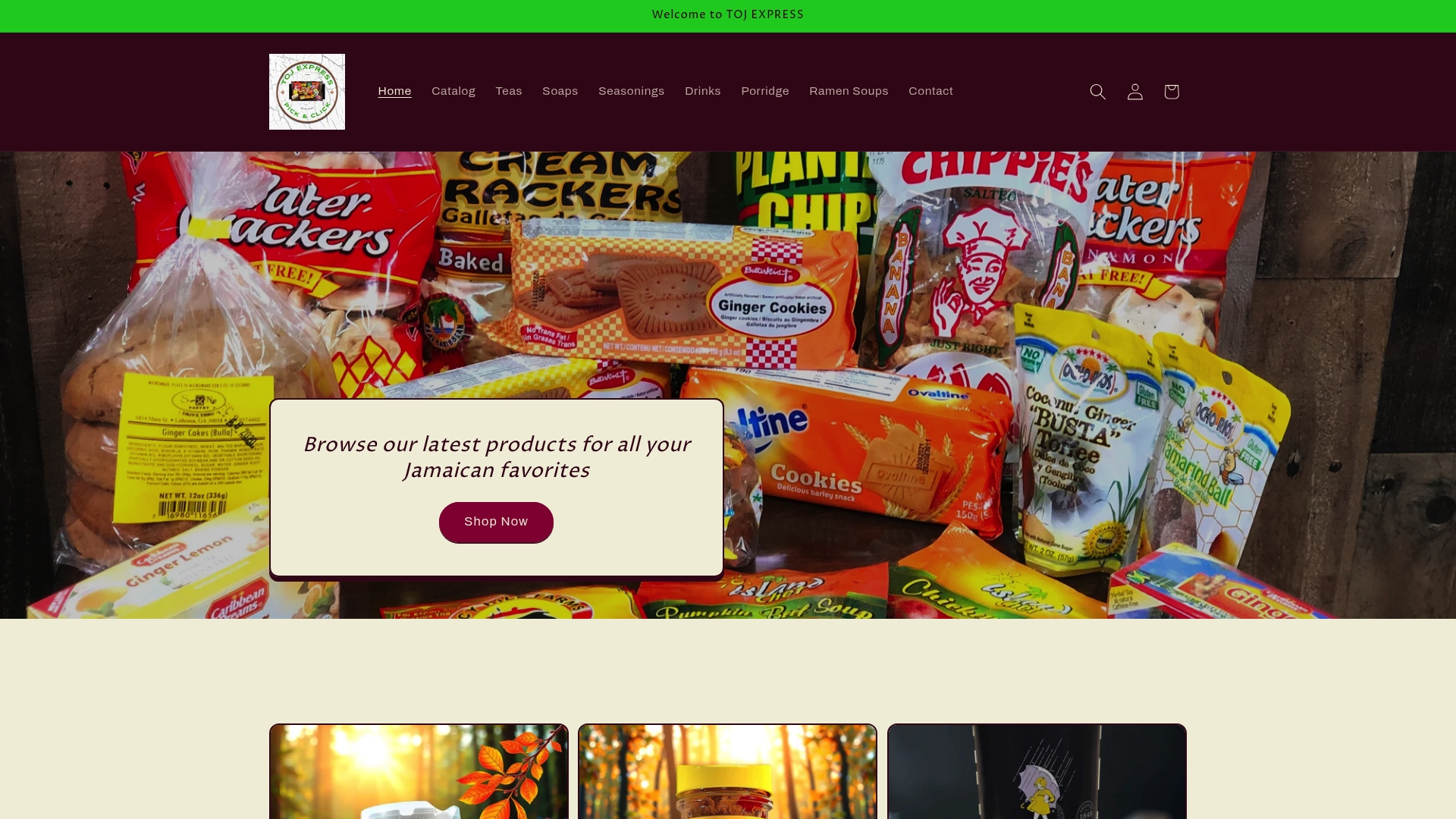
Explore Caribbean grocery essentials at TOJ Express to stock your pantry with authentic products. Our knowledgeable staff helps you identify unfamiliar ingredients and suggests substitutions when needed. Whether you’re preparing Jamaican jerk, Trinidad pelau, or Barbadian specialties, we supply the building blocks for successful Caribbean cooking.
Learn to shop like a local with expert tips on navigating Caribbean grocery selections. Our blog shares practical advice on shopping Caribbean groceries in Atlanta, helping you maximize your ingredient budget and discover new products. Understanding trending Caribbean products keeps your cooking current while honoring traditional roots.
Frequently asked questions
What are the most iconic Caribbean holiday dishes?
Macaroni Pie, Curry Goat, Jerk Chicken, Christmas Ham, Black Cake, and Sorrel represent iconic Caribbean holiday foods served across multiple islands. Dish specifics vary by island, with Jamaica emphasizing jerk preparations, Trinidad featuring curry influences, and Barbados highlighting cornmeal based dishes. Regional variations reflect unique cultural heritage and ingredient availability.
Where can I buy authentic Caribbean ingredients in Georgia?
Specialty stores like TOJ Express general grocery supply most traditional Caribbean ingredients in Georgia, including scotch bonnet peppers, allspice, callaloo, and sorrel flowers. Planning and early shopping is recommended especially for seasonal items that may sell out during peak holiday periods. International markets sometimes stock basics, though dedicated Caribbean stores offer better variety and quality.
How can I adapt Caribbean holiday recipes for dietary restrictions?
Use ingredient substitutions like plant based alternatives for meat in curries and stews, or reduced fat dairy in macaroni pie and desserts. Respect traditional flavors by maintaining core spices and cooking techniques even when modifying ingredients. Advance planning helps balance taste and dietary needs, with resources like health and authenticity in Caribbean cooking providing specific guidance.
What is the average preparation time for Caribbean holiday dishes?
Preparation ranges from around 2 to 3 hours for dishes like Trinidad Pelau to 12+ hours for marinated Jamaican jerk chicken requiring overnight seasoning. Black cake demands weeks of fruit soaking in rum before baking. Soaking and slow cooking are common across Caribbean cuisine, requiring advance planning to achieve authentic flavors and textures.
Can I substitute ingredients in Caribbean holiday recipes?
Strategic substitutions work when authentic ingredients are unavailable, such as using habaneros for scotch bonnets or spinach for callaloo. However, some ingredients like ackee lack suitable alternatives and require proper sourcing. Substitutions affect flavor authenticity, so weigh convenience against traditional taste goals when making ingredient swaps.