

Examples of Caribbean Desserts: A Home Cook's Guide
TOJEXPRESS.COM-Antonio HenryTL;DR:
- Caribbean desserts feature tropical fruits, spices, rum, and coconut milk, reflecting rich cultural traditions. Many are seasonal and tied to holidays, often prepared communally over long periods to develop complex flavors. These sweets demonstrate regional techniques and ingredients, making them meaningful expressions of Caribbean culinary identity.
Caribbean desserts are defined by tropical fruits, warming spices, rum, and coconut milk woven into sweets that carry centuries of cultural tradition. The best examples of Caribbean desserts go far beyond simple baking. Black cake, habichuelas con dulce, and guava duff each tell a story about the island that created them. These are communal foods, often made in large batches for holidays and festivals, shared across generations. If you want to understand Caribbean culture, start in the kitchen with something sweet.
1. What are the most iconic examples of Caribbean desserts?
Caribbean desserts span a wide range of textures and techniques. You will find dense, rum-soaked cakes, silky coconut custards, steamed fruit dumplings, and creamy bean puddings. The common thread is bold flavor built from local ingredients: ripe plantains, fresh guava, dried spices, and coconut in nearly every form. Many Caribbean sweets are social dishes tied to communal celebrations and seasonal holidays, which means the recipe is only half the story. The occasion shapes the dessert as much as the ingredients do.
2. What is Caribbean black cake and why does it matter?
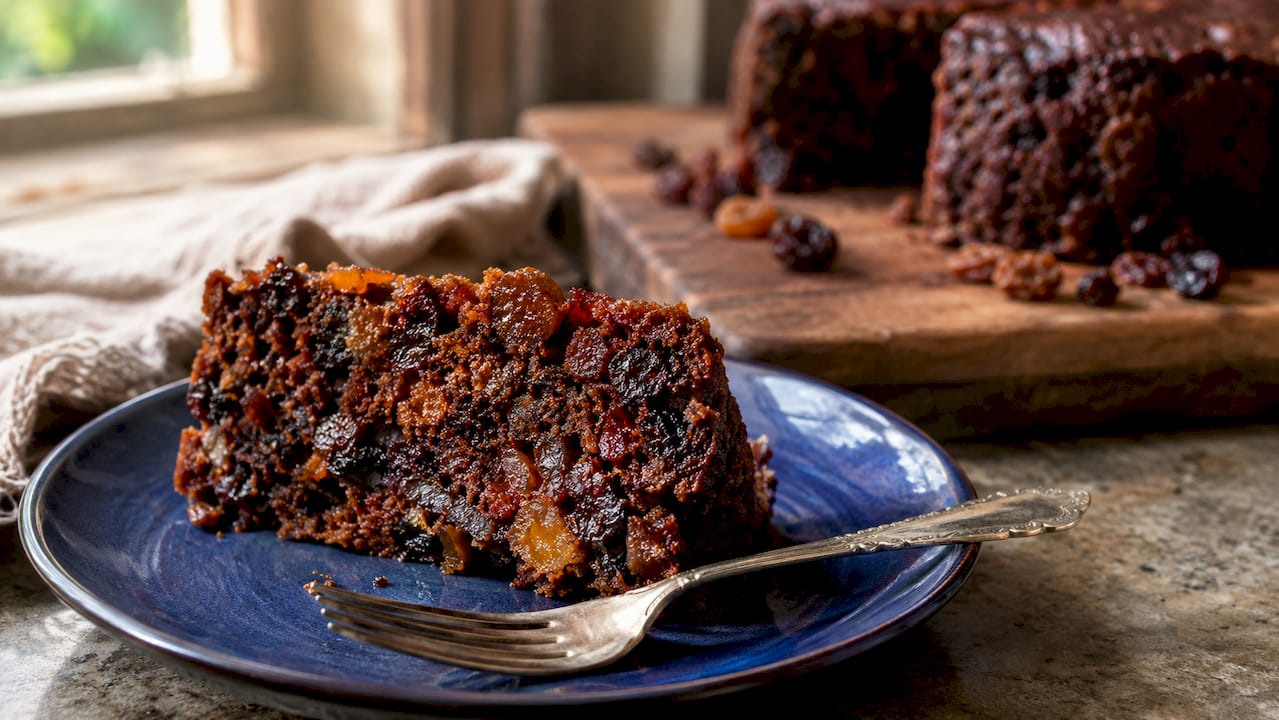
Caribbean black cake is the flagship holiday dessert of the English-speaking Caribbean, made from dried fruits soaked in rum and wine for weeks or even months before baking. That long soak is not optional. It transforms raisins, prunes, and currants into intensely flavored, almost jammy fruit that gives the cake its signature dark color and deep, complex taste.
The texture is dense and moist, closer to a British Christmas pudding than an American layer cake. Jamaican versions tend to be darker and more heavily spiced, while Trinidadian black cake often uses browning sauce for color and a slightly sweeter profile. Both are made weeks ahead of Christmas, then periodically fed with rum after baking.
Feeding black cake with rum after baking keeps it moist and deepens the aroma over months. This step separates an authentic black cake from a shortcut version.
Key preparation steps for black cake:
- Soak dried fruits (raisins, prunes, currants, cherries) in dark rum and red wine for at least two weeks
- Blend soaked fruit into a paste before folding into batter
- Bake low and slow to prevent drying
- Brush or pour rum over the finished cake every few days during storage
- Wrap tightly in foil or parchment between feedings
Pro Tip: Start soaking your fruit in september or october for a Christmas black cake. The longer the soak, the richer the flavor. Some Caribbean home cooks keep a jar of rum-soaked fruit going year-round.
3. How does habichuelas con dulce turn beans into dessert?
Habichuelas con dulce is the proof that Caribbean dessert creativity has no limits. This traditional Dominican Easter pudding is made by simmering red kidney beans with coconut milk, evaporated milk, cinnamon, cloves, and sugar until the mixture becomes thick and fragrant. The result tastes nothing like savory beans. It is warm, spiced, and creamy, closer to a sweet potato pudding than anything you would expect from legumes.
The pudding-like texture comes from slow simmering followed by blending, which breaks down the beans completely and creates a smooth, velvety consistency. Families make enormous batches during Semana Santa (Holy Week) to share with neighbors, friends, and extended family. The dessert is served warm or cold, often with small cookies called rosquitas floating on top.
What makes this dessert stand out:
- Uses red kidney beans as the base, not flour or fruit
- Coconut milk and evaporated milk create a rich, dairy-forward sweetness
- Cinnamon and cloves add warmth without overpowering
- Served communally in large portions, not as individual plated desserts
- Tied specifically to Easter, making it a once-a-year tradition for most families
4. What other Caribbean desserts showcase tropical fruits and unique methods?
Beyond black cake and habichuelas con dulce, the Caribbean produces a remarkable variety of traditional sweets. Here are four that every food enthusiast should know.
Guava duff
Guava duff is a Bahamian steamed dessert made from sweet dough wrapped around fresh guava, then steamed until soft and served with a buttery rum or brandy sauce. The dough absorbs the guava’s tartness during steaming, and the rum sauce adds richness that balances the fruit. It is one of the most distinctive Caribbean dessert options because steaming is rarely used for sweet doughs outside the Caribbean and parts of Asia.
Cassava pone
Cassava pone is a pudding-cake from Trinidad and Tobago made with grated raw cassava, coconut, brown sugar, and warming spices like cinnamon and nutmeg. The cassava provides a slightly chewy, dense texture that sets it apart from flour-based cakes. It is baked until the edges caramelize and the center stays moist. Cassava pone is a popular Caribbean pastry sold at roadside stalls and bakeries across the southern Caribbean.
Flan coco
Flan coco is a French Antilles coconut custard baked in a water bath and finished with a caramel topping. Popular in Martinique and Guadeloupe, it uses coconut milk in place of regular dairy, giving the custard a lighter, tropical flavor compared to classic Spanish flan. The water bath baking method produces a silky, crack-free surface. This is one of the clearest examples of how French colonial influence shaped Caribbean pastry traditions.
Mazamorra de plátano
Mazamorra de plátano is a sweet plantain and coconut porridge flavored with cinnamon, popular along the Colombian Caribbean coast. The key is using overripe plantains. Overripe plantains maximize natural sweetness and produce a caramel-like depth that less-ripe fruit cannot match. The result is a creamy, naturally sweet porridge that works as a dessert or a breakfast.
Pro Tip: When making mazamorra de plátano, look for plantains with nearly black skins. The darker the skin, the sweeter and softer the flesh, which means less added sugar and more natural flavor.
Here is a quick comparison of these four desserts:
| Dessert | Origin | Key Ingredient | Cooking Method |
|---|---|---|---|
| Guava duff | Bahamas | Fresh guava | Steamed |
| Cassava pone | Trinidad and Tobago | Grated cassava | Baked |
| Flan coco | Martinique, Guadeloupe | Coconut milk | Water bath baked |
| Mazamorra de plátano | Colombian Caribbean | Overripe plantain | Simmered |
5. How do seasons and community shape Caribbean dessert traditions?
Caribbean desserts are not year-round, all-purpose sweets. Most of the most beloved ones are tied to specific seasons, holidays, or community events. This seasonal structure is part of what makes them special. You do not eat black cake in July. You do not make habichuelas con dulce in August. The timing is part of the tradition.
Coconut and rum serve as flavor anchors that unify diverse fruit and spice profiles across the region. Nearly every island uses these two ingredients in some form, which creates a recognizable Caribbean flavor identity even across very different desserts.
Seasonal and community patterns worth knowing:
- Black cake is made for Christmas across Jamaica, Trinidad, Barbados, and Guyana
- Habichuelas con dulce appears exclusively during Easter week in the Dominican Republic
- Dulce de guandú, a spiced pigeon pea dessert cooked with panela, cinnamon, and coconut milk, is a Holy Week tradition on the Colombian Caribbean coast
- Trinidad guava cheese, a dense fruit confection made from slow-cooked ripe guavas and sugar, is linked to Christmas preparations and family gatherings
- Communal preparation is standard. Large batches are made to share, not just for the household
For home cooks in the United States, this seasonality is actually an advantage. You can explore Caribbean holiday foods by matching your baking projects to the Caribbean calendar, which gives each dessert its proper cultural context. Tojexpress stocks many of the ingredients you need to follow these traditions authentically, from coconut milk to dark rum extracts and dried tropical fruits.
If you want to go deeper into sourcing the right ingredients for each season, the Caribbean seasonal products guide at Tojexpress is a practical starting point.
Key takeaways
Caribbean desserts are best understood as cultural artifacts first and recipes second. The ingredients, timing, and communal preparation are all part of what makes them worth making.
| Point | Details |
|---|---|
| Rum and coconut anchor the flavor | Nearly every Caribbean dessert uses rum, coconut milk, or both as its flavor foundation. |
| Soaking time defines black cake | Fruit soaked for weeks or months in rum and wine creates the cake’s signature depth. |
| Beans can be dessert | Habichuelas con dulce proves that legumes, blended with coconut and spices, make a genuinely sweet pudding. |
| Seasonality is part of the tradition | Most iconic Caribbean sweets are tied to specific holidays like Christmas or Easter. |
| Technique varies by island | Steaming, water bath baking, and slow simmering each produce distinct textures across the region. |
Why Caribbean desserts deserve a place in your kitchen
I have spent years exploring Caribbean food, and the desserts still surprise me. Most people expect Caribbean cooking to be about jerk chicken or rice and peas. The sweets catch them off guard, and that is exactly the point.
What I find most interesting is how technically demanding these desserts actually are. Black cake requires patience most American bakers are not used to. You are not making something in an afternoon. You are starting a process weeks in advance, feeding the cake with rum, and waiting. That discipline produces something you cannot replicate with shortcuts.
Habichuelas con dulce is the dessert I recommend to anyone who thinks they know what Caribbean food is. Serving someone a warm bowl of sweet bean pudding and watching their face shift from skepticism to genuine pleasure is one of the better moments you can have in a kitchen. The flavor is warm, spiced, and deeply satisfying in a way that feels completely unlike anything in American dessert culture.
The approachability of these recipes is also underrated. Cassava pone and mazamorra de plátano require no special equipment and very few steps. They are honest, ingredient-forward desserts where quality of produce matters more than technique. For home cooks who want to connect with Caribbean culture, these are the right starting point. You are not just baking. You are participating in something that has been passed down across generations.
— ANTONIO
Bring Caribbean sweets home with Tojexpress

Tojexpress is a convenience store stocking both American and Caribbean products, including the ingredients you need to make traditional Caribbean desserts at home. From coconut milk and dried tropical fruits to authentic spice blends, Tojexpress carries what most grocery stores do not. If you want to try making black cake, cassava pone, or flan coco, having the right ingredients makes the difference between a good result and a great one. You can also explore Caribbean snack options to round out your Caribbean food experience beyond desserts. Visit Tojexpress to browse the full selection and start cooking with authentic Caribbean ingredients today.
FAQ
What is Caribbean black cake made of?
Caribbean black cake is made from dried fruits soaked in rum and wine for weeks or months, then blended and folded into a spiced batter. The cake is baked low and slow, then fed with additional rum after baking to stay moist.
What is a Caribbean pastry?
A Caribbean pastry is any baked or steamed sweet made with local ingredients like cassava, coconut, guava, or plantain. Examples include cassava pone, guava duff, and flan coco, each reflecting the culinary traditions of a specific island or region.
Why are Caribbean desserts tied to holidays?
Caribbean desserts are deeply seasonal because they use ingredients that are locally abundant at specific times of year and because communal preparation is central to holiday traditions. Black cake belongs to Christmas, and habichuelas con dulce is made for Easter week.
How do I make habichuelas con dulce at home?
Simmer red kidney beans with coconut milk, evaporated milk, cinnamon, cloves, and sugar until thick, then blend until smooth. Serve warm or cold, topped with small cookies if you want to follow the traditional Dominican presentation.
What ingredients are common in Caribbean desserts?
Coconut milk, rum, tropical fruits like guava and plantain, warming spices like cinnamon and cloves, and cassava appear across most traditional Caribbean sweets. These ingredients serve as the flavor foundation for desserts from Jamaica to Martinique.