

Caribbean seasonal products guide: cook authentic 2026
TOJEXPRESS.COM-Antonio HenryFinding authentic Caribbean ingredients in Georgia can feel overwhelming. You want that perfect mango for your curry or fresh callaloo for Sunday dinner, but grocery stores rarely label seasonal peaks. This guide maps Caribbean produce seasons, storage tips, and cooking techniques so you can source the freshest fruits, vegetables, and root crops for authentic island flavors year round.
Table of Contents
- Introduction To Caribbean Seasonal Products
- Seasonal Availability Calendar For Caribbean Products
- Selecting And Storing Caribbean Seasonal Products
- Using Caribbean Seasonal Products In Authentic Cooking
- Common Mistakes And Troubleshooting
- Expected Results And Outcomes
- Discover Authentic Caribbean Groceries At TOJ EXPRESS
- Frequently Asked Questions About Caribbean Seasonal Products
Key takeaways
| Point | Details | |-------|---------|| | Seasonal calendar guides sourcing | Caribbean seasonal produce varies with mangoes, papaya, and pineapple peaking spring through summer while breadfruit and ackee arrive summer to fall. | | Selection and storage matter | Identify ripeness by smell and touch, then store tropical fruits correctly to maximize shelf life and flavor. | | Safe handling prevents problems | Ackee requires natural opening and seed removal, while scotch bonnet peppers need glove protection during prep. | | Seasonal cooking tastes better | Using peak season produce delivers superior flavor, nutrition, and cultural authenticity in Caribbean dishes. | | Planning ensures availability | Align shopping and meal prep with harvest windows to access the best quality ingredients when they’re freshest. |
Introduction to Caribbean seasonal products
Caribbean produce falls into three main categories: tropical fruits like mango, papaya, pineapple, and ackee; vegetables including okra, callaloo, and scotch bonnet peppers; and root crops such as yam, cassava, malanga, and taro. Each category follows distinct seasonal rhythms shaped by the Caribbean’s wet and dry climate zones.
The Caribbean experiences two broad seasons: a wet season from May through November and a dry season from December to February that impacts harvest timing. Wet season rains fuel lush growth for fruits and leafy greens, while the dry season favors certain root crops and tree fruits that mature slowly. Island microclimates add variation, so Jamaica’s mango season may peak slightly earlier than Trinidad’s, but broad patterns hold across the region.
Seasonal produce delivers peak flavor, nutrition, and sustainability. Fruits picked at maturity taste sweeter and contain more vitamins than those harvested early for long shipping. Seasonal cooking also connects you to Caribbean agricultural traditions, honoring the natural rhythms that shaped island cuisine for generations. When you align your kitchen with harvest calendars, every dish carries authentic island essence.
Benefits of seasonal Caribbean produce:
- Peak ripeness enhances natural sweetness and complex flavors
- Higher vitamin and antioxidant levels from tree or vine ripened harvests
- Lower environmental impact from reduced cold storage and long distance transport
- Stronger cultural connection to traditional island foodways and celebrations
- Better value as abundant seasonal crops cost less than off season imports
Seasonal availability calendar for Caribbean products
Caribbean fruits follow predictable harvest windows. Mangoes dominate May through July, filling markets with varieties like Julie, East Indian, and Common. Pineapples arrive April through August, offering peak sweetness mid summer. Papaya produces year round but peaks in spring and summer. Ackee, Jamaica’s national fruit, ripens January through March and again June through August, with summer and fall availability for ackee matching traditional breakfast preparations.
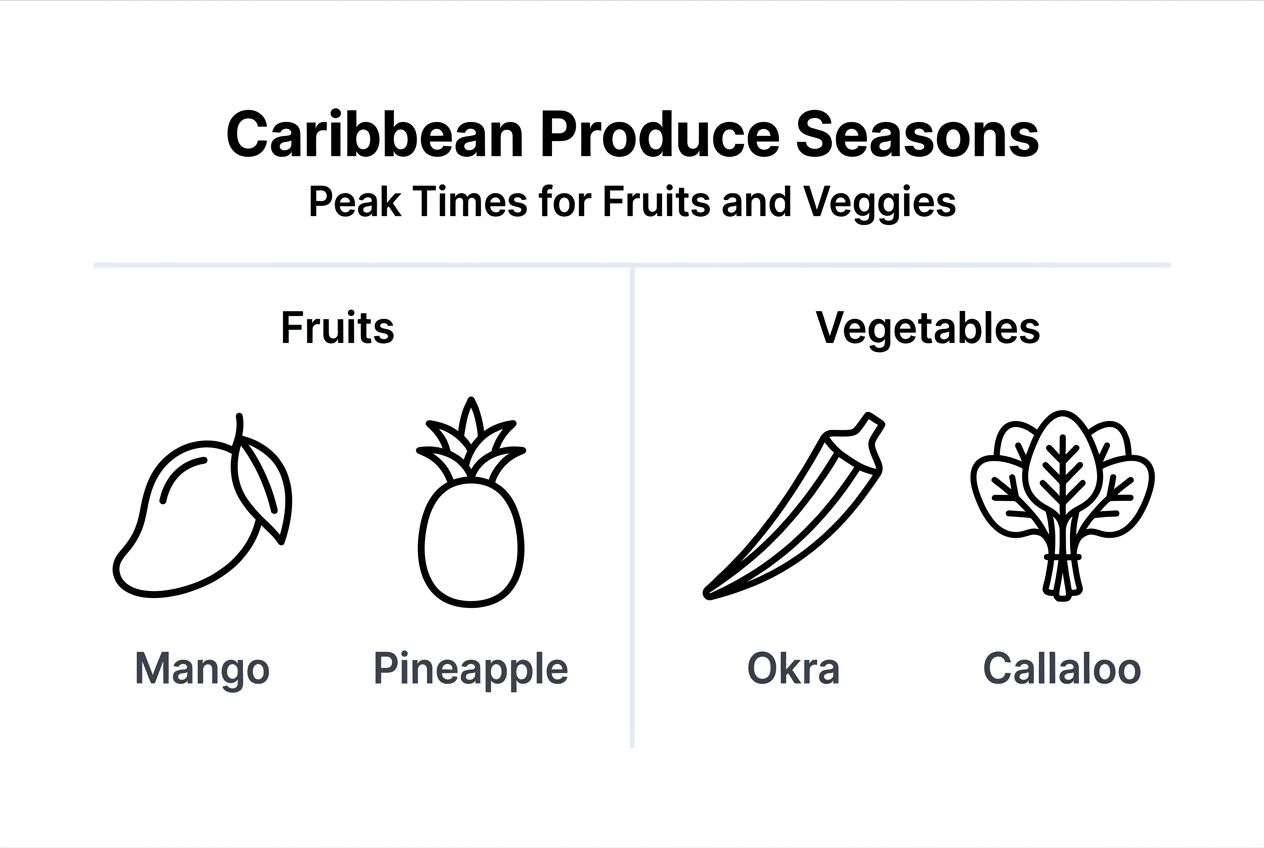
Vegetables like okra, callaloo, and scotch bonnet peppers thrive during the wet season. Okra pods appear June through October when warm rains encourage fast growth. Callaloo, a leafy green staple, grows year round but delivers best flavor and tenderness May through September. Scotch bonnet peppers ripen continuously but produce most abundantly July through October, perfect timing for pepper sauce making.
Root crops including yam, cassava, and malanga harvest primarily summer through fall. Yams mature after eight to ten months, making September through November prime digging season. Cassava tolerates varied conditions and harvests year round, though farmers prefer dry season digging for easier soil work. Malanga and taro follow similar summer to fall patterns, with October bringing the largest, most flavorful corms.
| Product | Peak Season | Secondary Season |
|---|---|---|
| Mango | May to July | None |
| Pineapple | April to August | None |
| Ackee | January to March | June to August |
| Okra | June to October | None |
| Callaloo | May to September | Year round (lower quality) |
| Scotch Bonnet | July to October | Year round (fewer pods) |
| Yam | September to November | None |
| Cassava | Year round | September to February (preferred) |
| Breadfruit | June to September | None |
Pro Tip: Plan major Caribbean cooking projects like holiday feasts around these peak windows. A June Jamaican breakfast party lets you showcase fresh ackee, while a November Sunday dinner can feature just harvested yams and callaloo at their flavor peak.
When shopping for Caribbean groceries in Atlanta, ask store staff about recent shipments and origin countries to identify the freshest seasonal items. Many specialty grocers receive multiple Caribbean shipments weekly, so timing your shopping visits right after deliveries guarantees access to peak season produce.
Selecting and storing Caribbean seasonal products
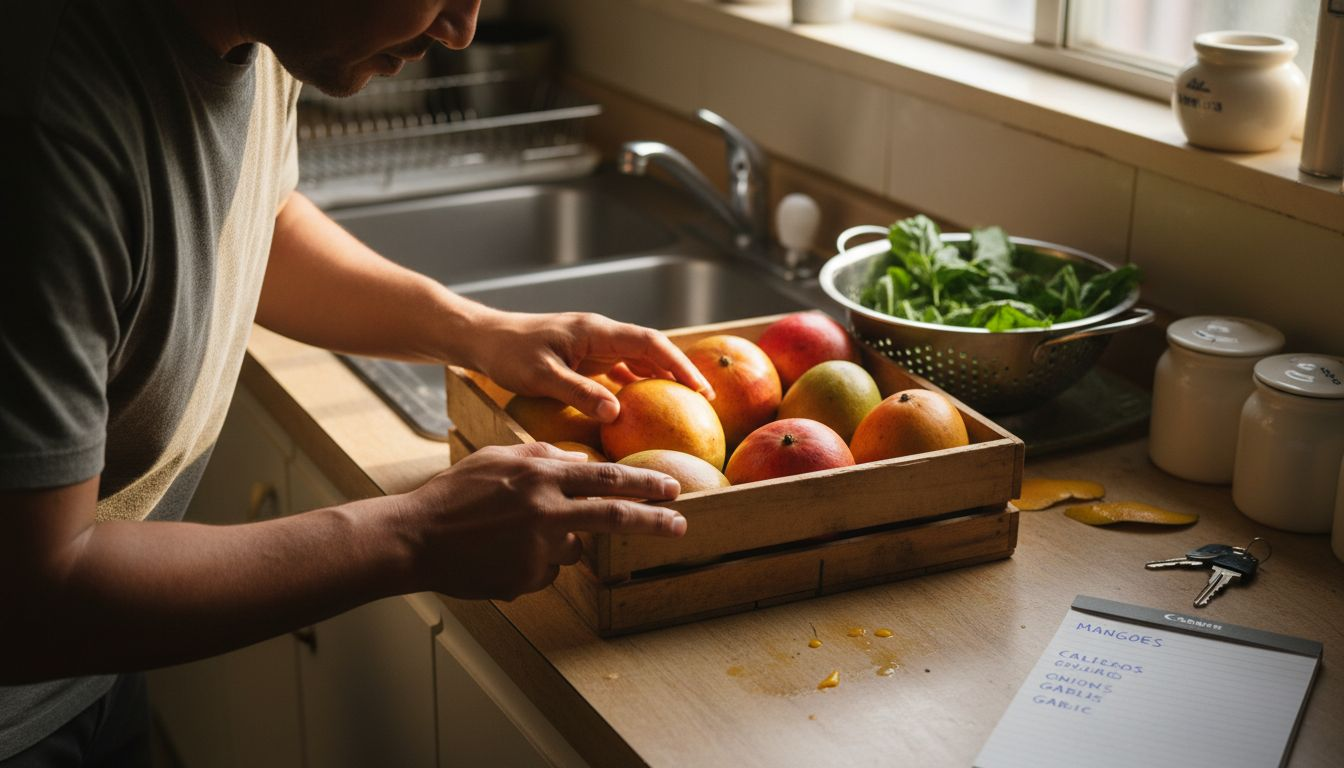
Ripe mangoes give slightly when pressed and release a sweet, fruity aroma near the stem. Color varies by variety, so don’t rely solely on red or yellow hues. Green skin doesn’t mean unripe for some types. Pineapples should smell sweet at the base, and leaves pull out easily when fruit is ready. Avoid pineapples with soft spots or fermented odors.
Ackee sold fresh must show natural pod opening with bright red arils and glossy black seeds visible. Never buy closed ackee pods, as they contain toxins. Most Georgia stores carry canned ackee, which is pre-processed and safe. Scotch bonnet peppers should feel firm with taut, glossy skin. Wrinkled peppers have lost moisture and potency.
Shopping at local Caribbean markets yields the freshest seasonal produce because these vendors prioritize fast turnover and direct island connections. You’ll find superior flavor and nutrition compared to mainstream supermarkets that stock generic tropical fruits without regard to peak harvest timing.
Storage methods vary by product type. Store unripe mangoes at room temperature until they soften and smell sweet, then refrigerate for up to five days. Pineapples keep at room temp for two to three days or refrigerated for up to a week after cutting. Ripe papaya refrigerates well for up to one week.
Root crops prefer cool, dark, dry storage. Keep yams and cassava in a pantry or cupboard away from light and moisture for two to three weeks. Don’t refrigerate raw root crops, as cold temperatures cause unpleasant texture changes and flavor loss. Scotch bonnet peppers store in the refrigerator crisper for up to two weeks or freeze whole for six months.
Pro Tip: Extend tropical fruit life by storing in perforated plastic bags in the refrigerator crisper. The bags maintain humidity while allowing ethylene gas to escape, preventing premature ripening and mold growth that plague tropical fruits in standard sealed containers.
Callaloo and other leafy greens need immediate refrigeration. Wrap unwashed leaves loosely in damp paper towels, place in a plastic bag with small holes, and refrigerate for up to four days. Wash just before cooking to prevent bacterial growth. For detailed guidance on maintaining freshness across all Caribbean product categories, see our complete storage guide.
Using Caribbean seasonal products in authentic cooking
Caribbean cuisine showcases seasonal ingredients through dishes that evolved around harvest cycles. Ackee and saltfish, Jamaica’s national dish, traditionally uses fresh morning picked ackee during peak season. Callaloo soup combines the leafy green with okra, coconut milk, and aromatics for a wet season staple. Yam and saltfish or steamed yam with escovitch fish celebrates fall root crop harvests.
Ackee preparation requires careful attention to safety. Ackee must naturally open with visible red arils and black seeds before cooking. Remove all seeds and pink membrane, as these parts contain toxins even when pods open naturally. Rinse canned ackee thoroughly under cold water before cooking to remove excess brine.
Breadfruit, another seasonal treasure, needs roasting or boiling to become edible. Roast whole breadfruit directly over a gas flame or in a hot oven until the skin blackens and the interior softens. Peel away charred skin, remove the core, and slice the creamy flesh. Boiled breadfruit works well in soups or mashed as a side dish similar to mashed potatoes.
Flavor pairing tips for seasonal Caribbean cooking:
- Scotch bonnet peppers pair with thyme, scallions, and allspice for authentic jerk seasoning
- Ripe mangoes complement savory dishes with curry, ginger, and garlic in chutneys and sauces
- Callaloo tastes best with coconut milk, garlic, onions, and a touch of scotch bonnet heat
- Root crops shine with butter, black pepper, and fresh herbs like parsley or cilantro
Here’s a simple seasonal recipe for coconut callaloo:
- Wash and chop one pound fresh callaloo leaves into bite size pieces
- Sauté two minced garlic cloves and one diced onion in two tablespoons coconut oil until soft
- Add callaloo, one cup coconut milk, one quarter teaspoon diced scotch bonnet pepper, and salt to taste
- Simmer covered for 10 to 15 minutes until leaves are tender
- Serve hot as a side dish with rice and peas or steamed root vegetables
Explore more authentic Caribbean preparations in our guides to traditional holiday foods and core Caribbean cuisine influences. Understanding these foundations helps you appreciate why Caribbean groceries matter for authentic flavor profiles you can’t replicate with substitutions.
Common mistakes and troubleshooting
Many cooks mistakenly believe ackee is safe to eat anytime, but ackee is toxic unless naturally opened with seeds and membrane removed. Unripe ackee contains hypoglycin, which causes severe vomiting and potentially fatal hypoglycemia. Only buy ackee that shows natural pod splitting with bright red arils exposed, or use properly processed canned versions.
Handling scotch bonnet peppers without gloves leads to painful burns. The capsaicin oil penetrates skin and remains active for hours, causing intense burning if you touch your eyes, nose, or mouth. Always wear disposable gloves when cutting hot peppers, and wash knives and cutting boards with soap immediately after use.
Confusing unripe and ripe tropical fruits causes disappointing meals. Green mangoes work for savory dishes and pickles, but lack the sweetness needed for desserts. Rock hard pineapples never ripen properly once picked, so avoid any fruit without characteristic sweet aroma. Papaya continues ripening after harvest, so buy firm fruit if you need it in several days or soft fruit for immediate use.
Storage errors shorten produce life and waste money. Refrigerating unripe mangoes stops the ripening process, leaving fruit hard and flavorless even after returning to room temperature. Storing root crops in plastic bags traps moisture, encouraging mold and rot. Keep yams and cassava in breathable containers in cool, dark spaces instead.
“Safe ackee prep is non negotiable. I learned this the hard way when I bought closed pods at a market and got violently sick. Now I only buy naturally opened fresh ackee or stick with trusted canned brands. The five extra minutes checking for proper opening isn’t worth risking your health.” – Home cook in Atlanta
Common storage mistakes:
- Washing leafy greens before storage promotes bacterial growth and slime
- Stacking heavy items on top of ripe tropical fruits causes bruising and premature rot
- Storing scotch bonnets loose in the crisper leads to accidental contact and burns
- Keeping cut pineapple uncovered absorbs refrigerator odors and dries out quickly
Pro Tip: Always wear gloves with hot peppers and rinse canned ackee thoroughly before cooking. These two habits prevent the majority of kitchen accidents and food safety issues when working with Caribbean seasonal products. For comprehensive storage solutions, review our freshness maintenance guide.
Expected results and outcomes
Peak fruit harvests typically last two to three months, with mangoes peaking May through June and ackee showing strong availability in summer. Plan major cooking projects during these windows to access the highest quality ingredients at the best prices. Off season produce arrives through cold storage or different growing regions, but rarely matches peak season flavor.
Flavor and nutrition improvements during seasonal windows are dramatic. Peak season mangoes taste 30 to 40% sweeter than early or late harvest fruit, with deeper color and silkier texture. Nutrition and flavor quality improve significantly because tree ripened fruits develop full vitamin content and complex flavor compounds that don’t form during artificial ripening.
Plan Caribbean grocery shopping around seasonal availability to maximize success. Buy shelf stable items like spices and dried goods anytime, but time fresh produce purchases to align with harvest calendars. June offers optimal conditions for ackee, breadfruit, and early okra. September provides the best yam, cassava, and mature callaloo. December through February brings fewer fresh options, making this ideal for using frozen or canned backups.
| Product Category | Peak Availability | Expected Quality Duration | Planning Notes |
|---|---|---|---|
| Tropical Fruits | April to August | 2 to 3 months peak season | Buy weekly during peak, freeze extras for off season |
| Leafy Greens | May to September | 4 to 5 months good quality | Use fresh during season, substitute frozen in winter |
| Hot Peppers | July to October | 3 to 4 months peak harvest | Stock up and freeze whole for year round use |
| Root Crops | September to November | 2 to 3 months optimal | Buy in bulk during fall, store in cool dark space |
You’ll notice immediate improvements in your Caribbean cooking when using seasonal produce. Curries gain deeper color and aroma from fresh ripe mangoes. Callaloo soup tastes brighter with tender wet season leaves. Root vegetables cook faster and fluff better when freshly harvested compared to months old storage crops. These quality differences elevate home cooking to restaurant caliber results.
Discover how Caribbean products deliver measurable flavor improvements and strengthen cultural connections through authentic ingredients. Seasonal shopping transforms cooking from simple meal prep into a celebration of Caribbean agricultural heritage.
Discover authentic Caribbean groceries at TOJ EXPRESS
When you’re ready to source authentic Caribbean seasonal products in Georgia, TOJ EXPRESS offers carefully curated selections that honor island traditions. Our general grocery collection features fresh and preserved Caribbean fruits, vegetables, root crops, and specialty items you won’t find in mainstream supermarkets.

We understand the challenges of finding peak season Caribbean produce far from the islands. That’s why we partner with trusted suppliers to bring you products at their flavor peak, properly handled from harvest to your kitchen. Shop online for convenient delivery or visit us to explore the full range of authentic ingredients that make Caribbean cooking special.
Frequently asked questions about Caribbean seasonal products
When is the best time to buy fresh ackee in Georgia?
Fresh ackee arrives in Georgia June through August during Jamaica’s main harvest season. Look for naturally opened pods with visible red arils and black seeds at Caribbean specialty stores. Canned ackee offers consistent quality year round and is the safer choice for most home cooks.
How do I safely handle and prepare scotch bonnet peppers?
Always wear disposable gloves when cutting scotch bonnets to prevent capsaicin burns. Remove stems and seeds if you want less heat, keeping the flesh for flavor. Wash all tools and surfaces with soap immediately after prep, and never touch your face until you’ve thoroughly washed your hands.
What is the best way to store tropical fruits like mangoes?
Store unripe mangoes at room temperature away from direct sunlight until they soften and smell sweet at the stem end. Once ripe, refrigerate in a perforated plastic bag for up to five days. Never refrigerate unripe mangoes, as cold stops the ripening process permanently.
Can I find authentic Caribbean root crops year round?
Yes, cassava and some yam varieties are available year round, though quality peaks September through November after main harvest. Most Caribbean grocers stock frozen or dried root crops during off season months. Fresh crops taste better and cook faster than stored alternatives.
What should I do if I buy unripe Caribbean produce by accident?
Place unripe mangoes, papayas, or other fruits in a paper bag at room temperature to speed ripening. Add a banana or apple to release ethylene gas that accelerates the process. Check daily and refrigerate once fruit softens and develops characteristic aroma. Pineapples won’t ripen further after picking, so use unripe ones for savory cooking instead.