
How neighborhood stores boost food access in Atlanta 2026
TOJEXPRESS.COM-Antonio HenryYou might think food deserts mean zero access to fresh food, but that’s not the full story. In Atlanta and surrounding suburbs, neighborhood stores quietly fill critical gaps by offering convenient access to American and Caribbean groceries that reflect the city’s diverse communities. These stores don’t just sell food; they strengthen cultural identity, support local entrepreneurs, and combat food insecurity in underserved areas. This guide explores how neighborhood stores transform Atlanta’s food landscape, why they matter more than ever in 2026, and how you can support them while enjoying authentic, culturally relevant products close to home.
Table of Contents
- Understanding The Vital Role Of Neighborhood Stores In Atlanta
- Neighborhood Stores’ Impact On Food Deserts And Food Insecurity
- Successful Neighborhood Store Initiatives Transforming Atlanta’s Food Landscape
- Navigating And Supporting Neighborhood Stores For Better Food Access
- Explore And Support Your Neighborhood Stores With TOJ Express
Key takeaways
| Point | Details |
|---|---|
| Cultural relevance matters | Neighborhood stores provide American and Caribbean foods that reflect Atlanta’s diverse communities, often unavailable in large supermarkets. |
| Food desert solutions | Stores like La Bodega Pupuseria serve USDA-designated food deserts, offering fresh produce and specialty items where traditional grocers don’t operate. |
| Community-driven success | Public-private partnerships, like Azalea Fresh Market, demonstrate how collaboration creates sustainable food access models. |
| Economic impact | Shopping at neighborhood stores supports over 30 local businesses at venues like the Municipal Market, strengthening Atlanta’s economy. |
| Practical accessibility | These stores offer shorter travel times and culturally specific products, making healthy eating more convenient for minority neighborhoods. |
Understanding the vital role of neighborhood stores in Atlanta
Neighborhood stores offer convenient access to American and Caribbean food products for residents of Atlanta and surrounding suburbs. Unlike sprawling supermarket chains, these smaller operations focus on culturally diverse inventories that match the communities they serve. The Municipal Market houses over 28 independently owned businesses offering diverse food options, including Caribbean fare, soul food staples, and artisanal American products.
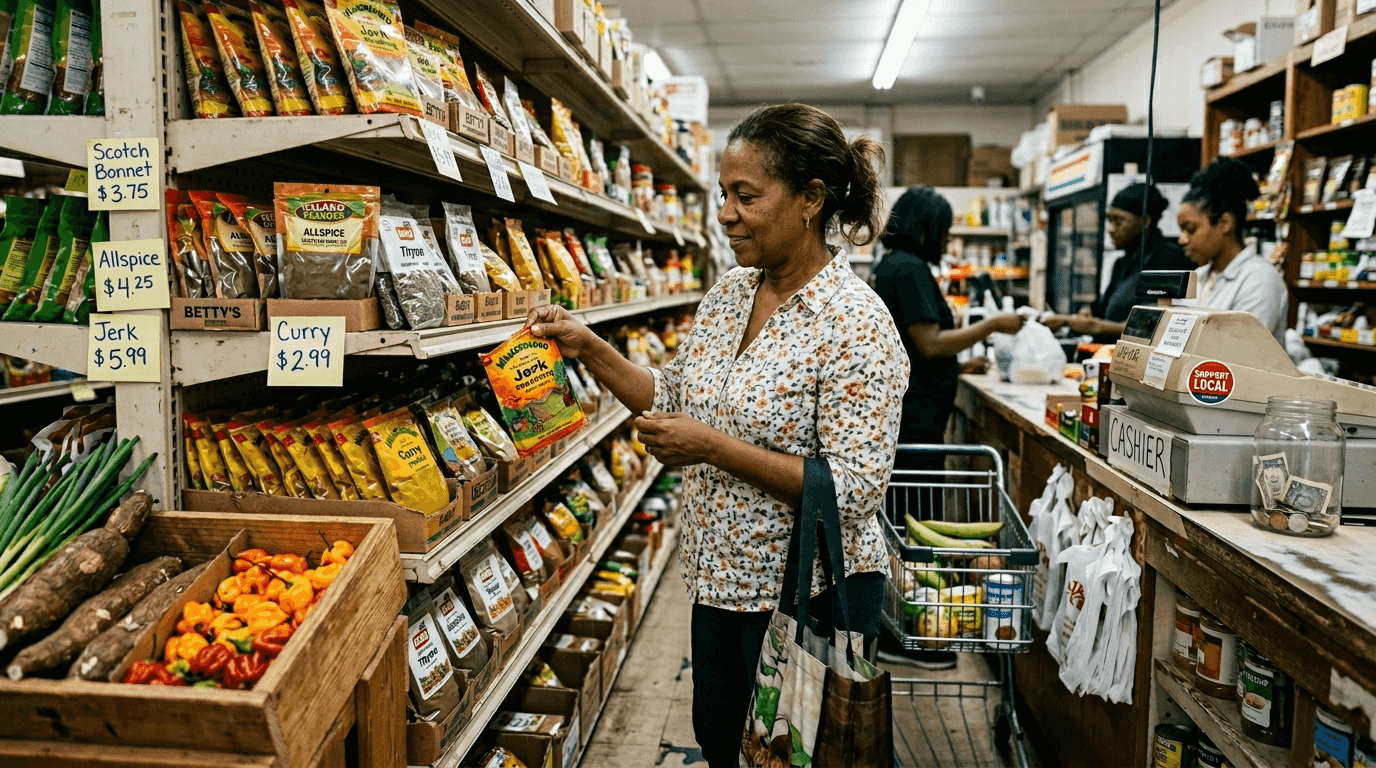
These stores function as cultural anchors. When you walk into a neighborhood store specializing in Caribbean groceries, you find plantains, jerk seasoning, ackee, and other staples that mainstream supermarkets rarely stock. This matters because food connects people to their heritage and provides comfort in familiar flavors. For immigrants and first-generation Americans, these stores offer more than groceries; they preserve culinary traditions.
The benefits extend beyond cultural relevance. Neighborhood stores create jobs for local residents, often hiring from within the community. They keep money circulating locally rather than funneling profits to distant corporate headquarters. When you shop for Caribbean groceries in Atlanta, you’re supporting entrepreneurship and community resilience.
Key advantages of neighborhood stores include:
- Shorter travel distances compared to supermarkets, saving time and transportation costs
- Personalized service from owners who understand community preferences
- Fresher specialty produce due to faster inventory turnover
- Flexible pricing and willingness to source specific items by customer request
- Community gathering spaces where neighbors connect and share recipes
Pro Tip: Visit neighborhood stores during mid-morning hours when staff have time to recommend products and share cooking tips. Building relationships with store owners often leads to notifications about new inventory and special orders tailored to your preferences.
Neighborhood stores’ impact on food deserts and food insecurity
Food deserts are areas lacking traditional supermarkets, but this definition misses an important reality. Many neighborhoods labeled as food deserts contain ethnic grocery stores that provide fresh, affordable, and culturally relevant foods. La Bodega Pupuseria in Sylvan Hills provides fresh produce and culturally relevant foods in USDA-designated food deserts, challenging the assumption that these areas have no healthy food access.
Research shows that ethnic stores challenge the notion that lack of supermarkets equals a lack of access to fresh, affordable, and healthy foods. These stores often carry produce, proteins, and whole grains at competitive prices while offering items that reflect the dietary patterns of minority communities. A Salvadoran family might find masa harina and fresh cheese for pupusas, while a Jamaican household locates scotch bonnet peppers and callaloo.
The impact goes deeper than product selection. Neighborhood stores understand food insecurity from the inside because owners often live in the same communities they serve. They extend credit to trusted customers during tough times, accept SNAP benefits, and adjust portion sizes to match tight budgets. This flexibility rarely exists in corporate supermarket environments.
Partnerships amplify the impact. Organizations like Invest Atlanta work with neighborhood stores to expand refrigeration capacity, improve storefronts, and increase fresh produce offerings. These collaborations recognize that strengthening existing stores is often more effective than waiting for supermarket chains to enter underserved areas. The role of grocery stores in Atlanta’s diversity extends beyond commerce to community health and cultural preservation.
Critical factors in addressing food insecurity:
- Proximity reduces transportation barriers for residents without reliable vehicles
- Cultural competence ensures foods align with traditional diets and cooking methods
- Flexible payment options accommodate irregular income patterns
- Community trust encourages healthier purchasing decisions
“Neighborhood stores provide more than groceries. They offer dignity, choice, and connection to cultural identity in communities where mainstream retailers see only risk and low profit margins. This transforms food access from a charity model to an empowerment model.”
Successful neighborhood store initiatives transforming Atlanta’s food landscape
Azalea Fresh Market serves around 600 customers daily, emphasizing fresh produce and local products. This downtown Atlanta store emerged from a public-private partnership designed to reduce food insecurity in an area with limited grocery options. The market prioritizes produce sales, dedicating significant floor space to fruits and vegetables, which surpasses national averages for grocery stores.
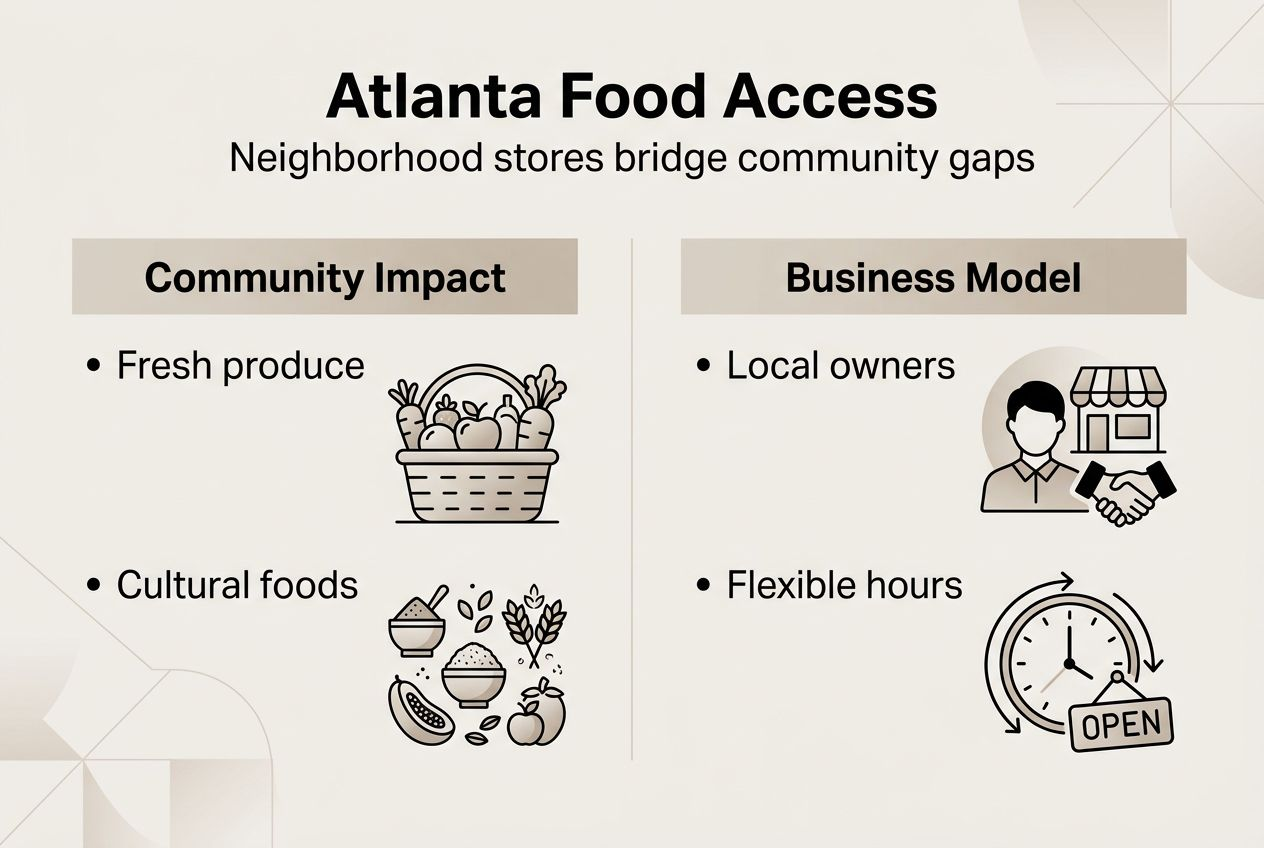
The Municipal Market represents another success story. The Municipal Market supports over 30 local businesses, creating community and economic opportunities. Located in the Sweet Auburn district, this historic market functions as an incubator for food entrepreneurs while providing residents access to diverse, high-quality foods. Vendors range from butchers offering grass-fed meats to bakers specializing in Caribbean pastries.
What makes these initiatives work? Strategic partnerships between city government, nonprofits, and private investors create sustainable business models. Azalea Fresh Market received funding and operational support that allowed it to focus on community needs rather than solely maximizing profits. The Municipal Market benefits from historic preservation efforts and cultural tourism, which drive foot traffic and support vendor success.
These stores also emphasize education. Cooking demonstrations, nutrition workshops, and recipe cards help customers make the most of unfamiliar ingredients. When someone discovers how to prepare callaloo or jerk chicken at home, they’re more likely to buy these items regularly, supporting both their health and the store’s viability.
| Initiative | Daily Customers | Produce Focus | Business Model | | — | — | — | | Azalea Fresh Market | 600+ | Above national average | Public-private partnership | | Municipal Market | Varies by vendor | Vendor-dependent | Historic market collective | | La Bodega Pupuseria | Community-based | Fresh produce emphasis | Independent family-owned |
Pro Tip: Support neighborhood stores by trying one new product each visit. This habit expands your culinary repertoire while encouraging stores to maintain diverse inventories. Ask staff for preparation tips to build confidence with unfamiliar ingredients.
Understanding grocery supply chains and store success helps you appreciate the logistics behind keeping neighborhood stores stocked with fresh, culturally relevant products.
Navigating and supporting neighborhood stores for better food access
Finding authentic neighborhood stores requires knowing what to look for. Start by asking neighbors from Caribbean and other minority communities where they shop for specialty ingredients. Online reviews and social media groups focused on Atlanta food culture also provide recommendations. Look for stores with visible fresh produce displays, diverse product labels in multiple languages, and active community engagement.
Neighborhood stores are often more accessible and culturally relevant than large supermarkets in minority neighborhoods. They stock items that reflect local demographics, from Goya products to specific cuts of meat used in traditional recipes. Prices may be higher on some shelf-stable items but often beat supermarkets on specialty produce and proteins due to direct sourcing relationships.
Maximizing your neighborhood store experience:
- Visit during off-peak hours to get personalized attention and product recommendations from staff.
- Build relationships with owners by asking questions and providing feedback on products you’d like to see stocked.
- Compare prices strategically, buying specialty items at neighborhood stores and staples where most affordable.
- Participate in store events like cooking demonstrations or cultural celebrations to deepen community connections.
- Share your positive experiences on social media and review platforms to help stores attract new customers.
- Consider splitting bulk purchases with neighbors to access better pricing on items like rice, beans, and cooking oil.
Differences between neighborhood stores and supermarkets matter for shopping strategy:
| Factor | Neighborhood Stores | Large Supermarkets |
|---|---|---|
| Product variety | Culturally specific, curated selection | Broad but generic inventory |
| Pricing | Competitive on specialty items | Lower on mass-market brands |
| Freshness | High turnover on cultural staples | Variable, depends on demand |
| Service | Personalized, relationship-based | Transactional, limited interaction |
| Community impact | Supports local entrepreneurs | Profits leave community |
Shopping at neighborhood stores strengthens food security for everyone. When these businesses thrive, they expand hours, add product lines, and create jobs. Your purchasing decisions signal demand for fresh, culturally relevant foods, encouraging more entrepreneurs to open similar stores. This creates competition that improves quality and keeps prices reasonable.
For comprehensive guidance, explore resources on finding Atlanta Caribbean groceries that cover everything from product selection to storage tips.
Explore and support your neighborhood stores with TOJ Express
Neighborhood stores transform food access, but finding the right products still takes effort. TOJ Express bridges this gap by offering authentic Caribbean and American groceries with the convenience of both in-store and online shopping. We understand the challenges Atlanta residents face when searching for culturally relevant foods because we’re part of this community.
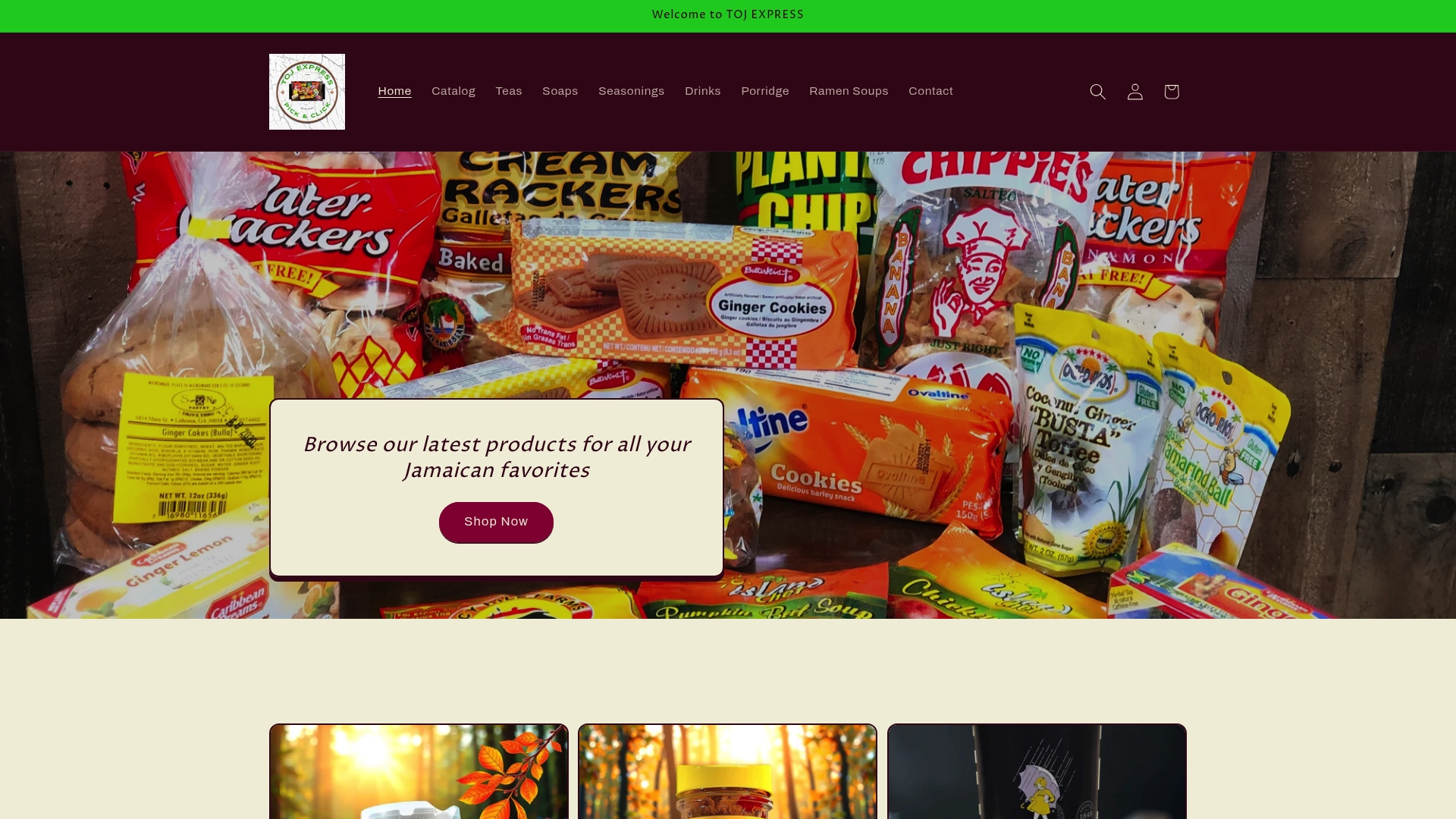
Our blog provides practical guides to help you shop for Caribbean groceries in Atlanta efficiently, from identifying quality products to understanding seasonal availability. We also share insights on finding Atlanta Caribbean groceries that save time and money while supporting local food systems.
Shopping local strengthens community resilience. Every purchase at a neighborhood store keeps money circulating within Atlanta and suburbs, funding schools, creating jobs, and maintaining cultural diversity. TOJ Express combines the authenticity of neighborhood stores with modern convenience, making it easier to access the foods that matter to you and your family.
Pro Tip: Combine weekly staple shopping at neighborhood stores with monthly bulk purchases online to optimize both convenience and community support. This strategy reduces trips while maintaining relationships with local businesses.
Frequently asked questions
What foods can I typically find at neighborhood stores in Atlanta?
Neighborhood stores commonly stock Caribbean staples like plantains, yuca, scotch bonnet peppers, jerk seasoning, and ackee. You’ll also find soul food essentials including collard greens, black-eyed peas, and smoked turkey parts. Many stores carry fresh pupusas, empanadas, and other prepared foods alongside American grocery staples. The selection reflects the specific communities each store serves, so a store in a Jamaican neighborhood differs from one serving a Salvadoran community. For detailed product guides, check out tips on shopping for Caribbean groceries in Atlanta.
How do neighborhood stores help combat food insecurity in Atlanta?
Neighborhood stores provide fresh, affordable, culturally relevant foods in food deserts, improving food access. They locate in areas where supermarket chains refuse to operate, reducing travel distances for residents without reliable transportation. These stores accept SNAP benefits, extend informal credit to trusted customers, and adjust portion sizes to match tight budgets. By understanding community needs firsthand, they stock foods that align with traditional diets and cooking methods, making healthy eating more culturally appropriate and sustainable.
What should I consider when choosing a neighborhood store for my grocery needs?
Look for stores with visible fresh produce displays and active refrigeration systems, indicating commitment to quality perishables. Consider the store’s location relative to your home or work, as convenience encourages regular shopping. Check whether they accept your preferred payment methods, including SNAP benefits if relevant. Community reputation matters, so ask neighbors about their experiences with product quality, pricing, and customer service. Finally, assess whether the store’s inventory matches your cultural and dietary needs. Detailed guidance on finding Caribbean groceries helps you evaluate stores effectively.
Are neighborhood stores more expensive than supermarkets?
Pricing varies by product category. Neighborhood stores often beat supermarkets on specialty produce, fresh herbs, and culturally specific proteins due to direct sourcing from ethnic wholesalers and farmers. Shelf-stable items like canned goods and packaged snacks may cost more because neighborhood stores lack the bulk purchasing power of supermarket chains. However, reduced transportation costs and time savings offset price differences for many shoppers. Smart strategy involves buying specialty items at neighborhood stores and staples where most affordable, maximizing both value and cultural relevance.
How can I support neighborhood stores beyond just shopping there?
Leave positive reviews on Google, Yelp, and social media platforms to increase visibility and attract new customers. Recommend stores to friends, family, and neighbors who might benefit from their products. Attend store events like cooking demonstrations or cultural celebrations to build community. Provide constructive feedback to owners about products you’d like to see stocked or service improvements. Share recipes and preparation tips with other shoppers to create a welcoming atmosphere. Consider volunteering time or expertise if stores need help with marketing, social media, or community outreach. Your engagement strengthens these businesses beyond individual purchases.