
How to Buy Regional Treats: A Food Lover's Guide
TOJEXPRESS.COM-Antonio HenryTL;DR:
- Buying regional treats from local markets allows shoppers to find fresher and more authentic products at lower prices than tourist shops. To verify authenticity, look for local labels, geographic indications, and shelves crowded with local buyers, especially in places like Japan’s depachika food halls. When purchasing online, prioritize direct-from-region retailers and focus gift baskets on one region with complementary items to tell a cultural story.
Buying regional treats means acquiring authentic, flavorful products directly linked to their local origins. Whether you’re a traveler hunting for the real thing or a food enthusiast building a tasting collection at home, knowing how to buy regional treats separates a memorable haul from an overpriced tourist mistake. The difference between a $3 bag of Seoul seaweed from a local grocery and a $9 version from an airport gift shop is real. This guide covers where to find authentic local snacks, how to purchase regional food online, and how to get them home safely.
Where can you find authentic regional treats in local markets?
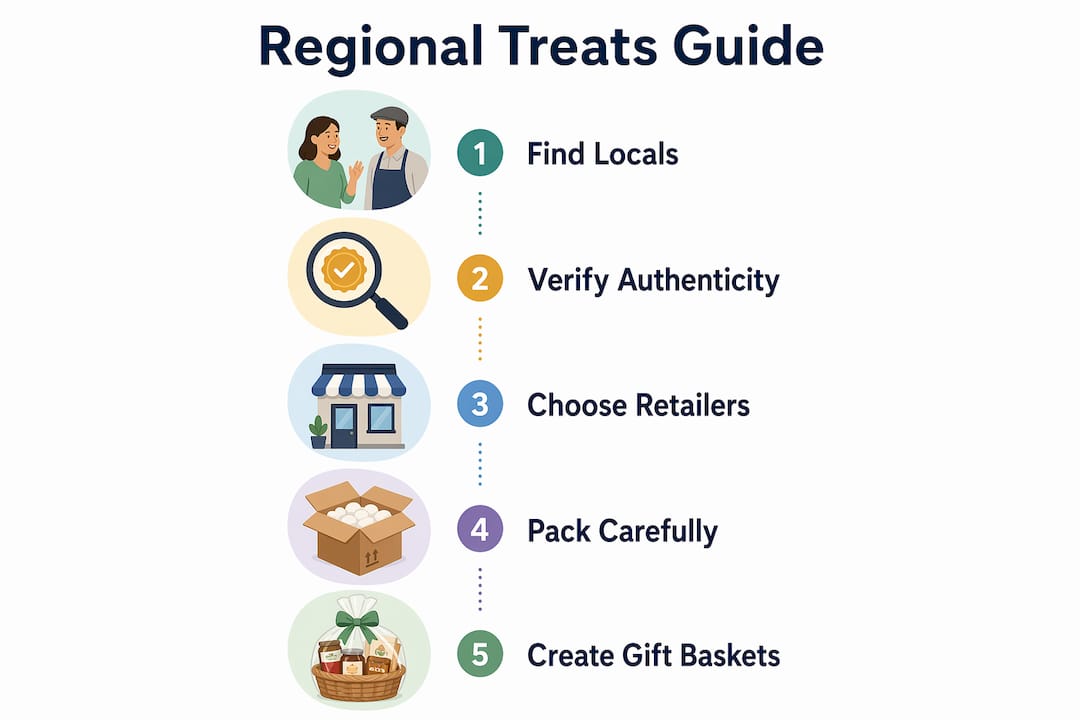
The best place to buy local snacks is where locals actually shop. Grocery stores, community markets, and ethnic specialty shops consistently offer fresher stock, lower prices, and more authentic selections than tourist-facing souvenir shops. Locals avoid tourist-heavy districts for their own purchases, preferring the grocery stores where they shop weekly. High-volume sales in those stores keep stock fresh and prices competitive.
The savings are not trivial. Shoppers can save 20%–60% by buying regional snacks at local grocery stores versus tourist souvenir shops. Vienna Mozartkugeln run 30%–60% cheaper at a neighborhood supermarket than at a gift shop near the Hofburg Palace. Tokyo KitKats in regional flavors cost 25%–50% less at a convenience store than at an airport boutique. That gap funds more tasting, not more packaging.
Authenticity cues matter when you’re browsing shelves in an unfamiliar city. Look for these signals:
- Production labels in the local language with a regional city or prefecture listed as the origin
- Geographical indication (GI) labels or regional co-op markings, which confirm traditional production and local sourcing
- Crowded shelves with local shoppers actively buying the product
- Modest, functional packaging rather than gift-box presentation aimed at tourists
Japan offers one of the clearest models for this approach. Japanese department store basement food halls, known as depachika, and major train stations serve as the go-to spots for locals buying premium regional treats. Items like Tokyo Banana, Yatsuhashi, and Shiroi Koibito typically run 800–2,500 JPY and are sold in the same places locals pick them up on the way home. That context alone signals authenticity.
Pro Tip: Ask a hotel front desk worker or a local café owner where they personally buy snacks. That one question will redirect you from the tourist strip to the right neighborhood market every time.
For food enthusiasts in Atlanta, the ethnic stores guide from Tojexpress maps out specialty grocers carrying authentic American and Caribbean products worth exploring.
How to buy regional treats online: options and authenticity tips
Purchasing local delicacies online works well when you know which channel to trust. The three main options are direct-from-region retailers, subscription boxes, and local specialty grocers with online storefronts. Each serves a different need.

Direct-from-region online retailers offer maximum authenticity and seasonal variety. They source directly from producers, which means you get limited-edition items tied to specific harvests or cultural seasons. Regional snacks at these retailers typically cost between $1.15 and $4.60 USD per item. That price range covers most everyday regional snacks without the markup of a curated gift set.
Subscription boxes provide curated, seasonal, and often limited-edition regional treats that offer a discovery experience beyond individual shopping. Many boxes organize monthly themes around cultural events like sakura season, Lunar New Year, or harvest festivals. For food enthusiasts who want variety without the research burden, a subscription box is the most efficient entry point into regional food online.
Here is a quick comparison of online channel types:
| Channel type | Best for | Authenticity level | Price range |
|---|---|---|---|
| Direct-from-region retailer | Specific items, seasonal finds | Highest | $1.15–$4.60 per item |
| Subscription box | Discovery, variety, gifting | High | Varies by box tier |
| Local specialty grocer online | Common brands, fast delivery | Moderate to high | Comparable to in-store |
| General marketplace | Convenience | Variable, verify carefully | Wide range |
General marketplaces require the most caution. Third-party sellers on large platforms may list regional products with misleading origin claims. Always check the seller’s location, read reviews that mention packaging and freshness, and look for the GI label in product photos. If the listing does not show the original regional packaging clearly, skip it.
Pro Tip: Search for the product name in its original language alongside the word “import” or “direct.” That search string surfaces specialty importers rather than resellers.
The step-by-step snack shopping guide from Tojexpress walks through sourcing American and Caribbean regional treats with the same authenticity-first approach.
What are the best practices for transporting and storing regional treats?
Selecting the right products before you pack them is the single most important transport decision. Shelf-stable, well-packaged items like biscuits, dried fruits, and individually wrapped confections travel reliably. Fragile baked goods and temperature-sensitive chocolates are the most common casualties of a long flight or a warm shipping truck.
Follow this sequence when preparing regional treats for travel or shipping:
- Choose crush-proof packaging. Tins, rigid boxes, and vacuum-sealed bags protect contents far better than soft pouches in a checked bag.
- Verify customs rules before you buy. Many countries restrict fresh fruit, meat-based snacks, and certain dairy products at the border. Dried and processed items clear customs most reliably.
- Wrap fragile items in clothing or bubble wrap. Place heavier items at the bottom of your bag and treats on top, away from shoes or toiletries.
- Check the expiration date against your travel timeline. A product with a two-week shelf life will not survive a three-week trip home.
- Look for GI or regional co-op labels. These marks confirm authenticity and signal traditional production, which matters if you’re bringing treats as gifts.
Ordering directly from family-run producers or source-area curators guarantees authenticity and freshness when you cannot travel. Many small producers ship internationally with temperature-controlled packaging for an additional fee. That option is worth the cost for perishable or fragile specialties.
Pro Tip: Pack regional treats in your carry-on rather than checked luggage whenever possible. Cabin pressure and temperature are more stable, and you avoid the risk of a lost bag taking your entire haul with it.
How do you create meaningful gift baskets from regional treats?
A well-assembled gift basket tells a story about a place. The goal is not to fill a box but to create a tasting sequence that reflects a region’s flavor identity. Combining complementary items like tea, biscuits, and chocolates into a set gives the recipient a layered experience rather than a random assortment.
The cultural storytelling aspect of regional treats is what separates a thoughtful gift from a generic one. A basket built around a single region, say the Caribbean, might include a spiced biscuit, a fruit preserve, a hot sauce, and a bag of seasoned nuts. Each item reinforces the others. That coherence is what makes the gift memorable.
Practical tips for building a strong regional gift set:
- Anchor around one region or cultural theme. Mixing Japanese snacks with Mexican candy and French biscuits creates confusion, not discovery.
- Balance textures and flavors. Pair something sweet with something savory, and something crunchy with something soft.
- Add a handwritten card or printed note explaining the origin and flavor profile of each item. That context transforms a snack into an experience.
- Use local fabric, newspaper, or natural materials for wrapping instead of generic cellophane. The packaging signals care and cultural awareness.
- Stay within a realistic budget. A focused three-item set from one region outperforms a sprawling ten-item basket sourced from five countries.
For Caribbean-specific ideas, the types of Caribbean snacks guide from Tojexpress covers authentic flavor profiles worth building a basket around. For American regional classics, the American snacks guide offers a solid starting point for curating a tasting set.
You can also explore street food traditions by culture to understand the flavor context behind regional treats before you buy, which makes your selections more intentional and your gift more meaningful.
Key Takeaways
Buying authentic regional treats requires knowing where locals shop, how to verify product origins, and how to transport your finds safely.
| Point | Details |
|---|---|
| Shop where locals shop | Local grocery stores offer 20%–60% savings over tourist souvenir shops with fresher stock. |
| Verify authenticity with labels | Look for geographical indication (GI) or regional co-op markings to confirm traditional origins. |
| Choose shelf-stable items for travel | Biscuits, dried fruits, and vacuum-sealed products travel and ship most reliably. |
| Online: prioritize direct-from-region | Direct-from-region retailers and specialty grocers online offer the highest authenticity for regional food online. |
| Build gift sets around one region | A focused, complementary selection tells a stronger flavor story than a mixed assortment. |
What I’ve learned from years of chasing the real thing
The most common mistake food enthusiasts make is equating a higher price with better authenticity. Tourist shops charge a premium for convenience and packaging, not for quality or origin. The best regional treats I’ve encountered came from the most unremarkable settings: a fluorescent-lit supermarket in a residential neighborhood, a train station kiosk with a line of commuters, a family-run corner store with handwritten price tags.
Seasonality is the factor most buyers overlook entirely. A sakura-flavored treat purchased in april tastes different from the same product bought in october, not because the recipe changed, but because the producer made it for a specific cultural moment. Limited-edition regional items tied to festivals or harvests are worth prioritizing when you find them. They do not restock.
The other lesson: iconic does not mean tourist trap. Vienna Mozartkugeln and Tokyo KitKats are genuinely beloved local products. The mistake is buying them in the wrong place at the wrong price. The product itself is worth having. The souvenir shop markup is not. Shop where the locals shop, read the label, and trust the crowded shelf over the beautifully lit display case.
— ANTONIO
Tojexpress: your source for American and Caribbean regional treats
Tojexpress is a convenience store specializing in authentic American and Caribbean products, the exact category of regional treats that food enthusiasts and travelers find hardest to source outside their home regions.
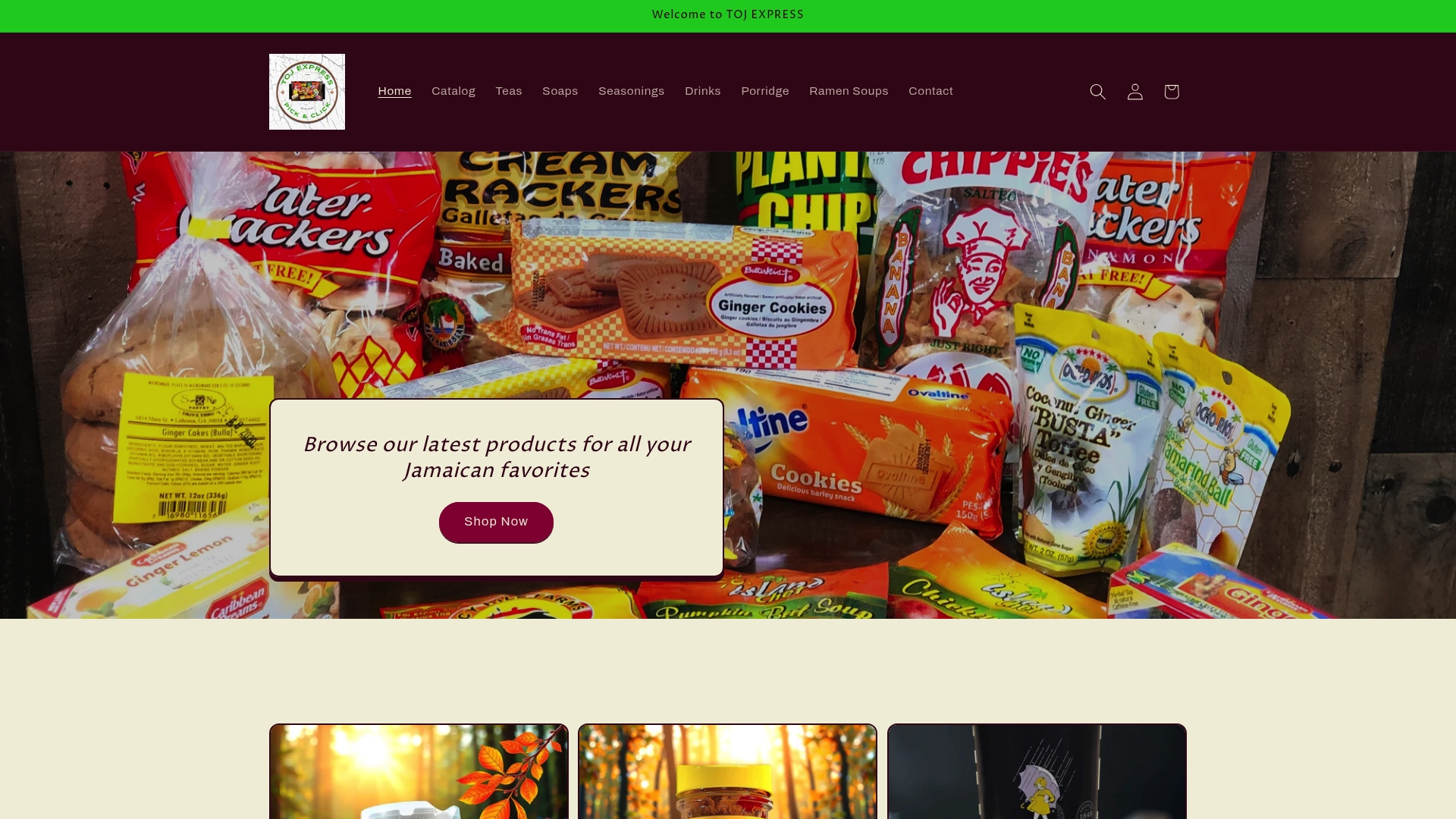
Whether you’re looking to buy local snacks from the American South or stock up on Caribbean specialties, Tojexpress carries a curated selection built for people who care about flavor and origin. The store brings the best places for regional food directly to you, without the guesswork of marketplace listings or the markup of tourist-facing gift shops. Visit Tojexpress to browse the full selection of authentic regional products available now.
FAQ
What is the cheapest way to buy regional treats while traveling?
Shop at local grocery stores rather than tourist souvenir shops. Buyers save 20%–60% on the same products by purchasing from neighborhood supermarkets instead of gift shops near major attractions.
How do I know if a regional treat is authentic?
Look for geographical indication (GI) labels or regional co-op markings on the packaging. These marks confirm traditional production methods and local sourcing, and they rarely appear on products sold in tourist-facing shops.
Where can I find regional food online with reliable authenticity?
Direct-from-region retailers and local specialty grocers with online storefronts offer the most reliable authenticity. Subscription boxes focused on specific cultural regions are also a strong option for curated discovery.
What regional treats travel best internationally?
Shelf-stable items like biscuits, dried fruits, individually wrapped confections, and vacuum-sealed snacks travel most reliably. Avoid fragile baked goods and temperature-sensitive chocolates unless you can control shipping conditions.
Can I build a meaningful gift basket from regional treats without spending a lot?
A focused three-item set from one region, paired with a short note explaining each item’s origin, creates a more memorable gift than a large mixed assortment. Staying within a single cultural theme keeps costs down and storytelling coherent.