
Explore ethnic stores in Atlanta: authentic flavors & community
TOJEXPRESS.COM-Antonio HenryTL;DR:
- Atlanta’s ethnic grocery stores offer authentic, culturally specific products not found in mainstream supermarkets.
- These stores play a vital role in providing food access, supporting local communities, and preserving cultural traditions.
- Shopping strategically at ethnic markets can save money on bulk, seasonal, and specialty items.
If you think your nearest big-box supermarket covers everything you need, Atlanta’s ethnic grocery scene is about to change your mind. These stores carry products that mainstream chains simply don’t stock, from Scotch bonnet peppers to authentic jerk seasoning and hard-to-find American regional staples. They’re not a niche option anymore. They’re a vital part of how Atlanta eats, cooks, and connects. In this article, you’ll learn what makes these stores stand out, how they serve communities, how to save money shopping there, and how to find the best ones near you.
Table of Contents
- What sets Atlanta’s ethnic stores apart?
- Why ethnic stores matter for communities and food access
- Cost savings and shopping strategies at ethnic markets
- How to find and choose the best ethnic grocery stores in Atlanta
- Why mainstream grocery thinking misses the mark
- Discover authentic groceries with TOJ EXPRESS
- Frequently asked questions
Key Takeaways
| Point | Details |
|---|---|
| Authenticity matters | Ethnic grocery stores provide true flavors and products mainstream stores can’t match. |
| Community impact | Shopping ethnic markets supports local entrepreneurs and solves food access challenges. |
| Smart savings | Buying in bulk or in season at ethnic stores can reduce costs compared to mainstream markets. |
| Freshness tips | Look for product aroma and packaging details to ensure quality when shopping ethnic stores. |
| Actionable steps | Use guides to locate, evaluate, and shop the best ethnic grocery stores in Atlanta. |
What sets Atlanta’s ethnic stores apart?
Walk into a mainstream supermarket and you’ll find plenty of options. Walk into one of Atlanta’s ethnic grocery stores and you’ll find a completely different world. The product selection is deeper, the ingredients are more authentic, and the prices for specialty items are often surprisingly competitive.
Atlanta’s ethnic stores are especially strong when it comes to American and Caribbean cuisines. You’ll find authentic Caribbean groceries like green seasoning, ackee, saltfish, and plantains that most mainstream stores don’t carry at all. And for American regional products, you’ll find items tied to specific culinary traditions that big chains overlook entirely.
Shopping diverse stores in Atlanta also means getting fresher produce. Many ethnic markets source directly from local or regional suppliers, which cuts down on transit time and keeps quality high. As one well-known example, Your DeKalb Farmers Market has built a reputation for offering authentic American and Caribbean ingredients at competitive prices with high variety.
“Ethnic grocery stores don’t just sell food. They carry culture, memory, and community in every aisle.”
Here’s a quick comparison of what you typically find at ethnic stores versus mainstream supermarkets:
| Feature | Ethnic grocery stores | Mainstream supermarkets |
|---|---|---|
| Caribbean specialty items | Wide selection | Limited or none |
| Authentic spices and seasonings | Extensive variety | Basic options only |
| Fresh tropical produce | Regular stock | Seasonal or absent |
| Bulk buying options | Common | Less available |
| Cultural connection | Strong | Minimal |
A few things that consistently set ethnic stores apart:
- Product authenticity: Labels, packaging, and sourcing reflect genuine cultural origins
- Staff knowledge: Employees often share cultural backgrounds with their customers and can offer real cooking advice
- Community atmosphere: Shopping feels personal, not transactional
- Price value on specialty items: You pay less for better quality on culturally specific products
These aren’t just grocery stores. They’re cultural anchors for diaspora communities across Atlanta and its suburbs.
Why ethnic stores matter for communities and food access
Ethnic grocery stores do more than sell food. They fill real gaps in Atlanta’s food landscape, especially in areas where mainstream supermarkets have pulled out or never existed.
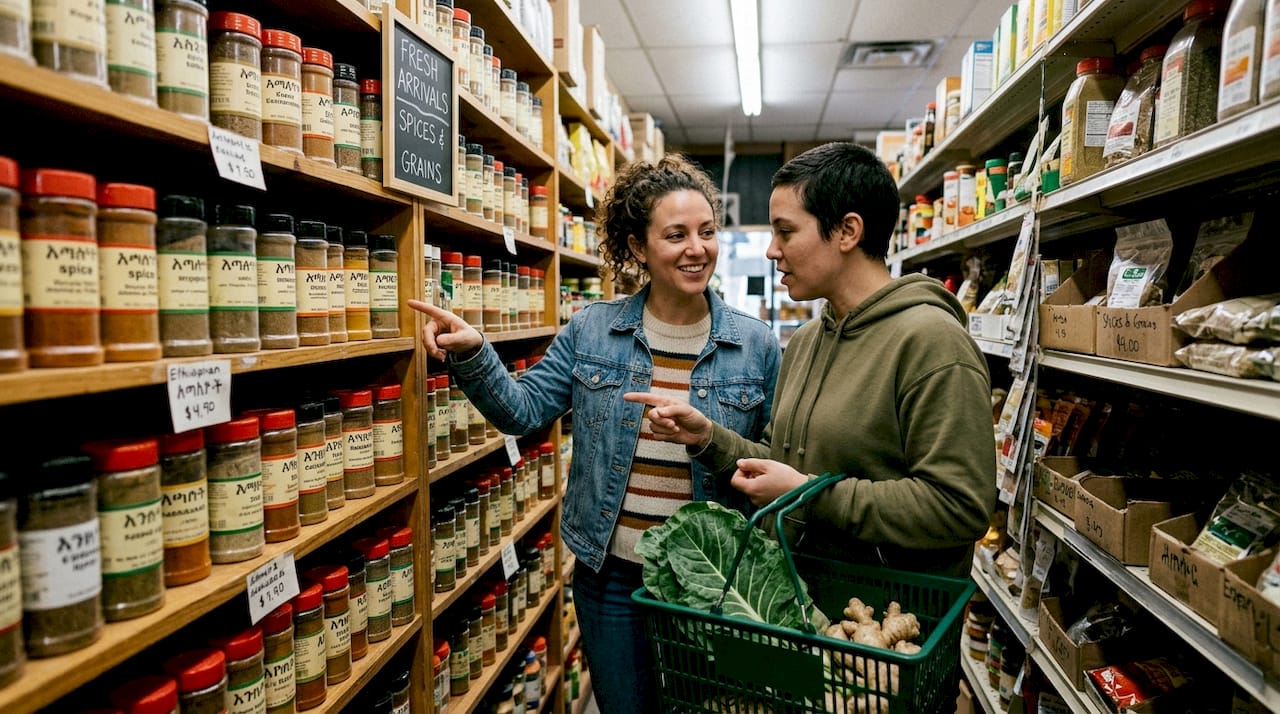
Nearly a quarter of Atlanta residents live in food deserts, areas where fresh, affordable, and culturally appropriate food is hard to access. Ethnic stores step in where big chains won’t, providing fresh options that reflect what local communities actually eat. That’s not a small thing. That’s a lifeline.
The multicultural grocery market is now valued at over $50 billion nationally, growing steadily because of demographic shifts and rising demand for authentic food options. Atlanta, with its diverse and growing population, is at the center of that growth.
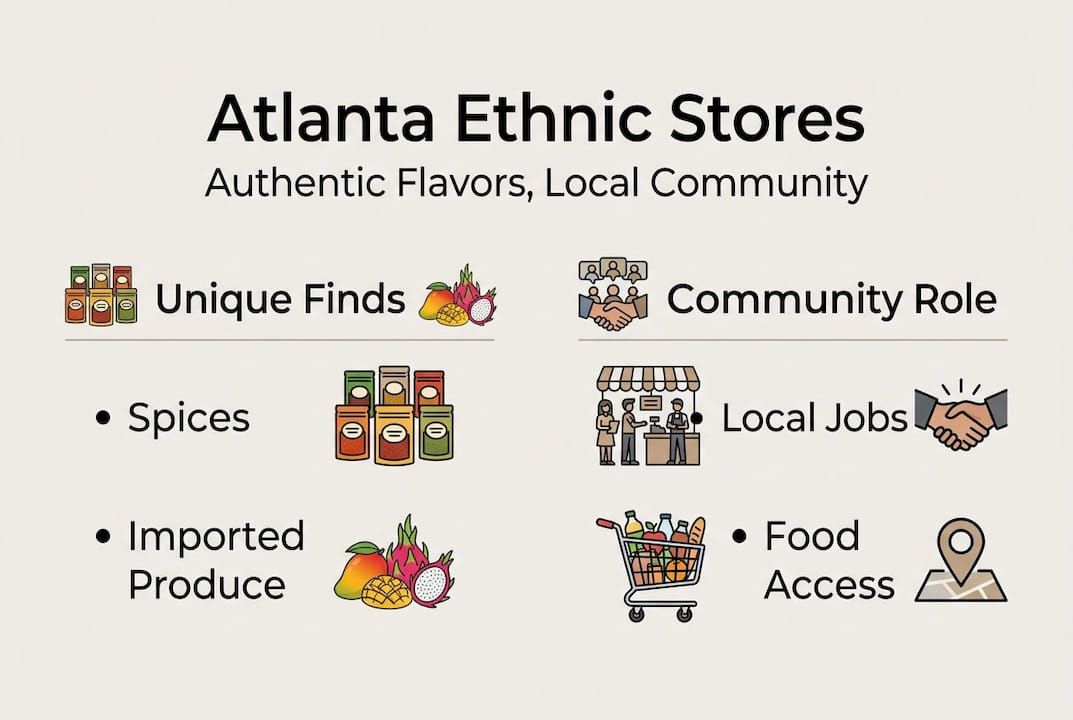
Beyond food access, ethnic stores support immigrant entrepreneurs. Many are family-owned businesses that reinvest in their neighborhoods. When you shop there, you’re supporting local communities in a direct and meaningful way. Your dollars stay local.
Caribbean cuisine’s impact on Atlanta’s food culture is especially visible. Caribbean-owned stores bring ingredients and traditions that enrich the city’s culinary identity, from jerk spices to tropical fruits and traditional beverages.
| Area type | Mainstream grocery access | Ethnic store presence |
|---|---|---|
| Urban food deserts | Low | Moderate to high |
| Suburban diverse neighborhoods | Moderate | Growing |
| Mixed-income communities | Variable | Consistent |
Here’s what ethnic stores bring to communities that mainstream options often can’t:
- Fresh produce tied to specific cultural diets
- Affordable pricing on culturally relevant staples
- A space where language and cultural norms are respected
- Support for local immigrant-owned businesses
Pro Tip: When checking freshness at an ethnic market, use your senses. Smell packaged spices through the bag. Check the packaging date on imported goods. Fresh stores rotate stock regularly, so a strong aroma and recent date are both good signs.
Cost savings and shopping strategies at ethnic markets
One of the biggest surprises for first-time shoppers at ethnic markets is the price. Many people assume specialty means expensive. In practice, ethnic stores are often cheaper for the items that matter most to their core customers.
For bulk and seasonal buying, ethnic markets are hard to beat. Bulk and seasonal shopping at ethnic markets reduces costs significantly compared to buying the same items in small quantities at mainstream chains. A bag of dried beans, a bundle of fresh herbs, or a large pack of seasoning blends will almost always be cheaper here.
That said, a grocery cost comparison in Atlanta shows that mainstream supermarkets still win on basic staples like bread, milk, and canned goods. The smart move is hybrid shopping: use mainstream stores for everyday basics and ethnic markets for specialty, bulk, and culturally specific items.
Here’s how to maximize your savings at ethnic markets:
- Shop in bulk. Rice, dried legumes, spices, and sauces are almost always cheaper per unit when bought in larger quantities.
- Check seasonal specials. Tropical fruits and vegetables drop in price when they’re in season or when a large shipment arrives.
- Visit around cultural holidays. Stores stock up and often discount items tied to Caribbean and American cultural celebrations.
- Ask staff about new arrivals. Fresh stock often comes with introductory pricing that isn’t always advertised.
- Explore multicultural store flavors across multiple visits. You’ll learn the rhythm of each store and when the best deals appear.
For more targeted advice, check out Caribbean grocery shopping tips and strategies for saving on Caribbean foods that can cut your grocery bill noticeably.
Pro Tip: The best deals at ethnic markets often appear right before and right after major cultural festivals. Stores discount excess inventory, and you can stock up on premium items at everyday prices.
How to find and choose the best ethnic grocery stores in Atlanta
Knowing ethnic stores are valuable is one thing. Actually finding the right ones takes a little strategy, especially if you’re new to the area or new to this style of shopping.
The multicultural grocery sector keeps growing because shoppers, including out-of-state visitors, actively seek out authentic items they can’t find elsewhere. Atlanta has some of the best options in the Southeast.
Here’s a step-by-step guide to finding your ideal ethnic market:
- Start with well-known anchors. Your DeKalb Farmers Market in Decatur is a great starting point. It’s large, diverse, and well-stocked with American and Caribbean products.
- Research specific product needs. If you’re looking for selecting Caribbean spices or specific regional American items, search for stores that specialize in those areas.
- Check neighborhood diversity. Areas like Clarkston, Buford Highway, Stone Mountain, and Decatur have high concentrations of ethnic markets.
- Evaluate in-store authenticity. Look for product labels in original languages, a wide range of unfamiliar brands, and staff who can explain what things are.
- Trust your senses. A good ethnic market smells alive. Fresh produce, spices, and baked goods should fill the air.
Neighborhoods and markets worth exploring:
- Buford Highway corridor: Dense cluster of Asian, Latin, and Caribbean markets
- Clarkston: Known as one of the most diverse cities in America, with several small ethnic grocery shops
- Decatur: Home to Your DeKalb Farmers Market and several specialty stores
- Stone Mountain: Strong Caribbean and African grocery presence
- Doraville: Mix of Latin American and Asian markets
When choosing American groceries with a regional or specialty focus, ethnic stores in these neighborhoods will consistently outperform mainstream chains on authenticity and variety.
Why mainstream grocery thinking misses the mark
Here’s the honest truth most grocery guides won’t tell you: the mainstream supermarket model was never designed to serve everyone equally. It was built around the most common denominator, which means anyone with specific cultural food needs gets left behind.
Most Atlantans still think of ethnic stores as a secondary option, a place to visit when you need one specific ingredient. That framing is backwards. These stores set the culinary agenda for authenticity. They carry the items that eventually trickle into mainstream stores years later, usually at a higher price and with less character.
A grocery cost comparison confirms that mainstream stores are cheaper for staples, but ethnic markets are clearly superior for authentic items, quality, and community experience. The real insight is that hybrid shopping isn’t a compromise. It’s the most rational and rewarding approach.
We’ve seen firsthand how customers who start shopping at ethnic markets for one or two items end up restructuring their entire grocery routine. They find better flavors, better prices on specialty goods, and a shopping experience that feels human. Exploring Atlanta’s culinary diversity through ethnic stores isn’t just about food. It’s about belonging to a city that takes its culture seriously.
Discover authentic groceries with TOJ EXPRESS
If you’re ready to experience authentic American and Caribbean products without the guesswork, TOJ EXPRESS is here for you. We carry a carefully selected range of groceries that reflect the real flavors of Caribbean and American food traditions, sourced for freshness and authenticity.
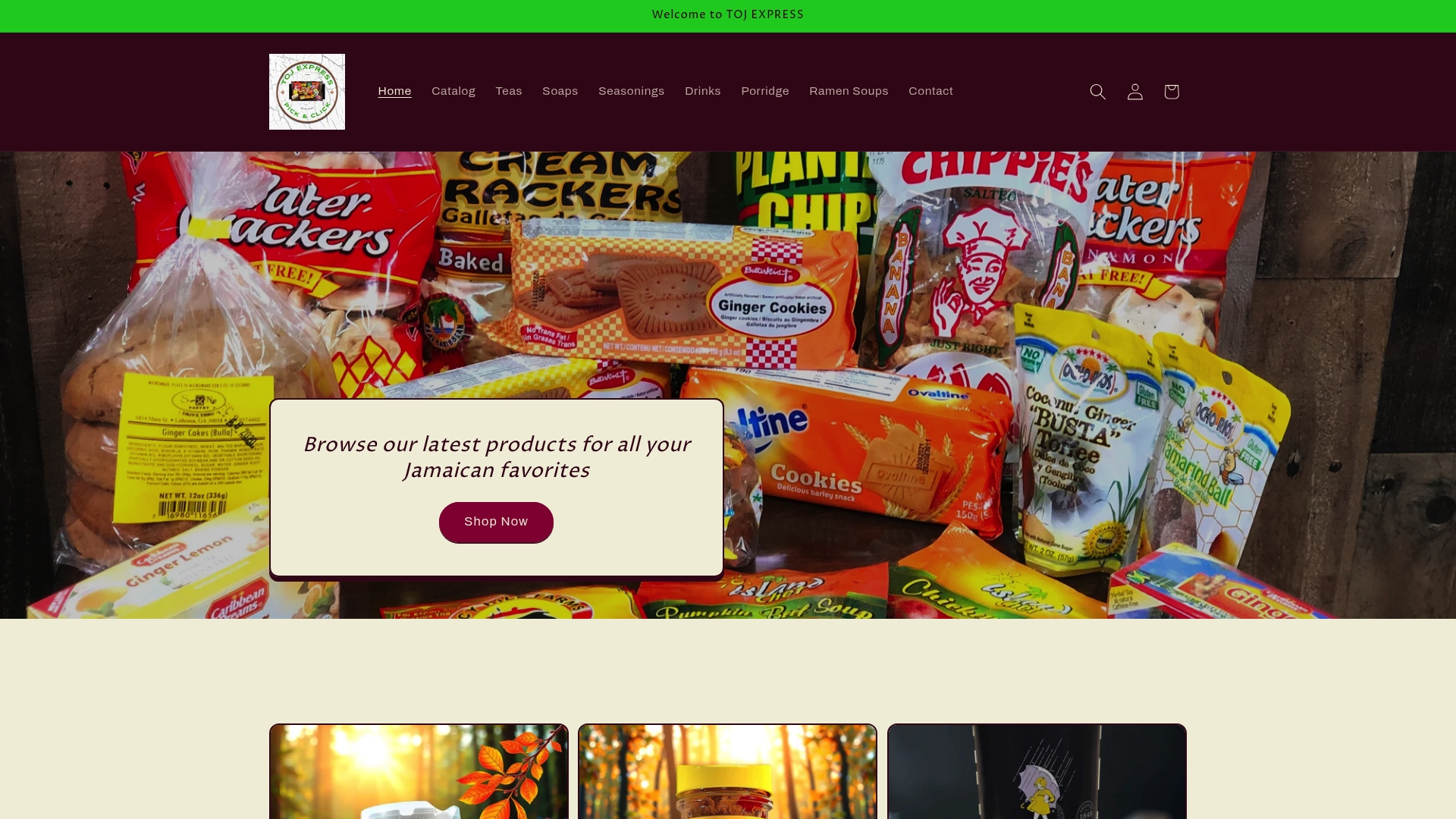
Whether you’re stocking up on pantry staples or trying something new, our general grocery selection has you covered. Looking for something fun and flavorful? Browse our Caribbean snacks for authentic options you won’t find at a mainstream chain. Shop online or visit us in Atlanta to explore what genuine ethnic grocery shopping feels like when it’s done right.
Frequently asked questions
What types of products do ethnic grocery stores in Atlanta carry?
Ethnic stores offer authentic Caribbean, American, and multicultural ingredients that mainstream supermarkets often don’t stock. From ackee and saltfish to regional American staples, established ethnic markets provide high variety at competitive prices.
How do ethnic grocery stores address food desert challenges in Atlanta?
Ethnic stores deliver fresh, culturally relevant options in areas where major supermarkets are lacking. With 1 in 4 Atlantans affected by food deserts, these stores fill a critical gap in food access.
Are prices at ethnic stores higher than mainstream supermarkets?
Not for specialty items. A cost comparison in Atlanta shows mainstream stores are cheaper for basic staples, but ethnic markets consistently beat them on bulk, seasonal, and authentic specialty products.
What should I look for to ensure freshness and authenticity at ethnic markets?
Check packaging dates, smell spices through their bags, and look for original-language labels. Stores with strong freshness indicators rotate stock regularly and carry products with clear sourcing information.
Where can I shop for authentic American and Caribbean groceries online?
You can find a wide selection of authentic products through TOJ EXPRESS’s online store at tojexpress.com, including groceries, snacks, and specialty Caribbean and American items.
Recommended
- Why shop diverse stores in Atlanta for cultural flavors – TOJ EXPRESS
- Why shop multicultural stores in Atlanta for flavors – TOJ EXPRESS
- Ethnic foods in Atlanta: Caribbean cuisine’s growing role – TOJ EXPRESS
- Why shop locally in Atlanta: support community & flavors – TOJ EXPRESS
- Guide to Ethnic Food Tours -