
How to Find Specialty Foods in Atlanta: Local Guide
TOJEXPRESS.COM-Antonio HenryTL;DR:
- Atlanta’s diverse specialty food scene includes historic markets, international grocery stores, and artisan shops that serve gourmet shoppers across neighborhoods. Visitors should plan flexibly, build relationships with vendors, and verify sourcing to access high-quality, authentic ingredients from around the world. The top destinations are Your DeKalb Farmers Market and the North Atlanta international corridor, offering a broad array of global products for culinary exploration.
Atlanta’s specialty food scene is one of the most diverse and accessible in the American South, offering gourmet shoppers a network of historic markets, international grocery stores, and artisan food shops that rivals cities twice its size. Knowing how to find specialty foods in Atlanta means understanding which neighborhoods to visit, which markets carry what, and how to shop smart once you arrive. This guide covers the best specialty food shops Atlanta has to offer, from the legendary Your DeKalb Farmers Market to the international supermarkets clustered in North Atlanta, with practical strategies to make every trip worthwhile.
How to find specialty foods in Atlanta: market types explained
Specialty foods, in the context of Atlanta’s culinary scene, means any product defined by its origin, production method, or cultural tradition. That includes imported cheeses, heritage-breed meats, single-origin spices, Caribbean pantry staples, and fresh produce unavailable at mainstream grocery chains. Atlanta’s culinary diversity makes it one of the few American cities where you can source ingredients from five continents in a single afternoon.
The city’s specialty food market types break down into four distinct categories:
- Historic public markets: Anchor destinations like the Municipal Market (also called the Curb Market) and Your DeKalb Farmers Market, which have served Atlanta for decades and carry fresh produce, butchers, seafood, and specialty eateries under one roof.
- International ethnic grocery stores: Stores organized around a specific culinary tradition, including Korean markets like H Mart and Assi Plaza, Indian grocers like Patel Brothers, Middle Eastern shops like Global Market, and Japanese specialty stores like Tomato Japanese Grocery. These carry deep niche inventory unavailable in mainstream chains.
- Neighborhood artisan and gourmet shops: Smaller curated stores focused on local producers, specialty cheeses, charcuterie, and imported pantry goods. These shops typically stock fewer SKUs but with higher sourcing standards.
- Farmers markets and seasonal vendors: Weekend markets in neighborhoods like Ponce City Market, Grant Park, and Peachtree Road Farmers Market, where local producers sell directly to consumers.
Each category serves a different shopping purpose. If you need obscure spices or fresh taro root, an ethnic grocery store is your best bet. If you want a curated selection of local honey and artisan crackers, a neighborhood gourmet shop will serve you better.
Where are the top specialty food destinations in Atlanta?
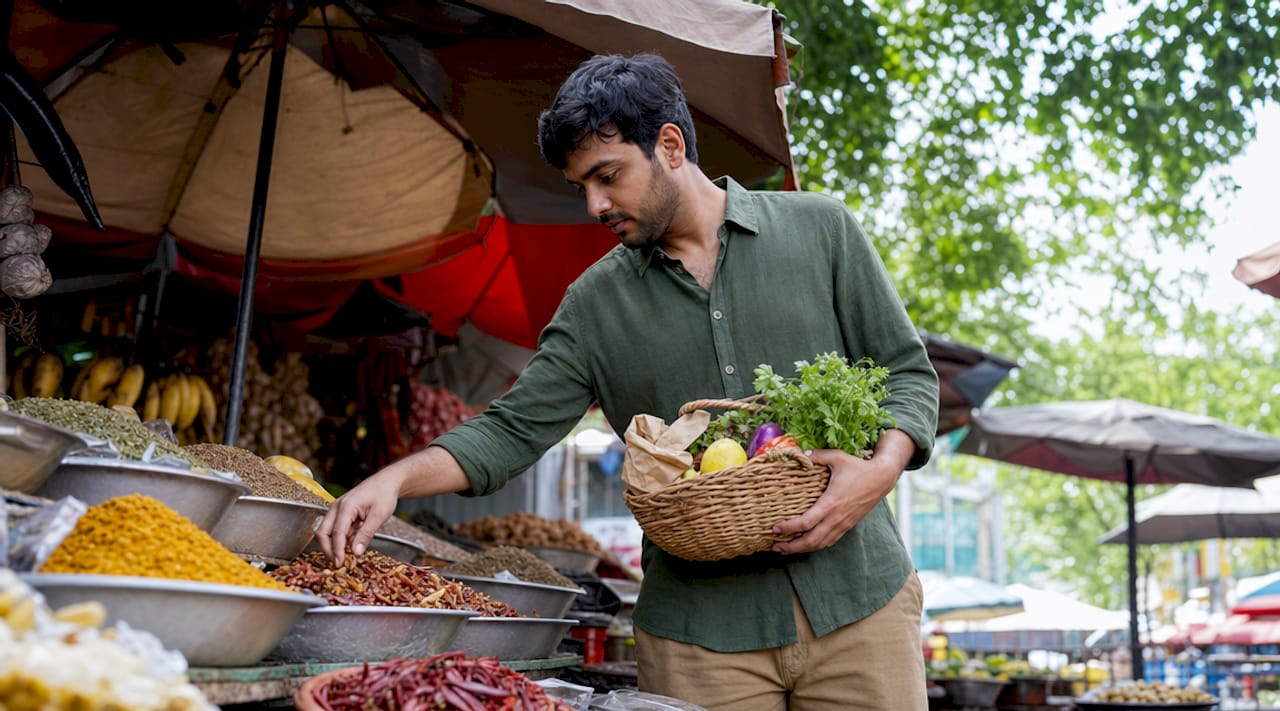
Atlanta’s best gourmet food stores cluster in three geographic zones: the historic urban core, the Decatur and DeKalb County corridor, and the North Atlanta suburbs stretching through Doraville, Duluth, and Norcross.
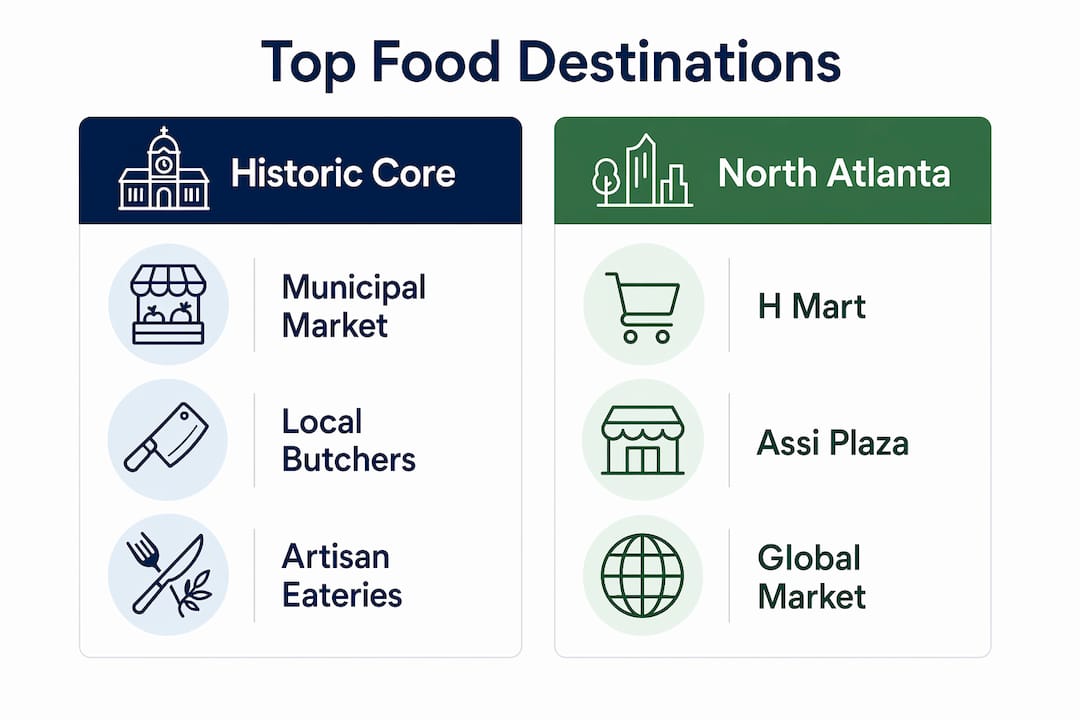
| Destination | Location | Specialty | Hours |
|---|---|---|---|
| Your DeKalb Farmers Market | Decatur | International produce, meats, cheeses, bulk goods | Daily 9 a.m. to 9 p.m. |
| Municipal Market (Curb Market) | Downtown Atlanta | Local butchers, seafood, specialty eateries | Mon–Sat 8 a.m. to 8 p.m. |
| H Mart | Duluth / Doraville | Korean and pan-Asian groceries | Varies by location |
| Assi Plaza | Doraville | Korean specialty foods and imports | Varies by location |
| Patel Brothers | Norcross | Indian spices, lentils, specialty flours | Varies by location |
| Global Market | North Atlanta | Middle Eastern and Mediterranean products | Varies by location |
Your DeKalb Farmers Market has been serving Atlanta since 1977 and is widely recognized as the city’s most reliable source for international produce. Local chefs and food enthusiasts treat it as a primary sourcing destination, not a secondary stop. It accepts EBT, which reflects its commitment to serving the full community rather than just affluent shoppers.
The Municipal Market houses around 30 local businesses including specialty food providers, butchers, and popular eateries. It operates Monday through Saturday from 8 a.m. to 8 p.m., though individual vendors may keep shorter hours. The atmosphere is historic and social, making it as much a cultural experience as a shopping trip.
North Atlanta’s international grocery corridor is where serious cooks go for depth. H Mart and Assi Plaza carry Korean pantry staples, fresh kimchi, and specialty seafood. Patel Brothers stocks an extensive range of Indian spices, specialty flours, and lentils. These stores offer regional cuisine ingredients that no mainstream supermarket stocks.
Pro Tip: Visit Your DeKalb Farmers Market on a weekday morning to avoid weekend crowds and get first access to fresh deliveries. The store’s inventory changes based on direct supplier shipments, so early arrival gives you the widest selection.
How to identify quality specialty foods in stores
Quality in specialty foods comes down to one word: traceability. Reputable specialty retailers maintain sourcing transparency and can tell you where a product came from, how it was produced, and when it arrived. If a store cannot answer those questions, treat its specialty claims with skepticism.
Here is what to look for when evaluating products in Atlanta gourmet food stores:
- Fresh produce: Look for seasonal variety and signs of direct sourcing. Produce that arrives through a distributor often shows more bruising and inconsistency than produce sourced directly from farms or international suppliers.
- Meats and seafood: Ask the butcher or fishmonger about origin and processing date. Specialty butchers at the Municipal Market, for example, can typically tell you the farm or region of origin for their cuts.
- Cheeses: Imported cheeses should carry country-of-origin labeling and ideally a production date. Domestic artisan cheeses should name the creamery.
- Spices and dried goods: Freshness matters more than most shoppers realize. Whole spices retain flavor far longer than pre-ground. Look for stores with high turnover and bulk bins rather than dusty pre-packaged jars.
- Imported pantry goods: Check for authentic country-of-origin labeling. A product labeled “Italian-style” is not the same as one labeled “Product of Italy.” Local Atlanta specialty stores like those supporting food heritage often carry the real thing.
One underrated quality signal is the presence of a local black-owned or independent spice brand. Atlanta has producers like BB’s Season All, an award-winning spice brand now stocked in nearly 500 retail locations, whose presence in a store signals that the buyer has done real curation work.
Pro Tip: Ask store staff or owners directly about their sourcing. Specialty retailers who take provenance seriously will answer confidently and in detail. Vague answers are a red flag.
Step-by-step approach to planning your specialty food shopping trip
A successful specialty food shopping trip in Atlanta requires preparation. Showing up without a plan at a market like Your DeKalb Farmers Market, which operates as a self-contained ecosystem with rapidly changing inventory, means you may miss key items or feel overwhelmed by the scale.
Follow these steps for a productive trip:
- Research market hours and vendor schedules before you go. The Municipal Market’s official hours do not always reflect individual vendor hours. Check vendor social media pages or call ahead, since merchant hours vary significantly from the main market listing.
- Build a flexible menu plan, not a fixed shopping list. Seasonal availability drives inventory at direct-sourcing markets. Go in knowing what cuisine you want to cook, not exactly which ingredient you need. This mindset opens you up to better substitutions and unexpected finds.
- Tap local community groups for insider knowledge. Atlanta food communities on Facebook, Reddit’s r/Atlanta, and neighborhood apps like Nextdoor regularly share tips on new vendors, seasonal arrivals, and hidden specialty shops. Word-of-mouth discovery consistently surfaces gems that no Google search will find.
- Prioritize relationship-building with store owners and staff. Regular customers at ethnic grocery stores and artisan shops get early notice of new shipments, special orders, and seasonal products. One conversation with a store owner can unlock months of better shopping.
- Use Google Maps reviews filtered by “most recent” to verify current inventory and hours. Yelp and Google Maps are useful for finding Atlanta artisan food markets, but the most recent reviews give you the most accurate picture of what a store currently carries.
| Step | Action | Benefit |
|---|---|---|
| Pre-trip research | Check vendor social media and call ahead | Avoids wasted trips due to closed stalls |
| Flexible menu planning | Plan by cuisine, not ingredient | Adapts to seasonal and market availability |
| Community sourcing | Join local food groups online | Uncovers hidden specialty vendors |
| Relationship building | Introduce yourself to store owners | Gains access to special orders and early stock |
Common challenges when sourcing specialty foods in Atlanta
Even experienced shoppers run into friction at Atlanta’s specialty food markets. Knowing the common pitfalls in advance saves time and frustration.
- Vendor hour variability: The Municipal Market’s individual merchants often close earlier than the market’s official 8 p.m. closing time. Arriving after 6 p.m. may mean finding several stalls already shut.
- Seasonal inventory gaps: Your DeKalb Farmers Market’s direct global sourcing means certain products appear and disappear without notice. A specialty citrus you found last month may not be there this week.
- Unfamiliar ingredient names: International grocery stores label products in their country of origin’s language. Bring a translation app or ask staff. Most ethnic grocery store employees are knowledgeable and happy to help identify products.
- Weekend crowds: Your DeKalb Farmers Market and Ponce City Market’s weekend farmers market draw large crowds by mid-morning. Plan to arrive at opening time or accept longer checkout lines.
“The shoppers who get the most out of Atlanta’s specialty food markets are the ones who treat every visit as an exploration, not a transaction. Flexibility and curiosity are your best tools.” — Atlanta food community advocate
Ethnic stores across Atlanta also carry products that shift with community demand, so a store’s inventory in 2025 may look different in 2026 as its customer base evolves.
Key takeaways
Atlanta’s specialty food scene rewards shoppers who combine geographic knowledge, flexible planning, and direct relationships with vendors and store owners.
| Point | Details |
|---|---|
| Start with anchor markets | Your DeKalb Farmers Market and the Municipal Market are the most reliable starting points for specialty food shopping in Atlanta. |
| Use the North Atlanta corridor | H Mart, Assi Plaza, Patel Brothers, and Global Market cluster in Doraville and Norcross for deep international inventory. |
| Prioritize traceability | Ask about sourcing and origin. Stores that answer confidently carry genuinely specialty products. |
| Plan flexibly | Build menus around cuisine types, not fixed ingredient lists, to adapt to seasonal market availability. |
| Verify vendor hours | Always check individual merchant schedules at markets like the Municipal Market before visiting. |
Why the best specialty food shopping is never a straight line
I have spent years shopping Atlanta’s specialty food markets, and the single biggest mistake I see food enthusiasts make is treating these markets like a grocery store run. You do not go to Your DeKalb Farmers Market with a rigid list and expect to check every box. The market’s direct global sourcing means the inventory on any given Tuesday is genuinely different from what was there last Saturday. That unpredictability is the feature, not the bug.
The shoppers who get the most out of Atlanta’s gourmet food stores are the ones who show up curious and leave with something they did not plan to buy. I have found Jamaican scotch bonnet peppers, fresh turmeric root, and Persian dried limes at YDFM on the same visit, none of which were on my list. That kind of discovery only happens if you give yourself permission to wander.
My honest advice: build relationships before you need them. The owner of a small ethnic grocery store in Doraville who knows your name will call you when a new shipment of specialty ingredients arrives. That kind of access cannot be replicated by any app or online search. Atlanta’s specialty food culture is fundamentally community-driven, and the more you invest in those connections, the better your pantry gets.
— ANTONIO
Stock your pantry with specialty finds from Tojexpress
If you want to extend your specialty food haul beyond in-person market visits, Tojexpress carries a curated selection of American and Caribbean products that complement what you find at Atlanta’s best markets.
Browse the specialty teas collection for Caribbean and international teas that pair perfectly with artisan foods. The snacks selection covers international and Caribbean snack products that are hard to find in mainstream stores. For something to drink alongside your gourmet finds, the specialty drinks range includes unique beverages sourced with the same attention to quality you expect from Atlanta’s best specialty shops. Tojexpress makes it easy to keep your pantry stocked between market trips.
FAQ
What is the best specialty food market in Atlanta?
Your DeKalb Farmers Market in Decatur is widely regarded as Atlanta’s top specialty food destination, operating daily from 9 a.m. to 9 p.m. and carrying international produce, meats, cheeses, and bulk goods sourced directly from global suppliers.
Where can I buy international specialty foods in North Atlanta?
North Atlanta’s Doraville and Norcross corridor is home to H Mart, Assi Plaza, Patel Brothers, and Global Market, each specializing in Korean, Indian, and Middle Eastern products unavailable in mainstream supermarkets.
How do I know if a specialty food store sells quality products?
Look for stores that provide sourcing transparency and can tell you the origin and production details of their products. Reputable specialty retailers maintain close supplier relationships and welcome questions about provenance.
Are Atlanta specialty food markets open on weekends?
Most are open on weekends, but hours vary by vendor. Your DeKalb Farmers Market operates daily, while the Municipal Market is open Monday through Saturday. Individual vendor hours at the Municipal Market often differ from the market’s official schedule, so verify before visiting.
Can I find Caribbean specialty foods in Atlanta?
Yes. Atlanta’s diverse ethnic grocery network includes stores carrying Caribbean pantry staples, fresh produce, and specialty products. Tojexpress also carries American and Caribbean products online for convenient access between market visits.