
How to Find Caribbean Products: Step-by-Step Guide
TOJEXPRESS.COM-Antonio HenryFinding authentic Caribbean ingredients in the Atlanta area can feel like a quest, especially when you crave familiar flavors from Jamaica, Trinidad, or Haiti. Caribbean expatriates often shop with nostalgia, while American food lovers want real products that deliver bold taste and genuine cultural experiences. By focusing on your exact needs and learning to spot genuine items, you can confidently source flavorful essentials and enjoy every homemade Caribbean meal. For a successful shopping trip, prioritize a clear product wishlist before heading out.
Table of Contents
- Step 1: Assess Your Caribbean Product Needs
- Step 2: Explore Local and Online Store Options
- Step 3: Verify Authenticity and Availability
- Step 4: Select and Purchase Caribbean Products
Quick Summary
| Key Point | Explanation |
|---|---|
| 1. Define Your Product Needs | Identify specific dishes and ingredients to streamline your shopping. This prevents wasted time and impulse buys. |
| 2. Utilize Local and Online | Explore both local markets and online retailers for the best deals. Each has unique advantages for Caribbean shopping. |
| 3. Ensure Product Authenticity | Verify labels and ask store staff about origin to confirm authenticity and quality before purchasing. |
| 4. Inspect Products Thoroughly | Check the condition, expiration dates, and packaging of items to avoid buying damaged or expired goods. |
| 5. Keep Receipts for Future Reference | Retain receipts and take notes on products to help compare prices and quality for future shopping trips. |
Step 1: Assess Your Caribbean Product Needs
Before you start hunting for Caribbean products, take a moment to identify exactly what you’re looking for. This saves time and prevents impulse purchases that don’t match your actual cooking or cultural needs.
Start by thinking about the meals you want to prepare. Are you craving authentic jerk chicken, plantain dishes, or Caribbean baked goods? Maybe you need specific spices like recado or sofrito for traditional recipes. Write down three to five dishes or ingredients that matter most to you right now.
Next, consider your cooking frequency and budget. Weekly meal prep requires different quantities than occasional family gatherings. Someone cooking daily needs bulk spices and staples, while someone preparing for one special dinner needs smaller portions.
Think about cultural connection too. Caribbean expatriates in the Atlanta area often seek products that remind them of home, while American consumers may be exploring flavors for the first time. Your motivation shapes what you prioritize.
Understanding consumer needs and preferences within Caribbean markets helps you recognize what authentic ingredients actually matter. Some products are essential to traditional cooking, while others are nice-to-have luxuries.
Here’s what to identify:
- Specific dishes you want to cook (jerk, curry, rice and peas, ackee and saltfish)
- Essential ingredients missing from your current pantry
- Your budget range for this shopping trip
- Quantity needs based on household size and cooking frequency
- Dietary preferences or restrictions that affect your choices
Know what you’re searching for before you shop. Vague shopping trips waste time and money, but focused shopping gets you exactly what you need.
This assessment also helps you evaluate whether stores have what you need. You can ask staff directly about specific products instead of wandering aimlessly. In Atlanta, store availability varies, so knowing your priorities lets you decide which retailer works best for your situation.
Pro tip: Create a simple list on your phone with your top 5-10 Caribbean products and their typical prices from your previous shopping trips, so you can compare deals and avoid overpaying when you visit new retailers.
Step 2: Explore Local and Online Store Options
Now that you know what you’re looking for, it’s time to find where to buy it. Atlanta offers both physical stores and online options, each with distinct advantages for finding Caribbean products.
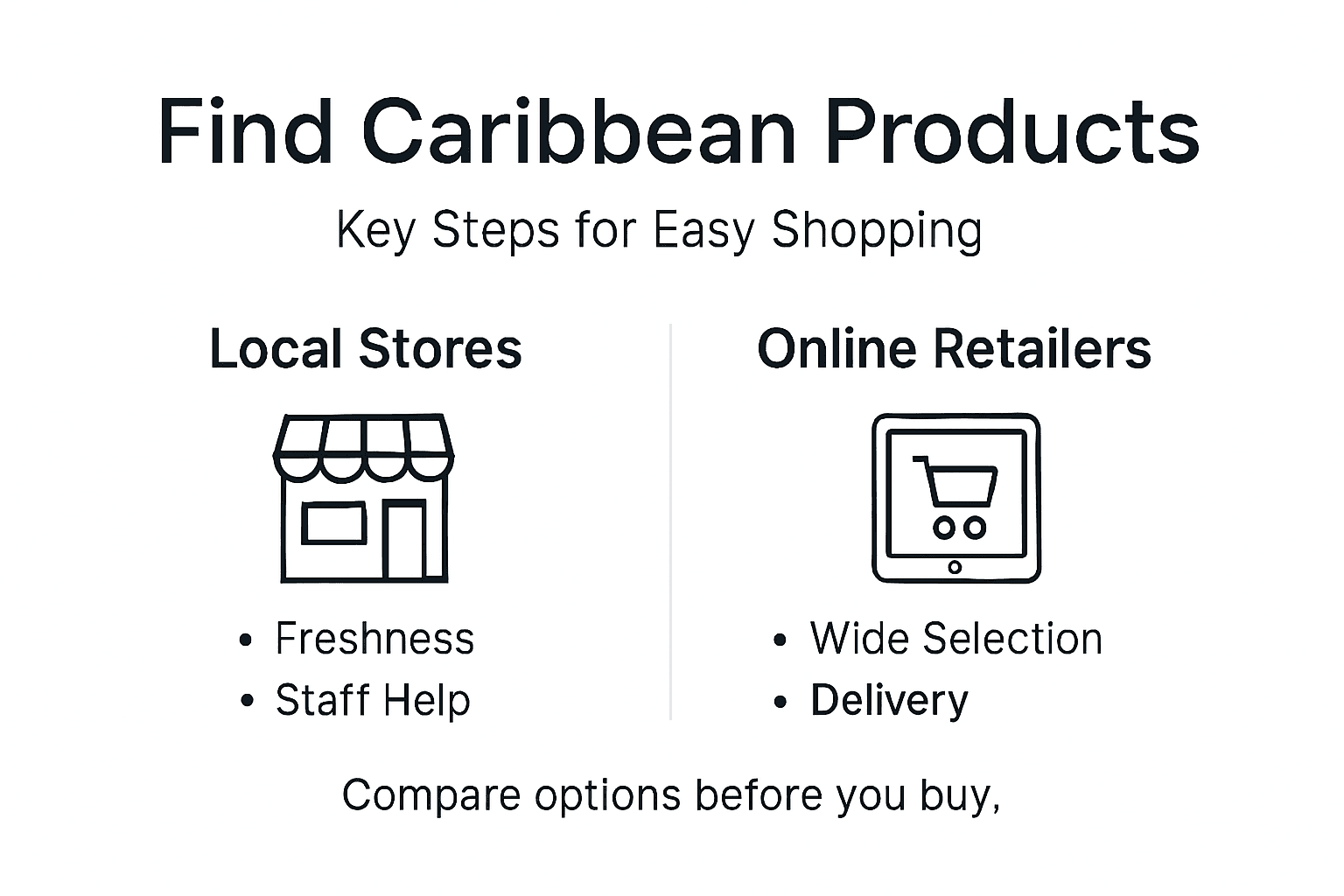
Local brick-and-mortar stores let you inspect products before buying. You can check freshness, read labels carefully, and ask staff about ingredients or preparation methods. Many local retailers in the Atlanta area have knowledgeable teams who understand Caribbean cooking and can recommend substitutions or similar products.
Visit specialty Caribbean markets first. These stores focus exclusively on regional products and carry items you won’t find in standard supermarkets. You’ll discover authentic brands, fresh produce, and prepared items that reflect actual Caribbean cooking. The staff typically understands the nuances of different islands’ cuisines.

Don’t skip mainstream grocery chains either. Many Whole Foods, Kroger, and Trader Joe’s locations stock Caribbean staples like plantains, yams, canned beans, and specialty spices. Selection varies by location, so calling ahead saves wasted trips.
Online shopping offers convenience and wider selection, especially for items unavailable locally. Online Caribbean marketplaces provide secure payment options and reliable shipping to your door. You can compare prices across sellers and order in bulk for better deals.
Consider these shopping approaches:
- Local Caribbean markets for fresh produce, specialty items, and expert advice
- Chain grocery stores for common staples at competitive prices
- Online retailers for bulk ordering, rare items, and home delivery
- Combination shopping to balance convenience, cost, and authenticity
Mix local and online shopping based on what you need. Fresh items work better from local stores, while shelf-stable products ship well online.
Start by visiting two or three local stores to understand their inventory and pricing. Note which products they carry reliably and which ones are hit-or-miss. This baseline helps you decide when to shop locally versus ordering online.
Check online reviews and shipping policies before your first purchase. Read feedback from other Atlanta-area customers to learn about delivery reliability and product quality. Some online sellers offer faster shipping than others.
Here’s how local and online Caribbean shopping options compare:
| Aspect | Local Stores | Online Retailers |
|---|---|---|
| Product Inspection | In-person, check freshness | Rely on photos, descriptions |
| Expert Advice | Staff available in store | Limited or chat support |
| Unique Items | Regional brands, fresh produce | Rare ingredients, wider range |
| Convenience | Immediate purchase, nearby | Order anytime, doorstep delivery |
| Price Comparison | In-store only | Multiple sellers at once |
Pro tip: Sign up for loyalty programs or email lists at both local stores and online retailers to receive deals, new product notifications, and exclusive discounts on Caribbean items.
Step 3: Verify Authenticity and Availability
Authentic Caribbean products matter for flavor, quality, and cultural integrity. Before you buy, verify that what you’re purchasing is genuinely what it claims to be and actually in stock.
Start by checking product labels carefully. Look for country of origin information, ingredient lists, and brand names you recognize. Many Caribbean brands have distinctive packaging and specific spelling or logos that counterfeiters struggle to replicate accurately.
Ask store staff directly about product sourcing. Local Caribbean market employees know their suppliers and can tell you whether items come from actual Caribbean producers or are merely Caribbean-style products made elsewhere. This conversation reveals authenticity instantly.
Verify availability before making special trips. Call ahead to confirm the specific product you want is in stock. Store inventory changes frequently, and calling saves frustration. Many Atlanta retailers can check stock across multiple locations for you.
For online purchases, direct verification methods help ensure suppliers are legitimate and products meet authentic standards. Check seller credentials, business licenses, and customer reviews specifically mentioning product authenticity. Legitimate online retailers openly display their verification information.
Look for these authenticity markers:
- Genuine brand names you recognize from Caribbean imports
- Country of origin labels showing Caribbean locations
- Ingredient lists in English with recognizable items
- Reasonable pricing that aligns with market standards
- Seller reviews mentioning authenticity from verified buyers
Authentic Caribbean products have distinctive packaging and clear origin information. Generic packaging is often a red flag for inferior substitutes.
Some products have regional variations. Jamaican jerk seasoning differs from Trinidadian versions, and Haitian products taste distinct from Dominican ones. Understanding these differences helps you verify you’re getting the regional product you actually want.
Check expiration dates on everything, especially spices and perishables. Caribbean products sometimes travel long distances, and shelf time affects quality. Fresh is better, but properly stored shelf-stable items remain viable for months.
Understanding Caribbean spice variations can enhance your shopping:
| Spice Type | Jamaican Use | Trinidadian Use | Haitian Use |
|---|---|---|---|
| Jerk Seasoning | Smoky, spicy, herbal | Citrus, less heat | Rare, unique blends |
| Curry Powder | Earthy, mild | Hot, pungent | Smooth, subtle flavors |
| Recado/Sofrito | Less common | Frequently used | Often homemade |
Don’t hesitate to ask questions. Reputable retailers welcome inquiries about sourcing and ingredients. If staff seem dismissive or evasive about product origins, that’s a warning sign to shop elsewhere.
Pro tip: Take photos of product labels and packaging from items you love, then use those images to verify authenticity when shopping at new stores or ordering online, ensuring consistency and quality across purchases.
Step 4: Select and Purchase Caribbean Products
You’re ready to make your selections. This step focuses on making smart choices that balance quality, price, and your specific needs while completing your purchase confidently.
Start by examining products individually before adding them to your cart or basket. Check condition first on fresh items like plantains, yams, and avocados. Look for firmness, color consistency, and absence of bruises or soft spots. One damaged item affects the entire batch.
Compare prices across similar products. Different brands of the same item vary significantly in cost, and sometimes store brands offer equal quality at lower prices. Don’t assume the most expensive option is best, but equally avoid suspiciously cheap products that might indicate poor sourcing.
Read ingredient lists one final time before purchasing. Verify that spices contain only the ingredient named, without fillers or additives. Check that canned goods list recognizable components. This final verification prevents buying products that don’t match your cooking standards.
When shopping at local markets, don’t hesitate to ask for smaller quantities if available. Many Caribbean market vendors will sell you two plantains instead of five, or portion out spices from bulk containers. This flexibility prevents waste and lets you try new products without large commitments.
Learning essential shopping tips helps you navigate selections strategically and maximize your purchasing power. Smart shoppers know when to buy fresh, when to stock shelf-stable items, and how to negotiate better deals at local retailers.
Make these final checks:
- Expiration dates are reasonable with adequate shelf life remaining
- Packaging is intact with no signs of damage, leaks, or tampering
- Prices are documented clearly for accurate checkout
- Quantities match your needs without excessive surplus
- Store policies on returns are clear if needed
Quality matters more than quantity. Buy less of authentic products instead of more of inferior substitutes.
At checkout, double-check that prices match what was labeled. Errors happen, and catching them saves money. Many stores welcome price verification questions.
For online purchases, review your cart before finalizing. Confirm quantities, shipping costs, and estimated delivery dates. Check if the order qualifies for any discounts or if you’re close to free shipping thresholds.
Pro tip: Keep receipts and photos of purchased items for reference when buying similar products elsewhere, allowing you to compare pricing over time and identify which retailers consistently offer the best value on your staple Caribbean products.
Discover Authentic Caribbean Products with Ease at Toj Express
Finding authentic Caribbean products can feel overwhelming when local options are limited or uncertain. The article highlights common challenges like verifying authenticity, selecting the right ingredients, and balancing convenience with quality. Whether you need specific spices, fresh produce, or hard-to-find staples, we understand how important it is to connect with flavors that remind you of home or inspire your cooking.
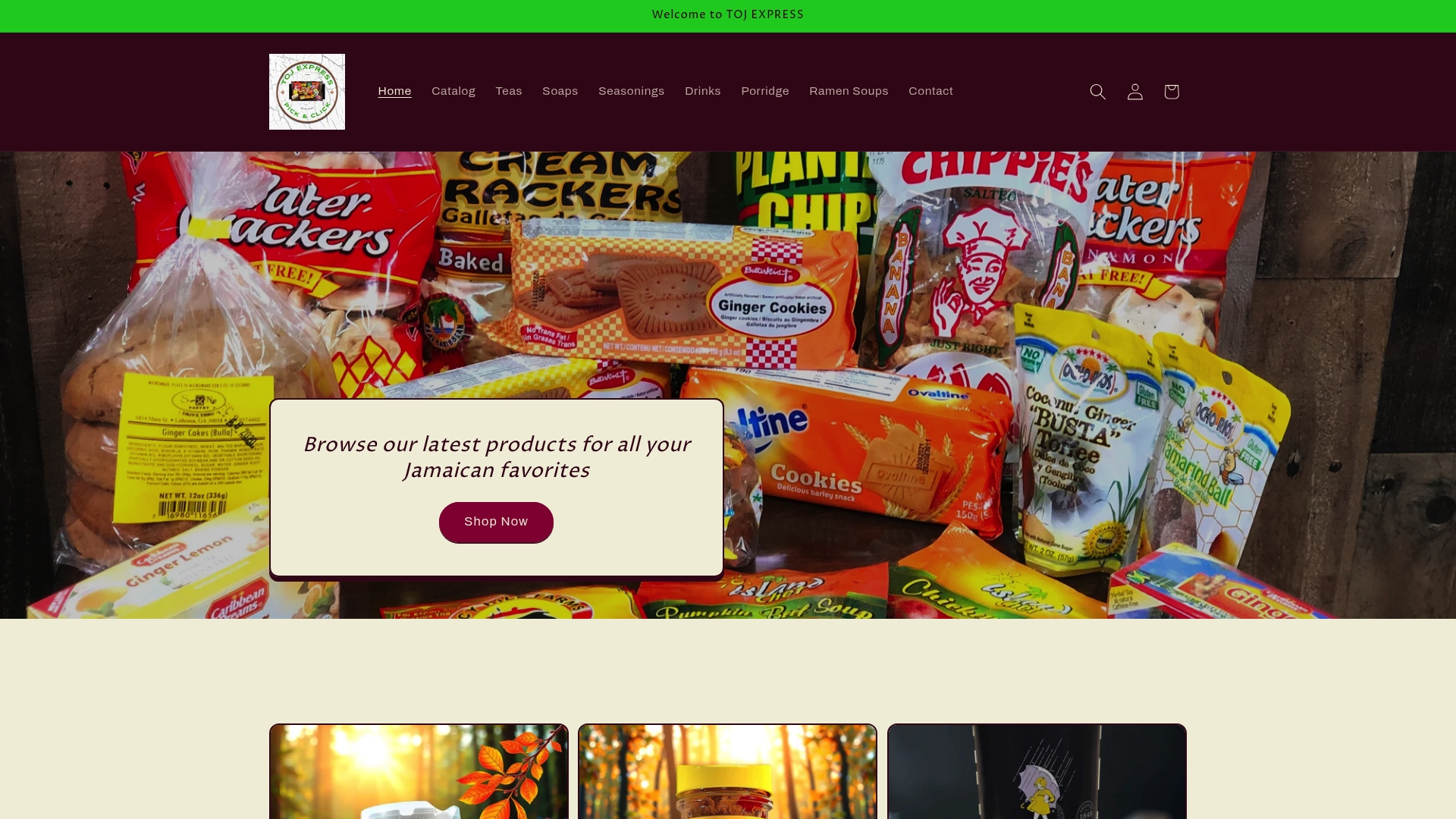
At Toj Express, we solve these pain points by offering a thoughtfully curated selection of genuine American and Caribbean products right in one place. You no longer have to guess about product origins or availability. Our store provides authentic brands, competitive prices, and friendly advice tailored to your culinary goals. We make it simple to get exactly what you need for your favorite dishes like jerk chicken, rice and peas, or curry.
Take the next step toward stress-free Caribbean grocery shopping by visiting our store.
Ready to simplify your search for real Caribbean ingredients Find everything you need at Toj Express and enjoy seamless shopping with genuine products always in stock. Don’t wait to bring authentic Caribbean flavors into your kitchen today.
Frequently Asked Questions
How can I assess my needs for Caribbean products before shopping?
To assess your needs, identify specific dishes you want to prepare and essential ingredients you may be missing. Write down three to five dishes or ingredients that matter most to you, considering your cooking frequency and budget. This clarity helps you make focused shopping decisions.
What are the benefits of shopping at local Caribbean markets compared to online retailers?
Local Caribbean markets allow you to inspect products for freshness and seek advice from knowledgeable staff. In contrast, online retailers offer convenience and a wider selection of rare items that may not be available locally. Balance your shopping approach based on product type and personal preference.
How can I verify the authenticity of Caribbean products?
To verify authenticity, check product labels for country of origin and recognizable brand names. Ask store staff about product sourcing, especially in local markets, to confirm whether items come from authentic Caribbean producers or are simply Caribbean-style products.
What should I do if I can’t find a specific Caribbean ingredient?
If you can’t find a specific ingredient, consider asking store staff for advice on substitutions. Many local Caribbean markets have knowledgeable employees who can suggest similar items or alternatives that may work in your recipes, helping you continue with your cooking plans.
How do I compare prices effectively when shopping for Caribbean products?
To compare prices effectively, examine similar products across various brands and note any differences. Look for store brands that may offer good quality at lower prices, and check for any ongoing promotions to maximize your purchasing power on essential Caribbean items.
Why is understanding expiration dates important when buying Caribbean products?
Understanding expiration dates is crucial because Caribbean products can have longer shelf times due to shipping. Always check expiration dates to ensure you are purchasing items that will maintain their quality, especially with perishables and spices, so you can use them effectively within the their intended shelf life.