

How to Shop for Family Meals in Atlanta
TOJEXPRESS.COM-Antonio HenryTL;DR:
- Smart grocery shopping in Atlanta involves detailed meal planning, organized shopping lists, and leveraging diverse local stores to save money and reduce waste. Families can cut weekly food costs significantly by using a five-day meal plan, batching ingredients, and shopping from ethnic markets like Tojexpress for specialty items. Proper store navigation and pantry audits further enhance efficiency and ensure fresh, culturally rich ingredients are part of each meal.
Smart grocery shopping for family meals in Atlanta is the single most effective way to cut food costs, reduce kitchen stress, and keep your family eating well every week. Knowing how to shop for family meals in Atlanta means combining a practical meal plan with an organized list and the right local stores. Atlanta’s food market is genuinely diverse, from major chains like Kroger and Publix to Caribbean and ethnic specialty markets that stock ingredients you won’t find anywhere else. Tojexpress, a local convenience store carrying both American and Caribbean products, is one example of how Atlanta’s shopping scene gives families real options beyond the standard supermarket run.
How to shop for family meals in Atlanta: start with a weekly meal plan
A weekly meal plan is the foundation of every successful grocery trip. Structured meal planning reduces weekly grocery spending for a family of four to between $85 and $120, compared to $200 to $350 without any plan at all. That gap represents real money, and it compounds every single week of the year.
Start with a five-day dinner plan and build in one or two nights that use leftovers. This approach cuts the number of unique meals you need to cook and shrinks your grocery list automatically. Choose meals that share core ingredients. For example, if you buy a rotisserie chicken on Monday, plan a chicken stir-fry on Wednesday and a chicken soup on Friday. One protein, three meals, almost zero waste.
For busy Atlanta weeknights, prioritize meals that come together in 30 minutes or less. Sheet pan dinners, rice bowls, and pasta dishes all qualify. Batch cooking proteins and grains early in the week, such as a pot of brown rice or a tray of baked chicken thighs on Sunday, removes the daily decision of what to cook and how to start.
Build-your-own meal nights are underrated for families with picky eaters. Taco nights, baked potato bars, and grain bowls let every family member customize their plate from the same base ingredients you already bought. Everyone eats, nothing goes to waste.
- Plan five dinners plus two leftover nights per week
- Choose three to four meals that share at least one protein or vegetable
- Batch cook one grain and one protein every Sunday
- Include one build-your-own night for flexibility
- Keep at least two 30-minute meals in the rotation for busy weeknights
Pro Tip: Write your meal plan before you write your grocery list, not the other way around. The list should flow directly from the plan, so every item you buy has a specific meal attached to it.
How to organize your grocery list for faster Atlanta store trips

A disorganized grocery list costs you time and money. Shoppers using grocery lists spend 25% less and buy more nutritious food than those who shop without one. That statistic reflects a simple truth: a list keeps you focused and out of the snack aisle.
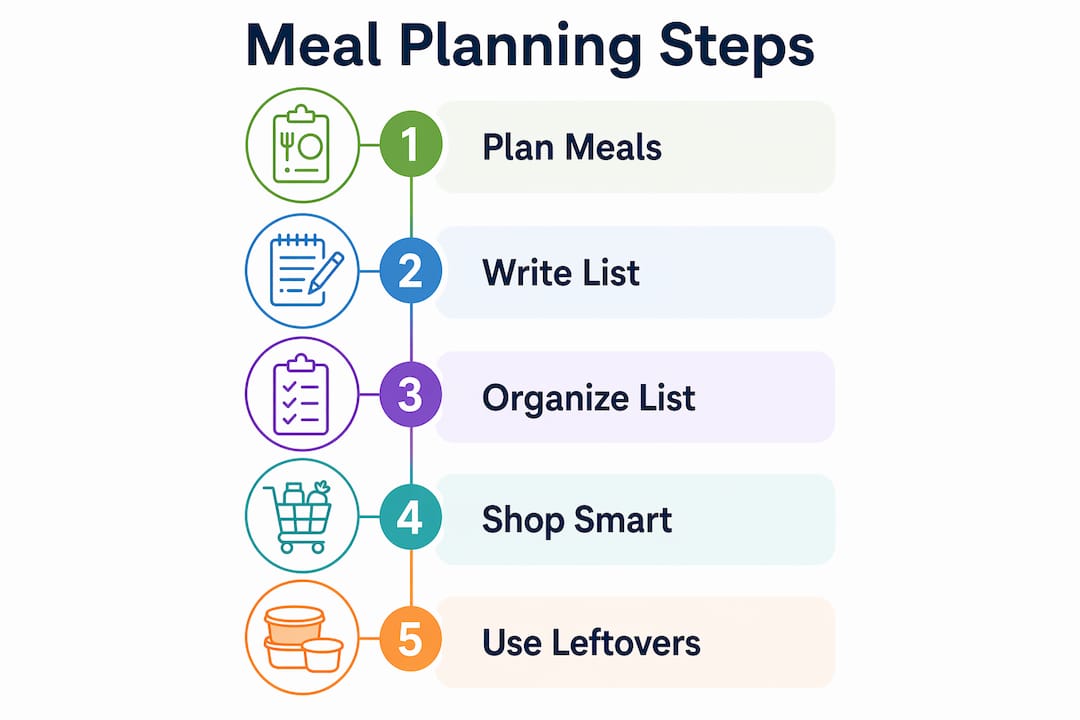
Organize your list by store section rather than by meal. Group items into five categories: produce, dairy and protein, pantry staples, frozen goods, and condiments or sauces. Organizing by store section can cut shopping time by 15 to 20 minutes by eliminating backtracking through aisles you already passed. For a family of four, aim for 30 to 40 items per trip. More than that usually signals either poor planning or impulse additions.
Here is a practical system for building your list each week:
- Check your pantry and fridge before writing a single item. Note what you already have.
- Pull up your five-day meal plan and list every ingredient each meal requires.
- Cross off anything already in your pantry from step one.
- Group remaining items by store section.
- Add household staples like paper towels or dish soap at the bottom, separate from food.
Atlanta stores like Kroger and Publix are laid out with produce near the entrance, followed by meat and dairy along the perimeter, and pantry items in the center aisles. Mapping your list to that layout means you move through the store once, front to back, without circling.
Pro Tip: Reach toward the back shelves in produce, dairy, and meat sections. Stores stock the freshest items behind older ones, so the carton of milk at the back has a longer expiration date than the one at the front.
| List category | What to include |
|---|---|
| Produce | Vegetables and fruits planned for the week’s meals |
| Dairy and protein | Eggs, milk, cheese, meat, and fish |
| Pantry staples | Rice, pasta, canned goods, oils, and spices |
| Frozen goods | Frozen vegetables, backup proteins, and quick meals |
| Condiments and sauces | Sauces, dressings, and seasonings running low |
Where to shop for family meals in Atlanta: in-store, online, and local options
Atlanta gives families more shopping choices than most cities its size, and picking the right channel for each type of purchase makes a measurable difference in both cost and quality.
In-store shopping gives you direct control over ingredient quality. You can squeeze avocados, check sell-by dates, and swap a bruised pepper for a better one. That control matters most for fresh produce, meat, and seafood. Online grocery ordering, through services like Kroger Pickup or Instacart, saves time and reduces impulse purchases because you are not physically walking past displays designed to pull you off your list.
The perimeter shopping method is a practical in-store strategy: stick to the outer edges of the store where fresh produce, lean proteins, and dairy live, and only enter center aisles for specific pantry items on your list. This keeps processed food out of your cart without requiring willpower.
Atlanta’s local and ethnic markets add real value for families who cook diverse meals. Local convenience stores and ethnic markets in Atlanta offer affordable and culturally rich options, adding variety and savings that major chains rarely match. Tojexpress stocks both American staples and Caribbean products, making it a practical stop for families who cook dishes that call for ingredients like scotch bonnet peppers, plantains, or Caribbean seasonings.
- Major chains (Kroger, Publix, Aldi): Best for weekly staples, sales, and bulk buys
- Ethnic and specialty markets: Best for culturally specific ingredients at lower prices
- Tojexpress: Best for American and Caribbean products in a convenient local format
- Online ordering (Kroger Pickup, Instacart): Best for saving time and sticking to your list
- Warehouse stores (Costco, Sam’s Club): Best for bulk proteins, grains, and household staples
For prepared family meal options, Atlanta has a growing number of vendors offering heat-and-eat family packs. These work well as a backup for nights when cooking is not realistic, and they cost far less than restaurant delivery when bought in advance.
How to save money and reduce waste on family grocery shopping
Meal planning reduces grocery spending by 20 to 30 percent compared to shopping without a plan, because it prevents both waste and unnecessary buying. That percentage is the clearest argument for spending 20 minutes on a plan before you ever set foot in a store.
The pantry audit is the most overlooked money-saving habit in grocery shopping for families. Pantry audits before shopping save $15 to $20 weekly by preventing duplicate purchases. Open every cabinet, check the freezer, and write down what you already have before building your list. Most families discover they already own two or three meals worth of ingredients they forgot about.
Buy proteins and grains in bulk since these items store well and are used frequently. Buying proteins and grains in bulk is cost-efficient, while fresh produce should be bought in smaller quantities to minimize spoilage. A 10-pound bag of rice from Costco or a family pack of chicken thighs from Kroger costs significantly less per unit than smaller packages.
Apply the two-meal rule to every fresh ingredient you consider buying. You should be able to name two distinct meals for every fresh ingredient you buy. If you cannot, buy less of it or choose a frozen alternative instead. Frozen spinach, frozen broccoli, and frozen corn deliver the same nutritional value as fresh at a fraction of the cost and with zero spoilage risk.
- Audit your pantry and fridge before every shopping trip
- Apply the two-meal rule to every fresh ingredient
- Buy proteins and grains in bulk; buy fresh produce in small quantities
- Use frozen vegetables as nutritional equals to fresh, especially for cooked dishes
- Compare unit prices, not package prices, when choosing between sizes
- Skip center aisles unless a specific pantry item is on your list
- Check weekly sales at Atlanta-area stores before finalizing your meal plan
Pro Tip: Plan at least one meal per week around whatever protein is on sale that week at your local Atlanta store. Check the weekly circular before you write your meal plan, not after.
Key takeaways
Smart family meal shopping in Atlanta requires a written meal plan, a section-organized grocery list, and deliberate store selection to consistently spend less and waste less.
| Point | Details |
|---|---|
| Start with a meal plan | A five-day dinner plan with leftover nights cuts spending to $85 to $120 per week for a family of four. |
| Organize your list by store section | Grouping items by produce, protein, pantry, frozen, and condiments saves 15 to 20 minutes per trip. |
| Use Atlanta’s diverse store options | Combine major chains for staples, ethnic markets for specialty items, and Tojexpress for American and Caribbean products. |
| Audit your pantry first | A pre-shopping pantry check saves $15 to $20 weekly by eliminating duplicate purchases. |
| Apply the two-meal rule | Every fresh ingredient you buy should appear in at least two planned meals, or choose frozen instead. |
What I’ve learned from shopping smart for Atlanta families
Atlanta is one of the most food-diverse cities in the South, and most families are not taking full advantage of that. I see people driving past perfectly good Caribbean markets and ethnic grocery stores to spend more at a chain supermarket for the same ingredients. That habit costs real money every week.
The biggest mistake I observe is treating the grocery store as the starting point. The store is the last step. Your meal plan is the starting point, your pantry audit is the second step, and your organized list is the third. By the time you walk into Kroger or Tojexpress, every decision should already be made. You are just executing a plan, not making choices under fluorescent lights surrounded by marketing designed to get you to spend more.
Atlanta families who cook Caribbean or West African dishes have a particular advantage: local specialty stores stock those ingredients at prices that major chains cannot match. Using those stores for specific items and major chains for bulk staples is a hybrid approach that consistently outperforms shopping at a single store for everything.
The food prep habits you build around your shopping routine matter as much as the shopping itself. Buying the right ingredients means nothing if they sit unused in your fridge. Batch cooking on Sunday turns a good shopping trip into a week of actual meals.
— ANTONIO
Stock your family meals with Tojexpress
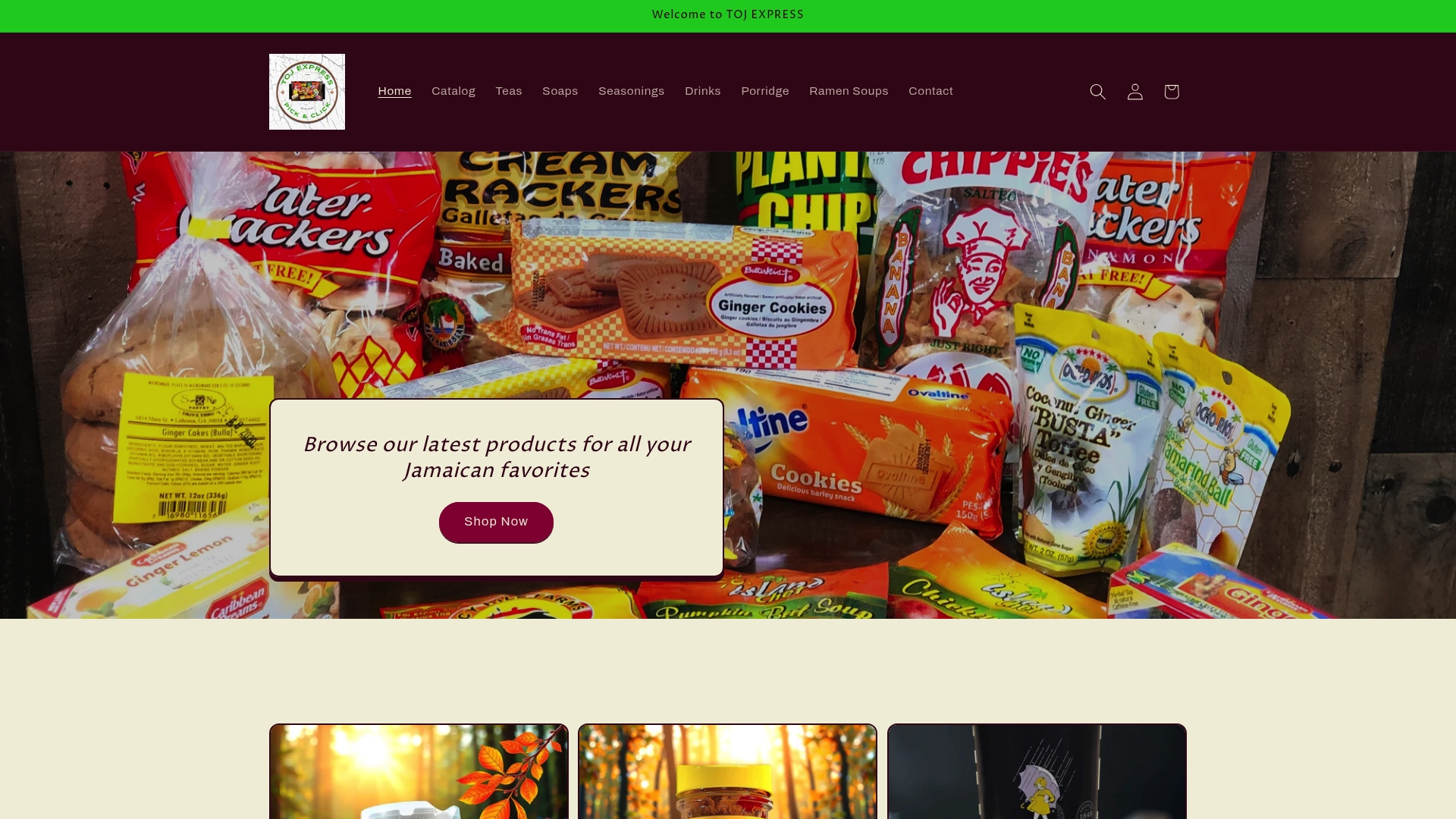
Tojexpress is a local Atlanta convenience store carrying American and Caribbean grocery products built for families who want quality and variety without driving across town. Whether you need everyday American staples or Caribbean ingredients like plantains, scotch bonnet peppers, or island seasonings, Tojexpress keeps them in one place. For Atlanta families building a weekly meal plan that includes Caribbean dishes, Tojexpress fills the gap that major chains leave open. Explore the full selection of American and Caribbean groceries at Tojexpress and find the ingredients your family’s meal plan actually calls for. You can also read more about frozen dinner options for nights when cooking from scratch is not realistic.
FAQ
How much does a family of four spend on groceries weekly in Atlanta?
With structured meal planning, a family of four can spend between $85 and $120 per week on groceries. Without a plan, that figure typically rises to $200 to $350.
What is the fastest way to organize a grocery list?
Group your list by store section: produce, dairy and protein, pantry, frozen, and condiments. This structure eliminates backtracking and can cut your shopping time by 15 to 20 minutes per trip.
Is online grocery ordering worth it for Atlanta families?
Online ordering saves time and reduces impulse purchases, making it a strong option for busy families. It works best for pantry staples and non-perishables, while in-store shopping gives you better control over fresh produce and meat quality.
Where can Atlanta families find Caribbean grocery products?
Local convenience stores and ethnic markets in Atlanta, including Tojexpress, carry Caribbean products like plantains, island seasonings, and specialty peppers at prices that major chains rarely match.
How do I reduce food waste when shopping for family meals?
Apply the two-meal rule: every fresh ingredient you buy should appear in at least two planned meals. If it does not, buy less of it or substitute a frozen version to avoid spoilage.