
Top benefits of American groceries for Atlanta shoppers
TOJEXPRESS.COM-Antonio HenryTL;DR:
- American supermarkets in Atlanta offer high nutritional quality and a wide variety of healthy foods.
- They provide convenient, reliable access with extended hours, online options, and integrated discounts.
- Combining American stores with local ethnic markets ensures both authenticity and affordability for diverse families.
Finding the right grocery store in Atlanta’s diverse suburbs is genuinely tricky. You want fresh produce for tonight’s dinner, a reliable source for lean proteins, and maybe a bottle of scotch bonnet sauce or a bag of plantain chips for the weekend. American grocery stores in Atlanta and its surrounding communities have quietly evolved into something more than just a place to grab milk and bread. They now offer a blend of nutritional quality, convenience, and cultural variety that makes them a strong anchor for any family’s weekly shopping routine. This article breaks down the real advantages so you can shop smarter.
Table of Contents
- Nutritional quality and healthy choices
- Convenience and reliable access for busy families
- Cultural diversity: International aisles and Caribbean products
- Convenience versus specialty: Making the most of both worlds
- Our take: How Atlanta families can shop smarter and eat better
- Need convenient access to your favorite American and Caribbean groceries?
- Frequently asked questions
Key Takeaways
| Point | Details |
|---|---|
| Superior nutrition | American grocery stores offer healthier food options and better nutrition scores than smaller stores or restaurants. |
| Unmatched convenience | Shoppers in Atlanta benefit from longer hours, more locations, and a wider range of products. |
| Cultural selection | International aisles at American groceries now stock an impressive variety of Caribbean staples. |
| Hybrid shopping smart | By combining American and ethnic groceries, consumers can enjoy the best mix of value, authenticity, and convenience. |
Nutritional quality and healthy choices
With the stakes for family health so high, nutrition is the best place to start. When you walk into a large American supermarket in Atlanta, you are looking at one of the most nutritionally rich shopping environments available to everyday consumers. The FOODAPS survey found that American grocery stores provide higher nutritional quality foods compared to smaller stores or restaurants, with 65% of U.S. household calories sourced from supermarkets showing better nutrition scores across the board. That is a significant edge over fast food, corner stores, or even some smaller specialty shops.
Larger Atlanta-area supermarkets stock an impressive range of fresh produce, lean meats, whole grains, and low-sodium pantry staples. Chains like Kroger, Publix, and Sprouts maintain consistent sourcing standards regulated by USDA guidelines, which means you are getting reliable quality week after week. Consistency matters, especially when you are feeding kids or managing a health condition.
Here are some healthy staples you will regularly find at Atlanta’s American grocery stores:
- Fresh vegetables and fruits: Collard greens, sweet potatoes, mangoes, and bell peppers
- Lean proteins: Chicken breast, ground turkey, canned tuna, and plant-based alternatives
- Whole grains: Brown rice, oats, whole wheat bread, and quinoa
- Low-sodium options: Reduced-sodium canned beans, broths, and sauces
- Dairy and alternatives: Greek yogurt, almond milk, and low-fat cheese
These are not exotic finds. They are everyday items that support a balanced diet for your whole family. And if you are curious about the variety and value of American groceries, the selection goes well beyond what most people expect.
Pro Tip: Download your store’s loyalty app before you shop. Most major Atlanta chains now include built-in nutrition filters that let you sort by calorie count, sodium level, or dietary label like gluten-free or organic. It takes about two minutes to set up and saves real time at the shelf.
The bottom line is that American supermarkets are not just convenient. They are genuinely built to support healthier eating, and that matters for Atlanta families trying to balance busy schedules with real nutritional goals.
Convenience and reliable access for busy families
After nutrition, convenience is often the deciding factor for suburban Atlanta shoppers. Time is short, and nobody wants to drive to three different stores just to get through the week. American grocery stores in the Atlanta metro area are built around the idea that your shopping trip should be fast, predictable, and complete.
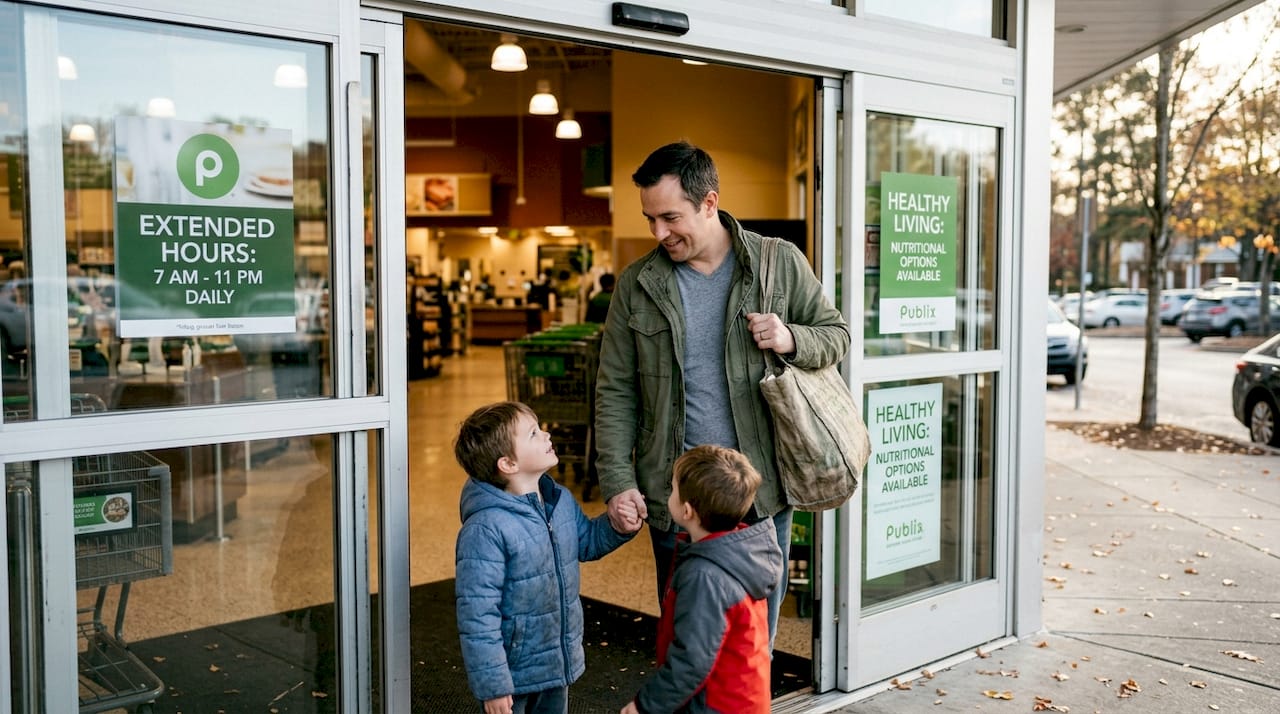
One major driver of that convenience is the global supply chain behind these stores. California alone supplies 50% of U.S. vegetables, and American supermarkets tap into international networks that keep shelves stocked year-round, including imported Caribbean items you might not expect to find at a big chain.
| Feature | American supermarkets | Local ethnic markets |
|---|---|---|
| Opening hours | Typically 6 a.m. to midnight or 24/7 | Often 9 a.m. to 7 p.m. |
| Location density | Multiple per suburb | Fewer, clustered in specific areas |
| Product variety | Thousands of SKUs including international | Focused on specific cultural products |
| Online ordering | Widely available with delivery | Limited or unavailable |
| Loyalty/rewards programs | Common | Rare |
Think about a parent in Marietta trying to pull together a weeknight pasta dinner and a Saturday jerk chicken cookout. At a well-stocked American supermarket, both are possible in one trip. The pasta, the garlic, the olive oil, and the jerk seasoning can all land in the same cart.
Here are some time-saving features that make American grocery stores work for busy families:
- Self-checkout lanes that cut wait times significantly
- Curbside pickup available same-day at most major chains
- Grocery delivery apps integrated directly with store inventory
- Digital coupons loaded straight to your loyalty card
- Pre-cut produce and meal kits for faster weeknight cooking
If you want to learn more about navigating Caribbean groceries in Atlanta alongside your regular supermarket run, it is easier than most people think. And for families already experimenting with blending American and Caribbean groceries, the savings and flavor payoff are real.
Cultural diversity: International aisles and Caribbean products
Availability matters, but cultural fit and authenticity are vital for many Atlanta families. The good news is that major American supermarkets have responded to Atlanta’s growing Caribbean and international population by expanding their ethnic food sections in a meaningful way.
Walk through a Kroger or Publix in DeKalb County or Gwinnett and you will likely find a dedicated international aisle stocked with items like Grace brand coconut milk, Walkerswood jerk seasoning, Caribbean-style hot sauces, and frozen patties. These are not token additions. They reflect real demand from a real customer base.
| Category | American grocery international aisle | Dedicated Caribbean market |
|---|---|---|
| Snacks and chips | Limited selection, major brands | Wide variety, local and imported |
| Sauces and seasonings | Popular brands available | Broader range, harder-to-find items |
| Frozen foods | Growing selection | More authentic options |
| Fresh produce (tropical) | Seasonal, inconsistent | More consistent and varied |
| Price | Moderate to high | Often lower for specialty items |
The global supply chain access that powers American supermarkets means Caribbean products are increasingly available year-round, not just during cultural holidays. That is a genuine shift from even five years ago.
Here are some Caribbean staples you can now find at major Atlanta chains:
- Scotch bonnet peppers and Caribbean hot sauces
- Plantains (green and ripe)
- Coconut milk and coconut water
- Jerk seasoning and curry powder blends
- Jamaican beef patties (frozen section)
- Sofrito and recaito cooking bases
For a deeper look at the full Caribbean snacks selection available to Atlanta shoppers, or to explore the advantages of Caribbean foods for your family’s diet, there is more to discover than most people realize. And if frozen meals are your thing, check out the growing range of Caribbean frozen food options that make weeknight cooking faster without sacrificing flavor.
The smart strategy here is not either/or. American stores cover the basics and then some. Specialty markets fill the gaps.
Convenience versus specialty: Making the most of both worlds
Now that you understand what both store types offer, here is how to balance them for the best results. The reality is that neither American supermarkets nor local Caribbean groceries are perfect on their own. Each has real strengths and real limits.
American grocery stores: Pros and cons
- Pro: Widely located across Atlanta suburbs, open long hours
- Pro: Consistent stock, SNAP-integrated payment, loyalty rewards
- Pro: Broad product range including growing Caribbean sections
- Con: International items can be pricier than at specialty stores
- Con: Authenticity gaps for niche cultural products
Local Caribbean markets: Pros and cons
- Pro: Authentic products, often lower prices on produce and spices
- Pro: Staff who understand your cultural cooking needs
- Con: Shorter hours and fewer locations in the suburbs
- Con: Limited stock variety outside their specialty
Local Caribbean markets in areas like Snellville, Decatur, and Marietta offer genuine authenticity, but American supermarkets provide superior convenience and hybrid access that ethnic markets simply cannot match on scale.
“The smartest shoppers do not choose one store over the other. They use American supermarkets for reliability, fresh staples, and convenience, then hit the ethnic market once or twice a month for bulk spices, specialty produce, and cultural authenticity. That combination beats any single-store strategy.”
For SNAP and low-income households, the math matters. American supermarkets integrate SNAP payments seamlessly and offer digital coupons that stretch your dollar further. But ethnic markets can save you 30 to 50% on bulk spices and fresh produce, which adds up fast if you cook from scratch regularly.
Pro Tip: Use your American supermarket’s digital app to clip coupons before your main weekly shop, then plan a monthly trip to your nearest Caribbean market for bulk spice buys and specialty items. You will cut costs and keep your cooking authentic without doubling your shopping time.
If you want to dig into the authenticity of Caribbean groceries or get specific shopping tips for Atlanta Caribbean groceries, both resources will help you sharpen your strategy.
Our take: How Atlanta families can shop smarter and eat better
Here is something most grocery advice gets wrong: it treats this as a competition. American store versus Caribbean market. Convenient versus authentic. The reality is that framing misses the point entirely.
The families we see thriving are the ones who stopped picking sides. They use American supermarkets as their weekly foundation, leaning on the nutrition standards, the reliable hours, and the growing international aisles. Then they treat specialty Caribbean markets as a monthly ritual, not a replacement. That combination gives you the best of both without the stress of either.
What we also notice is that hybrid delivery options are changing the game fast. You can now order authentic Caribbean products online and have them at your door alongside your regular American grocery haul. That flexibility was not available even two years ago, and it is only getting better.
The families who miss out are the ones locked into an all-or-nothing mindset. They either shop exclusively at the big chain and feel like something is missing, or they drive across town to the specialty market every week and burn time they do not have. Neither extreme works long-term.
For shopping local for Caribbean goods while keeping your weekly routine efficient, a little planning goes a long way. Map your store visits around holiday needs and stock up strategically.
Need convenient access to your favorite American and Caribbean groceries?
If you are tired of splitting your shopping between multiple stores just to get everything your family needs, there is a simpler way to handle it.
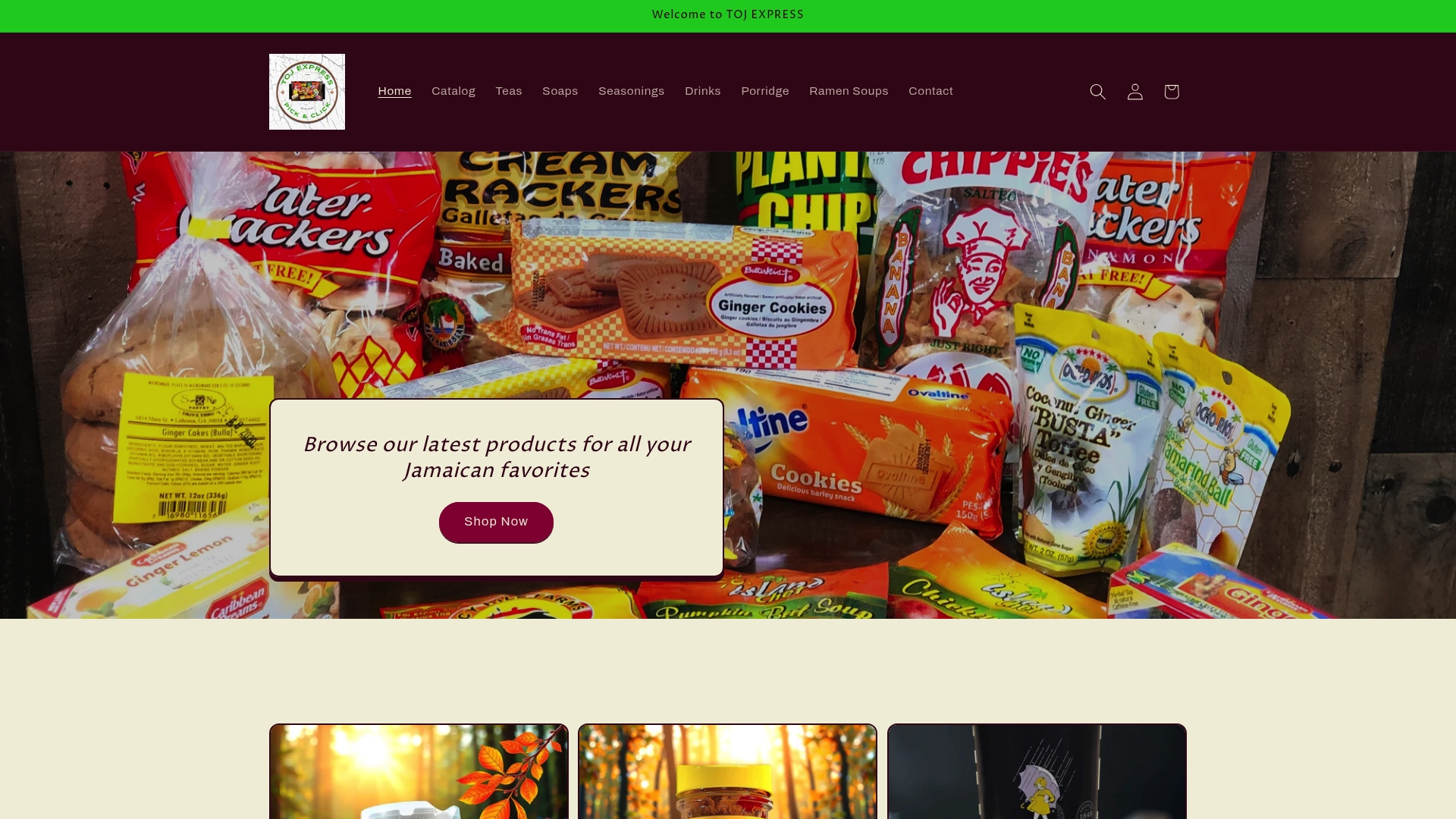
At TOJ Express, we bring both American and Caribbean grocery staples together in one easy online cart, so Atlanta-area shoppers do not have to choose between convenience and authenticity. Whether you need everyday pantry staples or hard-to-find Caribbean products, we have you covered with delivery and pickup options built for busy suburban families. Skip the extra trips, save your time, and get exactly what you need without compromise. Visit TOJ Express to browse our full selection and place your first order today. The best of both grocery worlds, right at your door.
Frequently asked questions
How do American groceries compare nutritionally to restaurants or convenience stores?
American supermarkets provide higher nutritional quality foods, with 65% of U.S. household calories coming from them and consistently better nutrition scores than restaurants or corner stores.
What makes American groceries in Atlanta more convenient than local ethnic markets?
They offer widespread suburban locations, extended hours, and reliable stock year-round. American supermarkets provide superior convenience and hybrid access that smaller ethnic markets cannot match at scale.
Can American groceries meet the needs of Atlanta’s Caribbean community?
Most major supermarkets now carry robust Caribbean aisles with snacks, spices, sauces, and frozen goods, supported by global supply chain access, though specialty shops still lead for niche or ultra-authentic items.
Are American groceries more affordable for SNAP or low-income shoppers?
American supermarkets integrate SNAP payments and digital coupons to help stretch budgets, but ethnic markets save 30 to 50% on bulk spices and fresh produce, making a combined approach the smartest financial move.