

How to store Caribbean products for lasting freshness
TOJEXPRESS.COM-Antonio HenryWatching your fresh plantains turn black overnight or your cassava sprouting mold within days is frustrating and expensive. Georgia’s humid climate accelerates Caribbean product spoilage, but proper storage methods can extend freshness by weeks. This guide reveals practical techniques to control temperature, humidity, and ethylene gas, helping you preserve flavor and quality while reducing waste by up to 40%.
Table of Contents
- Introduction And What You Need Before You Start
- Handling And Preparing Caribbean Produce Properly
- Ethylene Gas Management For Tropical Fruits
- Storing Caribbean Pantry Staples And Seasonings
- Storing Caribbean Root Vegetables And Fruits
- Common Mistakes And Troubleshooting
- Expected Outcomes And Monitoring Success
- Shop Caribbean Groceries With TOJ EXPRESS For Freshness And Quality
Key takeaways
| Point | Details |
|---|---|
| Separate ethylene producers | Isolating bananas and avocados from other produce extends shelf life by 30-50%. |
| Use airtight containers with bay leaves | Keeps pantry staples fresh longer while deterring pests and mold naturally. |
| Control humidity carefully | Prevents slime and mold on tropical produce, adding up to 2 days freshness. |
| Label and organize strategically | Proper inventory tracking reduces spoilage by up to 40% through better rotation. |
| Refrigerate ripe avocados in water | Submerging in sealed containers adds 3-5 days of freshness by slowing oxidation. |
Introduction and what you need before you start
Storing Caribbean products successfully requires understanding three critical factors: temperature, humidity, and ethylene gas. Access to clean, cool storage areas and airtight containers is critical for effective storage, especially in Georgia’s humid environment where tropical produce faces unique challenges.
Before diving into specific storage methods, gather these essential tools:
- Airtight glass or plastic containers in various sizes
- Clean, dry cotton cloths or paper towels
- Opaque storage containers for spices and dry goods
- Refrigerator space dedicated to produce
- Ventilated baskets or bins for counter storage
- Bay leaves for natural pest control
- Labels and markers for inventory tracking
Tropical produce behaves differently than typical North American fruits and vegetables. Many Caribbean items are highly sensitive to temperature fluctuations, excess moisture, and ethylene gas. Understanding these sensitivities helps you create optimal storage conditions that mirror the natural environments where these foods thrive.
Pro Tip: Set up storage zones in your kitchen: a cool, dry pantry area for staples and spices, a dedicated produce drawer in your refrigerator, and a ventilated counter space for items that need room temperature storage. This organization prevents cross-contamination and makes it easier to monitor freshness.
Handling and preparing Caribbean produce properly
Proper handling begins the moment you bring Caribbean products home. The way you prepare items for storage directly impacts how long they stay fresh and flavorful.
Applying lime juice on cut avocados can slow browning by up to 48 hours compared to untreated surfaces. This simple acid barrier prevents oxidation without affecting taste. The same technique works for cut apples, breadfruit, and other fruits prone to discoloration. Simply brush a thin layer of fresh citrus juice on exposed flesh before wrapping or storing.
Washing produce only before use prevents excess moisture that speeds spoilage, a critical rule for tropical items. Many Caribbean fruits and vegetables have delicate skins that trap water, creating ideal conditions for mold growth. Store unwashed produce in clean, dry containers and rinse only when you’re ready to cook or eat.
For items like mushrooms, okra, and leafy greens, humidity control prevents sliminess and extends freshness by up to 2 days. Wrap these vegetables loosely in paper towels before placing them in ventilated containers or perforated plastic bags. The paper absorbs excess moisture while allowing air circulation.
- Remove produce from plastic bags immediately after shopping
- Inspect items for bruising or damage before storage
- Keep cut surfaces covered with citrus juice or plastic wrap
- Store damaged items separately and use them first
- Allow hot items to cool completely before refrigerating
Pro Tip: When shopping for Atlanta Caribbean groceries, choose firm, unblemished produce and transport it in insulated bags during hot weather. The less temperature stress your items experience during transport, the longer they’ll last at home.
Ethylene gas management for tropical fruits
Ethylene gas is a natural plant hormone that triggers ripening and can accelerate decay when concentrated around sensitive produce. Managing this invisible threat is essential for extending Caribbean product shelf life.
Separating ethylene-producing fruits extends produce life by 30-50% because it prevents the gas from accumulating around ethylene-sensitive items. Bananas, avocados, and apples are heavy ethylene producers that can turn nearby vegetables limp and spoiled within days if stored together.
Create physical separation between these categories in your storage areas. Keep high ethylene producers on a dedicated counter space or in a separate refrigerator drawer from vegetables and non-climacteric fruits. This simple organization prevents premature ripening and extends the usable life of your entire produce inventory.
Refrigerating ripe avocados submerged in water can add 3-5 days to their shelf life by limiting oxygen exposure and slowing enzymatic browning. Place whole, ripe avocados in a sealed container completely covered with cool water. This method works because it creates a barrier that prevents both ethylene gas release and oxidation.
Citrus fruits present a unique challenge in Caribbean storage. Separating citrus fruits reduces mold transfer and spoilage by 15-25% because mold spores spread easily through contact. Store individual limes, lemons, and oranges with space between them in ventilated containers.
| Produce Type | Ethylene Production | Ethylene Sensitivity | Storage Strategy |
|---|---|---|---|
| Bananas | High | Low | Store separately, hang to ripen evenly |
| Avocados | High | Low | Keep away from vegetables, submerge ripe ones in water |
| Mangoes | Medium | Medium | Ripen at room temp, then refrigerate |
| Plantains | Medium | Low | Hang or store in ventilated basket away from vegetables |
| Leafy greens | None | High | Keep far from ethylene producers, wrap in paper towels |
| Cassava | None | High | Store in cool, dry place away from fruits |
Pro Tip: Use the ripeness staging method when shopping Caribbean groceries Atlanta style. Buy some items ripe for immediate use and others underripe for later in the week. Store the underripe items separately to control their ripening speed and ensure you always have fresh options available. Check out these Caribbean grocery shopping tips Atlanta focused guides for more selection strategies.
Storing Caribbean pantry staples and seasonings
Dry goods and spices form the foundation of Caribbean cooking, but humid Georgia weather threatens their quality and shelf life. Proper pantry storage protects these essential ingredients from moisture, pests, and flavor loss.
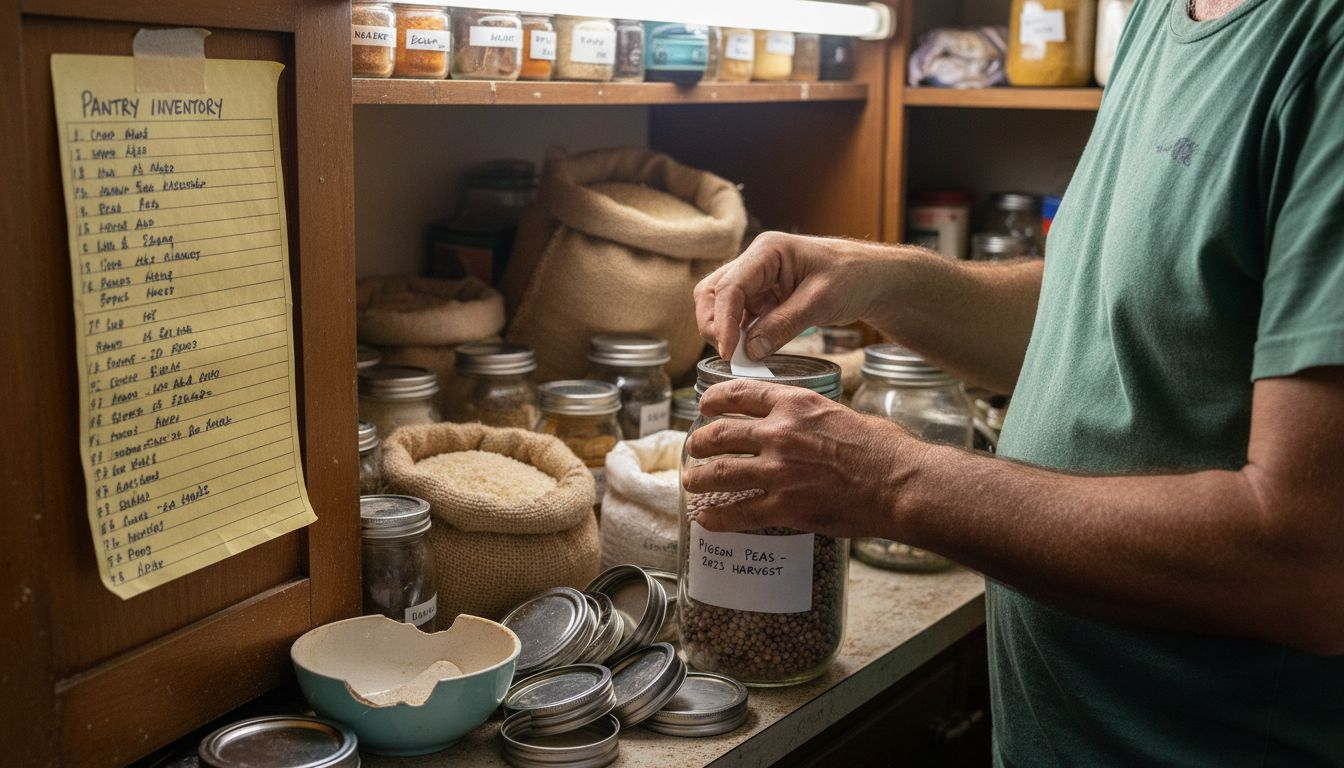
Using airtight containers with bay leaves deters bugs and mold, extending staple life by up to 3 months in challenging climates. Transfer rice, flour, cornmeal, and dried beans from their original packaging into glass or heavy plastic containers with tight-sealing lids. Add two to three dried bay leaves to each container as a natural insect repellent.
Spices and dried seasonings lose potency when exposed to heat, light, and humidity. Store jars in opaque containers or dark cabinets away from the stove and windows. Whole spices maintain flavor longer than ground versions, so consider buying whole allspice, cloves, and peppercorns to grind as needed.
Wet seasonings like green seasoning, sofrito, and pepper sauces require different handling. Refrigerate wet seasoning blends to preserve freshness up to 2 weeks in sealed containers. Pour a thin layer of oil on top of herb-based blends to create an oxygen barrier that prevents oxidation and browning.
- Store opened packages of packaged Caribbean foods in sealed containers
- Label containers with purchase or opening dates for rotation
- Keep baking powder and cornstarch away from strong-smelling spices
- Freeze excess fresh herbs in oil or water in ice cube trays
- Store cooking oils in cool, dark locations to prevent rancidity
Pro Tip: Create a spice inventory list and tape it inside your pantry door. Check off items as you use them and note when you need replacements. This system prevents buying duplicates and ensures you rotate stock properly. For prepared items, explore Caribbean frozen foods examples that offer convenient storage solutions.
Storing Caribbean root vegetables and fruits
Root vegetables and tropical fruits require specialized storage approaches that balance temperature, humidity, and ventilation needs. These items form staples of Caribbean cuisine and deserve careful handling to maximize their shelf life.
Tomatoes present a common storage dilemma. Avoid refrigerating tomatoes to maintain flavor, as cold temperatures destroy the volatile compounds responsible for their taste. Store them stem side down at room temperature away from direct sunlight. This position prevents moisture from entering through the stem scar and extends shelf life to four to five days.
Separating citrus fruits from others lowers mold and spoilage losses by 15-25% through reduced contact and cross-contamination. Store limes, lemons, and oranges in a single layer in ventilated produce drawers or on counter surfaces with space between each fruit.
| Root Vegetable | Storage Location | Temperature | Expected Shelf Life |
|---|---|---|---|
| Cassava (whole) | Cool, dry pantry | 60-70°F | 2-3 weeks |
| Yams | Dark cabinet or basket | 55-60°F | 3-4 weeks |
| Sweet potatoes | Ventilated container | 55-60°F | 2-3 weeks |
| Dasheen (taro) | Cool, dry location | 60-70°F | 1-2 weeks |
| Ginger root | Refrigerator crisper | 35-40°F | 3-4 weeks |
Pro Tip: Never store potatoes, yams, or sweet potatoes in the refrigerator. Cold temperatures convert their starches to sugars, creating unpleasant sweetness and altering cooking properties. Keep these roots in breathable bags or baskets in the coolest part of your kitchen.
Common mistakes and troubleshooting
Even with good intentions, storage mistakes happen. Recognizing common errors and knowing how to fix them prevents waste and keeps your Caribbean products fresh longer.
Mixing ethylene-producing fruits with sensitive produce accelerates spoilage and increases losses by 20-30% because the concentrated gas overwhelms natural resistance mechanisms. The fix is simple: create dedicated zones for high ethylene items like bananas and avocados, keeping them physically separated from vegetables and ethylene-sensitive fruits.
Using cardboard packaging in humid climates promotes mold, and poor ventilation worsens spoilage by trapping moisture against produce surfaces. Transfer items from cardboard boxes to breathable baskets or perforated plastic containers immediately after shopping. Ensure storage areas have adequate air circulation to prevent moisture buildup.
Common storage mistakes include:
- Overcrowding refrigerator drawers, which restricts airflow
- Storing washed produce without drying it first
- Keeping damaged items mixed with fresh ones
- Placing hot leftovers directly in sealed containers
- Ignoring use-by dates on perishable items
- Using the same storage method for all produce types
When you notice early signs of spoilage like soft spots, off odors, or surface moisture, act immediately. Remove affected items from storage containers, inspect neighboring products for damage, and clean storage areas with diluted vinegar solution. Sometimes salvaging partially damaged produce by cutting away affected areas and using the rest right away can prevent total loss.
Proper storage isn’t just about extending shelf life. It’s about maintaining the authentic flavors and textures that make Caribbean products special. Every day you preserve freshness is a day you can enjoy genuine Caribbean taste.
Pro Tip: Conduct weekly produce audits. Spend five minutes checking stored items for signs of spoilage, rotating older stock to the front, and adjusting storage methods as needed. This proactive approach catches problems early and significantly reduces waste.
Expected outcomes and monitoring success
Implementing proper storage methods delivers measurable improvements in freshness and shelf life. Understanding realistic expectations helps you track success and refine your techniques over time.
Proper storage extends ripe avocado shelf life by 3-5 days when using the water submersion method in the refrigerator. For pantry staples stored in airtight containers with bay leaves, expect shelf life extensions of two to three months compared to original packaging.
Organized storage systems decrease produce spoilage by up to 40% through better inventory visibility and rotation. When you can see what you have and track purchase dates, you naturally use items before they spoil. This organization pays for itself through reduced waste and fewer emergency shopping trips.
Separating citrus fruits prevents 15-25% of spoilage losses by limiting mold transfer between touching surfaces. Combined with proper temperature and humidity control, this separation technique significantly extends the usable life of your citrus inventory.
| Storage Method | Target Product | Shelf Life Extension | Success Indicators |
|---|---|---|---|
| Water submersion | Ripe avocados | 3-5 days | Firm texture, no browning |
| Airtight containers with bay leaves | Rice, flour, spices | 2-3 months | No pests, maintained aroma |
| Ethylene separation | Mixed produce | 30-50% longer | Crisp vegetables, slower ripening |
| Paper towel wrapping | Leafy greens, okra | 2 extra days | No slime, vibrant color |
| Room temp citrus separation | Limes, lemons, oranges | 15-25% reduction in loss | No mold, firm skin |
Monitor success by tracking how often you discard spoiled food. Keep a simple log for two weeks noting what spoils and why. After implementing these storage methods, repeat the tracking exercise. Most households see dramatic reductions in waste within the first month.
Watch for these positive indicators: produce maintains vibrant colors, fruits ripen at controlled rates, pantry staples pour freely without clumping, and spices retain strong aromas. These signs confirm your storage system is working effectively.
Shop Caribbean groceries with TOJ EXPRESS for freshness and quality
Now that you understand proper storage techniques, sourcing quality Caribbean products becomes your next priority. TOJ EXPRESS specializes in authentic Caribbean groceries and American products, offering the freshness and variety you need to build a well-stocked kitchen.

Our general grocery collection features storage-friendly packaging options designed for Georgia’s climate. From pantry staples to fresh produce selections, we carefully curate products that maintain quality during shipping and storage. Browse our inventory to find authentic ingredients that respond well to the storage methods outlined in this guide.
Need help selecting the right products for your storage system? Our comprehensive Caribbean grocery shopping tips Atlanta guide walks you through choosing items based on ripeness, packaging quality, and storage potential. We understand the unique challenges of maintaining Caribbean product freshness in humid Southern climates.
FAQ
How long can I store ripe avocados using these methods?
Refrigerating ripe avocados submerged in water extends their freshness by 3-5 days. This method slows oxidation and halts the ripening process without affecting flavor. Keep avocados completely submerged in a sealed container, changing the water daily for best results.
Why should I separate ethylene-producing fruits from others?
Ethylene gas naturally triggers ripening in nearby produce, speeding decay of sensitive items like leafy greens and root vegetables. Storing ethylene-producing fruits separately can extend other produce freshness by up to 50%. This separation prevents premature spoilage and significantly reduces food waste.
Can I store tomatoes in the refrigerator to keep them fresh?
Refrigerating tomatoes causes flavor loss and creates a mealy texture; store at room temperature. Cold temperatures destroy the volatile compounds responsible for tomato flavor and aroma. Keep them stem side down on the counter away from direct sunlight for optimal taste and four to five day shelf life.
What are the best containers for storing Caribbean spices and staples?
Airtight, opaque containers with bay leaves deter bugs and keep staples fresh longer. Glass or heavy plastic containers with tight sealing lids protect against humidity while bay leaves provide natural pest control. Store these containers in cool, dark locations away from heat sources and direct sunlight for maximum shelf life extension.