

Caribbean Products: 35% Flavor Boost & Culture 2026
TOJEXPRESS.COM-Antonio HenryMany home cooks assume American spices can replicate Caribbean flavors, but 70% report flavor dissatisfaction with these substitutions. This misconception robs dishes of authentic taste and cultural depth. Authentic Caribbean products bring irreplaceable complexity to cooking while strengthening heritage connections for diaspora communities in Georgia. This article guides you through identifying genuine Caribbean ingredients, sourcing them locally, and using them to enhance both your meals and cultural experience.
Table of Contents
- Introduction To Caribbean Products And Their Cultural Significance
- Key Authentic Caribbean Ingredients And Their Culinary Roles
- Common Misconceptions About Caribbean Products
- Where And How To Source Authentic Caribbean Products Locally In Georgia
- Impact Of Authentic Caribbean Products On Cooking And Cultural Experience
- Practical Tips For Using Caribbean Products In Everyday Cooking
- Summary And Cultural Appreciation Call To Action
- Explore Authentic Caribbean Products At TOJ EXPRESS
- Frequently Asked Questions
Key Takeaways
| Point | Details |
|---|---|
| Flavor Enhancement | Authentic Caribbean products increase flavor complexity by up to 40% compared to substitutes. |
| Consumer Satisfaction | 70% of home cooks feel dissatisfied when substituting American spices for Caribbean ones. |
| Market Growth | Sales of authentic Caribbean products grew 35% over five years in U.S. diaspora communities. |
| Retail Innovation | Convenience stores blending Caribbean and American goods improve accessibility and customer retention by 25%. |
| Cultural Connection | Using genuine ingredients reinforces heritage identity and strengthens community bonds. |
Introduction to Caribbean Products and Their Cultural Significance
Caribbean products encompass a vibrant array of ingredients central to the region’s culinary traditions. These include signature spices like Scotch bonnet peppers and allspice, starchy root vegetables such as yam and dasheen, tropical fruits like plantains and soursop, and specialty items like cassava flour. Each ingredient carries stories, techniques, and flavors passed down through generations.
For Caribbean diaspora communities in Georgia, these products represent more than ingredients. They serve as edible connections to homeland, family recipes, and cultural identity. When you cook with authentic Caribbean staples, you participate in a living tradition that spans islands and generations. The aromas, textures, and tastes transport you beyond your kitchen.
Georgia’s growing Caribbean population has created demand for authentic products that honor culinary heritage. Multicultural convenience stores now bridge this need by curating both American staples and Caribbean specialties. This blend recognizes that diaspora consumers navigate multiple food cultures daily. You might need milk and bread alongside breadfruit and callaloo.
The diversity within Caribbean cuisine itself reflects African, Indigenous, Indian, Chinese, and European influences. Jamaican jerk differs from Trinidadian curry, which differs from Puerto Rican sofrito. Understanding these nuances helps you appreciate why Caribbean products are trending and why authenticity matters in preserving distinct island traditions.
- Scotch bonnet peppers deliver signature heat and fruity aroma to jerk marinades and pepper sauces
- Root vegetables like cassava and taro provide hearty texture for soups, stews, and side dishes
- Tropical fruits such as ackee and breadfruit anchor traditional breakfast and main courses
- Specialty spices like pimento (allspice) and Caribbean curry blends define regional flavor profiles
Key Authentic Caribbean Ingredients and Their Culinary Roles
Scotch bonnet peppers exemplify why substitutions fall short. These peppers deliver intense heat (100,000 to 350,000 Scoville units) paired with a distinctive fruity, almost floral aroma. American jalapeños or serranos provide heat but lack this aromatic complexity. When you swap Scotch bonnets for common American peppers, jerk chicken loses its defining character.
Caribbean root vegetables occupy a different nutritional and textural space than American potatoes or sweet potatoes. Yam (not the orange sweet potato Americans call yam) offers dense, starchy flesh that holds up in long braises. Dasheen (taro root) brings earthy flavor and creamy texture to callaloo and other traditional dishes. Using authentic Caribbean products increases flavor complexity by up to 40% compared to substitutes.
| Ingredient | American Substitute | Key Difference |
|---|---|---|
| Scotch Bonnet Pepper | Jalapeño/Habanero | Fruity aroma vs. simple heat profile |
| True Yam | Sweet Potato | Dense, dry texture vs. moist, sweet flesh |
| Dasheen/Taro | Potato | Earthy, nutty flavor vs. neutral starch |
| Allspice (Pimento) | Mixed Spice Blend | Single berry vs. artificial combination |
| Caribbean Curry Powder | Standard Curry | Turmeric emphasis vs. balanced heat |
Authentic spices transform cooking methods and final dishes. Caribbean curry powder emphasizes turmeric and contains different heat levels than Indian or standard American curry blends. This affects color, flavor development, and how the spice interacts with coconut milk in curries. Allspice berries ground fresh release volatile oils that pre-ground American versions lose during storage.
These distinctions matter because Caribbean cooking techniques evolved around specific ingredients. Slow cooking oxtail with Scotch bonnet and pimento creates layers of flavor that rapid cooking with substitutes cannot replicate. The ingredients and methods form an integrated system. When you understand why Caribbean spices matter, you appreciate why authenticity elevates your cooking.
- Fresh Scotch bonnet peppers contain volatile compounds that dried or substitute peppers lack
- Caribbean thyme (Spanish thyme) has a more pungent, earthy flavor than common garden thyme
- Green seasoning blends fresh herbs in ways that dried American herb mixes cannot duplicate
- Cassava flour behaves differently than wheat flour in Caribbean baking and frying applications
Pro Tip: Buy whole allspice berries and grind them fresh for maximum flavor. The difference in aroma and taste between fresh ground and pre-ground allspice is dramatic, especially in jerk marinades and pimento dram.
Common Misconceptions About Caribbean Products
The belief that American spices can fully substitute Caribbean ones persists despite clear flavor differences. This misconception stems from limited exposure to authentic Caribbean cooking and marketing that suggests all peppers or all root vegetables are interchangeable. 70% of surveyed home cooks reported flavor dissatisfaction when substituting authentic Caribbean spices, yet many continue these substitutions due to access challenges.
Another widespread misunderstanding assumes Caribbean ingredients are exotic luxuries available only in specialty stores or during limited seasons. While some items do have seasonal availability, many staples like yams, plantains, and key spices are stocked year round in stores serving Caribbean communities. The real issue is knowing where to look and how to identify authentic products among similar looking alternatives.
Using generic root vegetables in place of specific Caribbean varieties compromises both texture and flavor in traditional dishes. A potato will not provide the same starchy body as true yam in a soup. Sweet potato cannot replicate cassava’s unique texture in bammy or cassava pone. These substitutions might fill your stomach but miss the cultural and sensory experience that authentic ingredients deliver.
-
Spice Substitution Myth: Believing cayenne or paprika can replace Scotch bonnet ignores the pepper’s fruity complexity and cultural significance. Heat level is only one dimension of flavor.
-
Availability Assumption: Thinking Caribbean products are rare or seasonal overlooks the growing number of convenience stores and markets catering to diaspora communities with consistent inventory.
-
Texture Interchangeability: Assuming all root vegetables perform similarly in Caribbean recipes ignores how traditional cooking methods depend on specific starch structures and moisture content.
-
Flavor Profile Confusion: Expecting standard curry powder to work in Caribbean curry dishes misses the distinct spice ratios that define island cooking versus other regional cuisines.
These common misconceptions about Caribbean spices prevent home cooks from achieving authentic results. Once you recognize these myths, you can seek proper ingredients and techniques. The flavor payoff justifies the effort to source genuine products.
Where and How to Source Authentic Caribbean Products Locally in Georgia
Multicultural convenience stores have emerged as reliable sources for Caribbean products across Georgia. These businesses recognize that diaspora consumers need both everyday American items and cultural staples. Stores offering mixed American and Caribbean products report 25% higher customer retention compared to single culture focused outlets. This model works because it matches how diaspora families actually shop and eat.
Georgia’s Caribbean population concentrations in metro Atlanta, particularly areas like Stone Mountain, Clarkston, and parts of DeKalb County, support dedicated Caribbean sections within convenience stores. These sections stock fresh produce like plantains and callaloo alongside shelf stable items like coconut milk, hot sauces, and spice blends. Knowing how to shop Caribbean groceries in Georgia helps you navigate these spaces efficiently.
When shopping in mixed inventory stores, look for product labels indicating Caribbean origin or brand names familiar within Caribbean communities. Grace, Walkerswood, Chief, and Eaton’s are established Caribbean brands. Check produce for proper names: “true yam” not “sweet potato,” “Scotch bonnet” not generic “hot pepper.” Ask staff for guidance, as many multicultural convenience stores employ Caribbean community members who can direct you to authentic products.
Online options have expanded for Georgia consumers seeking Caribbean products. Several multicultural convenience stores now offer delivery or pickup, solving the access problem for those in areas with fewer Caribbean retail options. This approach works well for shelf stable items, though fresh produce quality depends on handling and delivery speed.
- Visit stores during weekdays when fresh produce shipments typically arrive for best selection
- Build relationships with store staff who can notify you when specialty items come in stock
- Compare prices across stores as Caribbean product pricing varies based on sourcing and community demand
- Check ethnic food aisles in larger American supermarkets for limited Caribbean selections if dedicated stores are far
Pro Tip: Learn to identify Caribbean products by package design and brand logos rather than just product names. Many authentic items have distinctive labels that become familiar once you know what to look for. This visual recognition speeds up shopping in stores with mixed inventories.
Developing a sourcing strategy helps you maintain authentic ingredient access. Identify two or three reliable stores, learn their restock schedules, and find authentic Caribbean products systematically rather than hunting randomly. This approach ensures you always have core ingredients on hand.
Impact of Authentic Caribbean Products on Cooking and Cultural Experience
Flavor complexity increases measurably when you use authentic Caribbean ingredients. Authentic ingredients boost flavor complexity by up to 40% compared to substitutes, according to food science research. This enhancement comes from the unique compounds, volatile oils, and balanced flavor profiles that genuine products deliver. Your palate detects these differences even when you cannot articulate them technically.
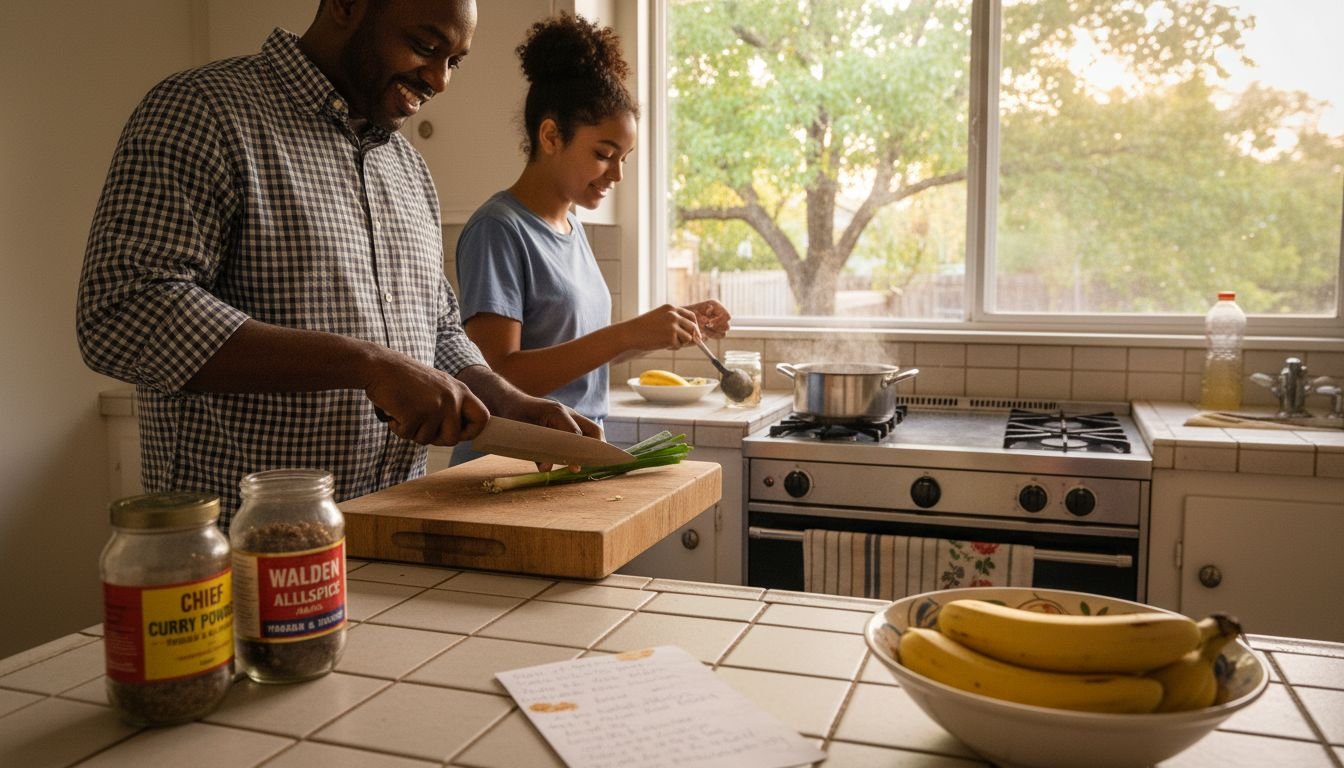
Beyond taste, authentic products reinforce cultural identity for Caribbean diaspora families. Cooking with the same ingredients your grandmother used connects you to family history and island heritage. Children growing up in Georgia who eat dishes made with authentic Caribbean products maintain cultural links that substitutes cannot provide. Food becomes a teaching tool and an identity anchor.
Community bonds strengthen around authentic food experiences. When Caribbean families gather over meals prepared with genuine ingredients, they share more than food. They exchange stories, preserve traditions, and create new memories rooted in cultural continuity. These gatherings affirm belonging and combat the cultural dilution that diaspora life can impose.
| Metric | Impact |
|---|---|
| Flavor Complexity Increase | Up to 40% vs. substitutes |
| Market Growth (5 years) | 35% sales increase |
| Customer Retention Boost | 25% in stores with mixed inventory |
| Consumer Satisfaction | 70% dissatisfied with substitutions |
“Cooking with authentic Caribbean ingredients is not just about taste. It is about maintaining who we are and passing that identity to our children. Every dish tells our story.” – Community member, Caribbean Foodways Project
Demand for authentic Caribbean ingredients in U.S. diaspora communities grew 35% over five years, reflecting rising cultural pride and second generation interest in heritage foods. This growth signals that consumers value authenticity and will seek out genuine products when available. The market responds to cultural needs, not just economic factors.
The benefits of authentic Caribbean products extend beyond individual cooking to shape broader food culture in Georgia. As more consumers demand and use authentic ingredients, restaurants improve their offerings, stores expand their selections, and culinary knowledge spreads. This positive cycle elevates everyone’s food experience.
Tracking Caribbean product sales growth shows sustained interest rather than a passing trend. Diaspora communities increasingly prioritize cultural authenticity in their food choices, driving long term market changes. This pattern suggests that authentic Caribbean products will become more accessible and mainstream over time.
Practical Tips for Using Caribbean Products in Everyday Cooking
Selecting fresh Caribbean spices and produce requires attention to specific quality markers. For Scotch bonnet peppers, look for firm, glossy skin without soft spots. The pepper should feel heavy for its size. Fresh thyme bundles should have vibrant green leaves without yellowing or wilting. Root vegetables like yam should feel hard with no give when pressed, indicating proper starch content.
Storage practices determine how long your ingredients maintain peak flavor. Scotch bonnet peppers freeze well whole, preserving their heat and aroma for months. Wrap them individually before freezing to prevent cross contamination. Store dried spices like allspice and Caribbean curry powder in airtight containers away from light and heat. These precautions prevent volatile oil loss that diminishes flavor.
Caribbean cooking methods optimize authentic flavor extraction. Slow cooking techniques allow complex flavors to develop and meld. Jerk marinade benefits from overnight refrigeration, giving spices time to penetrate meat. Curries need initial high heat to bloom spices in oil before adding liquids. Understanding these methods helps you maximize your authentic ingredients.
-
Select by Touch and Smell: Fresh Caribbean produce should feel firm and smell fragrant. Plantains ripen from green to yellow to black, each stage suited to different dishes.
-
Store Strategically: Keep root vegetables in cool, dark places but not refrigerated. Refrigeration can alter their starch structure and texture.
-
Prep Efficiently: Many Caribbean recipes start with blended green seasoning (herbs, peppers, aromatics). Make large batches and freeze in portions for quick cooking.
-
Layer Flavors: Add whole spices early for background notes, ground spices mid cooking for intensity, and fresh herbs at the end for brightness.
-
Start Simple: Try rice and peas with authentic ingredients before tackling complex dishes. This builds confidence and familiarity with Caribbean flavors.
Pro Tip: Make a basic Caribbean green seasoning paste with blended scallions, garlic, thyme, and Scotch bonnet. Freeze in ice cube trays for convenient portions that add instant authentic flavor to any dish. One or two cubes transform chicken, fish, or vegetable preparations.
Beginners can start with accessible dishes that showcase authentic ingredients without complex techniques. Rice and peas (actually rice and beans) highlights coconut milk, thyme, and Scotch bonnet in a straightforward preparation. Fried plantains require only ripe plantains and oil but deliver impressive flavor. Jerk chicken marinade takes minutes to blend but creates dramatic taste.
Summary and Cultural Appreciation Call to Action
Authentic Caribbean products stand as pillars of flavor complexity and cultural heritage. They transform ordinary cooking into extraordinary experiences that connect you to island traditions and diaspora community. No substitute fully replicates the taste, aroma, and cultural significance that genuine ingredients provide. The 40% flavor enhancement and 35% market growth reflect real consumer experiences and sustained cultural value.
Supporting multicultural convenience stores that curate Caribbean and American products enriches your community beyond personal benefit. These businesses create cultural spaces, provide employment, and validate diaspora identities through commercial recognition. Your purchases help sustain these vital community resources. When stores see demand for authentic products, they expand selections and improve sourcing.
Exploring Caribbean ingredients deepens your appreciation for the region’s rich culinary legacy. Each spice, root vegetable, and specialty item carries centuries of agricultural knowledge, cooking wisdom, and cultural adaptation. Learning to identify, source, and use these products properly honors that legacy while elevating your cooking. The journey from confusion to confident use builds both skill and cultural connection.
- Prioritize authentic Caribbean ingredients for traditional dishes to preserve flavor integrity and cultural meaning
- Build relationships with multicultural stores that understand and serve diaspora food needs
- Share your knowledge and experiences with others to expand appreciation for Caribbean culinary culture
- Experiment with new ingredients while respecting the traditions and techniques they represent
Understanding the importance of Caribbean grocery options empowers you to make informed choices that benefit your cooking and community. Start with core ingredients, learn proper techniques, and gradually expand your Caribbean pantry. Each authentic product you incorporate brings you closer to the flavors and culture that define Caribbean cuisine.
Explore Authentic Caribbean Products at TOJ EXPRESS
Ready to transform your cooking with authentic Caribbean ingredients? TOJ EXPRESS curates genuine Caribbean groceries alongside American staples, giving you convenient access to the products that matter most. Our step-by-step guide to Caribbean products walks you through selecting, storing, and using key ingredients with confidence.

Discover our general grocery selection featuring Caribbean essentials and everyday items in one convenient location. No more driving to multiple stores or settling for substitutes. Learn why Caribbean products are trending and join the growing community of home cooks who prioritize authenticity and cultural connection. Shop with us and bring the true taste of the Caribbean to your Georgia kitchen.
Frequently Asked Questions
What are must have authentic Caribbean spices?
Scotch bonnet peppers, allspice (pimento), Caribbean thyme, and Caribbean curry powder form the essential spice foundation. These four ingredients appear in countless traditional dishes and cannot be authentically substituted. Add quality hot sauce brands like Walkerswood or Matouk’s for convenient heat and flavor.
How can I tell if a Caribbean product is authentic?
Check for Caribbean brand names like Grace, Chief, or Eaton’s on packaging. Authentic products often list island origins (Jamaica, Trinidad, Barbados) and may include bilingual labels. Ask store staff familiar with Caribbean communities for guidance, as they can identify genuine products versus imitations.
Are Caribbean root vegetables available year round in Georgia?
Yes, staples like yam, plantains, and cassava typically stock year round in stores serving Caribbean communities. Seasonal variations affect price and quality more than availability. Visit dedicated Caribbean sections in multicultural convenience stores for consistent access to these essentials.
Can I substitute American spices if I cannot find Caribbean ones?
Substitutions reduce flavor authenticity significantly, with 70% of cooks reporting dissatisfaction. While American spices work in a pinch, they lack the complexity that defines Caribbean cuisine. Invest effort in sourcing authentic products for traditional dishes, saving substitutions only for experimental fusion cooking.
Where can I find Caribbean groceries near me in Georgia?
Multicultural convenience stores throughout metro Atlanta, particularly in DeKalb County areas like Stone Mountain and Clarkston, stock Caribbean products. Online options with delivery have expanded access for consumers in areas with fewer physical Caribbean retail locations. Search for stores advertising both American and Caribbean inventories.