

U.S. Home Cooks: Full Fat Coconut Milk, Scotch Bonnet for Rice & Peas
TOJEXPRESS.COM-Antonio HenryReal Jamaican rice and peas comes down to nine things: red kidney beans or gungo (pigeon) peas, long-grain rice, full-fat coconut milk, fresh thyme, scallion, a whole Scotch bonnet pepper, whole allspice berries, garlic, onion, and salt. Dried beans give you the deepest flavor because their soaking liquid becomes the broth the rice cooks in, but canned beans work fine on a weeknight if you rinse them and taste before adding more salt.
TL;DR:
- Using dried beans requires soaking at least 8 hours and simmering for 45 to 60 minutes, while canned beans need only a quick rinse and 10 to 15 minutes simmering.
- Full-fat coconut milk is essential for flavor and richness; light coconut milk results in a thinner, less flavorful dish.
- Keeping the Scotch bonnet pepper whole controls heat and preserves its fruity aroma, while piercing it increases spiciness unexpectedly.
- Rinsing rice until the water runs clear prevents gumminess, and saving bean broth enhances flavor more than adding fresh water.
- Ingredient substitutions, like gungo peas versus kidney beans or whole Scotch bonnet versus milder peppers, are common and influence texture, flavor, and heat.
Table of Contents
- What Each Rice and Peas Ingredient Actually Does
- How Much of Each Ingredient Do You Need?
- How to Cook Rice and Peas Step by Step
- What Are the Best Substitutions for Rice and Peas?
- Cooking Tips That Fix the Most Common Mistakes
- Where to Find Authentic Ingredients in the U.S.
- A Family Cook’s Take on Getting This Right
- Tojexpress Makes Sourcing These Ingredients Simple
- Sources
What Each Rice and Peas Ingredient Actually Does
Every ingredient in this dish earns its place. Skip one and you notice, even if you can’t name what’s missing.
Red kidney beans or gungo peas form the base of the dish, and either one is correct. Kidney beans give a creamier, softer bite; gungo peas hold their shape and bring a slightly nuttier, earthier flavor. Long-grain rice matters more than people assume, since its lower starch content keeps grains separate instead of clumping into a sticky mass. Full-fat coconut milk isn’t optional here. The fat carries flavor and gives the rice its signature richness and pale golden color; light coconut milk produces a thinner, watery result that tastes closer to plain seasoned rice.
Fresh thyme and scallion are the backbone aromatics. Dried thyme works in a pinch, but the fresh sprigs release an herbal sharpness that dried leaves can’t match once they hit hot broth. Scallion contributes a mild onion sweetness that mellows as it simmers, different from the sharper bite of the raw onion also going into the pot.
The whole Scotch bonnet pepper is where a lot of home cooks get nervous, and rightly so. Left whole and unpierced, it perfumes the entire pot with a fruity, almost citrusy aroma without turning the dish into something you can’t eat. Keeping the pepper intact controls the heat while still letting that aroma seep into the beans and rice. Puncture it, even by accident with a spoon, and you’ll get a noticeably hotter pot.
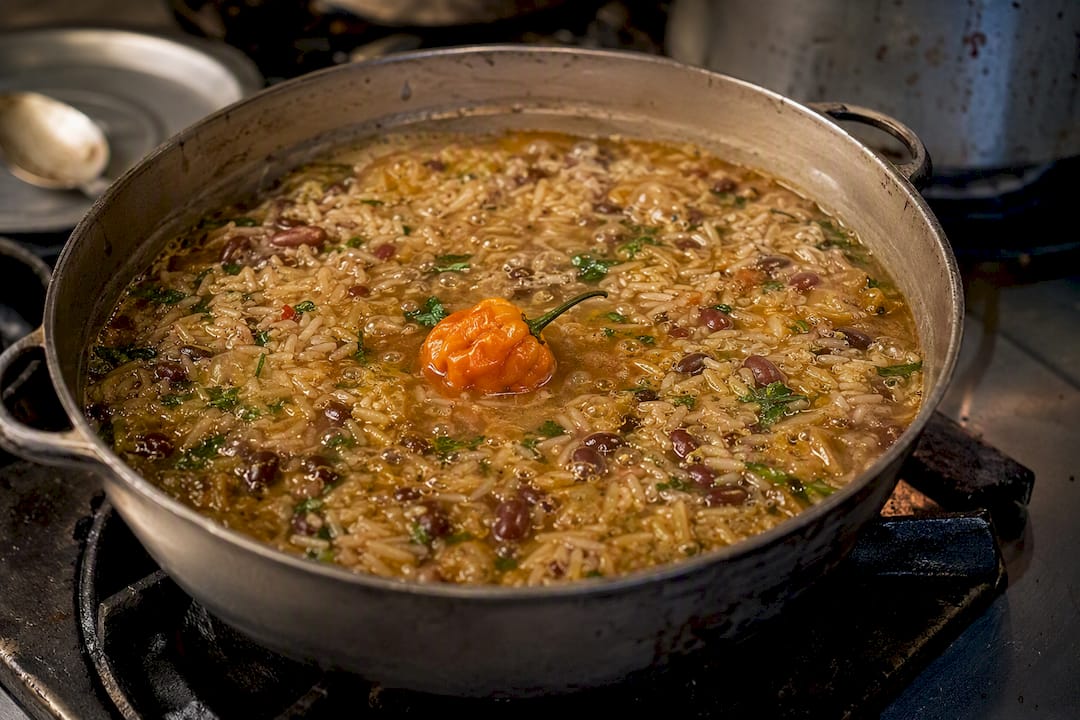
Allspice, also called pimento in Jamaica, adds a warm, slightly peppery sweetness that ties the whole dish together. Whole berries, tossed in during the simmer and fished out before serving, deliver more fragrance than pre-ground allspice, which loses potency fast once it’s been sitting in a jar.
Garlic, onion, and salt round out the seasoning base every recipe needs, though the ratios shift by household.
A few optional additions show up in family kitchens depending on tradition:
- Butter or coconut oil, stirred in for extra richness
- Creamed coconut, used in some households for a thicker, more concentrated coconut flavor
- Fresh ginger, a slice or two for a subtle warmth some cooks favor
- Bay leaf, an addition some family recipes include alongside soy sauce or gravy browning to deepen color
None of these four are required. They’re the kind of tweaks that separate one grandmother’s pot from another’s, and that’s part of what makes the dish feel personal rather than formulaic.
How Much of Each Ingredient Do You Need?
Quantities vary slightly from kitchen to kitchen, but a workable formula for 4 to 6 servings holds up across most tested recipes.
Using dried beans:
- 1 cup dried red kidney beans or gungo peas, soaked at least 8 hours
- 2 to 3 cups long-grain rice, rinsed
- 1 can (about 13.5 ounces) full-fat coconut milk
- Enough water or stock to bring the total liquid to roughly 3 to 4 cups after the beans finish cooking
- 3 to 4 sprigs fresh thyme, 3 to 4 scallions, 1 whole Scotch bonnet, 4 to 5 whole allspice berries, 2 to 3 cloves garlic, half an onion, salt to taste
Soaking overnight softens the beans enough that they cook evenly instead of splitting apart, and it shortens the simmer considerably. Once drained, dried beans typically need 45 to 60 minutes of simmering before they’re tender enough to add rice. Recipe testing generally lands on 1 cup dried beans paired with 2 to 3 cups rice, though the exact rice volume depends on how much broth you want soaked up.
Using canned beans:
- 1 to 2 cans (about 15 ounces each) red kidney beans or pigeon peas, undrained
- 2 cups rice
- 1 can coconut milk
- Water to reach the correct rice-to-liquid ratio, usually 1.5 to 1 cups of liquid per cup of rice
Canned beans skip the soak entirely, which saves close to an hour of prep time. The tradeoff is salt. Canned bean liquid is already seasoned, so taste it before adding more salt to the pot; oversalting is the most common mistake with this shortcut.
Timing cues to watch for:
- Dried beans: soak 8+ hours, simmer 45 to 60 minutes until tender but not mushy
- Rice: once added to the broth, cook covered on low for 30 to 40 minutes
- Doneness signs: rice grains are tender with no bite of raw starch left, and most of the liquid has been absorbed with a thin layer just visible at the bottom of the pot
How to Cook Rice and Peas Step by Step
The sequence matters as much as the ingredient list. Build the broth first, then let the rice finish the job.
- Prepare the beans. If using dried beans, drain the soaking liquid and rinse. If using canned, drain most of the liquid but reserve some for flavor, then rinse the beans lightly to control sodium.
- Build the coconut broth. Add the beans to a pot with water or stock, then bring to a simmer with the fresh thyme, scallions, whole Scotch bonnet, allspice berries, garlic, and onion. Simmering the beans with these aromatics before the rice goes in is what turns plain cooking liquid into a properly seasoned broth. For dried beans, this takes 45 to 60 minutes; canned beans need only 10 to 15 minutes to let the flavors meld.
- Add coconut milk and rice. Pour in the coconut milk, bring the pot back to a boil, then stir in the rinsed rice. Cover and drop to a low simmer for 30 to 40 minutes, resisting the urge to lift the lid often.
- Remove the whole aromatics. Fish out the Scotch bonnet, thyme stems, and scallion pieces once the rice is tender. Leaving them in too long, especially the pepper, risks it breaking apart and dumping heat into the finished dish.
Stovetop cooking gives you the most control over texture and is the traditional method most home kitchens use. A pressure cooker cuts the bean-cooking time roughly in half, useful if you forgot to soak beans the night before, but it makes it harder to develop bun bun, the toasted rice layer some cooks specifically aim for at the bottom of the pot.
What Are the Best Substitutions for Rice and Peas?
Family recipes for this dish diverge more than most people expect, and most of the variation comes down to a handful of swappable choices.
Gungo peas vs. red kidney beans is really a matter of what a household grew up eating. The word “peas” in the dish’s name refers to kidney beans in plenty of families, while others insist on gungo (pigeon) peas, and both are considered authentic. Gungo peas bring a firmer bite and slightly grassy flavor; kidney beans cook down softer and taste a touch sweeter.
Rice choice changes texture more than flavor. Long-grain white rice is the traditional pick because it stays separate and fluffy. Jasmine rice works well too, adding a faint floral note. Basmati is drier and more prone to clumping in this particular liquid ratio, so it’s the least forgiving substitute of the three.
Heat control has real flexibility. A whole Scotch bonnet kept unpierced is the classic approach, but frozen Scotch bonnets work identically once thawed, and canned or jarred versions can stand in during off-season months. Milder chiles, like a whole jalapeño, tone the heat down considerably for households cooking for kids.
Vegan and low-sodium adjustments are easy to make without losing character. Swap butter for coconut oil, and if you’re using canned beans, cut the added salt by roughly half since the can liquid is already seasoned.
Pro Tip: If you’re substituting a milder chile for Scotch bonnet, add it earlier in the simmer than you would the real thing. Milder peppers release less oil, so they need more contact time with the broth to leave any real impression.
Cooking Tips That Fix the Most Common Mistakes
Small technique choices separate a good pot of rice and peas from a great one.
Rinse the rice under cold water until it runs clear before adding it to the pot. This washes off surface starch that otherwise turns the finished dish gummy instead of light and separate. Never pierce the Scotch bonnet while it simmers, and pull it out along with the thyme sprigs and scallion pieces once the rice is tender, not before.
Use the bean cooking liquid, don’t discard it. It’s already carrying color and flavor from the aromatics, and dumping it out means starting the rice phase from a flavor deficit. If you’re working with canned beans, taste the reserved can liquid before adding more salt. Canned liquid is frequently salty enough on its own that extra salt tips the dish over.
A few habits worth building into every batch:
- Rinse rice until the water is clear, not just cloudy
- Keep the Scotch bonnet whole from start to finish
- Save and use the bean broth rather than fresh water for the rice phase
- Taste before salting when canned beans are in play
Statistic Callout: Dried beans need at least 8 hours of soaking before they cook evenly, and even then require 45 to 60 minutes of simmering to reach the right tenderness for absorbing broth properly.
If you want bun bun, that prized crispy bottom layer, resist stirring the pot once the rice goes in and consider bumping the heat slightly higher for the last few minutes of cooking in a heavy-bottomed pot.
Where to Find Authentic Ingredients in the U.S.
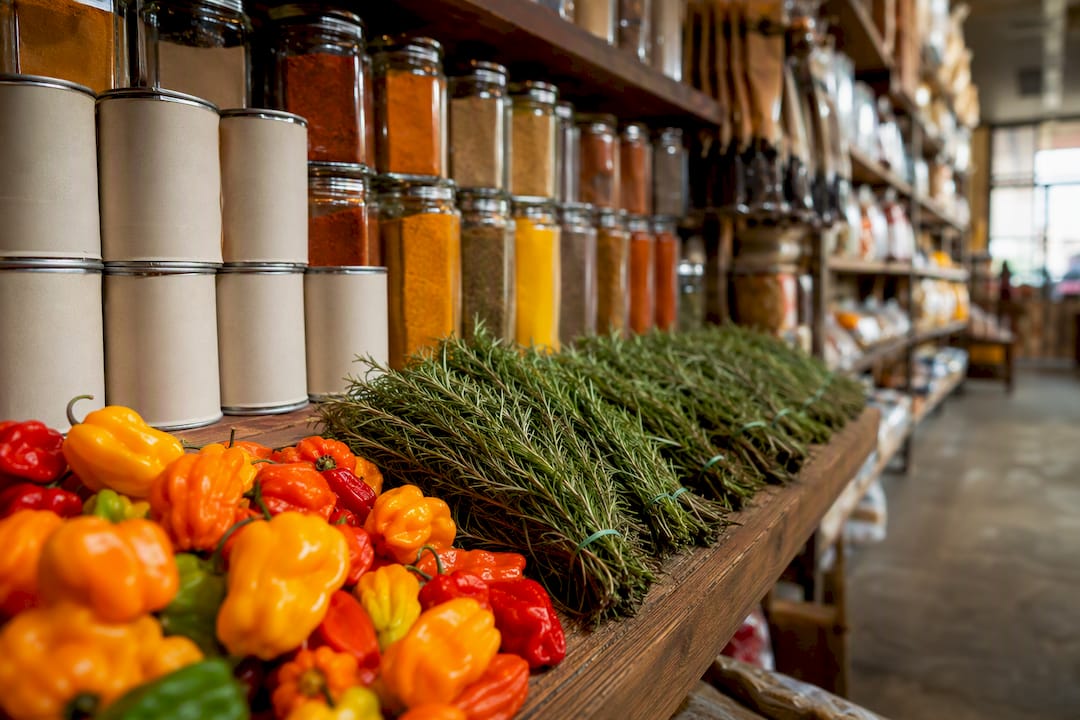
Fresh Scotch bonnet, real allspice berries, and unsweetened full-fat coconut milk aren’t always sitting on a regular grocery shelf, which is exactly the gap Caribbean specialty retailers fill.
Canned prepared peas save real time on a weeknight. Tojexpress carries Linstead Market Gungo Peas in Coconut Milk and Linstead Market Red Peas in Coconut Milk, both already simmered in coconut milk, so you skip the soaking step entirely and go straight to building the rice.
When you’re reading labels for either coconut milk or canned beans, a few things matter:
- Check that coconut milk lists no added sugar and shows a fat content close to 17 to 19 grams per serving, a sign it’s genuinely full-fat rather than diluted
- Scan the sodium line on canned beans since it varies widely by brand, and adjust your added salt accordingly
- Look for BPA-free can linings if that’s a priority for your household
If fresh Scotch bonnet isn’t available, frozen versions hold their flavor well once thawed, and dried whole pods work in a slow simmer. Handle any version with gloves and avoid touching your eyes, since the capsaicin lingers on skin long after you’re done cooking.
A Family Cook’s Take on Getting This Right
Every Jamaican household I’ve talked with about this dish argues about something different: some swear by gungo peas, others won’t touch anything but kidney beans, and a few insist on soy sauce for color, a trick that would scandalize someone three towns over. None of them are wrong. That’s the part outsiders miss when they treat this like a rigid recipe instead of a living tradition with room to move.
What doesn’t move is the core: real coconut milk, whole aromatics, and patience with the broth before rice ever touches the pot. Tojexpress stocks the packaged staples that make weeknight versions realistic without cutting corners on flavor. Try the dried-bean route once for the deeper broth, then the canned shortcut on a rushed night. Both are legitimate.
— ANTONIO
Tojexpress Makes Sourcing These Ingredients Simple
Hunting down real gungo peas or unsweetened full-fat coconut milk at three different grocery stores wastes a Saturday you don’t have. Tojexpress carries the specific Caribbean staples this dish depends on, already stocked and ready to ship or pick up, so you’re not substituting your way through a recipe out of desperation.

Start with the canned shortcuts if today is a weeknight: Linstead Market Red Peas in Coconut Milk and Linstead Market Gungo Peas in Coconut Milk both arrive already simmered, cutting your cook time down to just the rice phase. For the rest of your pantry, the Caribbean food pantry checklist covers what else to keep stocked for dishes like this one.
Browse the Tojexpress product catalog and add what you need to your next order before the craving fades.
Sources
The quantities, timing, and technique notes throughout this guide draw on several tested sources worth keeping on hand for full recipes and variations:
- Serious Eats — Jamaican rice and peas
- The Kitchn — Jamaican rice and peas
- BBC — Jamaican rice and peas
- NYTimes Cooking — Rice and Peas
- My Forking Life — Jamaican rice and peas
Each source approaches the dish slightly differently, which is exactly why cross-referencing them gives a fuller picture than any single recipe card could.