
Why Snack Diversity Matters for Atlanta Foodies
TOJEXPRESS.COM-Antonio HenryReaching for a quick snack in Atlanta can feel like an adventure with so many choices blending Caribbean and American flavors. Many believe snack diversity means stocking up on every type of chip, but the truth is more nuanced. Dietary diversity spans food groups, taste, and cultural identity, not just variety for its own sake. Whether you crave spicy Caribbean plantain chips or classic American trail mix, understanding real snack diversity opens up flavorful, nourishing possibilities unique to your city.
Table of Contents
- Defining Snack Diversity And Common Myths
- Exploring American And Caribbean Snack Categories
- Nutritional Benefits Of Diverse Snacking
- Taste Preferences And Real-World Snacking Habits
- Avoiding Nutrition Pitfalls And Selecting Healthier Options
Key Takeaways
| Point | Details |
|---|---|
| Snack Diversity Enhances Nutrition | Incorporating a variety of snacks from multiple food groups improves nutrient intake and overall health. |
| Common Snack Myths | Many believe that all snacks are unhealthy or that diversity means eating the same foods in different forms, which is misleading. |
| Cultural Influences on Snacking | Understanding American and Caribbean snack options helps create a diverse and satisfying snacking strategy. |
| Smart Snack Selection | Prioritize nutrient density over convenience by choosing snacks with fewer ingredients, lower added sugars, and higher fiber content. |
Defining snack diversity and common myths
Snack diversity sounds simple, but it’s more nuanced than just grabbing different foods throughout your day. Dietary diversity refers to consuming a variety of foods across different groups, and snacking definitions vary widely based on your cultural background, psychological habits, and lifestyle. For Atlanta foodies, this means recognizing that diversity extends beyond just flavor—it includes nutritional balance and intentional food choices.
Here’s what snack diversity actually means in practical terms:
- Multiple food groups: Combining proteins, fruits, vegetables, whole grains, and healthy fats in your snacking patterns
- Cultural representation: Including Caribbean plantain chips alongside American whole-grain crackers, for example
- Nutritional variety: Rotating between snacks that provide different vitamins, minerals, and macronutrients
- Flavor exploration: Trying new taste profiles and ingredient combinations regularly
The research shows that dietary diversity lacks standardized definitions globally, with nutrition experts using different approaches to measure and categorize foods. This confusion creates myths that mislead snackers everywhere.
Common myths debunked
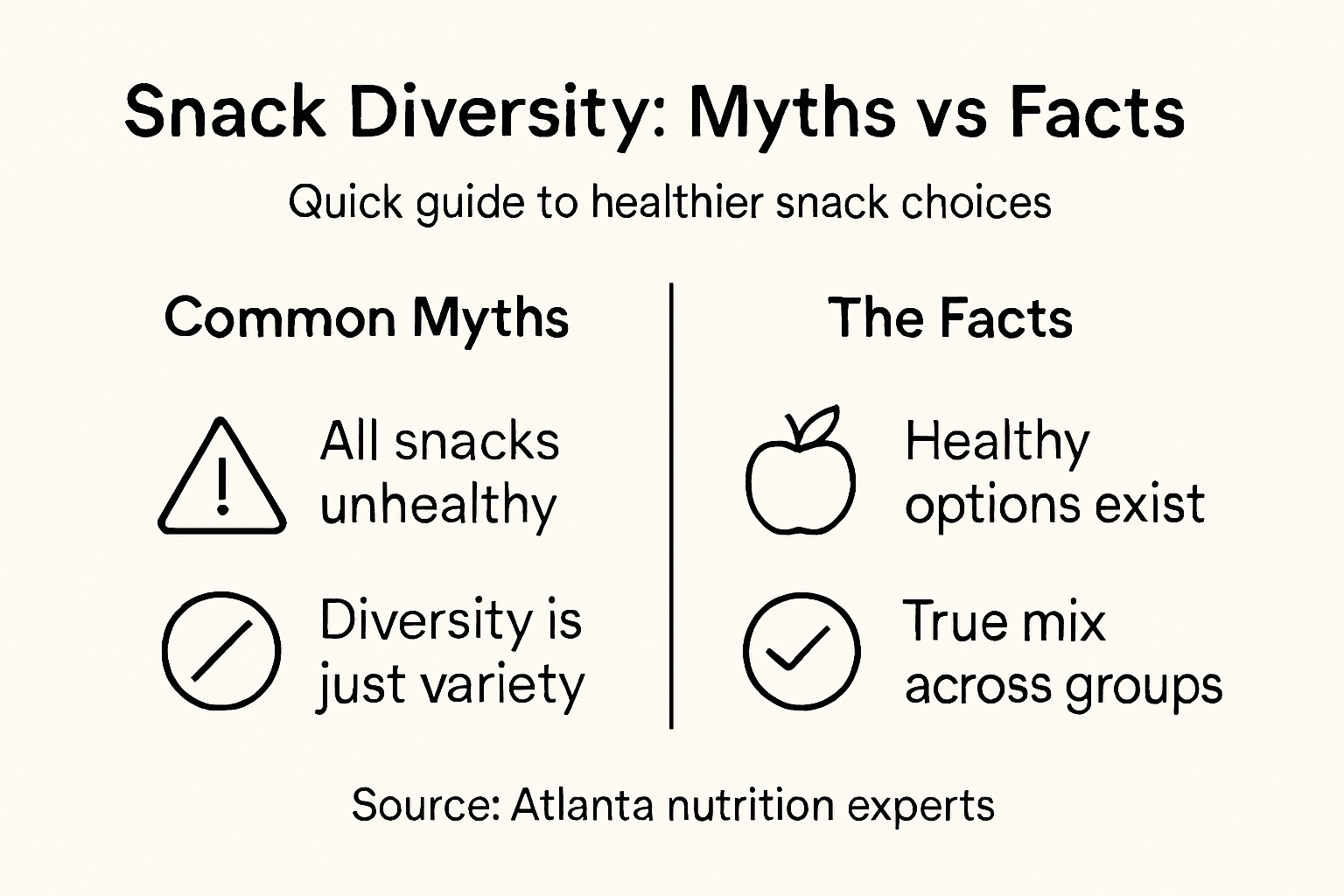
Myth one: All snacks are unhealthy. This couldn’t be further from reality. Snacking itself isn’t the problem—poor choices are. Nutrient-dense snacks like roasted chickpeas, fresh mango slices, or Caribbean coconut energy bars actively support your health.
Myth two: Diversity means eating the same foods in different forms. Buying five types of chips isn’t diversity. True diversity means eating foods with genuinely different nutritional profiles and ingredients.
Myth three: You need exotic or expensive foods for snack diversity. American staples like almonds paired with Caribbean cassava crackers create balanced variety without breaking your budget. Local convenience stores often stock both options side by side.
Myth four: Snack diversity is complicated and time-consuming. Building variety simply means rotating your regular purchases. Swap out your usual snack this week for something you haven’t tried before.
Myth five: Snacking frequency doesn’t matter, only the foods you choose. Your snacking habits and motivations shape your overall nutrition. Mindful snacking beats mindless munching every time.
Snack diversity works best when you understand your own motivations—whether you’re seeking energy, comfort, or nutrition—and choose accordingly.
Pro tip: Start a snack rotation system this week: pick three snacks you already enjoy, then add two new options from your local convenience store’s Caribbean or American product sections. Rotate them throughout the week to build the habit without overwhelming yourself.
Exploring American and Caribbean snack categories
American and Caribbean snacks represent two distinct but increasingly intertwined food cultures in Atlanta. Cultural snacking practices shape what people reach for throughout their day, and snacking reflects ethnic diversity and culinary traditions that define neighborhood food scenes. Understanding these categories helps you build a snacking strategy that honors both heritage and nutrition.
American snacks typically emphasize convenience, shelf stability, and familiar flavors. Think granola bars, cheese crackers, beef jerky, pretzels, and mixed nuts. These foods grew out of industrialization and the need for quick, portable nutrition during busy workdays. Today, American snacks dominate convenience stores and represent tried-and-true options most Atlanta residents grew up eating.
Caribbean snacks tell a different story. They celebrate bold spices, tropical ingredients, and time-honored preparation methods passed down through generations. Common categories include:
- Fried snacks: Plantain chips, cassava bread, salt fish cakes
- Fruit-based options: Dried mango, coconut candy, passion fruit bars
- Grain and legume snacks: Chickpea roasted seeds, cornmeal porridge bites
- Seasoned nuts and seeds: Curry-spiced cashews, toasted coconut chips
Why does this distinction matter for your snacking? Snacks are embedded in cultural identities and local food environments, which means choosing from both categories gives you access to different flavor profiles, spice levels, and nutrient combinations. A Caribbean snack might deliver more fiber and authentic spices, while American options offer familiar textures and consistent flavor.
The best approach combines both traditions. Pairing American almonds with Caribbean plantain chips, or mixing American whole-grain crackers with Caribbean seasoning-forward options creates balanced variety. This isn’t about choosing one over the other—it’s about understanding what each brings to your snacking experience.
The most satisfying snack strategy honors your cultural background while remaining adventurous enough to try something completely new.
Many Atlanta foodies overlook the power of blending these categories. You don’t need to pick a lane. Your snacking can reflect your heritage, your current cravings, and your health goals all at once. Caribbean snacks offer distinct flavors and cultural connection that American staples often can’t replicate alone.
Here’s a quick comparison of American and Caribbean snack characteristics:
| Aspect | American Snacks | Caribbean Snacks |
|---|---|---|
| Typical ingredients | Nuts, grains, cheese, jerky | Plantains, cassava, tropical fruit |
| Flavor profile | Mild, salty, sweet | Spicy, bold, sweet |
| Preparation method | Mostly industrial, packaged | Homemade, traditional, fried |
| Nutritional focus | Convenience and protein | Fiber, vitamin, authentic spices |
Pro tip: This week, buy one American snack you’ve never tried and one Caribbean option that intrigues you. Eat them on alternate days and notice how differently your energy levels, cravings, and satisfaction respond to each category.
Nutritional benefits of diverse snacking
When you rotate snacks instead of eating the same thing daily, your body gets access to a wider spectrum of vitamins, minerals, and phytonutrients. Diverse snacking directly improves your overall diet quality by filling nutritional gaps that single foods cannot address alone. Diverse snacking supports better intake of vitamins, minerals, and fiber, helping you meet dietary guidelines without feeling deprived or bored.
Here’s why variety matters more than you might think:
- Vitamin coverage: Tropical Caribbean fruits deliver different vitamins than American berries or nuts
- Mineral balance: Plant-based snacks provide magnesium, iron, and potassium in varying amounts
- Fiber intake: Whole-grain American options paired with legume-based Caribbean snacks maximize digestive health
- Phytonutrient diversity: Different colored snacks contain unique antioxidants your body needs
- Metabolic support: Varied nutrients help regulate blood sugar, energy levels, and satiety
Consider what happens when you eat the same granola bar every single day. Your body adapts to those specific nutrients and may miss critical elements from foods you never try. Rotating between American almonds, Caribbean plantain chips, dried mango, and roasted chickpeas forces your metabolism to work harder and absorb a fuller nutrient profile.
Snacking frequency and nutrient content play critical roles in your overall health outcomes. Three snacks per day with different nutritional profiles beats six snacks of the same type. This explains why Atlanta foodies benefit from understanding snack variety’s impact on health alongside taste preferences.
Weight management through diverse snacking
Diverse snacks actually support healthy weight management. When snacks include varied textures, flavors, and nutrients, you feel satisfied longer. A combination of protein-rich American jerky with fiber-packed Caribbean cassava bread keeps you fuller than either alone.
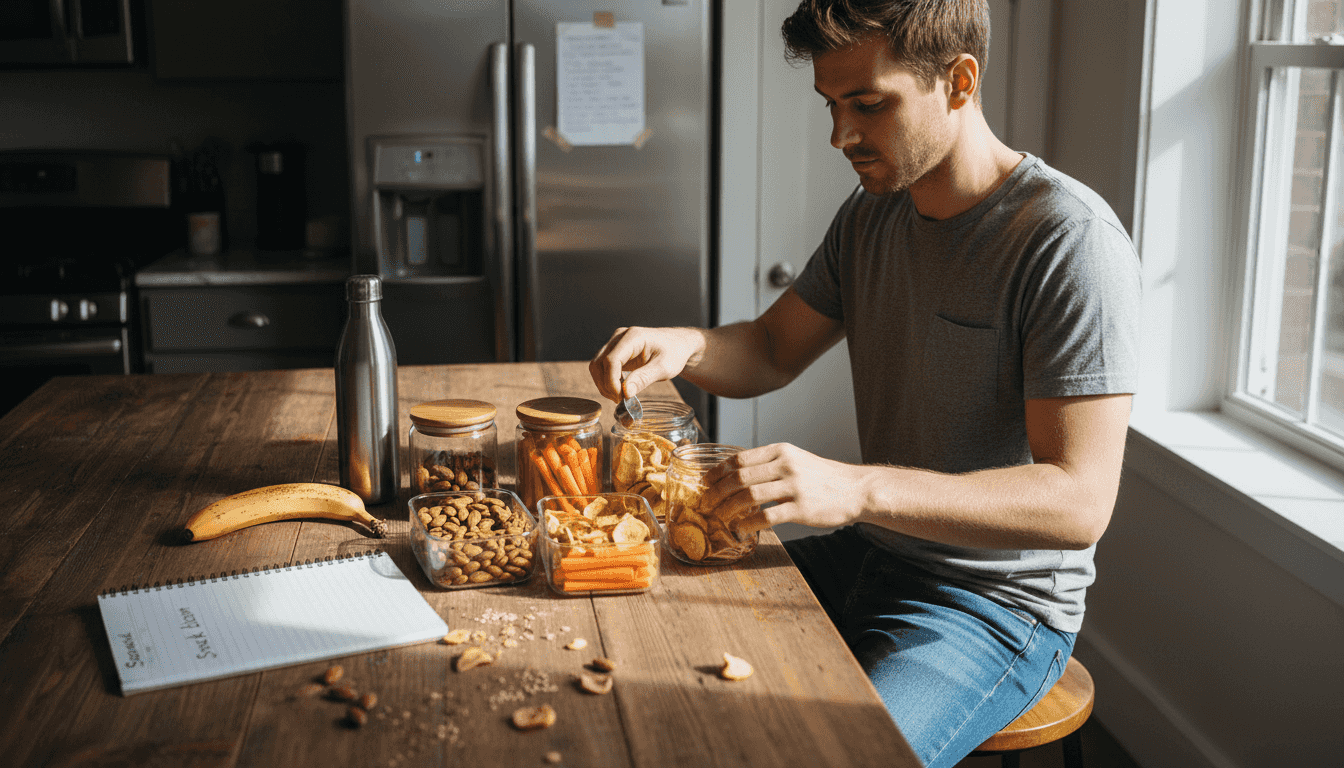
Your body recognizes satiety through multiple nutritional signals. One macronutrient never triggers complete satisfaction. Mixing proteins, fiber, and healthy fats across different snacks sends stronger fullness signals to your brain, reducing overall calorie consumption naturally.
Here’s how diverse snacking improves nutrition and satiety:
| Benefit | How Diversity Helps | Example Snack Pairing |
|---|---|---|
| Broader vitamins | Access multiple nutrients | Almonds with dried mango |
| Enhanced satiety | Combines macronutrients | Jerky with cassava bread |
| Digestive support | More fiber sources | Whole-grain crackers, roasted chickpeas |
| Taste satisfaction | Reduces flavor fatigue | Plantain chips, granola |
Eating the same snack repeatedly trains your taste buds to crave more of it; rotating snacks resets cravings and naturally moderates intake.
Pro tip: Create a simple snack rotation schedule: pick two American options and two Caribbean options, then eat them in rotation across four days. When day five arrives, add a completely new snack to the mix and retire an old favorite temporarily.
Taste preferences and real-world snacking habits
Your snacking reality doesn’t match nutrition textbooks. Real people choose snacks based on cravings, emotions, timing, and yes, taste—not just health metrics. Taste preferences strongly influence snack choices across demographics and cultures, meaning your favorite Caribbean spiced snack matters as much as its fiber content. Understanding this gap between ideal and actual snacking helps you build habits that stick.
Atlanta foodies face a unique challenge: balancing inherited taste preferences with modern health goals. Maybe your family always reached for fried plantains at 3 p.m., or American potato chips were the after-dinner ritual. These aren’t just food choices—they’re emotional anchors.
Here’s what actually drives your snacking decisions:
- Emotion and comfort: Stress makes you crave familiar, often sweet or salty options
- Social context: Snacking with friends differs from solo snacking at your desk
- Time of day: Morning snacks feel different than late-night cravings
- Sensory satisfaction: Crunch, creaminess, spice levels all matter psychologically
- Portion perception: You define “snack” differently than your coworker does
Consumer definitions and perceptions vary by taste and timing characteristics, which explains why one person’s perfect afternoon snack disgusts another. This isn’t weakness or poor judgment—it’s biology and culture colliding.
The real insight: diverse snacking works only when snacks taste good to you. Adding a Caribbean coconut bar to your rotation fails if you hate coconut. Success requires matching variety with preference. You might explore seasonal snacking options that appeal to your taste while introducing new flavors gradually.
Building sustainable snacking habits
Starting with snacks you already enjoy prevents the “health snack failure” trap. Most people abandon diverse snacking because they force themselves to eat things they dislike. Instead, find healthy versions of flavors you crave.
Do you love savory? Explore spiced Caribbean cashews instead of plain American nuts. Prefer sweet? Try dried mango alongside granola. This approach respects your taste while expanding variety.
Real-world snacking succeeds when diversity respects your actual preferences, not your aspirational ones.
Pro tip: This week, write down every snack you naturally reach for without thinking, then research one healthier alternative that matches each flavor profile you listed.
Avoiding nutrition pitfalls and selecting healthier options
Snack aisles are designed to trap you. Bright packaging, strategic placement, and aggressive marketing push energy-dense foods that leave you hungry an hour later. Understanding common pitfalls helps you navigate these traps and make choices that actually serve your health.
The biggest pitfall? Confusing “snack food” with “healthy snack.” Just because something is portion-controlled doesn’t mean it nourishes your body. A 100-calorie pack of processed cookies is still processed cookies. Addressing nutrition pitfalls requires correcting misconceptions about snack foods and understanding what truly supports your goals.
Common mistakes Atlanta foodies make:
- Sugar-heavy “healthy” options: Granola bars with 15g sugar aren’t better than candy
- Ingredient confusion: “Natural” doesn’t mean nutritious or unprocessed
- Portion blindness: Eating directly from the bag removes portion awareness
- Marketing manipulation: “Made with real fruit” doesn’t mean it’s healthy
- Nutrient density mismatch: Calorie-counting without checking vitamins and minerals
Selecting healthier snacks requires education about food content and portion control, plus intentional strategies. Start by reading ingredient lists instead of marketing claims. If you can’t pronounce ingredients, your body probably can’t process them efficiently.
Making smarter selections
Prioritize nutrient density over convenience. A Caribbean snack with whole cassava root and sea salt beats an American snack with ten unrecognizable additives, even if both cost the same.
Check these three things before buying:
- Ingredient count: Fewer is better; aim for under five recognizable items
- Added sugars: Look for snacks under 5g per serving
- Fiber content: Target at least 2g per serving for satiety
Portuguese foodies in Atlanta can find authentic Caribbean snacks that check all three boxes—plantain chips made with just plantain and salt, roasted chickpeas with spices, dried mango slices with no added sugar. Compare these to ultra-processed American options loaded with salt, sugar, and preservatives.
Healthy snacking practices matter for families building long-term wellness, whether you’re shopping for yourself or kids.
The healthiest snack is one you’ll actually eat consistently because it tastes good and makes you feel better afterward.
Pro tip: Next time you shop, spend two extra minutes comparing ingredient lists between a Caribbean snack option and its American equivalent—you’ll immediately see why diversity matters for your health.
Discover Snack Diversity at TOJ EXPRESS and Elevate Your Atlanta Snacking Experience
Finding the right snacks that honor your cultural roots while supporting your health goals is no easy task. The challenge many Atlanta foodies face is balancing beloved American staples with bold Caribbean flavors that bring variety and nutrition to your daily routine. If you want to break free from repetitive snacking habits and enjoy a broader spectrum of delicious, nutrient-rich options then exploring diverse selections is essential.
TOJ EXPRESS offers a carefully curated range of both American and Caribbean snacks that cater to your desire for flavor, quality, and wholesome ingredients. Whether you crave seasoned plantain chips or classic American nuts our Snacks – TOJ EXPRESS category presents an exciting rotation of options to keep your taste buds engaged and your body nourished.
Start building your personalized snack rotation today. Visit https://tojexpress.com to explore unique flavors that respect your heritage and satisfy your cravings. For delightful crunchy treats try our Cookies and Crackers – TOJ EXPRESS or satisfy your sweet tooth by browsing Candies – TOJ EXPRESS. Don’t settle for ordinary snacks when you can awaken your senses and fuel your body with the best of both worlds.
Frequently Asked Questions
What is snack diversity?
Snack diversity refers to consuming a variety of snacks across different food groups, ensuring a mix of flavors, nutrients, and cultural representations in your snacking choices.
Why is it important to have diverse snacks?
Diverse snacks provide a broader range of vitamins, minerals, and phytonutrients, improving overall diet quality and filling nutritional gaps that single foods cannot address.
How can I incorporate snack diversity into my routine?
You can incorporate snack diversity by rotating your snacks each week, combining options from different cultural backgrounds, and balancing choices between protein, fiber, and healthy fats.
Are all snacks unhealthy?
Not all snacks are unhealthy. Nutrient-dense options like roasted chickpeas, fresh fruits, and whole-grain crackers can support your health while satisfying cravings.