
The Role of Dried Goods Pantry in Your Kitchen
TOJEXPRESS.COM-Antonio HenryTL;DR:
- A dried goods pantry stores non-perishable staples essential for daily meals and emergency preparedness. Proper organization, airtight storage, and rotation ensure freshness, reduce waste, and support health benefits. Building it gradually from core categories allows for affordability, convenience, and long-term resilience.
A dried goods pantry is a curated collection of non-perishable food staples that serves as the foundation for everyday cooking, emergency preparedness, and consistent nutrition. The role of a dried goods pantry goes far beyond simple storage. It functions as a living food system that reduces meal stress, cuts grocery costs, and keeps your kitchen ready for anything. Nutritionist Shelley Rael describes a well-stocked pantry as the “backbone” of organized kitchens that supports healthy cooking day after day. Whether you cook American comfort food or Caribbean classics, a strong pantry makes every meal faster and smarter.
What is the role of a dried goods pantry in everyday cooking?
A dried goods pantry is a dedicated storage system for non-perishable staples. These include grains, legumes, cooking oils, spices, canned goods, and shelf-stable proteins. The system works because it removes the daily question of “what do I have to cook with?” and replaces it with a reliable base of ingredients.
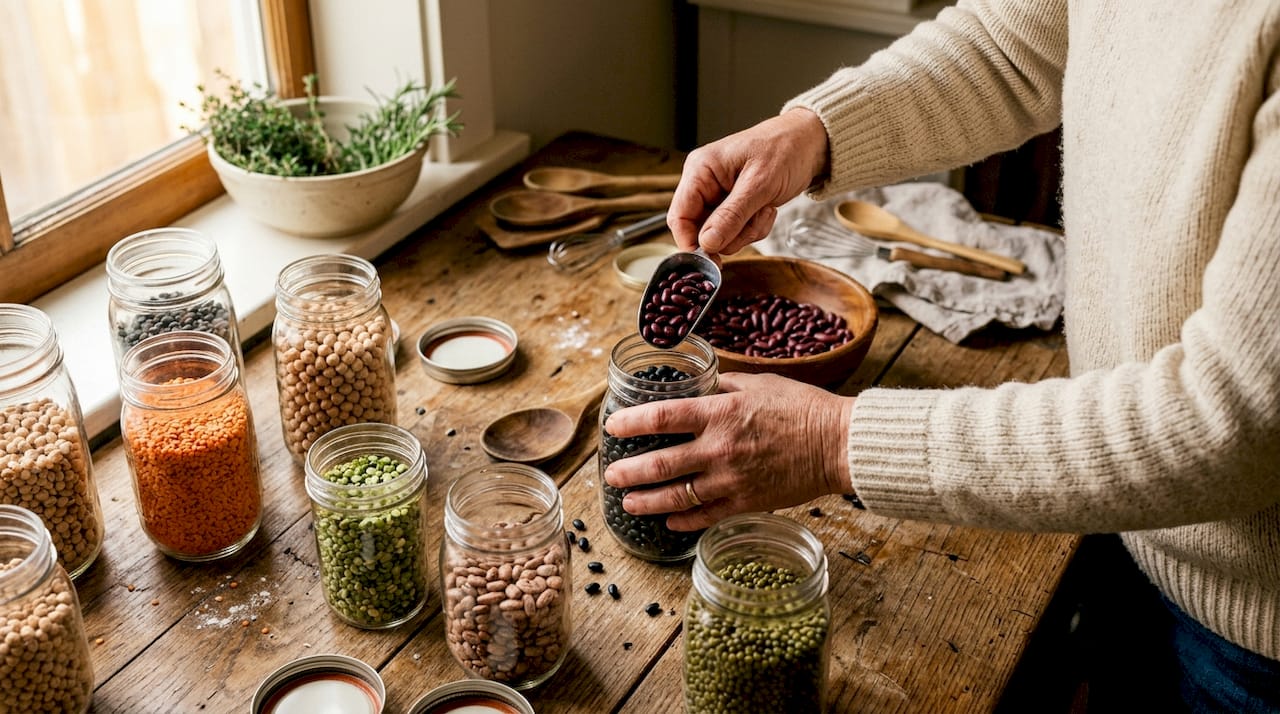
Stocking non-perishable essentials reduces food waste, lowers costs, and prepares your household for supply chain disruptions or emergencies. That triple benefit makes a pantry more than a convenience. It is a practical safety net. The four core categories that make a pantry functional are proteins, fiber-rich carbohydrates, flavor builders, and cooking fats. Each category serves a distinct nutritional and culinary purpose.
Proteins include dried lentils, black beans, chickpeas, and canned fish. Fiber-rich carbohydrates cover white rice, oats, pasta, and whole wheat flour. Flavor builders are your dried herbs, spices, vinegars, and soy sauce. Cooking fats include olive oil, coconut oil, and vegetable oil. Together, these four groups cover the full range of what you need to cook a complete, balanced meal from scratch.
What are the essential dried goods pantry staples?
The most practical pantry staples are the ones you actually cook with every week. A 90-day supply for one person includes roughly 30 lbs of white rice, 15 lbs each of dried beans, oats, flour, and pasta, plus cooking oils, sugar, and salt. That quantity sounds large, but it builds gradually with consistent weekly shopping.
Pro Tip: Start with a two-week supply of your most-used staples, then expand to 30 days before targeting 90. This prevents waste and keeps your pantry relevant to your actual cooking habits.
Here is a breakdown of core staple categories, their nutritional roles, and how to store them:
| Staple | Nutritional role | Storage form |
|---|---|---|
| White rice | Energy, easy digestion | Mylar bags with oxygen absorbers |
| Dried beans and lentils | Plant protein, fiber | Airtight glass or food-grade buckets |
| Rolled oats | Beta-glucan fiber, heart health | Sealed canisters or Mylar bags |
| Pasta | Carbohydrates, quick cooking | Original packaging or airtight bins |
| Olive oil | Healthy fats, polyphenols | Dark glass bottles, cool storage |
| Canned tomatoes | Vitamins C and K, lycopene | Original cans, cool dry shelf |
| Dried spices and herbs | Flavor, antioxidants | Small airtight glass jars |
Lentils deserve special attention. They cook in 20 minutes without soaking, making them the fastest protein source in any pantry. That speed matters on a Tuesday night when you have 30 minutes to get dinner on the table.
Variety across protein sources is not optional. Seasonal supply chain issues can make a single protein source temporarily unavailable. Keeping dried lentils, canned chickpeas, and dried black beans on hand at the same time protects you from that gap.
How to organize and store dried goods effectively
Proper storage is what separates a functional pantry from a cluttered shelf of forgotten ingredients. The ideal storage environment is cool, dry, and dark. Heat and humidity are the two biggest threats to shelf life. A pantry that stays below 70°F and away from direct sunlight will keep most dried goods fresh for one to three years.
Airtight containers and clear labeling support freshness, prevent pests, and make organization easy. Glass mason jars, food-grade plastic bins, and Mylar bags are the three most reliable container types. Each works best for a specific use case.
- Glass mason jars: Best for spices, small legumes, and grains you use weekly. Easy to see contents at a glance.
- Food-grade plastic bins: Best for bulk quantities of flour, sugar, and rice. Stackable and space-efficient.
- Mylar bags with oxygen absorbers: Best for long-term storage of low-moisture staples like white rice and dried beans.
One critical caution: oxygen absorbers work well for low-moisture staples but can be unnecessary or harmful for other dry goods. Using them in containers with higher-moisture items like brown sugar can cause clumping or spoilage. Match the absorber size to the container volume. An undersized absorber leaves residual oxygen that shortens shelf life.
The FIFO method (first in, first out) is the gold standard for pantry rotation. Place newer purchases behind older stock every time you restock. This keeps older items moving to the front and prevents anything from sitting forgotten for years.
Pro Tip: Label every container with the item name and the date you stored it. A piece of masking tape and a permanent marker takes 10 seconds and saves you from guessing whether that bag of flour is still good.
What are the benefits of a well-stocked dried goods pantry?
A stocked pantry directly improves your health outcomes. Oat beta-glucan fiber reduces LDL cholesterol by 5–10%, and olive oil polyphenols support cardiovascular health. These are not abstract benefits. They show up when oats and olive oil are your default breakfast and cooking fat because they are always on the shelf.
“A pantry stocked with nutrient-dense staples reduces decision fatigue and promotes healthier eating by making nutritious meals the path of least resistance.” Nutritionists consistently point to the food environment as the strongest predictor of daily food choices. When your pantry is full of whole grains, legumes, and healthy oils, those become your default options.
The convenience benefit is equally real. Well-stocked pantries enable nutritious meals in 20–30 minutes, cutting reliance on takeout during busy weeks. Here are four meal types you can build entirely from pantry staples:
- Lentil soup: Red lentils, canned tomatoes, cumin, garlic powder, and olive oil. Ready in 25 minutes.
- Rice and beans: White rice, canned black beans, dried oregano, and coconut oil. A Caribbean staple that takes 30 minutes.
- Pasta with olive oil and herbs: Pasta, olive oil, dried basil, and canned anchovies. Done in 15 minutes.
- Oatmeal with pantry toppings: Rolled oats, canned coconut milk, and dried fruit. A five-minute breakfast.
Each of these meals costs a fraction of takeout and delivers better nutrition. That is the practical case for the importance of a dried goods pantry. You can also explore a Caribbean pantry checklist for authentic island-inspired staples that expand your meal options significantly.
How to build and maintain your pantry sustainably and affordably
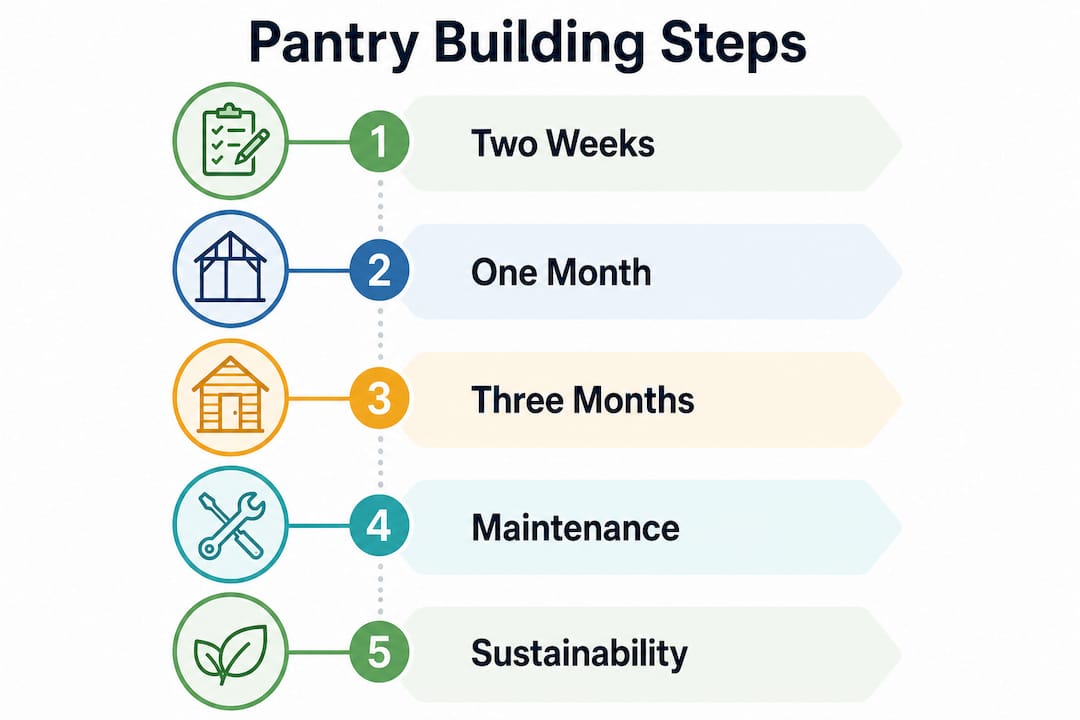
Building a pantry does not require a single large investment. Incremental bulk buying can reach a 60 to 90-day supply without financial stress, aided by occasional warehouse store trips. The layered approach works in three stages.
- Short-term supply (2 weeks): Focus on your five most-used staples. Buy one extra unit of each per shopping trip.
- Mid-term supply (30 days): Add a second protein source and a second grain. Introduce canned goods for variety.
- Long-term supply (60–90 days): Invest in bulk packaging like Mylar bags and larger containers. Add cooking oils, salt, and sugar in quantity.
Pantry diversity is a financial strategy, not just a culinary one. Supply chain disruptions and price fluctuations affect single-source pantries hardest. A pantry with three different protein sources and two different grains absorbs price spikes in any one category without forcing you to change your cooking.
The most important maintenance habit is integrating your pantry into daily cooking. Experts recommend against treating your pantry as a panic stockpile. Rotating pantry stock through everyday meals keeps items fresh and prevents the waste that comes from storing goods you never actually use. Cook from your pantry first, then replace what you use on your next shopping trip.
| Building stage | Time horizon | Key purchases |
|---|---|---|
| Short-term | 2 weeks | Rice, beans, oats, pasta, olive oil |
| Mid-term | 30 days | Canned goods, second protein, spices |
| Long-term | 60–90 days | Bulk grains, Mylar bags, oils, salt, sugar |
For home cooks interested in healthy convenience snacks that complement pantry staples, adding shelf-stable snack options rounds out a complete food storage system.
Key Takeaways
A well-organized dried goods pantry built on the four core categories (proteins, fiber-rich carbohydrates, flavor builders, and cooking fats) is the most reliable way to support daily nutrition, reduce food costs, and stay prepared for disruptions.
| Point | Details |
|---|---|
| Four core categories | Stock proteins, fiber-rich carbs, flavor builders, and cooking fats for complete meal coverage. |
| Layered building approach | Start with a two-week supply and expand incrementally to avoid financial strain. |
| Storage environment matters | Keep staples cool, dry, and dark; use airtight containers and FIFO rotation. |
| Pantry drives health outcomes | Oats and olive oil on the shelf daily translate to measurable cholesterol and heart health benefits. |
| Integrate into daily cooking | Rotate stock through everyday meals to maintain freshness and prevent waste. |
Why your pantry should feel alive, not archived
Most home cooks treat their pantry like a backup plan. They stock it once, forget it, and then wonder why half of it expired. That mindset is the single biggest mistake I see. A pantry is not a bunker. It is a rotating kitchen tool.
The detail that trips people up most is oxygen absorbers. The sizing matters more than most guides admit. I have seen home cooks drop a single small absorber into a five-gallon bucket of rice and assume the job is done. It is not. Proper sizing relative to container volume is what actually protects the food. Get that wrong and you have a false sense of security.
The other thing I would push back on is the idea that a pantry is only for emergencies. The real value shows up on a Wednesday night when you are tired and have nothing thawed. That is when a pantry full of lentils, canned tomatoes, and rice saves you from a $30 takeout order. Build it for your everyday life first, and the emergency preparedness comes along for free.
— ANTONIO
Tojexpress has your pantry staples covered
Building a reliable pantry starts with sourcing quality staples you can count on. Tojexpress carries a wide selection of American and Caribbean dried goods, cooking oils, canned staples, and pantry essentials that cover every core category.
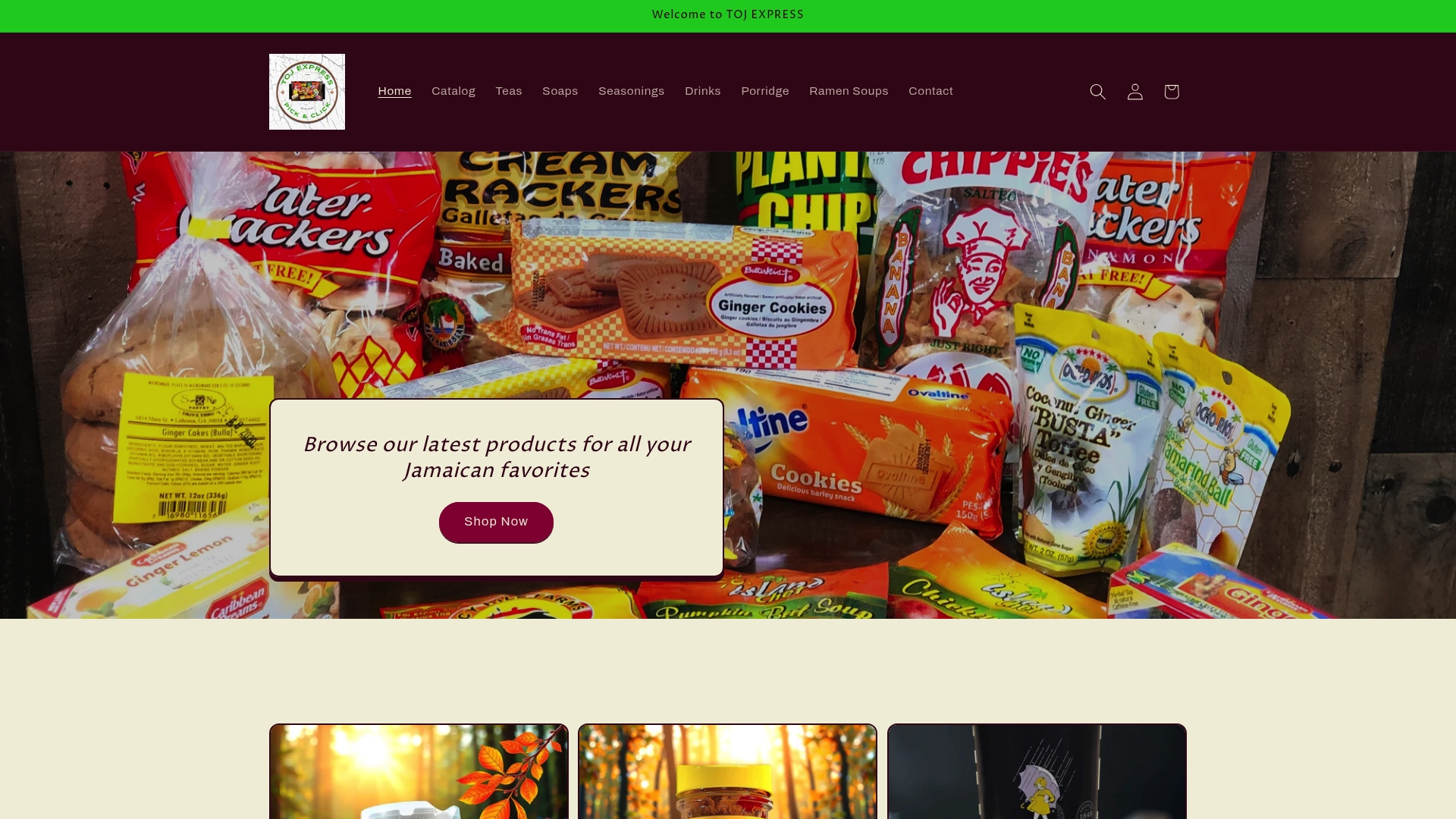
Whether you are stocking up on rice and beans, restocking your spice shelf, or adding Caribbean-inspired staples to your rotation, Tojexpress makes it straightforward. Browse the full general grocery selection to find pantry-ready products that fit your cooking style and storage goals. You can also pick up shelf-stable snack options to round out your pantry with variety and convenience.
FAQ
What is a dried goods pantry?
A dried goods pantry is a dedicated storage system for non-perishable food staples like grains, legumes, oils, canned goods, and spices. It serves as the foundation for everyday cooking and emergency food preparedness.
What should I store in a dried goods pantry?
The four core categories are proteins (dried beans, lentils, canned fish), fiber-rich carbohydrates (rice, oats, pasta), flavor builders (spices, herbs, vinegars), and cooking fats (olive oil, coconut oil). A 90-day supply for one person includes roughly 30 lbs of white rice and 15 lbs each of beans, oats, flour, and pasta.
How do I keep dried goods fresh longer?
Store staples in airtight containers in a cool, dry, dark environment below 70°F. Use the FIFO (first in, first out) rotation method and label every container with the storage date to track freshness.
Are oxygen absorbers safe for all dried goods?
Oxygen absorbers work well for low-moisture staples like white rice and dried beans but can be harmful for other dry goods. Always match the absorber size to the container volume for effective results.
How long does it take to build a 90-day pantry?
Building a 90-day supply incrementally takes most home cooks two to four months. Starting with a two-week supply and adding one extra unit of core staples per shopping trip is the most affordable and practical approach.