
Role of Everyday Grocery in Cultural Culinary Life
TOJEXPRESS.COM-Antonio HenryFinding the right balance between tradition and daily convenience can feel challenging when shopping for both Caribbean and American groceries in Atlanta suburbs. Everyday grocery isn’t just about what lands in your cart—it’s an opportunity to strengthen nutrition, honor cultural roots, and keep household routines running smoothly. This guide helps you understand the key roles of everyday grocery, offering tips for smarter shopping that unite family health and cultural connection.
Table of Contents
- Defining Everyday Grocery And Its Key Roles
- Diverse Grocery Staples In American And Caribbean Food
- Grocery Choices: Influencing Culture And Meal Preparation
- Smart Shopping: Preserving Tradition And Budget
- Common Mistakes In Everyday Grocery Choices
Key Takeaways
| Point | Details |
|---|---|
| Everyday Grocery Impacts Health | Your grocery choices directly influence family nutrition and meal quality, guiding healthier eating habits. |
| Cultural Preservation | Grocery shopping serves as a means to maintain cultural identity by selecting traditional ingredients from both American and Caribbean cuisines. |
| Smart Shopping Strategies | Planning meals and shopping lists helps prevent impulse buying and food waste, ensuring budget-friendly choices without sacrificing tradition. |
| Navigating Grocery Choices | Understanding the diversity available in local markets allows you to combine culinary traditions while making informed decisions on ingredients. |
Defining Everyday Grocery and Its Key Roles
Everyday grocery isn’t just about grabbing milk and bread on your way home from work. It’s the backbone of how you feed your family, maintain your health, and stay connected to your cultural roots. For folks in Atlanta suburbs juggling American and Caribbean cuisines, understanding this concept transforms how you approach meal planning and food shopping.
Everyday grocery refers to the regular, intentional purchasing of food items and household necessities that keep your kitchen running smoothly. This includes everything from fresh produce to pantry staples, from cleaning supplies to the specialty ingredients that make your grandmother’s recipes taste authentic.
Research shows that grocery shopping behavior involves much more than grabbing items off shelves. You’re coordinating multiple tasks simultaneously:
- Planning weekly menus around your schedule and budget
- Budgeting for groceries while tracking real-time spending
- Selecting items based on quality, price, and cultural preferences
- Managing household food security and nutrition
Your everyday grocery tasks serve critical roles beyond simple food acquisition:
Nutritional Foundation
Daily grocery choices directly impact what your family eats and how healthy those meals are. When you buy fresh produce, lean proteins, and whole grains, you’re investing in better nutrition.
Cultural Connection
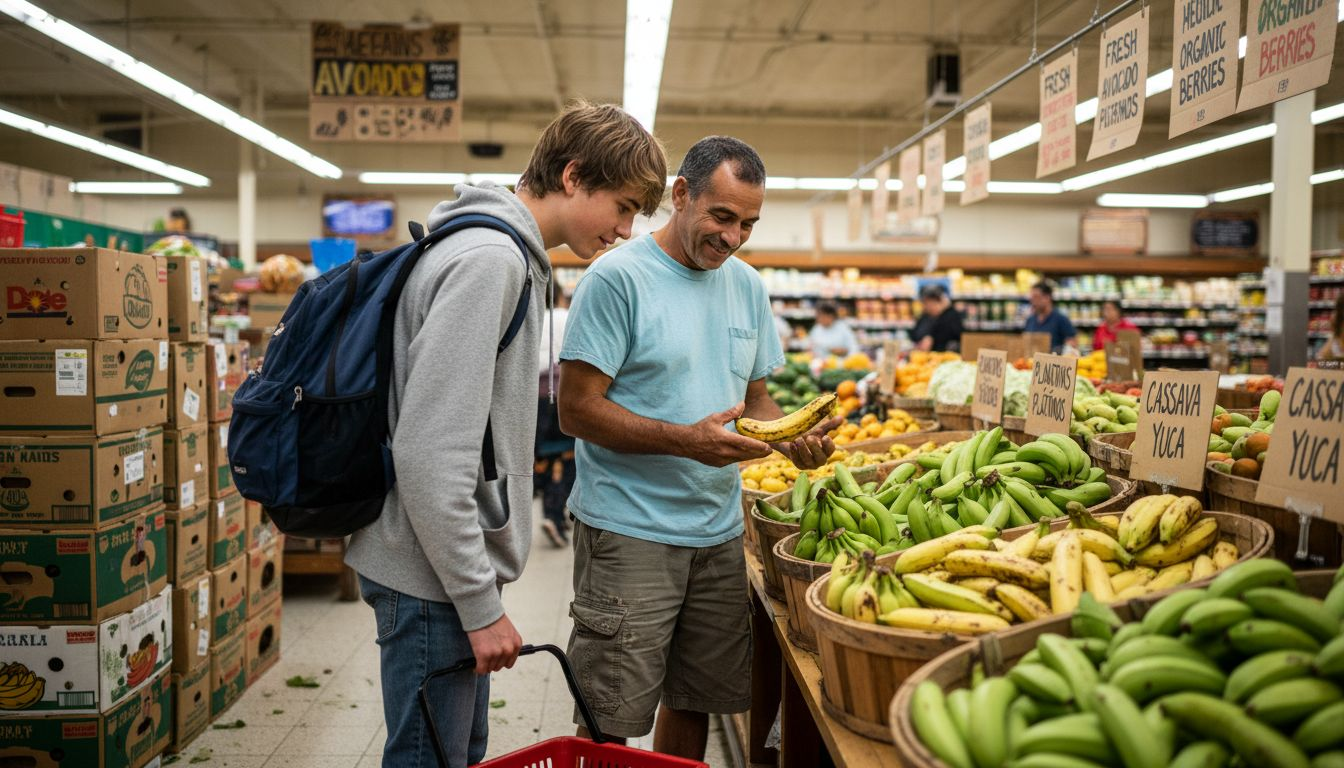
Grocery shopping becomes a vehicle for preserving your cultural identity. Selecting Caribbean staples like plantains, ackee, or salt fish keeps traditions alive in your kitchen.
Household Functioning
Your pantry and refrigerator are the operational centers of daily life. Without consistent grocery access, meal preparation becomes impossible.
Economic Decision-Making
Access to fresh, affordable food shapes your household budget and financial health. Strategic shopping decisions save money while maintaining quality.
Bridge to Food Systems
When you shop, you’re directly engaging with broader food systems that bring products from farms to your table. Your choices influence demand for certain products and support specific suppliers.
Your everyday grocery choices reflect who you are, what you value, and how you nourish the people you love most.
In the Atlanta suburbs where you have access to both American mainstream groceries and authentic Caribbean products, you’re positioned to create meals that honor multiple culinary traditions. This dual access is powerful—it means you’re not choosing between one culture or another but combining the best of both.
Pro tip: Plan your shopping list around 2-3 signature meals per week, mixing familiar American groceries with one Caribbean ingredient you want to master. This balances routine with cultural exploration while keeping shopping manageable.
Diverse Grocery Staples in American and Caribbean Food
Walk through any grocery store in the Atlanta suburbs and you’ll notice something fascinating: the shelves reflect America’s evolving food identity. What started as primarily European-influenced ingredients has transformed into a rich mix that includes Caribbean roots vegetables, Asian staples, African grains, and Latin American produce.
The American pantry has changed dramatically over the past two decades. Growing racial and ethnic diversification means immigrants and their descendants have brought traditional foods that now appear on mainstream grocery shelves. Cilantro, black beans, and Asian vegetables that were once specialty items are now standard offerings.
Caribbean staples tell a different story—one rooted in history and resilience. These foods shaped centuries of island life and continue defining Caribbean identity today:
- Root vegetables: Cassava, yams, and dasheen provide carbohydrates and nutrients
- Legumes: Red beans, pigeon peas, and black-eyed peas offer protein and fiber
- Grains: Rice serves as a foundation for countless Caribbean dishes
- Seafood: Fresh fish and salt fish connect islanders to their coastal heritage
- Plantains: This versatile fruit appears in savory and sweet preparations
The Caribbean culinary tradition reflects an intricate blend of influences. Indigenous peoples contributed cassava and other root crops. African ancestors brought cooking techniques and flavor profiles. European colonizers added their own ingredients and methods. The result: a distinct culinary tradition where staples symbolize cultural heritage.
For you in the Atlanta suburbs, this diversity means access to both worlds. American grocery stores now stock Caribbean ingredients alongside traditional American items. You can build meals that honor both your American everyday life and your Caribbean cultural roots.
Consider what makes each cuisine distinct. American cooking emphasizes convenience and variety. Caribbean cooking emphasizes seasonality, resourcefulness, and bold flavors. When you combine them in your kitchen, you create something uniquely personal.
Your grocery cart becomes a reflection of two food worlds coming together—not choosing one over the other, but celebrating both.
The beauty of shopping in diverse neighborhoods is practical. You find yams next to potatoes, plantains alongside bananas, and Caribbean seasonings near standard spices. This accessibility lets you experiment without traveling far or paying premium prices.
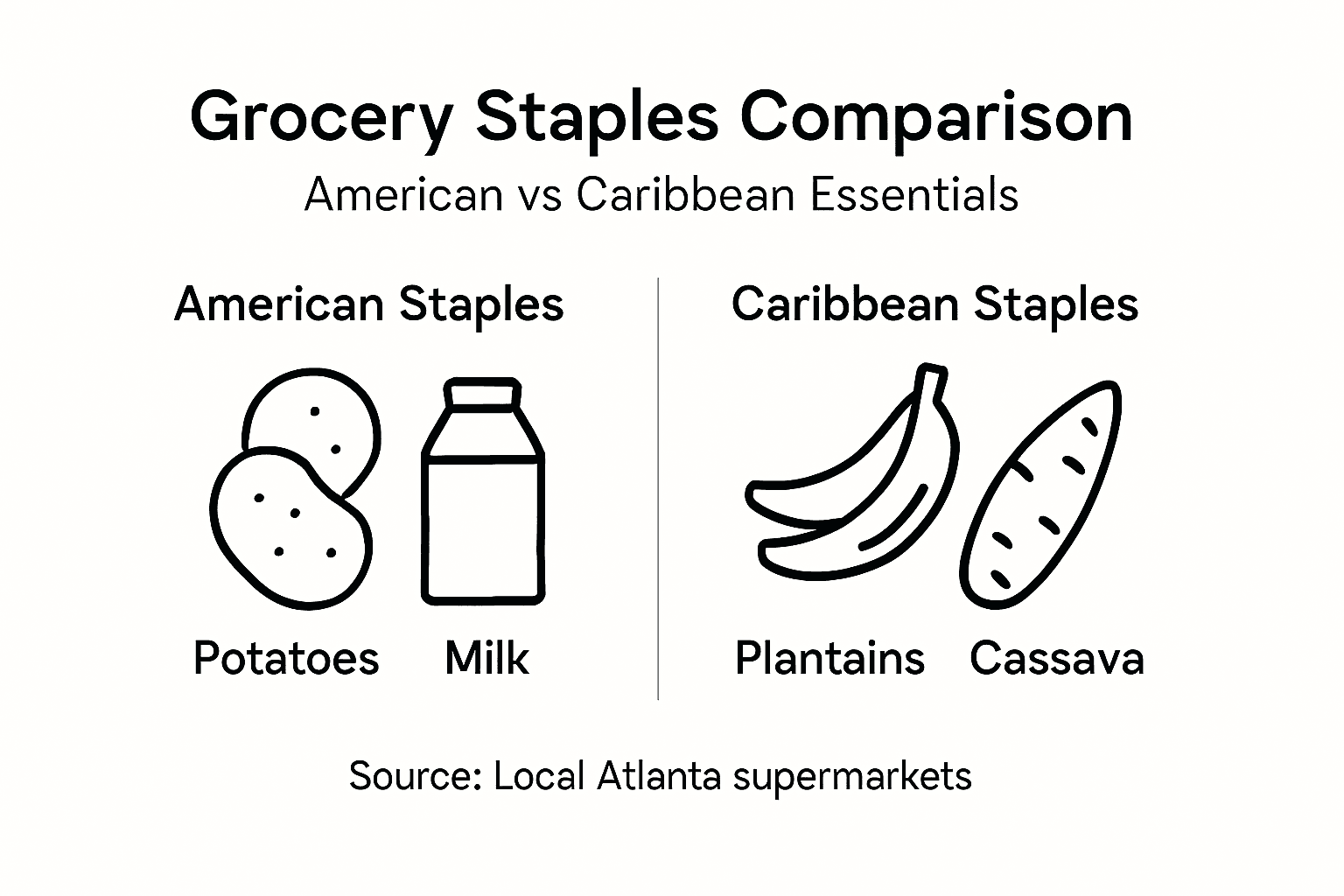
Here’s a quick comparison of typical American and Caribbean grocery staples:
| Staple Type | American Examples | Caribbean Examples | Culinary Role |
|---|---|---|---|
| Vegetables | Potatoes, carrots | Yams, cassava | Base for meals, side dish |
| Legumes | Black beans, lentils | Pigeon peas, red beans | Protein, hearty stews |
| Grains | Wheat bread, pasta | Rice, cornmeal | Main dish foundation |
| Seafood | Salmon, shrimp | Salt fish, snapper | Cultural specialty |
| Fruit | Apples, bananas | Plantains, mangoes | Snacks or desserts |
This table highlights how diverse staple selections influence meals and traditions.
Pro tip: Start with one Caribbean staple you already know and use it in an American dish—try plantain chips instead of potato chips, or add pigeon peas to rice for a simple one-pot meal that bridges both traditions.
Grocery Choices: Influencing Culture and Meal Preparation
Your grocery list is never just a grocery list. Every item you select tells a story about who you are, what you believe, and where you come from. When you choose salt fish over cod, or pick up okra instead of green beans, you’re making a statement about your cultural identity.
Cultural identity, religious practices, and familial traditions directly guide what goes into your cart and onto your dinner table. These aren’t random choices. They’re expressions of belonging, continuity, and pride in your heritage.
Think about how your grandmother shopped. Her selections weren’t based on what was most convenient or cheapest. She bought what made sense for her family’s traditions, what her body knew how to prepare, what connected her to home.
Your grocery choices shape everything that follows:
- Meal structure: Whether you cook rice and stew or burgers and sides
- Flavor profiles: Bold spices versus mild seasonings
- Preparation methods: Slow cooking versus quick assembly
- Family gatherings: Foods that define your celebrations
- Nutritional patterns: What nutrients your family regularly consumes
In the Atlanta suburbs, you navigate two food worlds simultaneously. American grocery culture emphasizes speed and standardization. Caribbean food culture emphasizes flavor, tradition, and resourcefulness. Your choices at the store reflect how you balance both identities.
Sociocultural factors including identity, gender roles, and social norms significantly shape how you shop and prepare meals. When you see your mother’s favorite ingredient on the shelf, you buy it. When your children request a meal from your childhood, you seek out specific items to make it authentic.
Consider the practical impact. Choosing to buy Caribbean ingredients requires knowing where to find them, trusting their quality, and having the knowledge to use them well. It’s an active decision to preserve culinary traditions rather than defaulting to what’s most visible on mainstream shelves.
Your grocery choices are cultural decisions that ripple through your kitchen, your family meals, and your connection to heritage.
The relationship between grocery selections and meal preparation is inseparable. You can’t cook ackee and salt fish without finding ackee and salt fish. You can’t maintain your family’s culinary traditions without deliberately selecting ingredients that honor those traditions.
This matters in Atlanta because you have real options. You’re not choosing between authenticity and convenience. You’re choosing both. Local markets stock both American staples and Caribbean essentials, allowing you to shop according to your values without compromise.
Pro tip: Next time you shop, intentionally select one ingredient from your cultural tradition and one from American cuisine, then plan a meal that combines both—this trains your eye to see connection instead of separation.
Smart Shopping: Preserving Tradition and Budget
Here’s the reality: you can’t afford to sacrifice tradition for budget, and you shouldn’t have to. Smart shopping means finding the sweet spot where your cultural values and your wallet both win.
Most people think they’re choosing between authenticity and affordability. Buy the fancy Caribbean ingredients and blow your budget. Buy only sale items and eat food that feels disconnected from your heritage. But that’s a false choice.
Real-time feedback mechanisms help you manage spending effectively while preserving your traditional food habits. When you track prices as you shop, compare options, and understand what things cost, you gain control. You can buy the salt fish your family needs without feeling guilty about the expense.
Smart shopping in your Atlanta suburban context means:
- Planning before you shop: Menu planning reduces impulse purchases and waste
- Understanding seasonal pricing: Caribbean produce costs less when in season
- Comparing stores: American groceries and Caribbean markets sometimes have different prices for overlapping items
- Building relationships: Regular vendors remember you and may offer better prices
- Buying in bulk strategically: Rice, beans, and spices store well and cost less per unit
- Using discounts wisely: Sales on Caribbean staples let you stock up when prices drop
The key insight is this: strategic planning and comparison shopping help sustain traditional food patterns while respecting budget constraints. You’re not sacrificing either goal. You’re working smarter.
Consider your shopping strategy. Do you know the price of staples across different stores? Do you plan meals before shopping or wander the aisles? Do you notice when Caribbean products go on sale? These small awareness shifts change everything.
In Atlanta suburbs, you have leverage. Competition between stores means better prices. Caribbean markets depend on customer loyalty and often offer competitive pricing compared to mainstream groceries. American chains stock some Caribbean items, creating price comparisons that benefit you.
Smart shopping isn’t about spending less. It’s about spending intentionally—getting maximum value for every dollar while honoring what matters to your family.
Budget and tradition aren’t opponents. They’re partners when you approach shopping strategically. You buy the ackee because your Sunday breakfasts require it. You buy it smart—knowing where, when, and how to get it at the best price.
Pro tip: Track prices on your top five traditional ingredients across three different stores for one month—you’ll identify the best source for each item and save 15-20 percent on Caribbean staples without changing what you cook.
Common Mistakes in Everyday Grocery Choices
Everyone makes mistakes at the grocery store. You’re tired, hungry, rushed. A Caribbean ingredient catches your eye and suddenly you’re buying three jars instead of one. Sound familiar?
These aren’t minor slip-ups. Lack of planning, impulse buying, and neglecting nutritional information directly damage both your diet quality and your household budget. Time constraints and marketing pressure make these errors even more likely.
The problems compound quickly. One unplanned purchase leads to another. Before you know it, you’ve spent more than intended and bought ingredients that don’t fit your meal plan.
Here are the mistakes that catch most people:
- Shopping without a list: You wander aisles and buy what appeals, not what you need
- Buying too many perishables: Fresh produce spoils before you use it, wasting money
- Choosing convenience over fresh: Pre-packaged items cost more and deliver less nutrition
- Ignoring expiration dates: You buy duplicates of items already at home
- Shopping hungry: Impulse purchases spike when your stomach’s making decisions
- Not reading labels: You miss nutritional information and ingredient quality
For people juggling American and Caribbean groceries, these mistakes hit harder. Caribbean ingredients often cost more, so wasting them stings. When you impulse-buy salt fish, breadfruit, or specialty spices without a plan, you’re not just wasting money—you’re wasting access to foods that matter to your family.
Over-purchasing perishable items and favoring convenience foods undermine both food security and health outcomes. You end up throwing away money instead of eating well.
The Atlanta suburbs present unique challenges. You have access to both American supermarkets and Caribbean markets. Comparing prices across stores takes time. Knowing what each store carries requires attention. It’s easy to default to one familiar location and miss better deals elsewhere.
Cultural food items deserve intentional shopping. You’re not buying generic staples. You’re buying ingredients tied to family traditions, holiday meals, and comfort food. Wasting them creates real loss beyond dollars.
Grocery mistakes aren’t accidents—they’re patterns you can recognize and break with simple changes to how you approach shopping.
The fix doesn’t require perfection. Small shifts prevent major errors. Planning meals before shopping eliminates wandering. Eating before you shop stops impulse buying. Writing a detailed list keeps you focused. Checking home inventory prevents duplicates.
To avoid common grocery mistakes and maximize meal planning, consider this quick reference:
| Mistake Type | Impact on Budget | Impact on Nutrition | Prevention Strategy |
|---|---|---|---|
| Impulse purchases | Overspending | Poor meal balance | Use a detailed shopping list |
| Buying perishables only | Food waste | Missed nutrients | Mix shelf-stable and fresh |
| Skipping price checks | Missed savings | Less variety | Compare store prices weekly |
| Not planning meals | Ingredient waste | Inconsistent meals | Build menus before shopping |
This table offers practical ideas to help optimize grocery habits in diverse communities.
Pro tip: Before your next shopping trip, spend five minutes writing down what’s already in your kitchen, then build your list around using those items first—this single step eliminates waste and saves 20-30 dollars monthly.
Embrace Your Cultural Culinary Life with Everyday Grocery Essentials
Discover how your grocery choices shape your family traditions and nourish your cultural identity. At TOJ EXPRESS, we understand the balancing act of blending American convenience with authentic Caribbean flavors. Our carefully selected General Grocery items provide everything you need to honor both culinary worlds in your everyday meals.
Start shopping smarter today by exploring our range of Seasonings and Cooking Oils that bring vibrant Caribbean taste and wholesome quality right into your kitchen. Visit TOJ EXPRESS now and take control of your meal planning and budget without sacrificing tradition. Your next meaningful meal is just a few clicks away.
Frequently Asked Questions
What is the importance of everyday grocery shopping in maintaining cultural identity?
Everyday grocery shopping allows individuals to select ingredients that are essential to their cultural cuisines. By choosing traditional foods, they can preserve culinary heritage and keep family traditions alive in their cooking.
How do everyday grocery choices impact family nutrition?
Everyday grocery choices directly affect the quality of meals prepared at home. By purchasing fresh produce, lean proteins, and wholesome grains, families can enhance their overall nutrition and health.
What are some common mistakes people make while grocery shopping?
Common mistakes include shopping without a list, buying too many perishable items, and ignoring expiration dates. These habits can lead to overspending and wasted food, which impacts both budget and nutrition.
How can I effectively incorporate cultural ingredients into my meal planning?
To effectively incorporate cultural ingredients, plan your meals around 2-3 signature dishes each week that include both familiar and traditional ingredients. This helps balance cultural exploration with everyday cooking while keeping your grocery shopping manageable.