
U.S. Cooks: Make Bulla Cake in 12–25 Minutes Using Pantry Swaps
TOJEXPRESS.COM-Antonio HenryBulla cake is a flat, round Jamaican snack bread made with molasses, brown sugar, ginger, and nutmeg, giving it a dense, chewy texture somewhere between a cookie and a scone. It’s eggless, dark brown, and inexpensive to make, which is part of why it’s stayed a staple for generations. Jamaicans typically eat it with cheddar cheese, avocado, or a cold glass of milk.
TL;DR:
- Molasses provides the characteristic deep sweetness and moisture, while ginger and nutmeg give bulla its warm, spiced flavor profile.
- Using fresh ginger yields a sharper, more authentic taste, whereas ground ginger results in a milder flavor; the choice affects the final spice intensity.
- Bulla requires no yeast or eggs, baking quickly at 350°F for 12 to 25 minutes, with overmixing leading to a rubbery texture.
- Popular pairings include cheddar cheese, avocado, or butter, with cold milk being the traditional drink accompaniment.
- Store bulla at room temperature in an airtight container for a few days or freeze portions for longer freshness.
Table of Contents
- What Does Bulla Cake Look and Taste Like?
- Bulla Cake Ingredients and How to Swap Them
- How Do You Make Bulla Cake at Home?
- What Do Jamaicans Eat With Bulla Cake?
- Where Did Bulla Cake Come From?
- Baking and Storage Tips for the Best Texture
- Why Bulla Belongs in Our Caribbean Lineup
- A Publisher’s Take on Bulla Cake
- Sources
What Does Bulla Cake Look and Taste Like?
Picture a small, flattened disc about the size of your palm, dark brown from molasses and dense enough to feel substantial in your hand. That’s a bulla. The texture sits in an odd but pleasant middle ground: chewier than a cookie, denser than a muffin, less crumbly than a scone. Some describe it as landing somewhere between a gingerbread cookie, a cake, and a scone, which is honestly the most accurate way to put it, since no single American baked good matches it exactly.
The flavor leans warm and spiced rather than sugary sweet. Ginger and nutmeg do the heavy lifting, while molasses gives it that deep, almost smoky sweetness instead of a sharp sugar hit.
What actually makes a bulla a bulla comes down to a short list of ingredients, each doing specific work:
- Molasses or dark treacle — provides color, moisture, and that signature deep sweetness
- Brown sugar — adds a lighter sweetness layer and helps with browning
- Ginger — the defining spice, whether fresh or ground
- Nutmeg — rounds out the spice profile with warmth
- Baking soda or baking powder — the leavening, since there’s no egg to help the rise
- Flour — the base, usually all-purpose
It’s a quick bread at heart, no yeast, no egg, no long proofing time. That’s why bulla shows up everywhere from corner shops to home kitchens across Jamaica. You’ll also find mini-bulla versions, bite-sized rounds sold individually as a grab-and-go snack, which is often how first-timers outside Jamaica encounter it.
Bulla Cake Ingredients and How to Swap Them
Most of what goes into bulla cake sits on a regular grocery shelf, but a couple of ingredients deserve a closer look before you start mixing.
Molasses and black treacle aren’t identical. Treacle is thicker and slightly more bitter, while molasses (the more common choice in American kitchens) brings a rounder, less sharp sweetness. Either works, but if a recipe calls for treacle and your store only stocks molasses, don’t sweat the substitution. Brown sugar fills in the rest of the sweetness and helps the surface caramelize slightly during baking.
Ginger is where things get interesting. Fresh ginger, grated or finely minced, delivers a sharper, almost peppery bite that traditional bulla is known for. Ground ginger softens that kick considerably, so if your only option is the dried version, expect a milder final product rather than a lesser one.
Beyond the core recipe, bakers commonly add:
- Cinnamon or allspice for extra warmth alongside the ginger and nutmeg
- Shredded coconut for a chewier, slightly tropical variation
- Crushed pineapple folded into the dough for a fruitier, moister version
- Mini-bulla shaped as smaller discs, popular for snack packs and lunchboxes
If you’re stocking a pantry for this in the United States, Jamaican ginger extract is worth keeping on hand, and a guide to Jamaican spice substitutes can help when a specialty item isn’t sitting on your local shelf.
How Do You Make Bulla Cake at Home?
Bulla comes together fast because there’s no yeast to wait on and no egg to whip. Here’s the basic sequence:
- Mix the dry ingredients — flour, baking soda (or powder), ginger, nutmeg, and a pinch of salt.
- Combine the wet ingredients — melted butter or oil, molasses, brown sugar, and a splash of milk or water.
- Bring the two together, gently. Stir just until the dough holds. Overmixing at this stage is the single biggest mistake home bakers make.
- Shape into flat discs, roughly two to three inches across, and set them on a lined baking sheet.
- Bake at around 350°F for 12 to 25 minutes, depending on size. Smaller mini-bulla bake faster; standard rounds take longer.
- Brush with melted butter right after baking for shine and a bit of extra richness.
Because there’s no egg for structure, the baking soda or powder does all the lifting. Expect a finished bulla that’s firm on the outside and dense but tender inside, not fluffy like a muffin.
A standard batch yields multiple regular-sized bullas or a larger number of mini versions. Swapping butter for coconut oil and using plant-based milk makes the recipe vegan-friendly without changing the texture much, since eggs were never part of the equation to begin with.
Pro Tip: If your dough feels dry and won’t hold together, add milk a tablespoon at a time rather than dumping in extra liquid all at once. Too much moisture makes the discs spread flat instead of holding their shape in the oven.
What Do Jamaicans Eat With Bulla Cake?
Bulla has a handful of classic pairings that show up again and again across Jamaican households, and the combinations aren’t random. Cheddar cheese cuts through the spiced sweetness with a sharp, salty contrast. Sliced avocado, called pear in Jamaica, adds a creamy, savory balance that works surprisingly well against the molasses flavor. A pat of butter on a warm bulla is the simplest version and arguably the most popular.
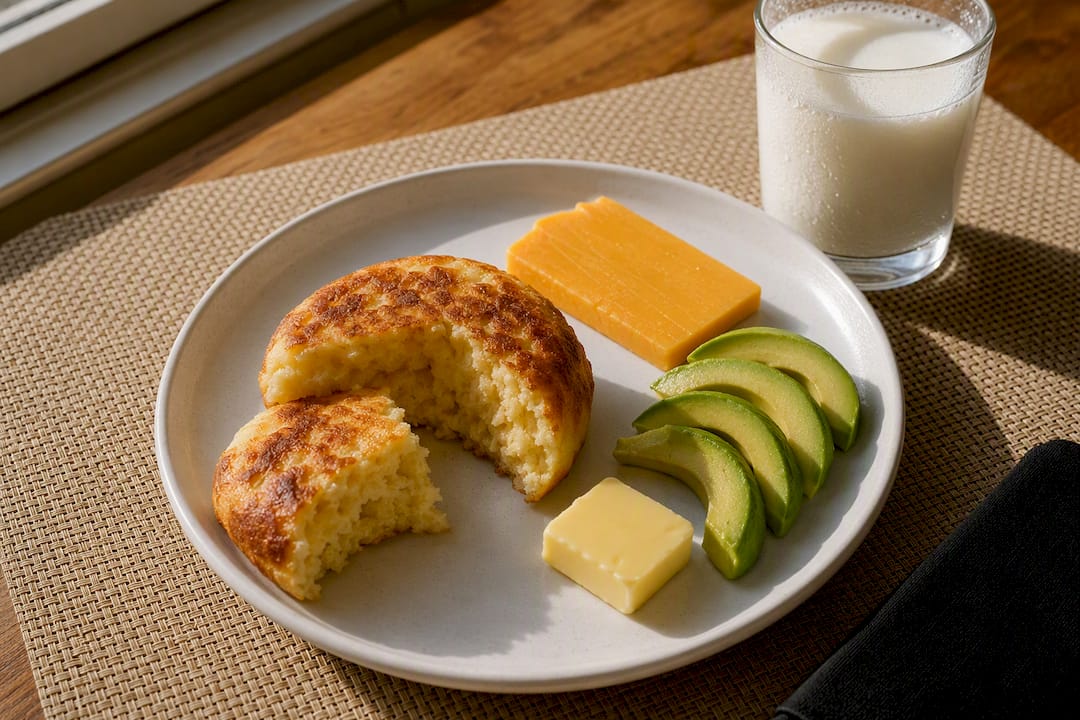
For drinks, cold milk is the classic companion, especially for kids heading to school with a bulla in hand. Cherry malt, a sweet carbonated soda, is another traditional pairing that shows up at corner shops.
Bulla’s role as a street snack, school lunch item, and quick breakfast comes down to practicality: it’s cheap, it doesn’t need refrigeration right away, and it fills you up.
More modern takes lean into both directions:
- Toasted with a smear of peanut butter or jam
- Topped with whipped cream cheese for a dessert-style twist
- Served alongside savory dips as an appetizer at gatherings
Where Did Bulla Cake Come From?
The name traces back to the Spanish words bolla or bollo, both meaning “bun,” a linguistic fingerprint of Jamaica’s layered colonial history. Bulla earned its place in Jamaican foodways largely because it was cheap to make and kept well without refrigeration, qualities that made it a practical choice for families with limited means.
That affordability shaped its reputation. Bulla became known as something close to a food of struggle, a snack that stretched a small amount of flour, sugar, and spice into something filling and portable. Schoolchildren carried it in their lunch bags, and laborers grabbed it as a quick bite between shifts. That history is part of why bulla still carries a nostalgic weight for many Jamaicans today, even as it now shows up in bakeries and specialty stores far from the island.
The cake reflects a broader pattern in Jamaican cooking: turning modest ingredients into something with real character through spice and technique rather than expense.
Baking and Storage Tips for the Best Texture
Two things separate a good bulla from a disappointing one: how you handle the dough and what kind of ginger you use.
Mix the dough only until it comes together. Because bulla has no egg to soften the crumb, overworking it develops gluten the same way overkneading bread dough does, and the result turns rubbery instead of tender. Fresh ginger delivers the sharper, more authentic kick that defines traditional bulla; ground ginger works in a pinch but produces a noticeably milder flavor.
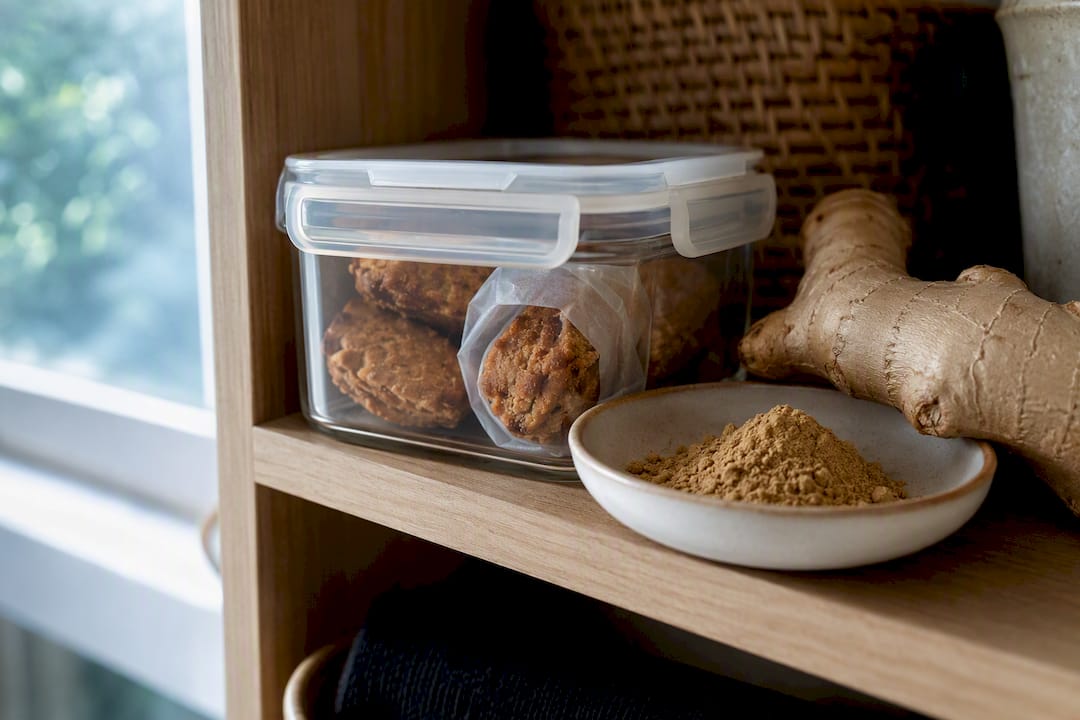
Pro Tip: Store finished bulla in an airtight container at room temperature for a few days. For longer storage, wrap individual pieces and freeze them, then reheat briefly in a warm oven or toaster oven to bring back that just-baked chewiness.
Why Bulla Belongs in Our Caribbean Lineup
We stock bulla-adjacent staples because this cake represents exactly the kind of everyday Caribbean comfort food our customers grew up on. Look for Jamaican ginger extract and spice substitutes in our aisles if you’re baking your own batch at home.
A Publisher’s Take on Bulla Cake
Bulla gets overshadowed by flashier Caribbean sweets, and that’s a mistake. Its plainness is the point. This is a snack built for real life, not for showing off, and that honesty is worth preserving as more people outside Jamaica discover it.
— ANTONIO