
Cultural Ingredients in Home Cooking: A U.S. Buyer's Guide
TOJEXPRESS.COM-Antonio HenryTL;DR:
- Cultural ingredients help preserve culinary traditions, emotional bonds, and cultural identity across generations. Access to specialty markets is crucial for maintaining authentic flavors and techniques in diaspora communities. Shopping regularly for key ingredients fosters food heritage and strengthens community ties.
Cultural ingredients turn recipes into memory, identity, and distinct flavor anchors that make home cooking recognizable across generations. A 2020 cross-country study involving adults in the U.S. and U.K. found that people define “home cooking” primarily through emotional, social, and cultural values, not health metrics. Research on diaspora communities confirms that access to specialty marketplaces is what keeps culinary traditions alive when families are far from home.
Three things cultural ingredients deliver right away:
- Flavor authenticity: The specific aromatics, spices, and preserved goods that make a dish taste like the original, not a generic approximation.
- Cultural transmission: Cooking with these items passes recipes, rituals, and values to the next generation in a way no cookbook alone can.
- Practical cooking advantages: Many traditional ingredients, from fermented sauces to whole dried spices, extend shelf life and anchor multiple dishes at once.
Table of Contents
- Why cultural ingredients matter beyond flavor
- How cultural ingredients shape technique, flavor, and the meaning of dishes
- What blocks people from using cultural ingredients, and what helps
- Where to find American and Caribbean cultural ingredients in the U.S.
- Your Caribbean pantry starter list
- Practical steps to start using cultural ingredients consistently
- How buying cultural ingredients preserves food heritage and strengthens community
- A simple 7-day Caribbean dinner plan
- Key Takeaways
- What I’ve learned stocking Caribbean pantries
- Tojexpress: your source for Caribbean and American groceries
- Useful sources and further reading
Why cultural ingredients matter beyond flavor
The 2020 U.S./U.K. study identified three themes that define what people actually mean by “home cooking”: cooking from scratch, demonstrating love and care, and nostalgia. None of those themes are about calories or macros. They are about connection. When a Jamaican household simmers oxtail with allspice and scotch bonnet, or a Southern kitchen fills with the smell of cornbread, the ingredient list is doing social work, not just culinary work.
Diaspora research backs this up. Fieldwork among Syrian, Afghan, and Coptic communities shows that ingredient access shapes cultural continuity directly. When families can find the right spices and preserved goods, they cook traditional dishes. When they cannot, the recipes quietly disappear within a generation.
Spices and herbs alone account for 18.81% of identified ingredients in Syrian diaspora cuisine taxonomies — a reminder of how concentrated the flavor identity of a cuisine can be in a small number of items.
Non-flavor benefits of cooking with cultural ingredients:
- Preserves family memory and kinship rituals tied to specific meals
- Gives cooks control over their food supply, a key motivation families cite above nutrition
- Creates shared experiences that reinforce cultural identity across generations
- Supports taste diversity and emotional wellbeing at the table
How cultural ingredients shape technique, flavor, and the meaning of dishes
Cultural ingredients influence aroma, texture, preservation, and the ritual role a dish plays in a family’s life. That is a wider job than seasoning.
Some ingredients are what practitioners call “flavor anchors”: the two or three items in a recipe that, if removed, make the dish unrecognizable. In Caribbean cooking, those anchors are typically allspice (pimento), scotch bonnet pepper, and fresh thyme. In Jamaican jerk, the smoke and the allspice are inseparable from the dish’s identity. In a Trinidadian pelau, the browning of sugar and the green seasoning base define the flavor before anything else goes in the pot.
Beyond flavor, certain ingredients dictate technique. Salted codfish (saltfish) requires overnight soaking and specific desalting steps. Fermented pepper sauces need time and temperature control. Smoked meats carry a preservation logic that shapes how long a dish can be stored and reheated. Lose the ingredient, and you often lose the method along with it.
Pro Tip: Before you shop for a new recipe, identify the two or three items that are truly non-negotiable for that dish’s identity. Buy those first. Everything else can be approximated or swapped without losing the soul of the recipe. This is the flavor anchors approach practitioners recommend when ingredient access is limited.
Caribbean flavor anchors worth knowing:
- Allspice (pimento berries or ground)
- Scotch bonnet or habanero pepper
- Fresh thyme and green onion (scallion)
- Coconut milk (canned works well)
- Browning sauce or caramel coloring
What blocks people from using cultural ingredients, and what helps
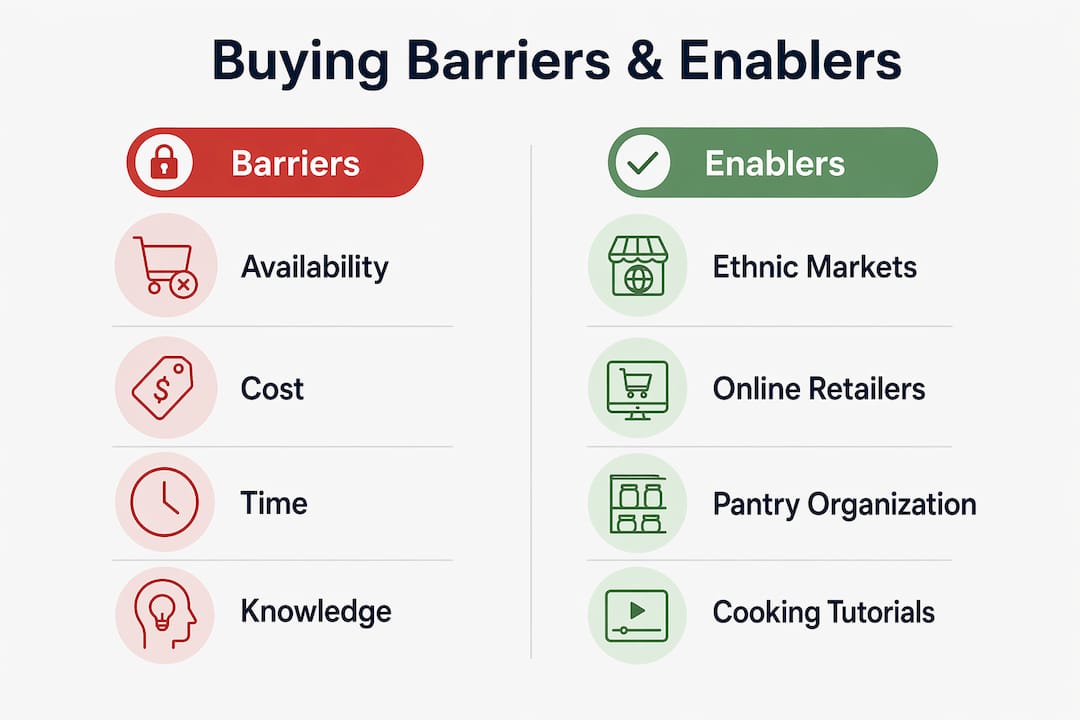
The top barriers are availability, cost, time, and the absence of someone who showed you how. An integrative review of qualitative studies found that role models, confidence, and planning are the strongest facilitators of home cooking, while lack of childhood exposure and time pressure are the most common barriers.
| Barrier | Practical enabler |
|---|---|
| Hard to find locally | Online specialty retailers or ethnic markets |
| Higher cost per item | Buy whole spices in bulk; they last longer |
| Time to prep | Batch-cook bases (green seasoning, sofrito) and freeze |
| No one to learn from | Video tutorials + community cooking groups |
Pro Tip: Dedicate one shelf or bin in your pantry exclusively to Caribbean or cultural ingredients. Label it, group items by use (spices together, preserved goods together), and you cut the mental load of traditional cooking in half. The time cost drops when you are not hunting for items.
Where to find American and Caribbean cultural ingredients in the U.S.
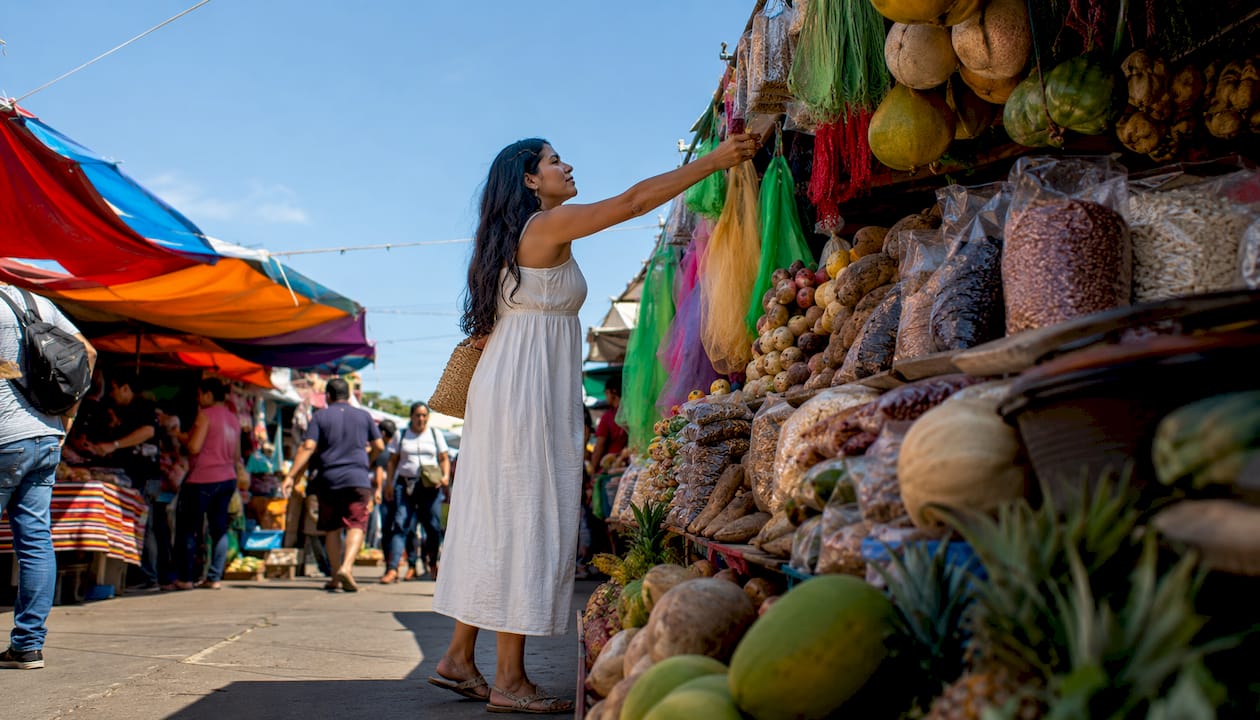
The most reliable sources for Caribbean and regional American specialty items are local ethnic markets, online specialty grocers, and community-focused stores like Tojexpress. In cities with large Caribbean populations, such as Atlanta, Miami, New York, and Houston, dedicated Caribbean grocery stores carry everything from green seasoning to ackee and saltfish. Smaller towns require more planning.
Channels to check:
- Local ethnic and Caribbean markets: Best for fresh produce, whole spices, and hard-to-find preserved goods. Ask the shopkeeper by describing the dish, not just the ingredient name. “I need the pepper for jerk” gets you further than “scotch bonnet” in some stores.
- Online specialty retailers: Ship nationally and often carry a wider range than any single local store. Tojexpress offers Caribbean and American groceries online and in-store.
- Mainstream supermarket ethnic aisles: Useful for coconut milk, canned ackee, and some seasoning blends. Selection varies widely by location.
- Farmers’ markets and CSAs: Good for fresh aromatics like thyme, scallion, and hot peppers during growing season.
- Community co-ops: Often stock specialty items sourced from local immigrant-owned farms or vendors.
Atlanta shoppers have a growing advantage. The city’s Caribbean food scene has expanded significantly, with more specialty options in Stone Mountain, Decatur, and Lithonia.
Your Caribbean pantry starter list
A functional Caribbean pantry starts with 10–12 items that cover the flavor base for most traditional dishes. You do not need everything at once.
Spices and blends:
- Allspice (whole and ground)
- Curry powder (Caribbean-style, not Indian)
- Dried thyme
Aromatics:
- Scotch bonnet or habanero peppers (freeze extras)
- Scallion and garlic (fresh or frozen)
Preserved goods:
- Salted codfish (saltfish)
- Canned ackee
- Coconut milk (canned)
Starches and grains:
- Long-grain white rice
- Dried kidney beans or canned
Sauces and condiments:
- Browning sauce
- Green seasoning (bottled or homemade)
Storage notes: whole spices stay potent for up to two years in airtight containers away from heat. Freeze scotch bonnets in a zip bag and pull one out as needed. Saltfish keeps refrigerated for weeks once opened. When saltfish is unavailable, smoked herring or smoked mackerel preserves a similar briny, preserved-fish character in rice dishes and stews.
Practical steps to start using cultural ingredients consistently
Small changes, repeated often, build a sustainable habit faster than one ambitious cooking project.
- Buy one new cultural ingredient per week. One item is low-risk and low-cost. Try it in a familiar dish first.
- Label and group pantry items by cuisine. Caribbean section, American South section. Visibility drives use.
- Batch-cook flavor bases. Green seasoning, jerk marinade, and sofrito freeze well. Make a large batch on Sunday and use it across three meals.
- Start with familiar formats. Introduce scotch bonnet in a rice dish before a full pepper pot. Gradual flavor layering works better than a full switch.
- Repeat the same dish three times. Confidence comes from repetition. Cook the same recipe until it feels natural, then add a new one.
Pro Tip: Treat your weekly grocery trip as a ritual with a focused list built around flavor anchors, not exhaustive replication. You will spend less, waste less, and cook more.
How buying cultural ingredients preserves food heritage and strengthens community
Every purchase of a specialty ingredient is a small vote for the market that stocks it. Ethnic grocery stores function as community hubs where recipes get exchanged, sourcing tips spread, and cultural knowledge stays alive outside of formal institutions. When those stores close, the knowledge often goes with them.
Individual actions connect to collective outcomes:
- Buying from ethnic markets keeps those businesses viable and their ingredient selection wide
- Cooking traditional dishes at home creates teaching moments for children and younger family members
- Sharing meals with neighbors from different backgrounds spreads culinary knowledge organically
- Supporting small vendors and local producers keeps food heritage rooted in real communities
A 2025 critical review frames the decline of home cooking as both a cultural and public-health issue, recommending structural support including investment in local food systems and ethnic markets. Shopping intentionally is one way individuals participate in that structure.
A simple 7-day Caribbean dinner plan
This plan uses the starter pantry above. Every meal pulls from the same core ingredients to cut waste and reduce shopping trips.
| Day | Dinner | Key pantry items used |
|---|---|---|
| Monday | Rice and peas with kidney beans | Rice, kidney beans, coconut milk, thyme |
| Tuesday | Saltfish and ackee | Saltfish, canned ackee, scallion, scotch bonnet |
| Wednesday | Jerk chicken (oven or grill) | Allspice, scotch bonnet, thyme, browning sauce |
| Thursday | Curry chicken | Curry powder, coconut milk, garlic, scallion |
| Friday | Stewed kidney beans over rice | Kidney beans, browning sauce, thyme, garlic |
| Saturday | Coconut fish stew | Saltfish or fresh fish, coconut milk, scotch bonnet |
| Sunday | One-pot rice with vegetables | Rice, green seasoning, thyme, kidney beans |
Shopping list for the week: long-grain white rice, dried or canned kidney beans, canned ackee, salted codfish, coconut milk (4 cans), scotch bonnet peppers, scallion, garlic, allspice, curry powder, dried thyme, browning sauce, green seasoning.
Batch-cook the rice and beans on Monday and Thursday. Freeze half the jerk marinade for next week. Most of these meals take under 45 minutes once the pantry is stocked.
Key Takeaways
Cultural ingredients are the fastest path to authentic flavor and the most direct way to keep food heritage alive across generations in U.S. households.
| Point | Details |
|---|---|
| Flavor anchors matter most | Identify the 2–3 non-negotiable ingredients per dish before shopping. |
| Identity, not just taste | Research shows home cooking’s value is emotional and cultural, not primarily nutritional. |
| Access drives tradition | Diaspora research confirms that specialty market access directly determines whether culinary traditions survive. |
| Start small, repeat often | One new ingredient per week, cooked in a familiar format, builds lasting confidence. |
| Tojexpress stocks what you need | Caribbean and American grocery staples are available online and in-store for Atlanta-area shoppers. |
What I’ve learned stocking Caribbean pantries
Most people overthink this. They see a recipe with twelve unfamiliar ingredients and put the cookbook down. The truth is that Caribbean cooking, like most traditional cuisines, runs on a short list of flavor anchors. Get allspice, scotch bonnet, thyme, and coconut milk right, and you can build most of the classics from there.
At Tojexpress, the customers who cook most consistently are not the ones who buy everything at once. They are the ones who come back weekly for one or two items, rotating through the pantry staples as they work through recipes. That rhythm is what keeps cultural cooking alive in a busy household. It is also what keeps the store’s specialty selection worth maintaining.
For shoppers in the Atlanta area, the Caribbean culinary roots of this city run deep. The ingredients are here. The knowledge is here. The only thing missing is the first trip.
Tojexpress: your source for Caribbean and American groceries
Tojexpress carries the Caribbean and American pantry staples this article covers, available online and in-store for shoppers in Atlanta, Stone Mountain, Decatur, Lithonia, and surrounding areas. No hunting across three stores for saltfish, scotch bonnet, and browning sauce separately.

Browse the general grocery selection for pantry essentials including seasoning blends, canned goods, preserved fish, and staple grains. Pick up Caribbean snacks to introduce new flavors to family members at low stakes. Stock is updated regularly to reflect what Caribbean home cooks actually need, not just what mainstream retailers carry.
Visit Tojexpress online or in-store to fill your pantry this week.
Useful sources and further reading
| Source | What it covers |
|---|---|
| Perceptions of ‘Home Cooking’ (PubMed, 2020) | U.S./U.K. qualitative study on emotional and cultural definitions of home cooking |
| Diaspora ingredient ecology study (Springer, 2025) | Fieldwork on how diaspora communities source and adapt cultural ingredients |
| Home cooking facilitators and barriers (SciELO) | Integrative review of role models, confidence, and planning as cooking enablers |
| Decline of home cooking review (WJARR, 2025) | Critical review framing home cooking decline as a cultural and public-health issue |
| Ingredient adaptation strategies (PubMed) | Practitioner guidance on flavor anchors and sensible substitutions |
| Mayan food traditions and ancient techniques | Background on regional ingredient heritage and traditional culinary methods |
Tojexpress blog posts for deeper reading:
- What is Caribbean cuisine? 7 influences that shape bold flavors
- The role of food in Caribbean diaspora identity
- Multicultural foods in Atlanta: benefits worth exploring
- Role of everyday grocery in cultural culinary life