
What Is Convenience Store Service? a Consumer's Guide
TOJEXPRESS.COM-Antonio HenryTL;DR:
- Convenience stores now offer a wide range of services including food, financial options, and community-specific products, prioritizing speed and accessibility.
- Foodservice has become central to their revenue, with prepared foods making up most sales and digital ordering expanding their offerings.
- They are designed to provide quick, reliable access to essentials, operating often 24/7, with focus on efficiency over extensive selection.
Most people think convenience stores are just for grabbing a bag of chips or a quick energy drink. That picture is outdated. What is convenience store service, really? It’s a full retail and service model built around giving you fast access to everyday essentials, prepared food, financial services, and more, all in one compact, accessible location. Modern convenience stores like Tojexpress carry everything from American staples to Caribbean specialty products, making them far more than a pit stop. This guide breaks down exactly what you get, how it works, and why it matters for your daily routine.
Table of Contents
- Key takeaways
- What convenience store service actually means
- How convenience store foodservice has evolved
- How the customer experience is designed for speed
- Benefits of convenience store services vs. grocery shopping
- My take: the convenience store is the most underrated retail format
- Explore what Tojexpress brings to your neighborhood
- FAQ
Key takeaways
| Point | Details |
|---|---|
| More than snacks | Convenience stores offer food, beverages, financial services, and daily essentials under one roof. |
| Foodservice is central | Prepared foods account for nearly 74% of convenience store foodservice sales, not an afterthought. |
| Speed defines the model | The entire layout and product mix is engineered for quick trips and fast checkout. |
| Extended hours matter | Many c-stores operate 24/7, making them reliable when grocery stores are closed. |
| Digital options are growing | Online ordering and third-party delivery are expanding what convenience stores can do for you. |
What convenience store service actually means
The term gets used loosely, so let’s be specific. NACS defines convenience stores as retail locations designed for fast purchases of consumables, often including gasoline, with extended hours that set them apart from traditional grocery outlets. That definition sounds simple, but the actual scope of services inside a modern c-store is much broader than most shoppers realize.
At its core, a convenience store service is a quick-stop retail system that gives you access to a curated range of products and add-on services without the time investment of a supermarket run. Think of it as proximity retail. You are not there to do the weekly shopping. You are there to solve a specific need fast, whether that is breakfast on the way to work or a late-night snack after the grocery store has closed.
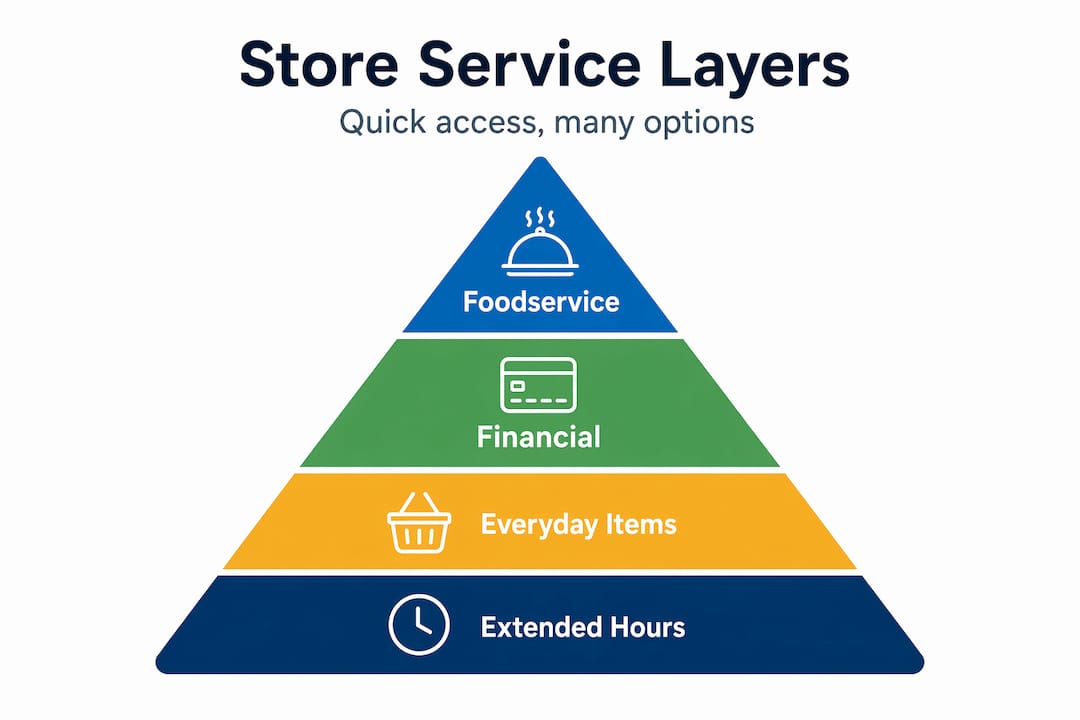
Here is a practical breakdown of what most convenience stores include:
Products typically available:
- Snacks, candy, and packaged foods
- Hot and cold beverages including coffee, tea, and fountain drinks
- Tobacco and vaping products
- Basic grocery items like bread, milk, and eggs
- American and international specialty products (like those found at Tojexpress)
Common add-on services:
- ATMs and cash back at checkout
- Bill payment kiosks
- Lottery tickets
- Fuel and car care basics
- Photocopying and prepaid phone cards
These bundled services exist to reduce friction. The goal is for you to handle multiple small tasks in a single stop rather than driving to three different locations. That bundling is a big part of what separates c-stores from a standalone vending machine or a dollar store.
Pro Tip: If you use ATM or bill payment services at a convenience store regularly, check whether your preferred location charges third-party fees. Some c-stores offer fee-free ATM access as a loyalty perk.
One more thing worth knowing: extended hours are a defining feature of the convenience store model. Many locations operate 24/7, which means the service is available when other retail options simply are not.
| Service category | Examples | Available at grocery? |
|---|---|---|
| Quick food and beverage | Coffee, hot dogs, sandwiches | Sometimes |
| Financial services | ATM, bill pay, lottery | Rarely |
| Fuel | Gasoline, diesel | No |
| Specialty products | Caribbean goods, imports | Rarely |
| Extended hours | 24/7 access | Almost never |
How convenience store foodservice has evolved
Ten years ago, prepared food at a convenience store meant a sad hot dog rolling under a heat lamp. That era is over. Foodservice has become the engine of modern c-store revenue, and the numbers back this up.
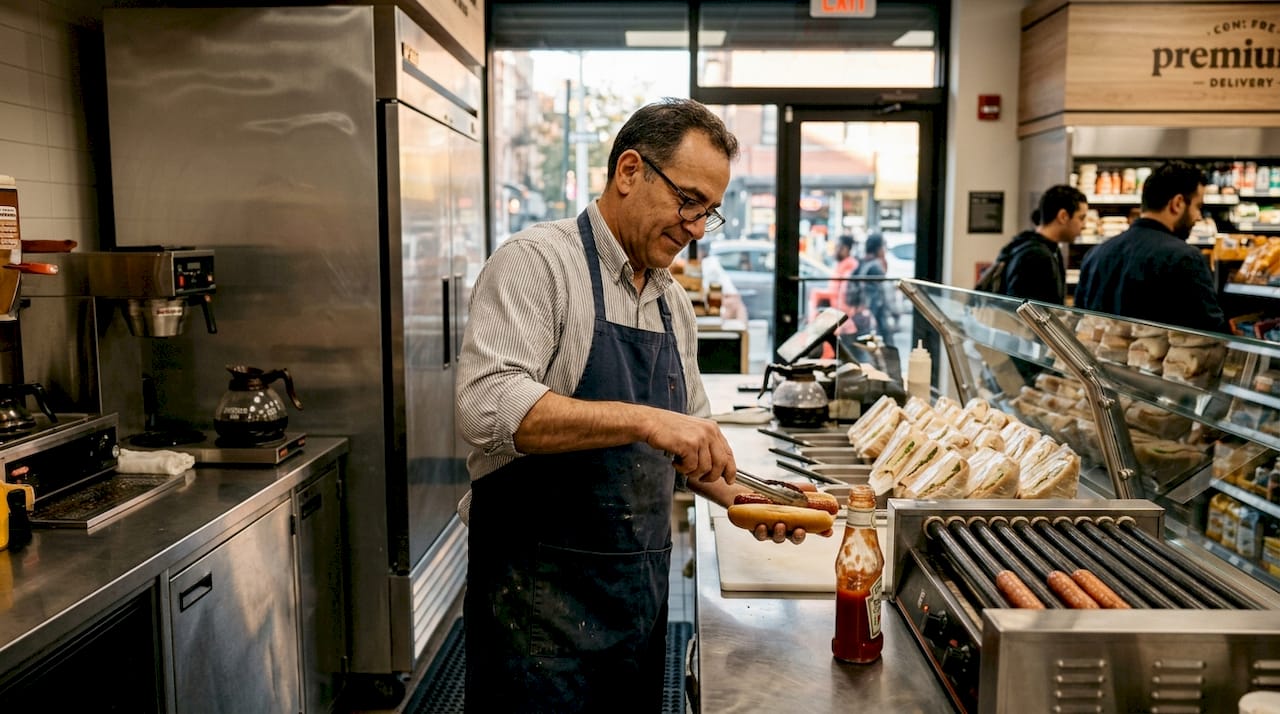
Foodservice accounted for 28.5% of U.S. convenience in-store sales in 2025 and generated 38.9% of in-store gross profit dollars. Prepared foods like sandwiches, pizza, and burritos made up nearly 74% of those foodservice sales. That tells you something important. Prepared food is not an add-on anymore. It is a primary reason people walk through the door.
The expansion goes beyond what you see behind the counter. Digital ordering has entered the convenience store space in a real way. Chains like double kwik have launched branded online ordering through platforms like Lula Direct, letting customers browse inventory and promotions before they ever leave home. Third-party delivery apps now include c-store locations in many metro areas, which means you can get a convenience store run delivered to your door in under 30 minutes.
Here is what the modern convenience store foodservice picture looks like:
- Hot prepared meals (breakfast sandwiches, fried chicken, pizza by the slice)
- Fresh cold items (salads, wraps, grab-and-go sushi at higher-end locations)
- Specialty coffee and espresso programs competing directly with coffee chains
- Plant-based and protein-rich options for health-conscious shoppers
- Made-to-order options at select locations
Pro Tip: If you are buying prepared food from a convenience store for the first time, visit during peak hours like morning rush or lunch. That is when items are freshest and turnover is highest. Buying a hot sandwich at 11 p.m. is a different experience than grabbing one at 8 a.m.
The growth of healthier options on c-store shelves, including functional beverages, protein snacks, and plant-based items, reflects a real shift in who shops at these stores and what they expect. Younger shoppers especially treat certain convenience stores as a legitimate food destination, not a last resort.
How the customer experience is designed for speed
Understanding the operational model behind convenience stores helps you use them better. The entire experience, from how shelves are stocked to where the checkout counter sits, is designed around one goal: get you in and out fast.
96% of shoppers visited a c-store at least twice in 2024, according to NielsenIQ. That kind of repeat traffic is built on reliability and speed, not on a massive product catalog. Here is how the operational model supports that:
- Compact layout. Products are organized so the most frequently grabbed items (beverages, snacks, hot food) are immediately visible from the entrance. You do not need a cart or a map.
- Limited but curated SKUs. Unlike a grocery store with 40,000 items, a c-store stocks a focused selection. That cuts decision time and moves you through the store faster.
- Single-line checkout. Most c-stores use one register or a compact multi-lane setup that prevents bottlenecks during rush periods.
- Self-checkout and mobile pay options. Many modern locations now accept tap-to-pay and digital wallets, shaving seconds off every transaction.
The contrast with traditional grocery shopping is sharp. A grocery run takes an average of 41 minutes according to retail research, including travel, browsing, and checkout. A convenience store visit is typically under 5 minutes. That difference is not accidental. It is a design choice made at every level of the store.
Where things get complicated is in the kitchen. Foodservice equipment must perform consistently across long operating hours. If the coffee machine breaks at 7 a.m. or the hot food case goes down at noon, customers do not wait. They leave and may not return. That operational reliability is one of the biggest challenges c-store operators face today, and it directly affects your experience as a shopper.
Pro Tip: If your regular convenience store keeps running out of a specific item, ask the staff about restock schedules. Many locations receive deliveries on predictable days, and knowing that schedule means you can shop when selection is at its best.
Benefits of convenience store services vs. grocery shopping
So when should you actually choose a convenience store over a grocery store? The honest answer is: more often than you probably do right now. Here is why.
Modern convenience stores are evolving into community spaces with seating, curated product selections, and amenities that appeal to shoppers who want more than a transactional stop. Retailers like Shell Café have leaned into a boutique café feel. That shift is happening across the industry, and it changes the value equation for shoppers.
Here are the clearest benefits you get from using convenience store services:
- Speed. No long aisles, no hunting for a cart, no waiting behind someone with a full week’s worth of groceries. You get what you need and leave.
- Accessibility. C-stores are positioned in neighborhoods, near transit hubs, and along commute routes by design. Grocery stores cluster in specific zones.
- 24/7 availability. When you need something at midnight, the convenience store is there.
- One-stop bundling. You can grab a meal, pay a bill, pull cash from an ATM, and fill up your gas tank in a single stop.
- Specialty product access. Stores like Tojexpress stock American and Caribbean products that you simply will not find in a standard grocery chain. That kind of specialty product variety is a genuine differentiator.
- Expanding healthy options. Functional beverages, protein-forward snacks, and fresh grab-and-go meals are no longer rare in well-run c-stores.
The trade-off is price and selection depth. C-stores charge a premium on many items because their model relies on high margin per transaction rather than volume. For a weekly grocery haul, a grocery store wins on cost. For a targeted, time-sensitive purchase, the convenience store usually wins on everything else.
My take: the convenience store is the most underrated retail format
I have spent a lot of time thinking about how people shop and why they make the choices they do. Here is what I keep coming back to: most consumers dramatically underestimate how much a well-run convenience store can do for their daily life.
The old mental model, a dusty rack of chips and an indifferent cashier, does not match what a good c-store looks like in 2026. What I find genuinely interesting is how the foodservice shift has changed the entire relationship between shoppers and these stores. Prepared food driving nearly 39% of gross profit is not a coincidence. It reflects operators taking quality seriously because they had to.
What I also think gets missed is the cultural value of stores that carry products tied to specific communities. A convenience store stocking Caribbean sodas, seasonings, and specialty snacks is doing something a generic grocery chain rarely does: it is serving a real community need with specificity. That is not a small thing. It is actually where the format shines most.
The challenge I see is in consistency. Foodservice reliability across long operating hours is genuinely hard to execute, and when a store fails at it, the damage to trust is fast. The best operators understand that speed and quality are not opposites. They are both requirements. Consumers today will find out quickly if a store cannot deliver both, and they vote with their feet.
My advice: stop thinking of the convenience store as a fallback option. Use it intentionally, and you will find it delivers real value that larger retail formats cannot match.
— ANTONIO
Explore what Tojexpress brings to your neighborhood
If this look at convenience store services made you rethink what your local c-store can actually offer, Tojexpress is worth a closer look. We carry a curated mix of American and Caribbean products that you will not find stacked together anywhere else in metro Atlanta.
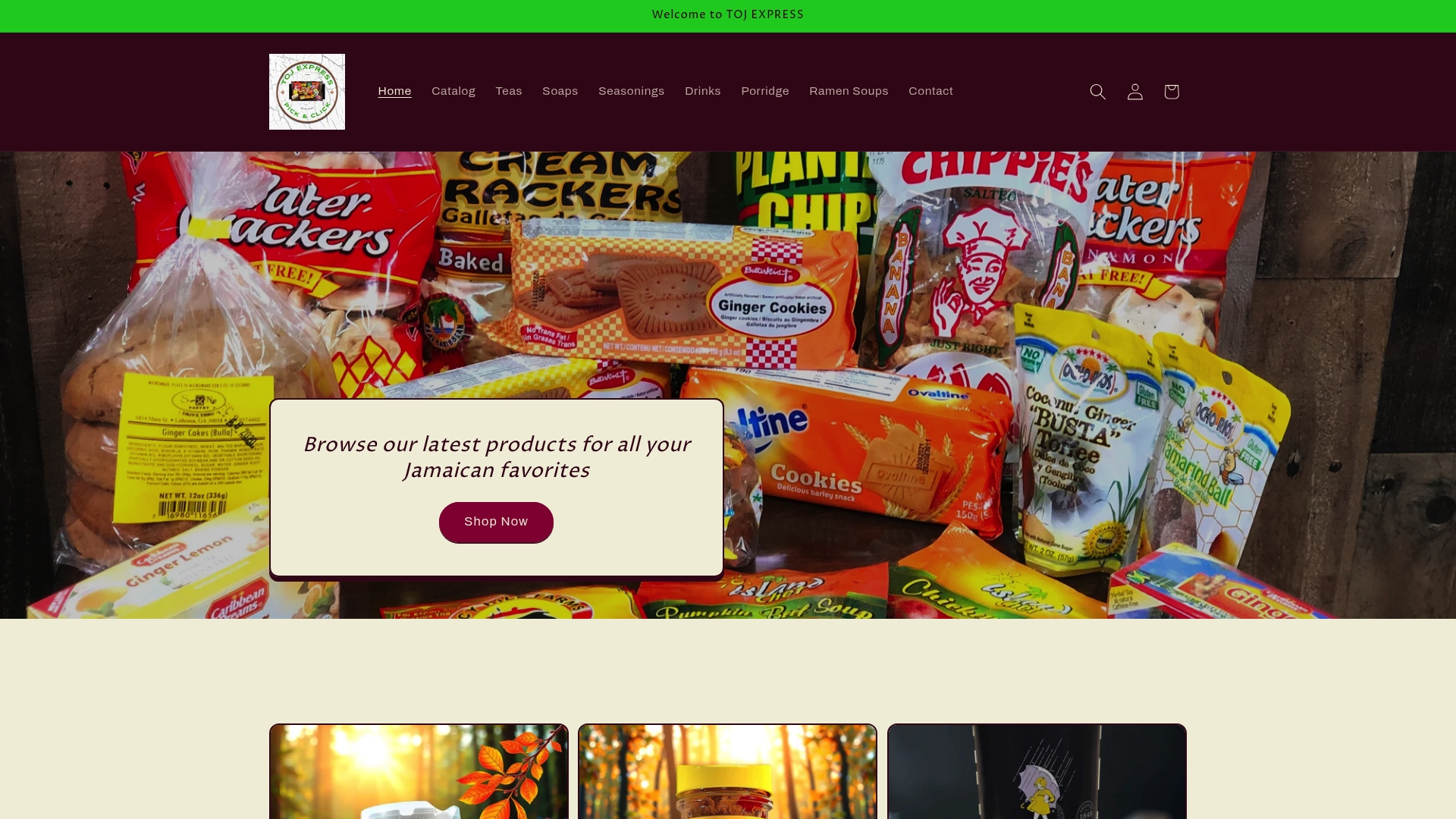
At Tojexpress, the focus is on giving you fast access to the products you actually want, without the oversized store and the oversized time commitment. Whether you are picking up Caribbean seasonings, American snack favorites, or a quick prepared item, the convenience store difference is real and tangible when the product mix is right. Stop in and see the full selection, or visit Tojexpress online to learn more about what we carry and how we serve our community.
FAQ
What is convenience store service in simple terms?
Convenience store service is a retail model built for fast, easy purchases of everyday items like food, beverages, and household basics, often alongside add-on services like ATMs, fuel, and bill payment. The goal is to solve multiple small needs in one quick stop.
What services do convenience stores typically offer?
Beyond snacks and drinks, convenience stores commonly offer ATMs, lottery tickets, bill payment kiosks, fuel, prepared hot food, coffee programs, and increasingly digital ordering and third-party delivery.
How does convenience store service differ from grocery shopping?
Convenience stores prioritize speed and accessibility over selection and price. Visits average under 5 minutes, stores are open longer hours, and the product mix is curated for quick decisions rather than a full weekly shop.
Are convenience store food options actually good now?
Yes. Prepared foods like sandwiches, pizza, and fresh items now account for nearly 74% of foodservice sales in U.S. convenience stores, and quality has risen significantly as operators compete on food rather than just location.
Why do convenience stores carry specialty or international products?
Many convenience stores serve specific communities and stock products that reflect local cultural preferences. Stores like Tojexpress carry American and Caribbean goods specifically because those products meet real demand that mainstream grocery chains often overlook.