
How convenience stores meet metro Atlanta's daily needs
TOJEXPRESS.COM-Antonio HenryConvenience stores have become essential to daily life in metro Atlanta, serving busy professionals and families who need quick access to everyday essentials. While many shoppers assume these stores can fulfill all their grocery needs, the reality is more nuanced. Convenience stores excel at providing fast, accessible American staples and ready-to-eat foods, but they rarely stock authentic Caribbean products that many metro Atlanta residents seek. This article explores how convenience stores complement specialty ethnic markets, examining their distinct roles in serving the region’s diverse consumer base and explaining when each store type best meets your shopping needs.
Table of Contents
- Key takeaways
- How convenience stores serve busy Atlanta consumers
- The Caribbean products gap: Specialty markets vs. convenience stores
- Consumer patterns and nuanced roles of convenience and specialty stores
- How convenience stores innovate for metro Atlanta shoppers
- Discover convenient Caribbean and American products at TOJ EXPRESS
- FAQ
Key Takeaways
| Point | Details |
|---|---|
| Quick access focus | Convenience stores excel at fast access to essentials and ready to eat foods, but they rarely stock authentic Caribbean products. |
| Round the clock access | Strategic locations near homes and offices with around the clock hours make them essential for time pressed shoppers. |
| Ethnic product gap | Specialty Caribbean markets fill cultural product gaps with authentic items, while convenience stores focus on high turnover mainstream goods. |
| Tech driven loyalty | Mobile apps and digital payments, loyalty programs, order ahead, and real time inventory enhance the convenience store shopping experience. |
How convenience stores serve busy Atlanta consumers
Convenience stores have mastered the art of serving time-pressed shoppers in metro Atlanta. Major chains like QuikTrip, RaceTrac, Circle K, and Buc-ee’s lead metro Atlanta with strategic locations that put essential products within minutes of most residents. These stores operate around the clock, making them invaluable for professionals working irregular hours, parents managing busy family schedules, and anyone needing essentials outside traditional retail hours.
The success of convenience stores in Atlanta stems from their operational excellence. Convenience stores excel in location convenience with ACSI scores of 82-83/100, reflecting their strategic placement near residential areas, office complexes, and major commuter routes. These stores have transformed from simple gas station add-ons into sophisticated retail operations that understand consumer behavior. Smart store layouts position milk, bread, and beverages at the front, allowing shoppers to grab essentials and exit within minutes. This design philosophy respects the time constraints of busy consumers who cannot afford lengthy shopping trips.
Foodservice has emerged as a critical differentiator for leading convenience stores. Top chains achieve customer satisfaction ratings approaching 80 out of 100 for their cooked food offerings, competing directly with fast food restaurants. This focus on quality prepared foods attracts repeat visits beyond fuel purchases, creating loyal customer bases. Many stores now feature expanded food sections with fresh sandwiches, salads, and hot meals that rival quick-service restaurants in quality and speed.
Technology integration further enhances the convenience store experience. Mobile apps from major chains offer:
- Digital payment options that eliminate checkout lines
- Loyalty programs with personalized rewards and discounts
- Order-ahead features for food items
- Real-time inventory checks for specific products
- Fuel price tracking and payment from your vehicle
These digital tools transform quick trips into seamless experiences, particularly valuable for professionals squeezing errands between meetings or parents coordinating family logistics. Understanding neighborhood stores’ role in food access helps explain why convenience stores have become essential infrastructure in metro Atlanta’s retail landscape.
Pro Tip: Download loyalty apps from your preferred convenience store chains like QuikTrip or RaceTrac to earn points on every purchase, access exclusive deals, and use mobile payment features that speed up checkout during busy morning rushes.
The Caribbean products gap: Specialty markets vs. convenience stores
The product selection at convenience stores reveals a fundamental limitation for metro Atlanta’s diverse population. While these stores excel at stocking American staples, snacks, beverages, and prepared foods, they typically omit authentic Caribbean products that many local families consider essential. This gap exists because convenience stores optimize inventory for maximum turnover of widely consumed items, not specialty ethnic foods with smaller but dedicated customer bases.
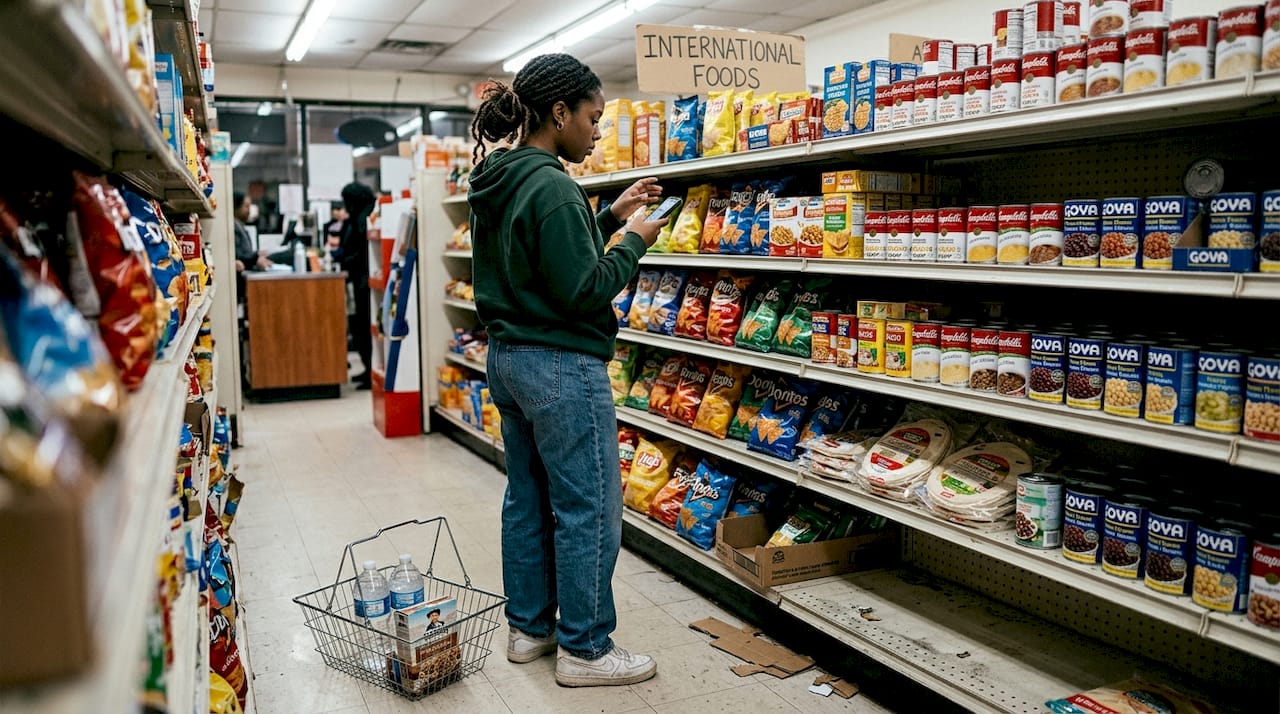
Convenience stores typically lack specialty Caribbean products like ackee and callaloo, which are foundational ingredients in Caribbean cooking. Instead, consumers seeking these items must visit dedicated ethnic markets scattered throughout metro Atlanta. Stores like Caribbean Farmers Market in Decatur and J&E Food Store in Stone Mountain serve as hybrid operations, offering both American staples and authentic Caribbean products. These specialty markets function more like small neighborhood grocers than quick-stop convenience stores, requiring more time for shopping but delivering cultural authenticity that convenience stores cannot match.
The following table illustrates the fundamental differences between these store types:
| Store characteristic | Convenience stores | Caribbean specialty markets |
|---|---|---|
| Primary product focus | American snacks, beverages, prepared foods | Caribbean staples, spices, fresh produce |
| Store function | Quick grab-and-go, 24/7 access | Small grocer, cultural hub |
| Cultural specialization | Minimal, mass-market American products | Deep Caribbean product knowledge |
| Typical shopper need | Speed, convenience, late-night access | Authenticity, specific ingredients, cultural connection |
| Shopping time required | 5-10 minutes | 20-45 minutes |
Caribbean staples generally absent from convenience stores include:
- Ackee, callaloo, and other traditional vegetables
- Scotch bonnet peppers and Caribbean spice blends
- Salt fish, oxtail, and specialty meats
- Plantains, yams, and tropical produce
- Caribbean sauces, seasonings, and condiments
- Traditional beverages like sorrel and mauby
This product gap necessitates a hybrid shopping strategy for many metro Atlanta residents. Savvy consumers use convenience stores for quick American staples, late-night needs, and prepared foods, while planning separate trips to ethnic markets for authentic Caribbean ingredients. Learning essential tips for finding Caribbean groceries helps optimize this dual-store approach. Understanding how to shop Caribbean groceries in Atlanta enables consumers to build efficient shopping routines that respect both time constraints and cultural food preferences.
Consumer patterns and nuanced roles of convenience and specialty stores
Shopper behavior in metro Atlanta reveals sophisticated decision-making about when to use convenience stores versus specialty markets. 74% of shoppers prioritize store location convenience, but this preference varies significantly based on what consumers seek. Urban residents often face different trade-offs than suburban shoppers, with some willing to travel farther for preferred quality or specific cultural products.
Consumers make strategic choices based on their immediate needs:
- Late-night emergencies or odd-hour needs drive consumers to 24/7 convenience stores regardless of product limitations
- Cultural cooking requirements push shoppers to ethnic markets even when convenience stores are closer
- Price-sensitive shopping for bulk staples leads families to larger grocers or specialty markets with better unit prices
- Quick breakfast or lunch needs during work hours favor convenience stores with quality foodservice
- Weekend meal planning often combines trips to both store types to maximize efficiency and product variety
The following data table shows how different shopper priorities influence store selection:
| Priority factor | Convenience stores | Specialty Caribbean markets |
|---|---|---|
| Location convenience | 9/10 (optimized placement) | 6/10 (fewer locations) |
| Product quality for prepared foods | 8/10 (improving foodservice) | 7/10 (limited prepared options) |
| Price competitiveness | 6/10 (convenience premium) | 8/10 (better bulk pricing) |
| Cultural authenticity | 3/10 (minimal ethnic products) | 10/10 (specialized inventory) |
| Service speed | 10/10 (optimized for quick trips) | 7/10 (more browsing required) |
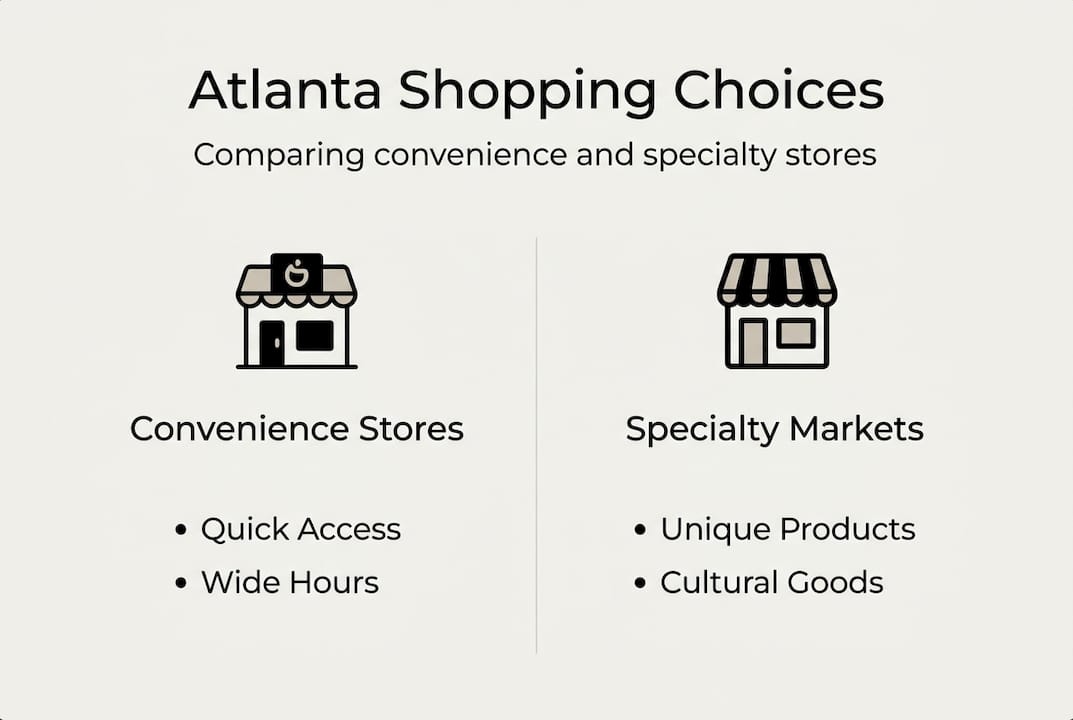
These patterns reveal that convenience stores and ethnic markets serve complementary rather than competing roles. Busy professionals grabbing morning coffee and a quick breakfast sandwich rely on convenience stores. Those same consumers might visit a Caribbean market on Saturday mornings to stock up on ingredients for traditional family meals. This dual-store pattern reflects the reality of modern urban life, where efficiency and cultural connection both matter.
Emerging trends add new dimensions to these shopping patterns. Some convenience stores now feature electric vehicle charging stations, attracting environmentally conscious consumers who shop while their vehicles charge. This creates longer dwell times than traditional quick stops, potentially opening opportunities for expanded product selections. However, even with these innovations, the fundamental product gap for Caribbean and other ethnic foods persists.
Pro Tip: Plan your weekly shopping strategically by combining a Saturday morning trip to your preferred Caribbean market for cultural staples with weekday convenience store visits for American products and prepared foods, maximizing both efficiency and authenticity while minimizing overall shopping time and travel costs. Understanding the 2026 Caribbean grocery savings guide helps optimize this hybrid approach.
How convenience stores innovate for metro Atlanta shoppers
Convenience stores continue evolving to meet changing consumer expectations in metro Atlanta. The most significant innovation involves foodservice quality improvements that challenge traditional fast food chains. Leading convenience stores now employ trained food preparation staff, invest in quality ingredients, and develop proprietary menu items that build brand loyalty. Convenience stores focus on foodservice quality, reaching satisfaction scores near fast food, with innovative items like the Brunch Burger attracting repeat customers who previously viewed convenience stores as last-resort food options.
Top convenience store chains build customer loyalty through local community connections, fair pricing strategies, and continuous foodservice innovation, achieving satisfaction ratings approaching 80 out of 100 for food quality while maintaining the speed advantages that define the convenience store category.
Community integration distinguishes successful convenience stores from competitors. Chains that sponsor local youth sports teams, support neighborhood events, and employ local residents create emotional connections beyond transactional retail relationships. Fair pricing strategies that avoid excessive markups on essentials build trust with regular customers who appreciate reasonable prices despite the convenience premium. These community ties foster loyalty that transcends simple location convenience.
Modern convenience store features that enhance the metro Atlanta shopping experience include:
- Mobile apps with integrated payment, loyalty rewards, and order-ahead capabilities
- Smart store layouts that position high-demand items for maximum accessibility
- Fresh food options including salads, sandwiches, and hot meals prepared on-site
- Loyalty programs offering personalized deals based on purchase history
- Clean, well-lit facilities with modern restrooms that welcome longer visits
- Expanded beverage selections including specialty coffees and fresh juice options
These innovations reflect a fundamental shift in how convenience stores position themselves. Rather than competing solely on location and hours, leading chains now emphasize experience quality, food innovation, and technology integration. This evolution benefits busy professionals and families who need reliable, fast options that do not sacrifice quality for speed. The focus on foodservice particularly resonates with consumers seeking alternatives to traditional fast food that offer similar convenience with potentially better nutritional profiles.
The convenience store category’s evolution also reflects broader retail trends toward experiential shopping and digital integration. Stores that successfully blend physical convenience with digital tools create seamless experiences that respect consumers’ time while building lasting relationships. Understanding why international foods enhance Atlanta’s culinary diversity provides context for how convenience stores might eventually expand ethnic product offerings, though significant barriers remain for authentic Caribbean products in this retail format.
Discover convenient Caribbean and American products at TOJ EXPRESS
While convenience stores excel at quick access to American staples, TOJ EXPRESS bridges the gap for metro Atlanta consumers seeking authentic Caribbean products without sacrificing convenience. We specialize in Caribbean and American snacks, drinks, and specialty items that complement your convenience store shopping, delivering cultural authenticity with the speed busy families and professionals need.
Our carefully curated selection includes authentic Caribbean and American snacks that bring island flavors to your pantry, Caribbean and American drinks featuring traditional beverages rarely found in conventional stores, and Caribbean and specialty teas that offer comfort and cultural connection. With fast shipping throughout metro Atlanta, TOJ EXPRESS provides the cultural products convenience stores cannot stock, creating the perfect complement to your existing shopping routine.
FAQ
What products do convenience stores typically carry in metro Atlanta?
Convenience stores in metro Atlanta focus on American staples including snacks, beverages, cigarettes, lottery tickets, and increasingly sophisticated prepared foods like sandwiches, salads, and hot meals. They stock high-turnover items optimized for quick trips rather than comprehensive grocery shopping. Authentic Caribbean products like ackee, callaloo, scotch bonnet peppers, and traditional spices are almost never available at conventional convenience stores, requiring visits to specialty ethnic markets for these cultural staples.
Are there convenience stores in metro Atlanta that offer Caribbean products?
Most convenience stores in metro Atlanta do not stock authentic Caribbean items due to inventory optimization for mass-market American products. Consumers seeking Caribbean staples should visit dedicated ethnic markets like Caribbean Farmers Market in Decatur or J&E Food Store in Stone Mountain, which function as small grocers specializing in cultural products. Learning tips for finding Caribbean groceries helps locate these specialty retailers efficiently.
How do convenience stores compete with fast food in Atlanta?
Convenience stores compete with fast food by investing heavily in foodservice quality and innovation. Convenience stores focus on foodservice quality, reaching satisfaction scores near fast food, using innovative items like the Brunch Burger to attract repeat customers. They leverage location advantages, faster service than drive-through lines, and increasingly sophisticated prepared food options that rival quick-service restaurants in taste while maintaining superior speed and convenience.
Why do busy professionals prefer convenience stores for daily shopping?
Busy professionals value convenience stores for their strategic locations near workplaces and commuter routes, 24/7 operating hours that accommodate irregular schedules, and optimized layouts enabling five-minute shopping trips. Mobile apps with digital payment and order-ahead features eliminate checkout friction, while improving foodservice quality provides reliable breakfast and lunch options. These factors make convenience stores ideal for time-pressed consumers who prioritize speed and accessibility over comprehensive product selection or the lowest possible prices.
How can metro Atlanta shoppers balance convenience with cultural food needs?
Metro Atlanta shoppers should adopt hybrid shopping strategies that use convenience stores for quick American staples and prepared foods while planning separate trips to ethnic markets for authentic Caribbean products. This approach respects both time constraints and cultural preferences, maximizing efficiency without sacrificing food authenticity. Strategic planning like Saturday morning ethnic market visits combined with weekday convenience store stops optimizes shopping time while ensuring access to both convenient American products and essential cultural ingredients that define home cooking traditions.