
Why convenience stores win: Speed, value, and accessibility
TOJEXPRESS.COM-Antonio HenryTL;DR:
- Convenience stores in Atlanta excel at providing fast, frictionless shopping experiences that save customers time. They also offer competitive prices, cultural product variety, and operational standards that foster loyalty. Maintaining cleanliness, safety, and accessibility is essential for building a trusted neighborhood retail destination.
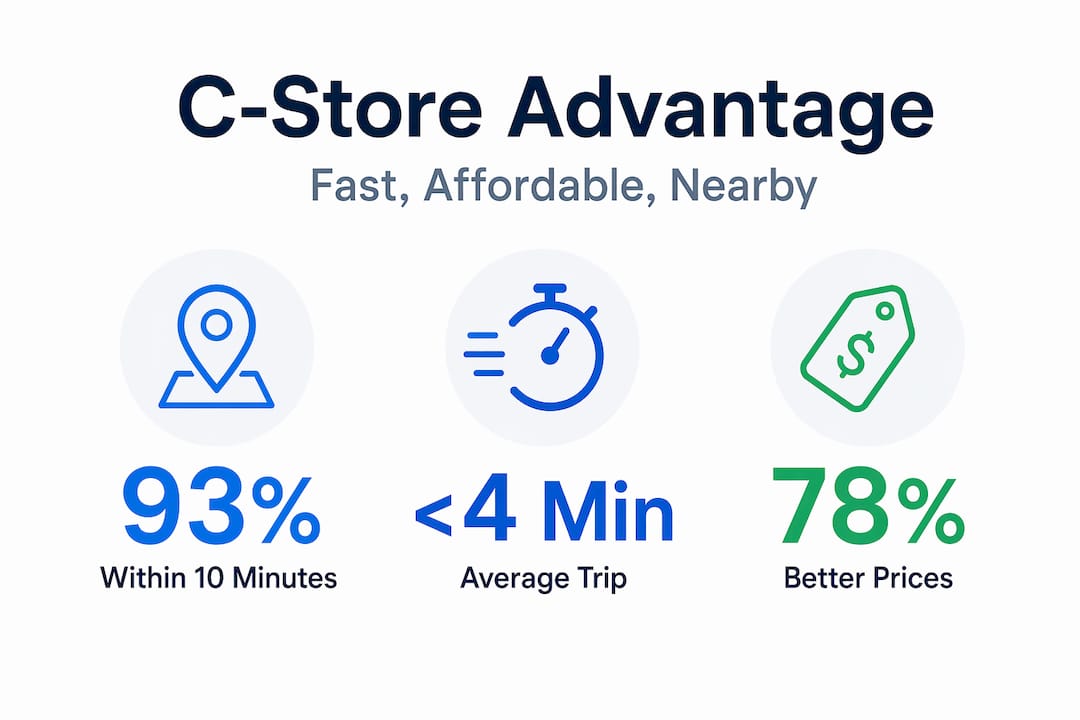
Walk into a convenience store in Atlanta and you could be back in your car in less time than it takes to read this introduction. Most shoppers complete a c-store trip in under 4 minutes, which is faster than nearly every fast-food drive-through in the city. Yet many Atlanta consumers still assume these stores are overpriced pit stops with limited options. The reality is completely different. Convenience stores have evolved into serious retail destinations that beat big-box stores on speed, rival grocery chains on value, and serve neighborhood communities in ways that massive supercenters simply cannot match.
Table of Contents
- Speed and frictionless shopping: The real edge
- Value and affordability: Why price matters more now
- Safety, cleanliness, and amenity quality: The must-haves
- Accessibility and smoothness: Geographic and digital advantages
- Fuel synergy: Why one-stop trips create repeat shopping
- The hidden challenge: Convenience must be earned every day
- Experience true convenience at TOJ Express
- Frequently asked questions
Key Takeaways
| Point | Details |
|---|---|
| Ultra-fast shopping | Convenience stores in Atlanta provide rapid trips—often completed in under four minutes. |
| Value-driven visits | 78% of shoppers say c-store prices are as good or better than fast food restaurants. |
| Operational standards matter | Cleanliness and safety are essential—shoppers will travel farther for higher standards. |
| Accessibility wins | 93% of Americans live within ten minutes of a convenience store, making them highly accessible. |
| Fuel fuels shopping | Fuel purchases strongly correlate with increased in-store visits and repeat shopping. |
Speed and frictionless shopping: The real edge
Time is the one thing you cannot buy back. Atlanta traffic already eats enough of your day, so every extra minute spent in a checkout line is a genuine cost. Convenience stores solve this problem better than any other retail format because their entire design is built around one goal: getting you in and out fast.
The data backs this up clearly. Customers spend under 4 minutes inside a convenience store on average, which is significantly faster than waiting in a fast-food drive-through lane. Anyone who has sat in a Chick-fil-A line on Peachtree during lunch knows exactly how painful a 12-minute wait feels. Convenience stores eliminate that friction entirely.
Several factors combine to create this speed advantage:
- Store layout keeps high-demand items like drinks, snacks, and grab-and-go meals near the entrance and checkout
- Short aisles reduce walking distance and mental fatigue from too many choices
- Single-counter checkout means no hunting for an open lane
- Proximity to home or work cuts travel time before you even walk through the door
| Shopping format | Average trip time | Products accessible |
|---|---|---|
| Convenience store | Under 4 minutes | Snacks, drinks, essentials, fresh food |
| Fast-food drive-through | 5 to 12 minutes | Limited food menu only |
| Grocery chain | 25 to 45 minutes | Full grocery selection |
| Supercenter | 45 to 90 minutes | Everything, but at a time cost |
That table tells a story. When you need one or two items for your household, or a quick meal solution before picking up your kids, no other format comes close to matching the convenience store’s time efficiency.
The experience of meeting daily needs without sacrificing your whole afternoon is what keeps Atlanta shoppers coming back. Stores that carry both American staples and Caribbean favorites add even more value because you can grab a familiar snack and a culturally specific ingredient in a single stop. For many families in Atlanta’s diverse suburbs, that combination is genuinely hard to find anywhere else at that speed.
Pro Tip: When you visit a c-store, keep a short mental list of three to five items you regularly run out of. That habit trains you to use these stores efficiently rather than wandering, and you will consistently hit that four-minute benchmark.
The essential shopping experience in Atlanta is defined by removing barriers. Convenience stores do that better than any competitor, and that edge compounds over time when you add up the hours saved across a year of shopping trips.
Value and affordability: Why price matters more now
Speed alone would be enough to justify the c-store model. But the value story is equally compelling, and it surprises a lot of shoppers who assume they are paying a premium for convenience.
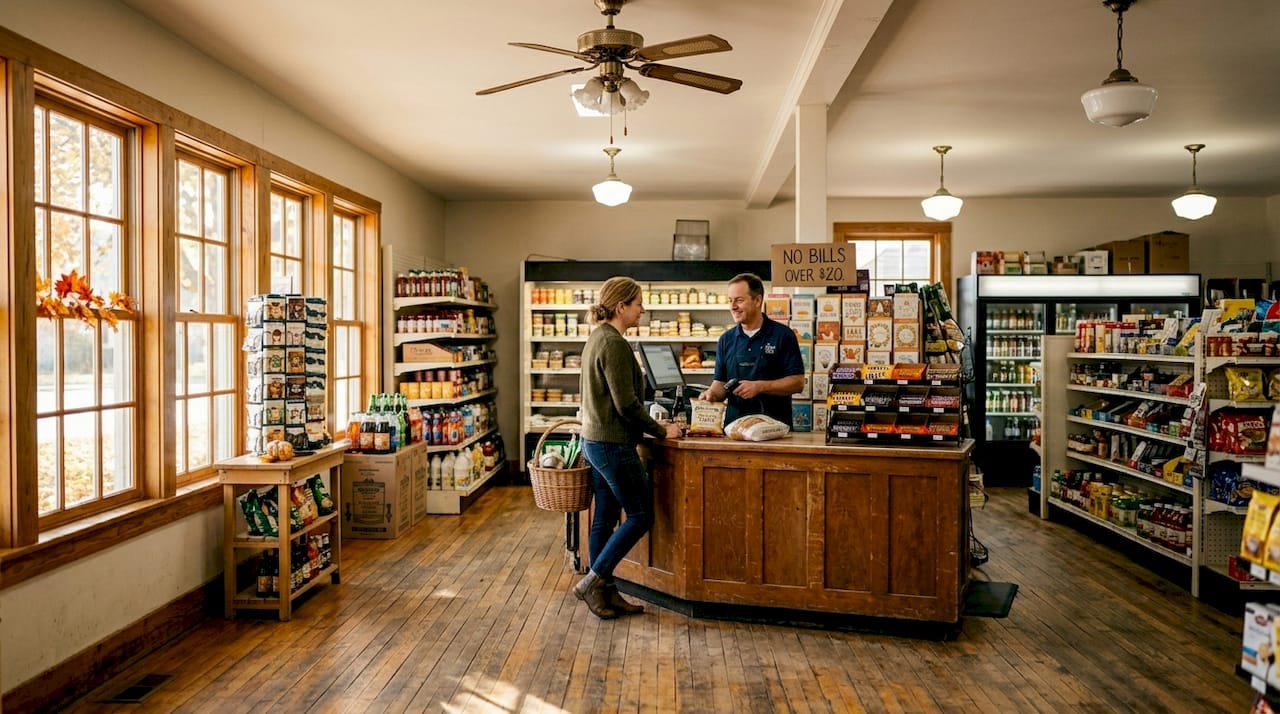
A major industry study found that 78% of consumers rate convenience store prices as equal to or better than fast-food and fast-casual restaurants. That finding flips the script on the old narrative that c-stores are expensive. When you compare a c-store meal option against a burger combo at a quick-service chain, the numbers often favor the store.
Why does this matter so much right now? Inflation has reshaped how Atlanta families shop. Every dollar counts more than it did three years ago, and shoppers are actively hunting for formats that deliver quality without the markup. Convenience stores have responded by expanding fresh food programs, adding more brand-name American products, and introducing Caribbean grocery staples that previously required a specialty trip across town.
Here is how c-store value stacks up against common alternatives:
| Purchase type | Typical fast-food price | Typical c-store price |
|---|---|---|
| Bottled beverage | $2.50 to $4.00 | $1.50 to $2.50 |
| Hot meal or snack combo | $8.00 to $12.00 | $5.00 to $8.00 |
| Packaged snack | $2.00 to $3.50 | $1.50 to $2.50 |
| Household essential | Not available | Competitive with drugstore prices |
Several habits help Atlanta shoppers maximize value at c-stores:
- Buy beverages at the store instead of from fast-food restaurants, where markup is highest
- Check the fresh food case for grab-and-go meals that compete with restaurant prices
- Pick up household staples like batteries, over-the-counter medicine, and cleaning supplies instead of making a drugstore run
- Look for American grocery value in branded items that carry familiar quality assurance
- Take advantage of combo deals that bundle drinks and snacks at a discount
The benefits for shoppers who lean into c-stores as a regular stop go beyond individual transactions. When you build the habit of picking up two or three items on the way home instead of doing a large grocery haul weekly, you spend less overall because you buy closer to what you actually need.
Pro Tip: Compare your last three fast-food receipts against what you would have spent at a well-stocked convenience store. Most Atlanta shoppers are surprised to find the c-store would have cost less for the same caloric value and more variety.
Safety, cleanliness, and amenity quality: The must-haves
Speed and value set the floor, but operational standards are what separate stores that earn loyalty from stores that lose it permanently.
Cleanliness and safety are not nice-to-have qualities. They are make-or-break factors. Research shows that store safety and cleanliness directly determine whether a customer returns. The restroom data is especially striking.
“For restroom performance, if a location is not delivering, 50% of consumers will drive 10+ miles more to find a better option.”
Let that sink in. Half of your potential customers will choose a longer drive over returning to a store with poor restroom standards. This is not a small operational detail. It is a fundamental part of the value proposition.
The same logic applies to fresh food. When a c-store offers fresh produce, quality grab-and-go meals, and properly maintained cold cases, shoppers treat it as a legitimate food stop rather than a last-resort option. Healthy choices in Atlanta are increasingly available at well-run c-stores, especially those that stock Caribbean produce and American health-focused snacks alongside traditional offerings.
Here is what operational excellence looks like in practice:
- Regularly restocked shelves with no gaps in popular items
- Clean floors, counters, and food prep areas visible to customers
- Friendly, consistent staff who recognize regular customers
- Functional and clean restrooms checked on a regular schedule
- Fresh food that is properly labeled with sell-by dates
Knowing how to identify fresh produce when you shop is equally important as a customer. Firm textures, vibrant colors, and no visible bruising are reliable indicators. A store that maintains those standards consistently is a store worth returning to.
The trust factor is real and measurable. Shoppers who find a c-store that consistently meets their standards for cleanliness and food quality build genuine loyalty. They recommend the store to neighbors, family members, and coworkers. In Atlanta’s close-knit communities, word-of-mouth from one satisfied shopper can drive significant foot traffic.
Accessibility and smoothness: Geographic and digital advantages
Convenience means nothing if the store is hard to reach or unreliable in its hours. Fortunately, the c-store industry has a geographic advantage that no other retail format can match.
93% of Americans live within a 10-minute drive of a convenience store. In a metro area like Atlanta, where suburban sprawl means grocery chains are sometimes clustered far from residential neighborhoods, that proximity is a genuine lifeline. For families in areas where large supermarkets require a highway trip, the local c-store fills a critical gap.
Digital accessibility matters just as much now. A recent study on Atlanta-area grocery satisfaction found that consumers prioritize convenient store hours, easy order pickup, and reliable mobile apps as top factors in their shopping decisions. Stores that offer extended hours or 24-hour access automatically win on availability, which is a separate dimension from price or product selection.
| Accessibility factor | Why it matters in Atlanta |
|---|---|
| Within 10 minutes | Reduces trip planning burden |
| Extended hours | Serves shift workers and late-night needs |
| Mobile app reliability | Supports pre-planning and faster visits |
| Easy parking | Removes friction from the physical trip |
| Familiar neighborhood location | Builds routine and repeat visits |
The smoothness of a trip matters as much as the destination. A store that is technically close but hard to park at, confusingly laid out, or inconsistent with its hours quickly loses its convenience advantage. Atlanta shoppers are busy and they will substitute quickly when a store breaks the promise of easy access.
For communities where boosting food access is a real concern, the c-store model is especially powerful. Neighborhood stores that stock culturally relevant foods, including both American brands and Caribbean staples, reduce the need to travel long distances for specific products. That is a direct quality-of-life improvement for Atlanta families.
Food accessibility in Atlanta is shaped by which stores exist in which neighborhoods. C-stores that prioritize both availability and product diversity become true community anchors.
Fuel synergy: Why one-stop trips create repeat shopping
Gas stations and convenience stores have been linked for decades, but the relationship between fuel purchases and in-store shopping is stronger than most people realize.
A strong positive correlation exists between gas prices and c-store trip counts. When fuel prices rise, more drivers stop to fill up, and those stops generate in-store traffic. Shoppers who enter for a snack or a drink while their tank fills are making a decision shaped by habit, not inconvenience. The fuel stop becomes a trigger for the store visit.
Here is how smart Atlanta shoppers use fuel synergy to their advantage:
- Fill up at stores with a connected c-store and use the stop to grab daily essentials
- Build a habit of checking your snack and drink supply every time you stop for fuel
- Use the opportunity to grab Caribbean or American specialty items you might otherwise forget
- Pick up small household items that do not require a full grocery run
- Take advantage of fuel discount programs that many c-stores bundle with in-store purchases
The snack shopping guide for Atlanta shoppers is a great resource for planning those quick in-store visits. When you already know what you want before you walk in, you preserve the speed advantage that makes c-stores valuable.
The flavor and value workflow works best when you treat fuel stops as micro-shopping moments rather than pure transactions. Grabbing a favorite Caribbean snack or a trusted American brand during a fill-up takes less than two minutes and eliminates a separate errand entirely.
Pro Tip: Keep a running list on your phone of two or three items you regularly need. Every time you stop for fuel, check the list. You will be surprised how rarely you need to make a separate grocery run for small essentials.
The hidden challenge: Convenience must be earned every day
Here is what most retail analysis misses about convenience stores: the word “convenient” is a promise, not a permanent feature. It has to be earned on every single visit, by every single staff member, in every operational decision the store makes.
The data is unambiguous. If a store fails on cleanliness or safety, consumers substitute immediately and often travel farther to find a store that meets their standards. Location advantage evaporates the moment a customer decides a store is not worth the stop. That is a fragile competitive position for any operator who takes loyalty for granted.
At the same time, there is a broader social argument for well-run neighborhood convenience stores. Research from Georgia Tech found that large supercenters can increase consumption and waste by changing how consumers shop. When you make a monthly mega-trip to a supercenter, you tend to buy more than you need, and a significant portion of fresh food ends up wasted. Neighborhood c-stores, by design, encourage smaller and more frequent purchases aligned with actual daily needs.
That is genuinely better for household budgets and for reducing food waste. A family that stops at a neighborhood store three times a week buys what they need now. A family that hauls a cartload from a supercenter once a week buys what they think they might need, and the math rarely works in their favor.
For Atlanta’s growing and diverse communities, this matters beyond economics. The best neighborhood stores carry products that reflect local culture, including Caribbean staples and American favorites that are meaningful to the people who live nearby. They become part of the neighborhood’s identity, not just a transaction point.
The stores that win long-term are the ones that treat daily needs in Atlanta as a responsibility, not just a business opportunity. They stock the right products, maintain clean and safe environments, employ consistent staff who know the regulars, and show up reliably day after day. That is what convenience actually looks like when it is done right.
Experience true convenience at TOJ Express
Atlanta shoppers who want the full package, speed, value, quality, and genuine product diversity, should see what TOJ Express has to offer. We carry American brands and Caribbean products that reflect the real tastes of Atlanta’s communities, all in a store designed for fast, frictionless trips.
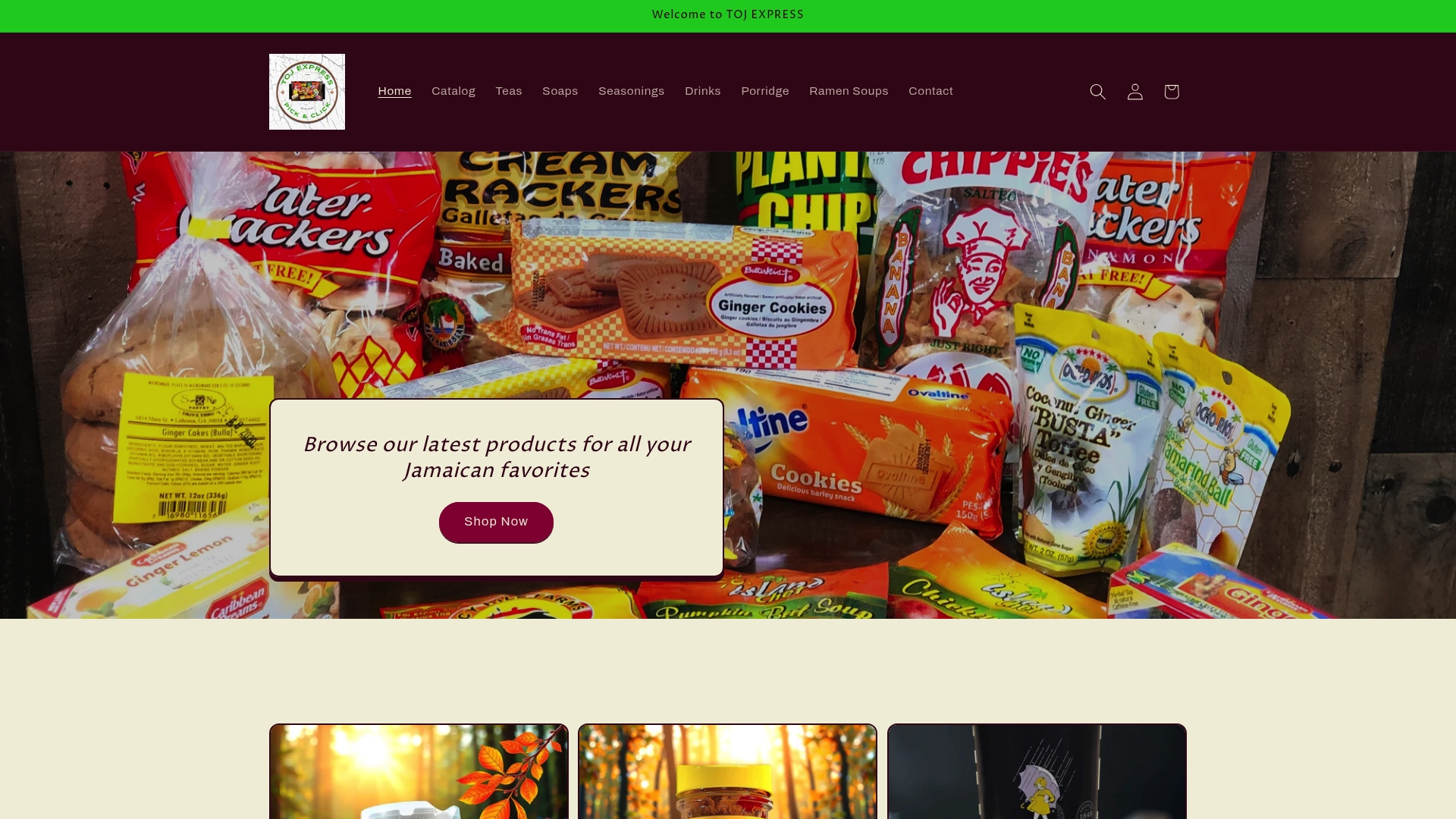
Whether you are grabbing a quick snack, picking up Caribbean grocery staples, or stocking up on everyday American essentials, TOJ Express is built around making your trip as smooth and affordable as possible. Visit us online at tojexpress.com to browse our selection, check hours, and find out what is in stock. Come see why our neighbors in Atlanta keep coming back. When convenience is done right, you feel it every time you walk through the door.
Frequently asked questions
Why are convenience stores so popular in Atlanta?
Convenience stores are popular in Atlanta because they offer fast shopping, accessible locations, affordable prices, and products that match local tastes. With 93% of Americans living within a 10-minute drive of a c-store, access is rarely a barrier.
How do convenience stores compete with fast-food and big-box retailers?
They win by offering faster visits, greater accessibility, and equal or better value at checkout. 78% of consumers say c-store prices match or beat fast-food and fast-casual options, making them a smart alternative.
What factors can make a convenience store lose business?
Shoppers avoid stores that fail on cleanliness, safety, or amenity quality, sometimes traveling farther to find better standards. Research shows 50% of consumers will drive 10+ miles more to find a store with clean, functional restrooms.
Do convenience stores help reduce waste compared to supercenters?
Neighborhood c-stores support frequent, smaller trips, which can help avoid the overconsumption often seen at large supercenters. Research confirms that more frequent, smaller shopping trips reduce the waste associated with the supercenter model.
How do fuel purchases increase convenience store traffic?
When shoppers stop for gas, they frequently make in-store purchases as well, boosting store traffic and repeat visits. The PDI 2025 Pulse of Convenience Report documents a strong positive correlation between gas prices and c-store trip counts.