
Why Healthy Snacks Matter for Atlanta Parents
TOJEXPRESS.COM-Antonio HenryEvery parent faces that daily flurry when the kids rush home from school, searching for something quick to eat. Choosing the right snacks in those moments is more important than many realize—what your child grabs now can shape their long-term health and energy. This guide breaks down the essentials of a healthy snack and clears up common myths, giving Atlanta parents practical ways to make nutritious choices a natural part of any routine.
Table of Contents
- Healthy Snacks Defined and Common Myths
- Types of Healthy Snacks for Kids
- Nutritional Benefits for Growing Children
- How to Spot Healthy Snacks in Stores
- Risks of Unhealthy Snacking Habits
- Smart Strategies for Busy Atlanta Parents
Key Takeaways
| Point | Details |
|---|---|
| Understanding Healthy Snacks | Healthy snacks should contain balanced nutrients, support growth, and limit processed ingredients. Parents must prioritize whole foods to ensure children’s nutritional needs are met. |
| Common Myths | Many parents mistakenly believe all packaged snacks marketed as healthy are beneficial. Educating on strategic snacking can prevent overeating and support metabolism. |
| Nutritional Importance | Essential nutrients, such as protein, calcium, and vitamins, play a crucial role in children’s development. Parents should use snacks as opportunities to introduce diverse nutrients. |
| Smart Shopping Tips | Parents should read nutrition labels carefully, focusing on low sugar content and whole ingredients. Shopping the store’s perimeter can help avoid processed snack pitfalls. |
Healthy Snacks Defined and Common Myths
Healthy snacks represent more than just quick bites between meals. They’re strategic nutrition opportunities that can significantly impact a child’s overall wellness, especially for Atlanta parents seeking convenient yet nutritious options. Snacking patterns among children have evolved dramatically, making informed choices more critical than ever.
Defining a healthy snack involves understanding several key characteristics:
- Contains balanced nutrients
- Provides sustainable energy
- Supports growth and development
- Limits added sugars and processed ingredients
- Contributes to daily nutritional requirements
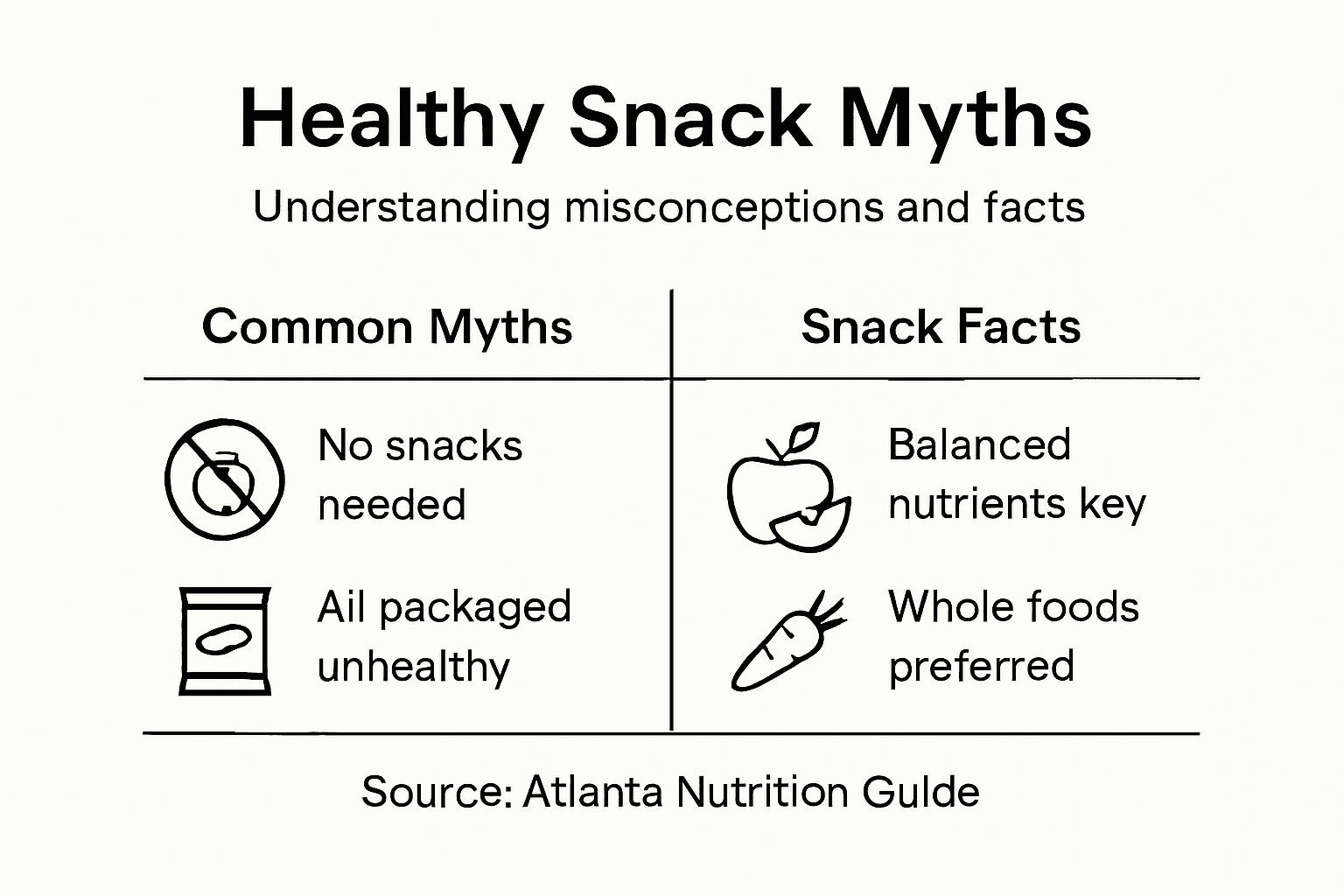
Many parents misunderstand what constitutes a genuinely healthy snack. Popular misconceptions include believing all packaged foods marketed as “healthy” are nutritionally sound or that snacking itself is inherently negative. Smart snack choices actually play a crucial role in maintaining steady metabolism and preventing overeating during main meals.
Common myths about snacking can mislead even well-intentioned parents. Some believe that children should avoid snacking altogether, while others assume any food between meals is acceptable. In reality, strategic snacking involves selecting nutrient-dense options that complement a balanced diet. Whole fruits, unsalted nuts, vegetable sticks, and low-fat dairy products represent excellent choices that provide essential vitamins and minerals.
Pro tip: Read nutrition labels carefully and prioritize whole food snacks with minimal processed ingredients to support your child’s health effectively.
Types of Healthy Snacks for Kids
Creating a diverse and nutritious snack repertoire for children requires strategic planning and creativity. Healthy snack choices play a crucial role in supporting growing bodies and developing positive eating habits for Atlanta families.
Excellent nutrient-dense snack categories include:
- Fresh fruits and vegetables
- Protein-rich options
- Whole grain selections
- Low-fat dairy products
- Minimally processed alternatives
Fruits and vegetables offer incredible nutritional benefits. Parents can transform these options into exciting formats like fruit kebabs, vegetable sticks with hummus, or apple slices with almond butter. Kid-friendly snack strategies emphasize making healthy choices appealing and fun for children, encouraging them to explore nutritious alternatives.
Protein-rich snacks help maintain steady energy levels and support muscle development. Excellent choices include cheese sticks, hard-boiled eggs, unsalted nuts, Greek yogurt, and lean turkey roll-ups. These options provide sustained nutrition without excessive processed sugars or empty calories, making them ideal for active Atlanta children who need consistent energy throughout their day.
Pro tip: Involve your children in snack preparation to increase their excitement about healthy eating and teach them valuable nutrition skills.
Here’s a quick comparison of popular snack types, focusing on their nutritional impact and convenience for families:
| Snack Type | Nutritional Benefits | Preparation Ease | Ideal for Busy Parents |
|---|---|---|---|
| Whole Fruits | Rich in vitamins and fiber | Minimal, ready-to-eat | Great for grab-and-go |
| Protein Snacks | Sustained energy, muscle support | Often quick (eggs, cheese) | Simple to pack for school or work |
| Whole Grains | Steady energy, fiber | Easy (crackers, wraps) | Excellent for meal prepping |
| Low-Fat Dairy | Calcium, protein boost | Ready-to-eat (yogurt) | Perfect for snack containers |
| Vegetable Sticks | Immune support, fiber | Needs some chopping | Can prep in batches |
Nutritional Benefits for Growing Children
Nutrition for growing bodies represents far more than simply filling hungry bellies. For Atlanta parents, understanding the intricate role of nutrients in child development can transform snack time from a mere momentary distraction into a powerful opportunity for supporting long-term health and growth.
Key essential nutrients critical for childhood development include:
- Protein for muscle and tissue growth
- Calcium for bone strength
- Fiber for digestive health
- Vitamins A, C, and D for immune function
- Omega-3 fatty acids for brain development
Healthy snack nutrition goes beyond calorie counting. These strategic food choices can help bridge nutritional gaps, providing children with sustained energy and supporting their rapid physical and cognitive development. Whole foods like fruits, vegetables, lean proteins, and whole grains offer complex nutritional profiles that processed snacks simply cannot match.

Parents should recognize that each snack is an opportunity to introduce diverse nutrients. Complex carbohydrates from whole grains provide steady energy, while proteins support muscle development and help children feel full longer. Fruits and vegetables deliver essential vitamins and minerals that support immune function, vision, and overall cellular health.
Pro tip: Create a colorful snack plate with multiple food groups to make nutrition exciting and visually appealing for children.
How to Spot Healthy Snacks in Stores
Navigating grocery store aisles can be challenging for Atlanta parents seeking nutritious snacks for their children. Nutrition label reading represents the most critical skill in making smart snack selections that support children’s health and development.
Key label-reading strategies for identifying healthy snacks include:
- Check total sugar content (less than 5g per serving)
- Review ingredient list for whole food sources
- Look for minimal processed ingredients
- Verify protein and fiber content
- Examine serving sizes carefully
Traffic light nutrition labels provide a quick visual guide to understanding food quality. Green indicators suggest healthier choices, while red signals potential nutritional concerns. Parents should prioritize snacks with more green and yellow markers, focusing on options that offer balanced nutrition without excessive additives or empty calories.
Beyond label reading, smart shoppers look for whole food ingredients and minimal processing. Snacks containing recognizable ingredients like fruits, vegetables, whole grains, and lean proteins typically offer superior nutritional value. Avoid products with long lists of unpronounceable chemical additives, artificial colors, and excessive preservatives that provide little nutritional benefit.
Pro tip: Shop the store’s perimeter where fresh, whole foods are typically displayed, avoiding inner aisles filled with processed snack options.
To help parents quickly assess snack choices, here’s a summary of common store label features and their nutritional meaning:
| Label Feature | What It Means | Indicates Healthy Option |
|---|---|---|
| Low Sugar (<5g) | Reduced added sugars | Minimizes blood sugar spikes |
| Whole Ingredients | Natural, unprocessed foods | More vitamins and minerals |
| High Fiber (>2g) | Supports digestion | Promotes lasting fullness |
| Balanced Protein | Supports growth and energy | Good for active children |
| Short Ingredient List | Fewer additives, preservatives | Safer for daily consumption |
Risks of Unhealthy Snacking Habits
Unhealthy snacking patterns pose significant risks to children’s long-term health, extending far beyond simple calorie concerns. For Atlanta parents, understanding these potential dangers is crucial in making informed dietary choices that protect their children’s wellness.
Potential health risks associated with poor snacking include:
- Weight gain and obesity
- Increased risk of type 2 diabetes
- Poor nutritional intake
- Compromised immune function
- Disrupted metabolic processes
- Potential long-term cardiovascular issues
Children who consistently consume processed, high-sugar snacks face multiple health challenges. These nutrient-poor foods can lead to rapid blood sugar fluctuations, decreased energy levels, and potential developmental disruptions. Snacking behavior risks demonstrate that not just what children eat, but when and how often they snack, significantly impacts their overall health trajectory.
Marketing and accessibility play substantial roles in creating unhealthy snacking habits. Children are frequently targeted by advertisements promoting processed, high-calorie foods that provide little nutritional value. Parents must act as critical gatekeepers, understanding that these seemingly convenient options can contribute to long-term health complications.
Pro tip: Establish clear family nutrition guidelines and involve children in understanding why certain snack choices are healthier than others.
Smart Strategies for Busy Atlanta Parents
Healthy snack preparation strategies can transform even the most hectic family schedules into opportunities for nutritious eating. Atlanta parents juggling work, school, and family commitments need practical approaches that make healthy nutrition both achievable and sustainable.
Key time-saving snack preparation techniques include:
- Batch preparing snacks on weekends
- Creating grab-and-go snack containers
- Involving children in meal preparation
- Using minimal-prep whole food options
- Keeping pre-cut vegetables and fruits readily available
- Investing in small storage containers
Smart snacking approaches emphasize planning and mindfulness. Busy parents can dramatically improve family nutrition by dedicating just a few hours each week to strategic food preparation. This might involve chopping vegetables during weekend downtime, portioning nuts and seeds into individual containers, or preparing vegetable sticks with quick dips that can be stored safely in the refrigerator.
Technology and smart shopping can further simplify healthy snacking. Meal planning apps, subscription services for healthy ingredients, and strategic grocery shopping can help parents maintain nutritional standards even during the most demanding weeks. By establishing consistent routines and creating systems that support healthy eating, families can transform snack time from a potential nutritional challenge into an opportunity for connection and wellness.
Pro tip: Create a family snack preparation ritual where everyone participates, turning healthy eating into a fun and collaborative experience.
Discover Convenient Healthy Snacks for Your Family at TOJ EXPRESS
Finding balanced and nutritious snacks for your children can be challenging, especially amid a busy Atlanta lifestyle. The article highlights the importance of selecting snacks that provide sustained energy, support growth, and limit added sugars. At TOJ EXPRESS, we understand these needs and offer a variety of wholesome American and Caribbean snack options designed to fuel your kids with essential nutrients while making snack time simple and enjoyable.
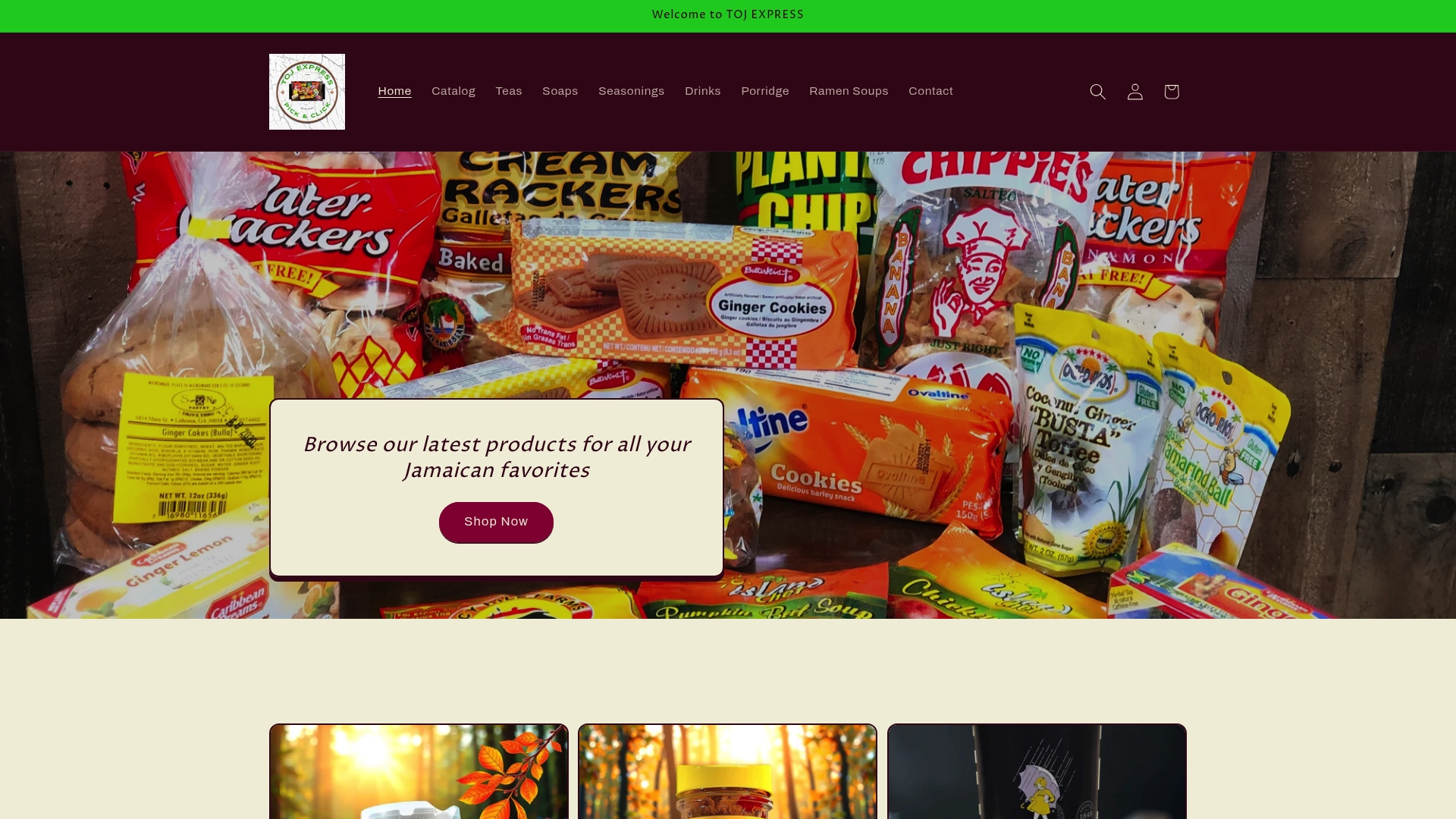
Explore our carefully curated Snacks – TOJ EXPRESS collection for convenient access to nutrient-dense treats that match the smart snacking strategies discussed. Take advantage of our wide range of products by visiting our main website to shop today and transform your family’s snack routine. Don’t wait to provide your children with delicious and healthy choices that support their growth and well-being.
Frequently Asked Questions
What are the key characteristics of a healthy snack?
Healthy snacks typically contain balanced nutrients, provide sustainable energy, support growth and development, limit added sugars and processed ingredients, and contribute to daily nutritional requirements.
How can I involve my child in making healthier snack choices?
Involving your child in snack preparation can increase their excitement about healthy eating. You can ask them to help with washing fruits, assembling snack plates, or even choosing ingredients for healthy recipes.
What are some examples of nutrient-dense snacks for kids?
Excellent nutrient-dense snacks include fresh fruits like apple slices or bananas, protein-rich options like cheese sticks or Greek yogurt, whole grains such as whole-grain crackers, low-fat dairy products, and vegetable sticks served with hummus.
How can I read nutrition labels effectively to identify healthy snacks?
When reading nutrition labels, check for total sugar content (less than 5g per serving), review the ingredient list for whole food sources, look for minimal processed ingredients, verify protein and fiber content, and examine serving sizes carefully.
Recommended
- Why Buy Local Snacks: Supporting Atlanta Health – TOJ EXPRESS
- Role of Snack Products: Impact on Healthful Convenience – TOJ EXPRESS
- Role of Grocery Stores in Atlanta’s Diverse Wellness – TOJ EXPRESS
- How to Shop Caribbean Groceries Like a Local in Atlanta – TOJ EXPRESS
- 7 Healthy Thai Dish Examples for Nutritious Takeout Choices