

Stop Treating It Like Wheat: Caribbean Cassava Flour Uses For Home Cooks
TOJEXPRESS.COM-Antonio HenryCassava flour earns its keep as a gluten-free structural flour: it makes pliable tortillas and flatbreads, tender pancakes and waffles, chewy cookies and brownies, a reliable breading for frying, and a glossy thickener for sauces and gravies. The one rule that saves most recipes: cassava flour absorbs more liquid than wheat flour, so swap it in cautiously and adjust as you go rather than trusting a straight cup-for-cup exchange.
TL;DR:
- Cassava flour absorbs more liquid than wheat flour, requiring careful adjustment of liquids and sometimes added binders for successful baking.
- It produces dense yet tender baked goods like cookies, brownies, and flatbreads, but does not behave well in yeasted or gluten-dependent recipes.
- Weighing cassava flour is essential, as volume measurements can be inconsistent, and a 1:1 weight substitution works best for quick breads and cookies.
- Common failures stem from improper liquid ratios, leading to dryness or gumminess, which can be fixed by small adjustments in liquid and fat content.
- Blending cassava flour with other ingredients such as eggs, flaxseed, or fats improves structure and helps achieve better results.
Table of Contents
- Best Cassava Flour Uses in the Kitchen
- How Do You Substitute Cassava Flour for All-Purpose Flour?
- Why Do Cassava Flour Recipes Fail, and How Do You Fix Them?
- Five Quick Cassava Flour Recipes to Try This Week
- Nutrition, Storage, and Buying Tips for Cassava Flour
- A Caribbean Cook’s Take on Cassava Flour
- Common Cooking Mistakes With Cassava Flour
- How Does Cassava Flour Compare to Wheat Flour in Taste and Texture?
- Combining Cassava Flour With Other Ingredients for Better Results
- The Real Lesson Behind Cassava Flour’s Rise
- Where to Buy Cassava Flour for Your Next Recipe
- Sources
Best Cassava Flour Uses in the Kitchen
Cassava flour behaves closer to wheat flour than most gluten-free substitutes, which is exactly why it shows up in so many different dishes. It’s ground from the whole peeled and dried cassava root, so it carries some fiber and body that pure starches lack. That structure is what gives tortillas their stretch and gives cookies their chew instead of a crumbly, sandy bite.
For flatbreads and tortillas, cassava flour’s mild elasticity lets you roll and fold dough without it tearing, which is why it’s become a go-to for grain-free tortilla recipes. In baking, it performs differently depending on what you’re making:
- Cookies and brownies: dense, fudge texture with a clean, neutral flavor that doesn’t compete with chocolate or vanilla.
- Muffins and quick breads: works well but needs a touch more fat or liquid to avoid a dry crumb.
- Waffles and pancakes: produces a tender, slightly springy texture close to traditional batter.
- Pizza crust: Food & Wine notes its neutral taste makes it a solid base for grain-free crusts that still crisp up.
On the savory side, cassava flour makes an excellent breading for fried chicken or plantains, since it browns nicely without turning gummy. It also thickens gravies, stews, and pan sauces smoothly. Traditional dishes like Brazilian farofa and pan de yuca lean on cassava flour or its close relatives for that satisfying, slightly nutty crumb. If you want a quick weeknight win, try cassava pancakes for breakfast or a simple cassava flatbread alongside soup.
How Do You Substitute Cassava Flour for All-Purpose Flour?
Start conservative. Use somewhat less than an equal volume of cassava flour for every cup of all-purpose flour called for, then adjust the liquid in the recipe to compensate. If you’re working by weight, a closer to equal-weight swap tends to hold up better, since cassava flour is denser than wheat flour by volume.
Here’s a general approach for adapting a recipe:
- Weigh instead of scooping whenever possible. Cup measurements vary too much with how packed the flour is.
- Reduce cassava flour slightly on your first attempt, using the 2/3 to 3/4 cup guideline, and add liquid in small increments until the batter or dough looks right.
- Add a binder like an extra egg, a spoonful of ground flaxseed, or a pinch of xanthan gum if the recipe originally relied on gluten for structure.
- Blend flours when a recipe needs more lift, mixing cassava flour with almond flour or oat flour for a lighter crumb.
A 1:1 weight substitution tends to work fine for cookies and many quick breads, but it falls apart for yeasted breads or anything depending on gluten’s stretch, since cassava flour and tapioca starch behave very differently. Tapioca starch is nearly pure starch stripped from the same root, so it’s better used in small amounts for chewiness or as a thickener, not as a primary flour.
Pro Tip: Keep a kitchen scale by the mixing bowl. Cassava flour’s density varies by brand, and weighing it removes the guesswork that ruins a first attempt.
Why Do Cassava Flour Recipes Fail, and How Do You Fix Them?
Most cassava flour disasters trace back to one thing: liquid ratios. Since the flour drinks up moisture fast, Better Homes & Gardens recommends adjusting gradually toward a 1:1 substitution by weight rather than trusting the cup measurement on the bag.
Common problems and how to solve them:
- Dry, dense crumb: add a tablespoon of liquid or fat at a time until the batter loosens.
- Gummy interior: you likely added too much tapioca starch alongside the cassava flour; cut it back and add an egg or a small amount of xanthan gum for structure instead.
- Brittle, pale crust: lower your oven temperature slightly and add a touch more fat or sugar to encourage browning.
- Weak binding: cassava flour has no gluten, so lean on eggs, flaxseed, or xanthan gum to hold baked goods together.
- Measuring inconsistency: always weigh the flour instead of scooping, and sift if the bag has settled or clumped.
Storing finished baked goods matters too. Cassava-flour treats tend to dry out faster than wheat-based ones, so wrap tightly and freeze extras if you’re not eating them soon.
Pro Tip: If a cookie dough feels too crumbly to shape, chill it for 15 minutes before baking. The fat firms up and holds the dough together far better than trying to fix it warm.
Five Quick Cassava Flour Recipes to Try This Week
These five formats cover breakfast, snacks, and dinner, and each one gives you a base to riff on.
- Cassava tortillas: Mix 1 cup cassava flour, 1/2 teaspoon salt, 2 tablespoons oil, and 3/4 cup warm water into a soft dough. Knead briefly, divide into six balls, roll thin, and cook on a dry skillet over medium heat for about a minute per side.
- One-bowl cassava brownies: Combine 1 cup cassava flour, 1/2 cup cocoa powder, 3 eggs, 1/2 cup melted butter, and 3/4 cup sugar. Bake at 350°F for 22 to 25 minutes for a fudgy, dense square.
- Cassava pancakes: Whisk 1 cup cassava flour, 2 eggs, 1 cup milk, 1 tablespoon sugar, and 1 teaspoon baking powder. Thin the batter with a splash more milk if it feels stiff, then cook on a hot griddle.
- Breading and frying mix: Blend 1 cup cassava flour with 1 teaspoon paprika, 1 teaspoon garlic powder, and salt to taste. Coat chicken or plantains and fry at 350°F until golden.
- Simple flatbread: Follow the tortilla ratio above but roll thicker and cook a bit longer for a heartier side bread.
If you’re adapting a family recipe rather than starting from these templates, revisit the substitution ratios above before you commit a whole batch of ingredients.
Nutrition, Storage, and Buying Tips for Cassava Flour
Cassava flour carries resistant starch and fiber that may support gut bacteria as a mild prebiotic, though it’s a nutritional plus rather than a cure for anything. It’s also a high-carbohydrate ingredient, so people managing blood sugar should treat it the way they’d treat any starchy flour: moderate portions, not free rein.
When shopping, check the label closely:
- Look for single-ingredient cassava flour rather than blends, unless a blend is what the recipe calls for.
- Confirm a gluten-free certification if cross-contamination is a concern for you.
- Don’t confuse the bag with tapioca starch, which is a different product made from the same root.
- Store cassava flour in an airtight container in a cool, dry pantry for freshness, or freeze it for extended shelf life.
A Caribbean Cook’s Take on Cassava Flour
Cassava shows up across Caribbean and Latin kitchens long before it became a gluten-free trend, whether that’s pan de yuca’s cheesy chew or farofa’s toasted crumb scattered over rice and beans. What stands out working with it regularly is how forgiving it becomes once you stop treating it like wheat flour and start respecting its thirst for liquid. For more tested starting points, the cassava flour recipe collection is a good next stop.
Common Cooking Mistakes With Cassava Flour
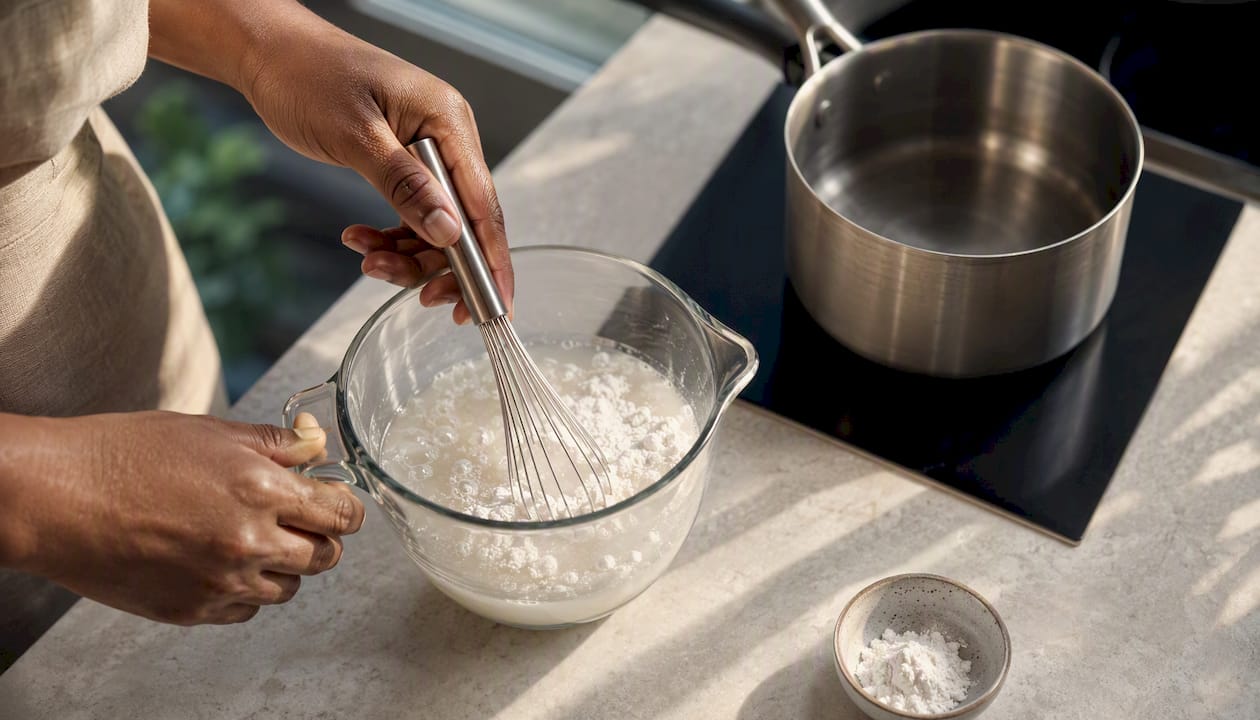
Most cassava flour mistakes happen in savory cooking, not just baking, and they’re easy to avoid once you know what to watch for. The biggest one: treating it exactly like all-purpose flour in a roux or gravy. Cassava flour thickens fast and can turn a sauce gluey if you dump it in all at once. Whisk it into cold liquid first, then heat gradually.
Another common slip is over-frying anything breaded in cassava flour. Because it browns faster than wheat flour, a batch left in hot oil too long can go from golden to burnt in under a minute. Pull it slightly earlier than instinct tells you.
Cooks also tend to under-season cassava flour dishes. Since the flour itself is nearly flavorless, dishes made with it need a firmer hand with salt, acid, or spice than a wheat-based version would. Skipping that step is how you end up with a technically correct but bland tortilla or breading.
Finally, skipping a rest period on cassava dough is a frequent error. Unlike gluten-based dough, cassava dough doesn’t need long kneading, but it does benefit from five to ten minutes of rest before rolling, which lets the moisture distribute evenly and prevents cracking.
How Does Cassava Flour Compare to Wheat Flour in Taste and Texture?
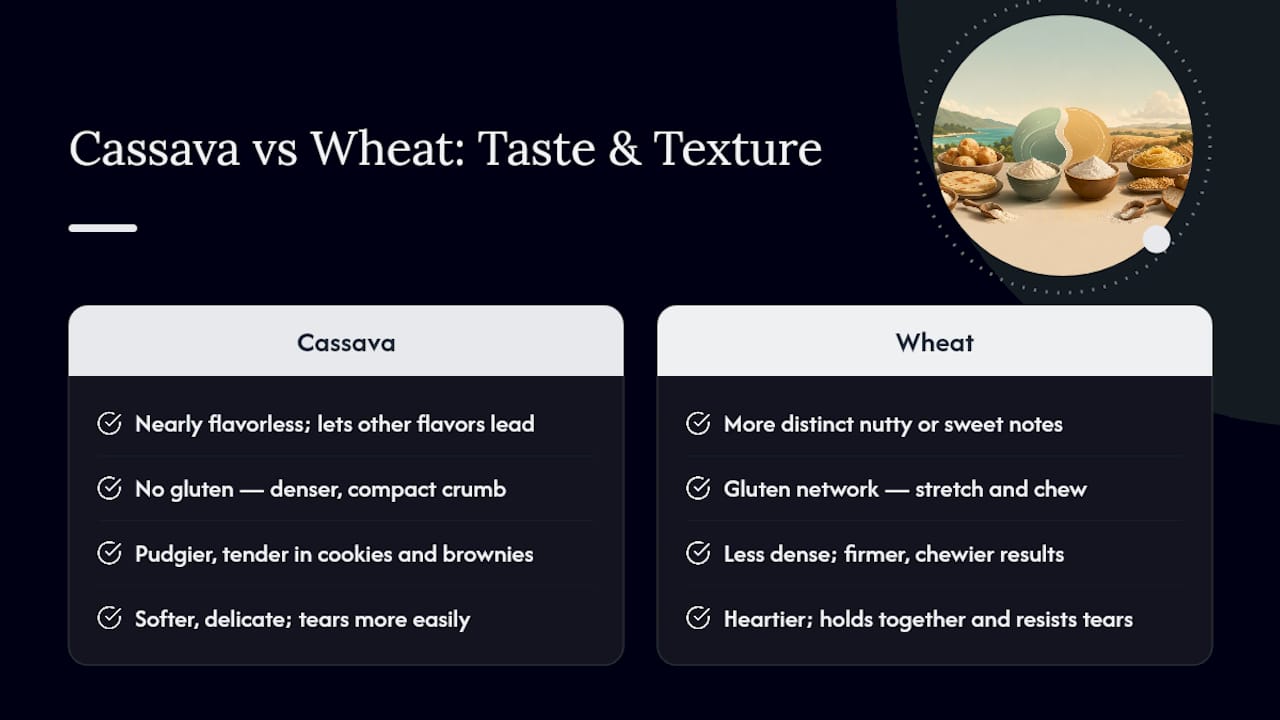
Cassava flour is close to flavorless, which is actually one of its biggest advantages. Where a nut-based gluten-free flour can taste distinctly earthy or sweet, cassava flour lets other ingredients lead, whether that’s chocolate in brownies or cumin in a breading mix.
Texture is where the real differences show up. Wheat flour’s gluten network creates stretch and chew; cassava flour has no gluten at all, so anything relying on that elasticity, like a yeasted loaf, comes out denser and more compact. In cookies and brownies, that density actually works in cassava flour’s favor, producing a pudgier, more tender result than a wheat-based version.
In tortillas and flatbreads, cassava flour produces a softer, slightly more delicate texture that tears more easily than a wheat tortilla but rolls and folds well when handled gently. In fried applications, it crisps up quickly and holds a crunchier shell than wheat flour breading, though it can go from crisp to hard if fried a touch too long. As a thickener, cassava flour delivers a clearer, glossier finish in sauces than wheat flour’s typically cloudier result.
Combining Cassava Flour With Other Ingredients for Better Results
Cassava flour rarely needs to work alone. Blending it with almond flour lightens a dense crumb in cakes and muffins, while a small amount of tapioca starch layered back in can restore some of the chewiness that pure cassava flour lacks in yeasted or bread-style bakes.
For structure, eggs do more heavy lifting in cassava flour recipes than in wheat-based ones, since there’s no gluten to trap air or hold shape. Ground flaxseed mixed with water works as an egg substitute if you need one, and xanthan gum in small amounts helps batters and doughs hold together without turning gummy.
Fat matters more here too. A little extra butter, oil, or coconut oil compensates for cassava flour’s tendency to dry out baked goods, especially in cookies and quick breads. On the savory side, mixing cassava flour with a bit of rice flour in a breading blend gives you a crispier shell than cassava flour alone, since rice flour fries up lighter and airier.
The short version: cassava flour is a strong base, but it usually performs best paired with a binder, a complementary starch, or extra fat rather than used as a total solo act.
The Real Lesson Behind Cassava Flour’s Rise
The conventional advice on cassava flour treats it like a drop-in wheat replacement, and that’s where most home cooks get burned. It isn’t a clone of all-purpose flour; it’s its own ingredient with its own rules, closer in spirit to working with a new grain than swapping brands of the same one. The research backs a simple priority: master the liquid ratio before you worry about anything else, because nearly every failed cassava flour bake traces back to moisture, not the flour itself.
What’s overrated is chasing a perfect 1:1 substitution across every recipe type. It works fine for cookies and some quick breads, but forcing it onto yeasted bread or delicate cakes wastes ingredients and patience. What’s underrated is leaning on tested, cassava-specific recipes first, then experimenting with substitutions once you understand how the flour actually behaves in your oven, with your pan, at your altitude.
If there’s one thing to prioritize, it’s patience on the first attempt. Weigh your flour, adjust liquid in small steps, and treat the second batch as the one that should turn out right, not the first.
— ANTONIO
Where to Buy Cassava Flour for Your Next Recipe
Tojexpress carries cassava flour alongside other Caribbean pantry staples, so you can stock your kitchen for tortillas, breading, and baking in one order instead of hunting across three grocery aisles.

When you’re shopping, stick to single-ingredient cassava flour rather than a pre-mixed blend unless a recipe specifically calls for one, and check the package for a gluten-free label if cross-contamination matters to your household. Package size matters more than people expect: a smaller bag makes sense if you’re testing a new recipe, while a larger one pays off once cassava flour becomes a pantry regular. For inspiration on where this flour fits beyond the basics, the Caribbean desserts guide is worth a look before you check out. Head to Tojexpress to add cassava flour to your cart and get your next batch of tortillas or brownies started this weekend.
Sources
- What Is Cassava Flour? Here’s How to Use It | BHG
- What Is Cassava Flour Made Of? | Bob’s Red Mill Natural Foods
- What is cassava flour? | Food & Wine
- Healthline — cassava flour nutrition and benefits