
Grocery Shopping Guide 2026: Save 15% on Caribbean Foods
TOJEXPRESS.COM-Antonio HenryFinding authentic Caribbean ingredients in Atlanta suburbs while maintaining a health-conscious lifestyle shouldn’t feel like a treasure hunt. Yet many shoppers waste time driving between stores, overpay for specialty items, or settle for substitutes that compromise their cultural recipes. This guide provides a practical roadmap to optimize your grocery shopping, combining convenience, authenticity, and cost savings for diverse American and Caribbean meal planning.
Table of Contents
- Why This Guide Matters For Health-conscious Atlanta Shoppers
- What You Need Before You Start: Tools And Planning Essentials
- Choosing The Right Stores: Where To Shop For Authenticity And Convenience
- Step-by-Step Grocery Shopping Process For Health-conscious, Culturally Diverse Meals
- Common Mistakes And How To Avoid Them
- Expected Outcomes: What Success Looks Like In Your Grocery Shopping
- Explore Authentic Caribbean Groceries With Toj Express
- Frequently Asked Questions
Key Takeaways
| Point | Details |
|---|---|
| Strategic store selection | Balance authenticity, convenience, and competitive pricing across ethnic markets and convenience stores |
| Meal planning impact | Reduces costs by up to 15% and cuts food waste by 30% through structured shopping |
| Shopping efficiency | Combining ethnic markets with convenience stores optimizes time and product access |
| Common pitfalls | Overbuying perishables and neglecting specialized stores undermines budget and authenticity |
| Measurable outcomes | Achieves savings, convenience, and healthier diverse meals with proper execution |
Why This Guide Matters for Health-conscious Atlanta Shoppers
Atlanta’s suburban landscape reflects remarkable cultural diversity, creating unique grocery demands that traditional supermarkets struggle to meet. The growing Caribbean and health-conscious populations seek authentic ingredients like scotch bonnet peppers, cassava, and specialty flours that support both cultural traditions and wellness goals. Yet accessing these products affordably requires strategic knowledge most shoppers lack.
Health trends increasingly drive ingredient choices beyond basic nutrition. Shoppers prioritize fresh produce over processed alternatives, seek whole grains like quinoa and bulgur, and demand specialty items supporting dietary preferences. Buford Highway Farmers Market offers authentic Caribbean groceries with reasonable prices serving the Atlanta region effectively, but many suburban residents remain unaware of such options.
The challenge intensifies when balancing authenticity with convenience. Specialized ethnic markets may stock hard-to-find Caribbean staples, but their suburban locations often require dedicated trips. Meanwhile, mainstream chains offer convenience but limited cultural product ranges. This gap creates frustration for shoppers wanting both efficiency and ingredient quality.
Suburban ethnic markets and farmers markets provide affordable solutions when shoppers know where to look. Understanding shopping Caribbean groceries in Atlanta transforms scattered shopping into a streamlined process. The key lies in combining store types strategically, leveraging each for their strengths while minimizing weaknesses.
Critical considerations for Atlanta suburban shoppers:
- Proximity to ethnic markets versus mainstream chains impacts trip frequency and fuel costs
- Seasonal availability affects pricing and freshness for tropical produce
- Store loyalty programs and bulk buying options reduce per-unit costs significantly
- Community connections at ethnic markets often yield insider knowledge on new products
Strategic grocery shopping isn’t about finding one perfect store. It’s about building a network of reliable sources that collectively meet your diverse needs efficiently.
What You Need Before You Start: Tools and Planning Essentials
Successful grocery shopping begins before you leave home. Understanding staple pantry items for both American and Caribbean cooking prevents impulse purchases and ensures recipe readiness. Health-conscious shoppers should focus on staples like almond flour, avocados, and Brussels sprouts for nutrient-rich diverse diets. Build your foundation with items that cross multiple cuisines while supporting wellness goals.
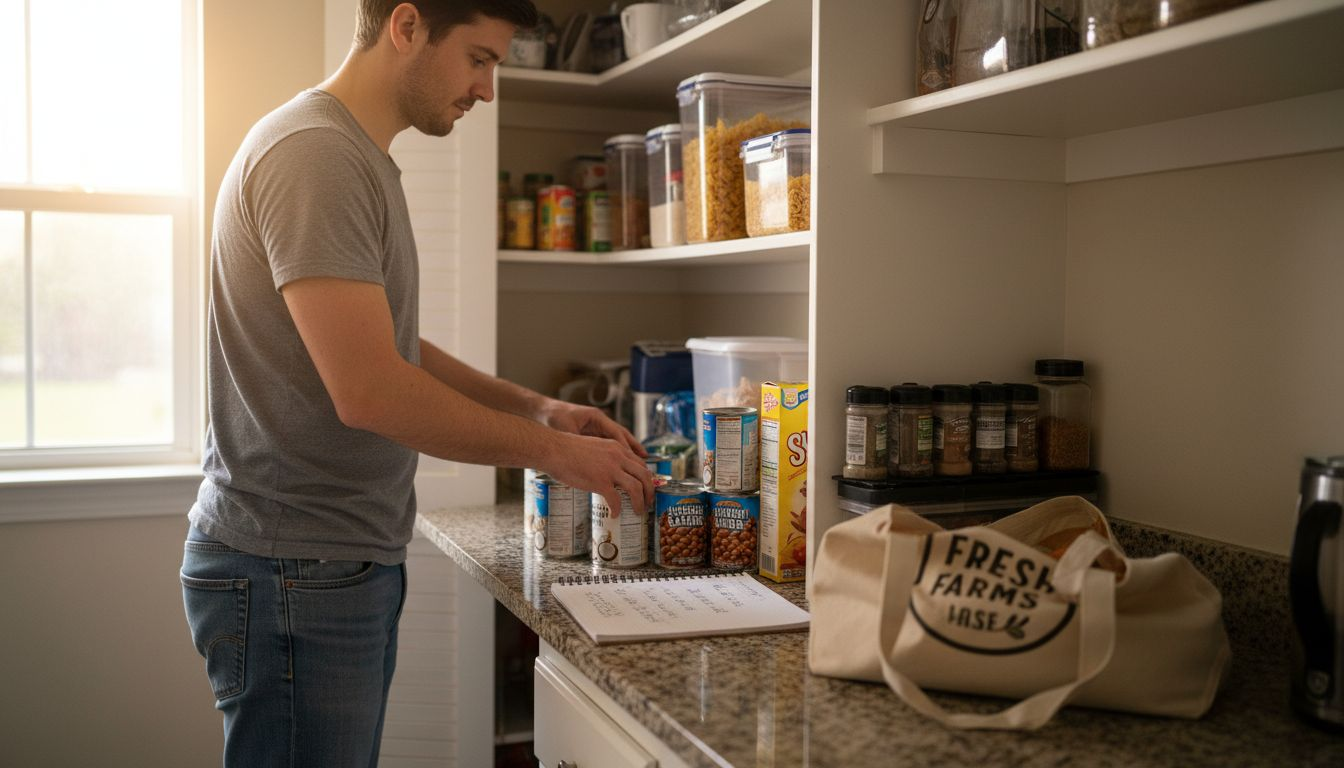
Meal planning transforms random shopping into purposeful ingredient gathering. Dedicate 30 minutes weekly to plan five to seven dinners, noting breakfast and lunch staples needed. This practice aligns purchases with actual consumption, dramatically reducing waste. Digital tools like Mealime or AnyList simplify list creation and sync across household members for coordinated shopping.
Essential Caribbean and American pantry staples:
| Category | Caribbean Items | American Items | Shared Items |
|---|---|---|---|
| Grains | Rice and peas mix, cornmeal | Quinoa, whole wheat pasta | Brown rice, oats |
| Proteins | Salted cod, pigeon peas | Chicken breast, ground turkey | Black beans, eggs |
| Produce | Plantains, callaloo, yams | Kale, Brussels sprouts | Sweet potatoes, avocados |
| Spices | Scotch bonnet, allspice, curry powder | Oregano, basil, garlic powder | Onion powder, black pepper |
Budgeting requires realistic baseline data. Track spending for two weeks to establish your current grocery costs, then set reduction targets. Atlanta suburban households typically spend $600 to $800 monthly on groceries for four people. Identifying reusable insulated bags preserves produce freshness during transport, particularly critical for delicate items like leafy greens and tropical fruits prone to temperature damage.
Pro Tip: Photograph your pantry and refrigerator before shopping trips. This simple habit prevents duplicate purchases and helps you quickly check inventory while comparing store prices on your phone.
Leverage essential tips for Caribbean groceries to refine your preparation process. Apps like Flipp aggregate weekly store circulars, letting you compare prices without driving. Budget Bytes offers culturally diverse recipes designed for cost efficiency. Proper preparation cuts shopping time by 25% while improving purchase quality through informed decisions.
Choosing the Right Stores: Where to Shop for Authenticity and Convenience
Store selection directly impacts your success in balancing authenticity, price, and convenience. Buford Highway Farmers Market and Caribbean Market Place offer authentic Caribbean groceries at reasonable prices in suburban Atlanta. These ethnic markets excel at specialty products traditional chains rarely stock, from fresh ackee to hard-to-find baking spices. Their pricing typically undercuts mainstream stores by 15 to 30% on cultural staples.
Convenience stores like TOJ Express fill critical gaps for last-minute needs and quick trips. While product range may be smaller than full ethnic markets, strategic convenience store shopping prevents emergency runs to expensive mainstream chains. Combining ethnic markets and convenience stores provides the ideal mix for health-conscious shoppers to access diverse and fresh ingredients affordably.
Store type comparison for Atlanta suburban shoppers:
| Store Type | Product Range | Price Level | Convenience | Best For |
|---|---|---|---|---|
| Ethnic Markets | Extensive Caribbean/specialty | Low to Moderate | Requires dedicated trip | Bulk staples, rare items, fresh tropical produce |
| Convenience Stores | Focused essentials | Moderate | High accessibility | Quick trips, emergency items, convenient locations |
| Mainstream Chains | General American products | Moderate to High | Very convenient | Common American items, weekly basics |
| Farmers Markets | Seasonal local produce | Variable | Weekend only | Fresh produce, supporting local growers |
Community and cultural experience add intangible value to ethnic market shopping. Staff expertise helps identify unfamiliar ingredients and suggests recipe applications. Fellow shoppers often share cooking tips and product recommendations, building knowledge that improves future shopping efficiency. This social dimension strengthens cultural connections while solving practical ingredient challenges.
Location strategy matters significantly for suburban residents. Identify one primary ethnic market for monthly bulk purchases of shelf-stable staples, one nearby convenience store for weekly fresh items, and one mainstream chain for common American products. This three-store approach, detailed in Caribbean grocery shopping tips Atlanta, optimizes time investment against product needs.
Pro Tip: Schedule ethnic market visits for weekday mornings when possible. Crowds are lighter, staff have more time for questions, and produce selection is freshest after overnight restocking.
Explore shopping Caribbean groceries local tips and research ethnic grocery stores in Atlanta suburbs to build your personalized store network. Visit Atlanta grocery store options to discover new sources matching your specific neighborhood and dietary priorities.
Step-by-Step Grocery Shopping Process for Health-conscious, Culturally Diverse Meals
Executing an efficient shopping trip requires systematic sequencing that maximizes freshness while minimizing wasted time. Follow this proven process to transform planning into results that support your health goals and cultural cooking preferences.
Your complete shopping sequence:
-
Plan weekly meals on Sunday evening. Select five to seven dinner recipes incorporating both American and Caribbean dishes. Note every ingredient needed, checking pantry inventory against recipes to avoid duplicates.
-
Create categorized shopping lists. Group items by store section: produce, proteins, grains, spices, refrigerated, frozen. Digital list apps allow easy reorganization and sharing with household members.
-
Shop produce and proteins first. These perishables benefit from minimal cart time. Select Caribbean produce like plantains and callaloo carefully, checking for proper ripeness and absence of bruising. Fresh items degrade fastest, so prioritize their selection and proper handling.
-
Navigate middle aisles systematically. Move through grains, canned goods, and spices following your list order. Combining convenience store shopping, local ethnic markets, and farmers markets provides the best mix for affordable, fresh ingredients in Atlanta. Resist impulse purchases by sticking strictly to planned items.
-
Select refrigerated and frozen items last. Minimize time outside proper temperature, particularly for dairy and frozen proteins. Use insulated bags immediately to maintain cold chain integrity during transport home.
-
Review cart before checkout. Quickly verify all items match your list and meal plan. Compare unit prices on shelf tags to confirm best value, particularly for items available in multiple sizes.
Proper storage immediately after purchase prevents spoilage and extends ingredient life. Wash and prep produce within two hours of arriving home. Store tropical fruits at room temperature until ripe, then refrigerate to pause ripening. Portion proteins into meal-sized quantities before freezing to simplify future cooking.
Pro Tip: Keep a running list on your phone throughout the week. When you use the last of an item or notice supplies running low, add it immediately. This habit prevents forgetting essentials during formal meal planning sessions.
The step-by-step shopping process adapts easily to different store types and scheduling constraints. Consistency matters more than perfection. Following this sequence reduces decision fatigue while ensuring you capture all needed ingredients efficiently. Practice improves speed, with experienced shoppers completing full weekly trips in 45 to 60 minutes.
Common Mistakes and How to Avoid Them
Even well-intentioned shoppers fall into predictable traps that undermine their efficiency, budget, and ingredient quality. Recognizing these errors helps you course-correct before they become expensive habits.
Overbuying perishables ranks as the most costly mistake. Enthusiasm for fresh produce leads to purchasing more than meal plans require, resulting in spoilage before consumption. Stick rigorously to your planned recipes and serving counts. If a bunch of callaloo serves four and you’re cooking for two, buy half or plan a second recipe using the remainder within three days.
Neglecting ethnic markets for authentic ingredients forces compromise on recipe quality. Mainstream stores stock limited Caribbean products, often at premium prices with questionable freshness. The inconvenience of visiting specialized stores pays dividends through better ingredient authenticity and lower costs. Understanding importance of Caribbean groceries clarifies why this effort matters for cultural cooking authenticity.
Failing to compare prices across store types wastes money on identical products. Rice, beans, and shelf-stable spices vary dramatically in price between ethnic markets, convenience stores, and mainstream chains. Invest time researching where each staple costs least, then purchase accordingly. A 20-pound bag of rice at an ethnic market often costs 40% less than smaller packages at mainstream stores.
Critical mistakes to avoid:
- Shopping hungry increases impulse purchases by up to 60%
- Ignoring unit prices leads to paying more for smaller package sizes
- Skipping price comparison apps misses legitimate savings opportunities
- Improper produce storage causes premature spoilage and waste
- Forgetting reusable bags results in buying disposable bags repeatedly
Pro Tip: Photograph price tags for staples at different stores using your phone. Build a simple spreadsheet comparing costs to identify your best source for each item. Update quarterly as prices shift.
Discover why prefer Caribbean groceries from specialized sources rather than settling for mainstream substitutes. Quality differences extend beyond price to include freshness, variety, and cultural authenticity that elevate your cooking results substantially.
Expected Outcomes: What Success Looks Like in Your Grocery Shopping
Following this guide’s strategies produces measurable improvements across cost, efficiency, waste reduction, and meal quality. Setting realistic expectations helps you recognize success and maintain motivation through the learning curve.
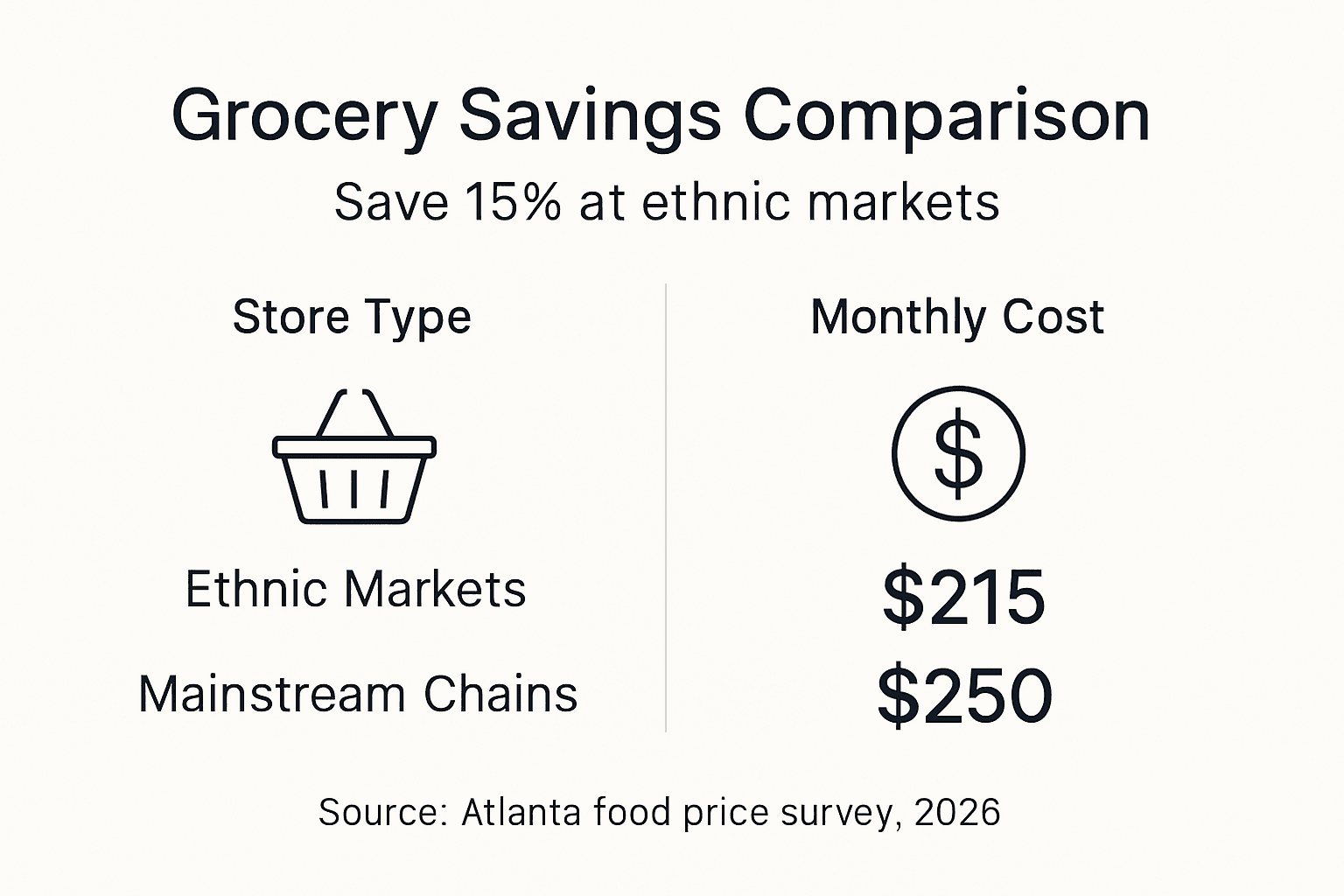
Grocery costs in Atlanta vary significantly by store type; strategic ethnic market shopping can save 10-15% on costs compared to exclusive mainstream chain shopping. A family spending $800 monthly can reduce expenses to $680 to $720 through smart store selection and bulk buying at ethnic markets. These savings compound annually to $960 to $1,440 without sacrificing ingredient quality or variety.
Food waste reduction delivers environmental and financial benefits simultaneously. Meal planning and proper storage techniques cut waste by 25 to 30%, translating to keeping an additional $15 to $25 of groceries out of the trash weekly. Over a year, this prevents discarding $780 to $1,300 worth of food while reducing your environmental footprint.
Measurable outcomes from strategic shopping:
| Metric | Baseline | After Implementation | Improvement |
|---|---|---|---|
| Monthly grocery cost | $800 | $680 to $720 | 10 to 15% savings |
| Food waste percentage | 30% of purchases | 5 to 10% | 65 to 85% reduction |
| Shopping trip duration | 90 minutes | 60 minutes | 33% time savings |
| Recipe authenticity score | 6 out of 10 | 9 out of 10 | 50% improvement |
Shopping efficiency improves as you internalize store layouts and optimize your process. Initial trips may take longer while learning, but experienced shoppers cut trip time by 20 to 30% within four to six weeks. This recovered time enables more home cooking rather than expensive restaurant meals, compounding your health and budget benefits.
Health outcomes improve through better ingredient choices supporting diverse, nutritious meals. Access to authentic Caribbean produce increases vegetable variety and intake. Cooking from scratch with quality ingredients reduces sodium and preservative consumption compared to processed convenience foods.
Strategic grocery shopping isn’t just about saving money. It’s about reclaiming time, reducing waste, and supporting the health and cultural authenticity your family deserves in every meal.
Explore resources for finding Caribbean products to accelerate your learning curve. Research grocery cost variations Atlanta to benchmark your progress against typical suburban spending patterns. Track your results monthly to maintain motivation and identify opportunities for continued optimization.
Explore Authentic Caribbean Groceries with TOJ Express
Transforming your grocery shopping from frustrating to efficient requires reliable sources for authentic Caribbean ingredients combined with convenient access. TOJ Express bridges this gap by offering diverse general grocery options at TOJ Express that support both American and Caribbean cooking traditions. Our convenient online platform complements suburban store visits, letting you secure specialty items without extra trips.
Leverage our expert guides to navigate product selection with confidence. Our step-by-step Caribbean product guide simplifies finding exactly what your recipes require, while insights on Caribbean products popularity help you discover new ingredients to expand your cooking repertoire. We understand the unique needs of health-conscious Atlanta shoppers seeking authentic cultural ingredients without sacrificing convenience.
Frequently Asked Questions
What’s the best way to store Caribbean produce to extend freshness?
Store tropical fruits like plantains and mangoes at room temperature until ripe, then refrigerate to pause ripening and extend life by five to seven days. Keep callaloo and other leafy greens in breathable produce bags in the crisper drawer, washing only before use to prevent premature wilting.
How often should I update my meal plan for optimal grocery efficiency?
Plan weekly every Sunday evening, reviewing what worked and adjusting based on schedule changes and seasonal ingredient availability. This weekly rhythm balances structure with flexibility, preventing monotony while maintaining the cost and waste benefits of planned shopping.
Can convenience stores like TOJ Express really save me money?
Yes, by preventing emergency trips to expensive mainstream chains for forgotten items and offering competitive pricing on Caribbean staples. The time savings from convenient locations also reduces fuel costs and enables more home cooking rather than costly takeout when you’re short on ingredients.
Are there specific apps recommended for budgeting grocery expenses?
Flipp aggregates store circulars for price comparison, Mint tracks spending against budgets automatically, and AnyList combines meal planning with smart shopping lists. These free tools integrate seamlessly to support the planning and tracking essential for sustained grocery savings.
How to identify authentic Caribbean spices when shopping?
Look for brands popular in Caribbean communities like Grace, Walkerswood, or Chief, which indicate authentic formulations and flavor profiles. Check ingredient lists to avoid fillers or artificial additives, and ask ethnic market staff for recommendations based on your specific recipes and cooking style.