
Why buy at local stores in Atlanta suburbs in 2026
TOJEXPRESS.COM-Antonio HenryWhen you spend $100 at a local store, $68 stays in your community compared to just $43 at national chains. This difference transforms neighborhoods across Atlanta’s suburbs, funding schools, supporting families, and preserving the unique cultural fabric that makes these communities thrive. Local stores, especially those offering American and Caribbean products, create economic ripples that extend far beyond a single transaction. Understanding these impacts helps you make shopping decisions that benefit both your household and your neighbors while accessing products you won’t find anywhere else.
Table of Contents
- Economic Impact Of Shopping At Local Stores
- Unique Products And Cultural Connection At Local Stores
- Why Community Values Often Outweigh Just Getting The Best Deals
- Practical Tips For Shopping Local In Atlanta’s Suburbs And Maximizing Benefits
- Support Local With TOJ Express
- Frequently Asked Questions About Buying At Local Stores
Key takeaways
| Point | Details |
|---|---|
| Economic multiplier effect | Local spending keeps 58% more money circulating in your community than chain purchases |
| Job creation powerhouse | Small businesses generated 65% of all new jobs in America between 2000 and 2019 |
| Cultural product access | Local stores curate authentic American and Caribbean goods unavailable at mainstream retailers |
| Community values matter | 72% of Americans prioritize supporting small businesses over getting the lowest prices |
Economic impact of shopping at local stores
The dollars you spend at neighborhood stores create a ripple effect that strengthens Atlanta’s suburban economy in measurable ways. Small businesses created 10.5 million net new jobs between 2000 and 2019, accounting for 65.1 percent of net new jobs nationwide. These aren’t abstract statistics. They represent real families earning paychecks, building careers, and contributing to local tax bases that fund schools and infrastructure.
The financial mechanics reveal why local matters so much. For every $100 spent at a local business, approximately $68 remains in the local economy, versus $43 when spent at a national chain. This 58% difference compounds over time. Local owners pay local suppliers, hire local accountants, advertise with local media, and bank with community institutions. National chains extract profits to distant headquarters, leaving communities with minimal economic residue.
Consider how this plays out in Atlanta’s suburbs. A family spending $500 monthly at local stores injects $3,400 annually into their community versus $2,580 at chains. Multiply that across thousands of households, and you’re looking at millions of dollars supporting neighborhood stores and food access initiatives, local employment, and community development. This isn’t charity. It’s strategic investment in the place you call home.
Pro Tip: Track your monthly spending between local stores and chains for three months. Calculate the difference using the 68% versus 43% retention rates to see your personal community impact.
The employment picture tells an equally compelling story:
- Local businesses employ 47% of the private workforce nationally
- Small retailers create diverse job opportunities from entry level to management
- Neighborhood stores offer flexible scheduling that helps students and caregivers
- Local ownership means decision makers live in the community they serve
| Spending Location | Money Retained Locally | Community Jobs Supported |
|---|---|---|
| Local independent store | $68 per $100 | High direct and indirect |
| Regional chain | $48 per $100 | Moderate direct impact |
| National chain | $43 per $100 | Limited local benefit |
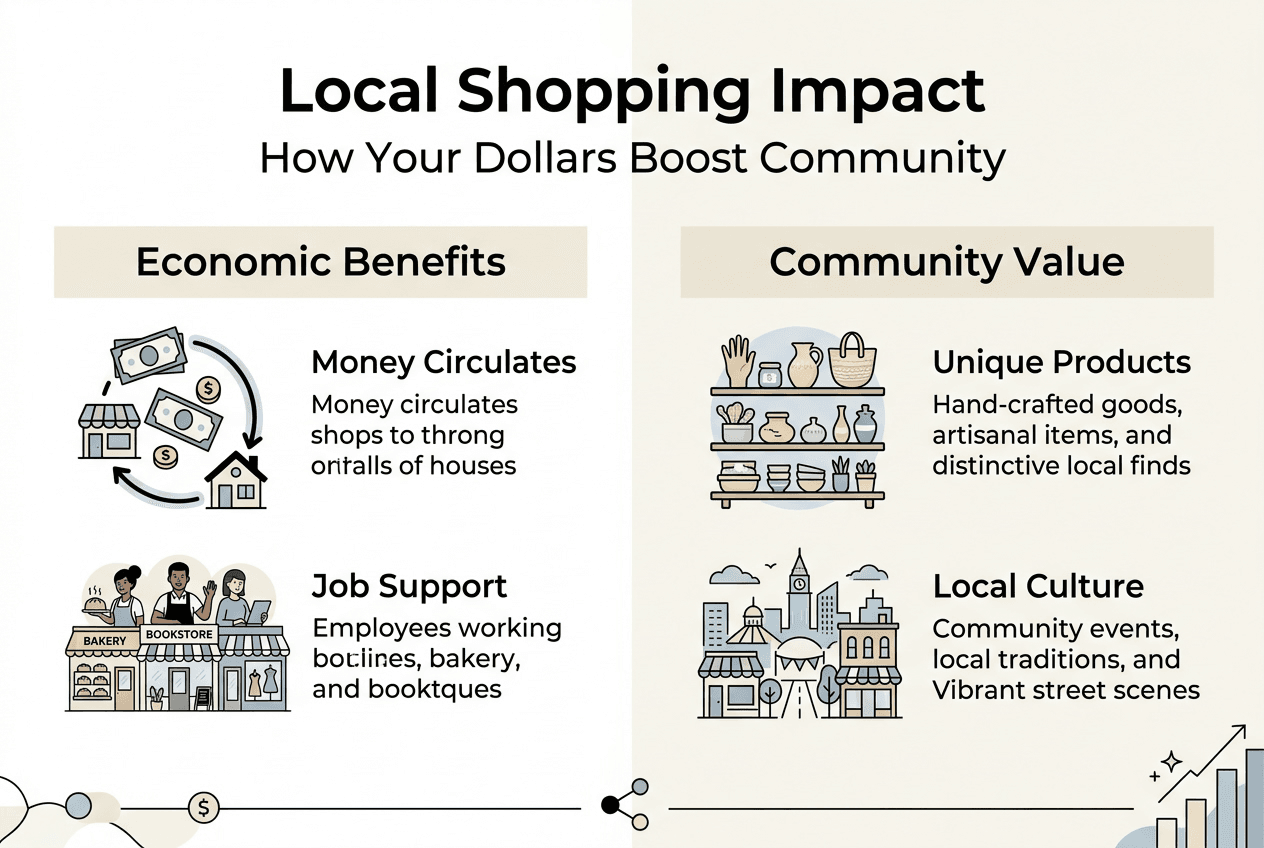
These economic fundamentals explain why communities with thriving local business districts show stronger resilience during economic downturns. The interconnected network of local enterprises supports each other, creating stability that distant corporate structures cannot replicate. Your grocery purchases at a neighborhood store contribute to this economic ecosystem in ways that benefit everyone, including your own household through improved community services and local economy benefits that enhance property values and quality of life.
Unique products and cultural connection at local stores
Atlanta’s suburban landscape reflects incredible cultural diversity, and local stores serve as vital bridges connecting communities to their heritage. Local stores offer unique American and Caribbean products tailored to community demand, unavailable at mainstream retailers. This isn’t just about convenience. It’s about maintaining cultural identity and accessing authentic ingredients that transform everyday meals into meaningful experiences.
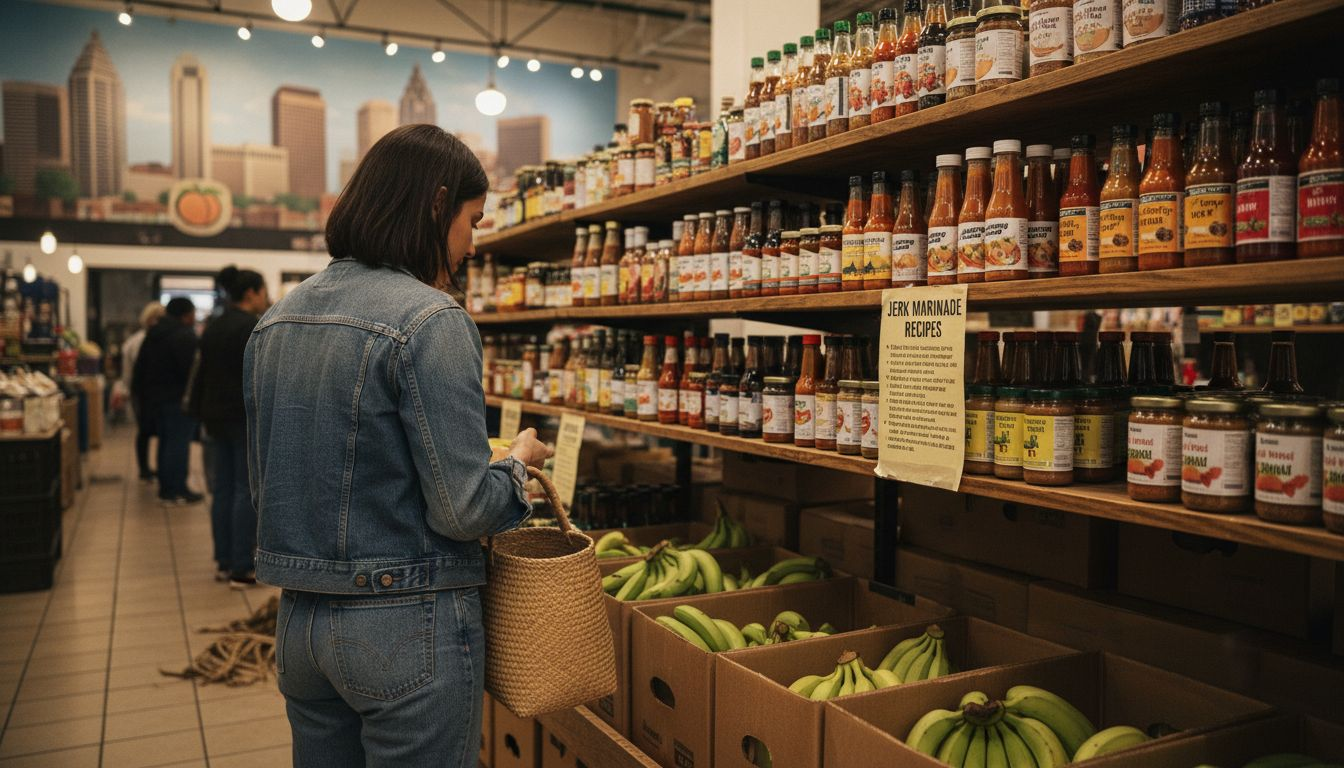
Walk into a neighborhood store specializing in Caribbean goods, and you’ll find shelves stocked with items reflecting real customer requests. Scotch bonnet peppers, cassava flour, guava paste, sorrel concentrate, and dozens of spice blends that big box stores would never carry. These products represent more than ingredients. They’re connections to family recipes, childhood memories, and cultural traditions that deserve preservation and celebration. Local store owners understand this emotional dimension because they share it with their customers.
The American groceries variety and culture available at neighborhood stores extends beyond mainstream brands too. You’ll discover regional specialties, artisan products from nearby producers, and unique items that reflect Atlanta’s specific tastes. Local owners curate inventory based on direct customer feedback rather than corporate algorithms, creating shopping experiences that feel personal and responsive.
Pro Tip: Ask store staff about new product arrivals and special orders. Local stores often accommodate individual requests, bringing in items specifically for regular customers.
The cultural connection manifests in multiple ways:
- Store staff who speak your language and understand cultural context
- Seasonal products timed to cultural celebrations and holidays
- Recipe suggestions and cooking tips from people who actually use the ingredients
- Community bulletin boards advertising cultural events and services
- Informal networks connecting newcomers with established community members
This human element creates shopping experiences that transcend transactions. A Caribbean grocery shopping guide becomes unnecessary when store owners personally introduce you to products and share preparation methods. The knowledge transfer happening in these stores preserves culinary traditions across generations while helping newcomers discover authentic ingredients.
“Shopping at local stores isn’t just about buying groceries. It’s about maintaining connections to our roots while building community in our adopted home. The store owner knows my family, remembers what we like, and alerts us when special items arrive. That relationship adds value no chain can match.” – Atlanta suburbs resident
The product selection at local stores also responds faster to emerging trends and community needs. When customers request specific items, local owners can test new products within weeks rather than waiting for corporate approval cycles. This agility means you’re more likely to find exactly what you need, whether it’s a traditional ingredient for a family recipe or a newly popular item from your cultural background.
Why community values often outweigh just getting the best deals
Price matters, but it’s not everything. 72 percent of Americans said supporting small businesses was more important than getting the best deals. This statistic reveals a fundamental shift in consumer priorities. People increasingly recognize that the cheapest option often carries hidden costs to community health, local employment, and long term economic stability.
The value equation extends beyond the price tag. Local stores provide personalized service, product knowledge, and community connections that enhance the shopping experience. When you need advice about preparing an unfamiliar ingredient, local store staff offer genuine expertise rather than directing you to a website. When you’re running late and need something quickly, neighborhood stores provide convenient access without massive parking lots and endless aisles to navigate.
Consider the total cost of ownership perspective. Driving 20 minutes to a big box store to save $5 consumes time, gas, and vehicle wear while removing you from your immediate community. Shopping locally means shorter trips, reduced environmental impact, and more time for activities you actually enjoy. The convenience factor alone often justifies slightly higher prices, especially when you factor in the value of your time.
| Factor | Local Store Value | Chain Store Value |
|---|---|---|
| Price per item | Sometimes higher | Often lowest |
| Time investment | Minimal, nearby | Significant travel |
| Personal service | Extensive knowledge | Self service |
| Community impact | Substantial local benefit | Minimal local retention |
| Product uniqueness | High, curated selection | Standardized inventory |
The community values driving shopping decisions reflect deeper understanding of interconnected prosperity. When your neighbor’s store thrives, property values in your area increase. When local businesses succeed, they sponsor youth sports teams, donate to schools, and support community events. These contributions create the social fabric that makes neighborhoods desirable places to live.
Caribbean grocery preferences often prioritize authenticity and cultural connection over price alone. Customers willingly pay premium prices for products that meet quality standards and cultural expectations. This isn’t irrational behavior. It’s sophisticated value assessment that weighs multiple factors beyond simple cost comparison.
The relationship dimension adds another layer of value:
- Store owners remember your preferences and alert you to relevant products
- Flexible payment options and informal credit for trusted customers
- Willingness to special order items for regular patrons
- Community gathering spaces where neighbors connect and share information
- Support during personal challenges, from job loss to family emergencies
These intangible benefits create genuine value that price focused shopping ignores. The advantages of local Caribbean foods include not just product quality but the entire ecosystem of relationships and community support that surrounds local shopping. This holistic value proposition explains why consumers increasingly choose local options even when chains offer lower prices.
Practical tips for shopping local in Atlanta’s suburbs and maximizing benefits
Making the shift to local shopping requires some adjustment, but strategic approaches maximize both convenience and community impact. Start by identifying neighborhood stores that align with your household needs, particularly those specializing in cultural products you regularly purchase. Many Atlanta suburbs now host stores offering authentic American and Caribbean goods within short driving distances.
Pro Tip: Create a monthly shopping rotation that includes both staple purchases at local stores and bulk buying trips for items where chains offer genuine value. This balanced approach supports local businesses while managing your budget effectively.
Engage actively with store staff to discover products and learn about new arrivals. Local store owners possess deep product knowledge and can recommend alternatives when specific items are unavailable. This relationship building transforms shopping from a transactional chore into a community building activity. Ask questions about preparation methods, seasonal availability, and upcoming special orders.
Consumers often underestimate the ripple effects of their local spending in supporting other businesses and services in the community. Understanding this multiplier effect helps frame local shopping as investment rather than expense. Each purchase contributes to the economic ecosystem that makes your community vibrant and sustainable.
Follow these steps to maximize your local shopping impact:
- Map local stores within a 10 minute drive and visit each to assess inventory and service quality
- Introduce yourself to store owners and staff, sharing your product preferences and cultural needs
- Sign up for store communications to receive alerts about new products and special promotions
- Combine local shopping trips with other errands to maximize efficiency and minimize extra travel
- Provide feedback to store owners about products you’d like to see stocked
- Share positive experiences with neighbors and on community social media to support local businesses
- Plan major cultural holiday shopping well in advance, giving local stores time to order specialty items
The finding Caribbean products process becomes easier as you build relationships with local store owners who understand your needs. Many stores maintain customer lists for special orders, ensuring you get authentic products without extensive searching. This personalized service adds significant value compared to hunting through chain store aisles hoping to find cultural items.
Timing your visits strategically enhances the local shopping experience. Weekday mornings typically offer less crowded stores and more opportunity for extended conversations with staff. Weekend afternoons might feature informal community gatherings where you can connect with other shoppers and discover new products through word of mouth recommendations.
Quality assessment becomes crucial when purchasing cultural products. Look for these indicators of authenticity:
- Products from recognized manufacturers in countries of origin
- Proper labeling in original languages with English translations
- Reasonable pricing that reflects import costs and quality standards
- Store staff who can explain product origins and uses
- Regular inventory turnover indicating fresh stock and customer demand
The Caribbean grocery shopping tips you’ll gather from experienced local shoppers prove invaluable. These informal knowledge networks, facilitated by neighborhood stores, help newcomers navigate unfamiliar products while connecting established residents with new options. This community learning aspect represents another dimension of value that chain stores cannot replicate.
Support local with TOJ Express
Your commitment to supporting Atlanta’s suburban communities finds practical expression at TOJ Express, where we’ve built our entire operation around serving local families with authentic American and Caribbean products. We understand the challenges of finding cultural goods conveniently because we share your background and values. Our carefully curated inventory reflects actual customer requests rather than corporate buying decisions made thousands of miles away.
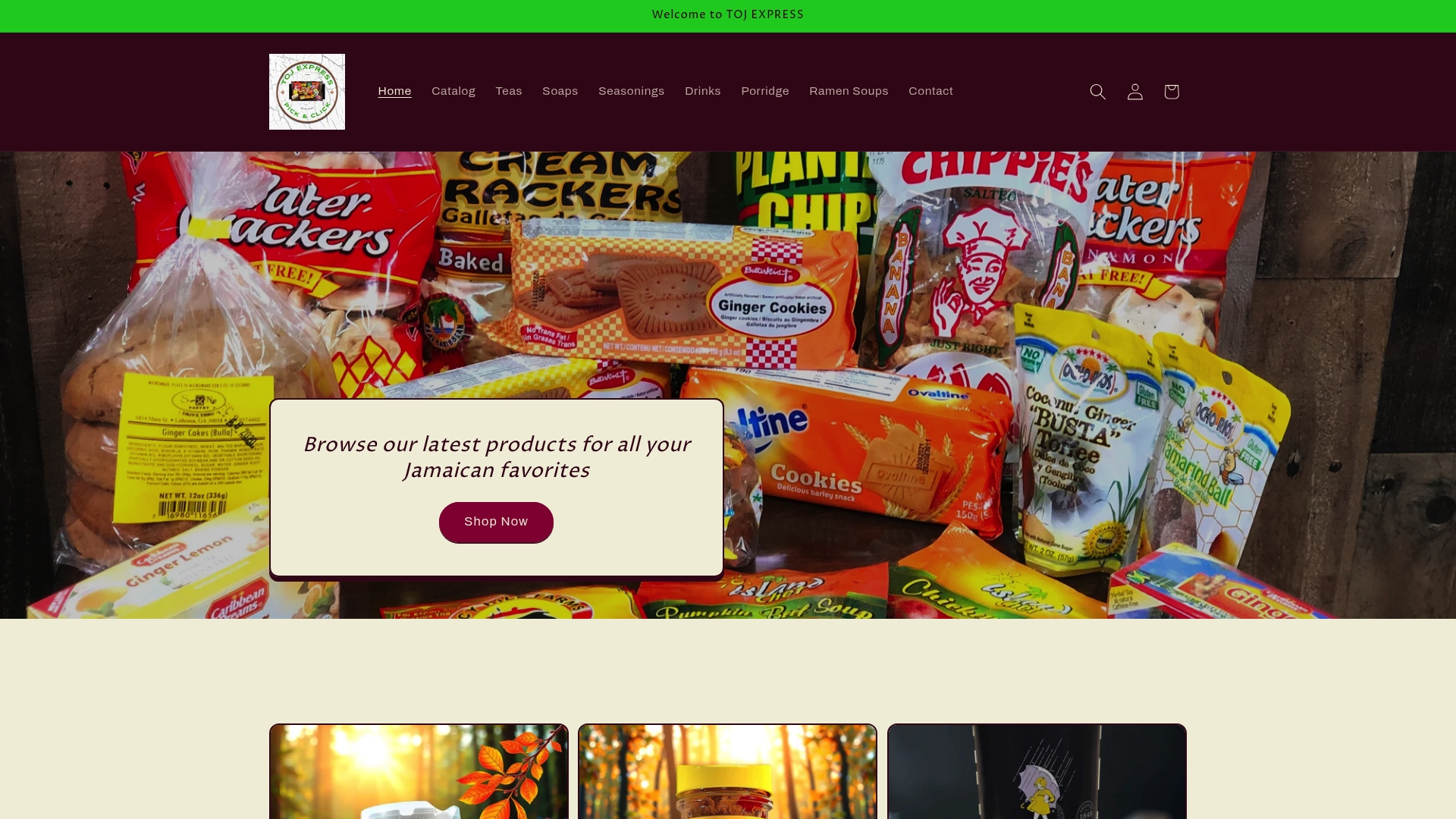
Located to serve Atlanta’s suburban communities, we’ve created a shopping environment that feels like visiting neighbors rather than navigating an impersonal retail space. Our staff knows products intimately, speaks multiple languages, and genuinely cares about helping you find exactly what you need. We stock items that mainstream retailers ignore because we recognize their importance to your family’s meals and traditions.
Every purchase at TOJ Express directly supports local employment and keeps money circulating in your community. We partner with local suppliers when possible, advertise with neighborhood media, and actively participate in community events. This isn’t marketing strategy. It’s how we operate because we’re part of the same community fabric you’re strengthening through local shopping choices.
Frequently asked questions about buying at local stores
How does shopping locally benefit Atlanta suburbs economy?
Local spending keeps 58% more money circulating in your community compared to chain purchases, funding schools, infrastructure, and local jobs. Small businesses created 65% of new American jobs between 2000 and 2019, making them crucial economic engines. Your local purchases directly support neighbors’ livelihoods while strengthening the tax base that funds community services.
What unique American and Caribbean products can I find locally?
Neighborhood stores stock authentic cultural items unavailable at mainstream retailers, from scotch bonnet peppers and cassava flour to regional American specialties and artisan products. Local owners curate inventory based on direct customer feedback, ensuring you’ll find ingredients for traditional recipes and new discoveries. The selection responds quickly to community needs rather than waiting for corporate approval.
How can I ensure I’m supporting authentic local businesses?
Look for owner operated stores where decision makers live in the community they serve. Ask about product sourcing, observe inventory turnover indicating fresh stock, and notice whether staff possess genuine product knowledge. Authentic local businesses build relationships with customers, accommodate special orders, and participate actively in community events. Your neighbors’ recommendations provide reliable guidance.
Are local store prices significantly higher than chains?
Prices vary by product, but the total value equation often favors local shopping when you factor in time savings, personalized service, and community benefits. The grocery savings on Caribbean foods available through relationship building with local stores can offset price differences. Many customers find that reduced travel time and gas costs balance any per item price variations.
Can I find both American and Caribbean products at the same local store?
Many neighborhood stores serving Atlanta’s diverse suburbs stock both American staples and Caribbean specialties, recognizing that families often blend American and Caribbean groceries in their daily cooking. This dual inventory approach provides convenient one stop shopping while maintaining authentic product selection. Store owners understand cultural fusion cooking and can suggest complementary items from both traditions.