
How local Atlanta stores support food heritage: 5,500+ served
TOJEXPRESS.COM-Antonio HenryTL;DR:
- Atlanta’s local stores significantly impact community health and economic stability through underserved neighborhoods.
- They foster cultural heritage, social connection, and cross-cultural exchange with authentic regional products.
- Supporting independent stores promotes community trust, upward mobility, and a diverse food scene in Atlanta.
Big-box chains get all the headlines, but Atlanta’s local stores are quietly reshaping how residents eat, connect, and thrive. From Stone Mountain to Decatur, neighborhood shops selling American and Caribbean products do more than stock shelves. They fill real gaps where larger grocers never set up. Consider that Azalea Fresh Market serves over 5,500 customers monthly while generating a $6 million annual economic impact as Atlanta’s first municipal grocery. That kind of reach from a single local store should make you reconsider everything you thought you knew about where community health actually gets built.
Table of Contents
- Atlanta’s local stores: Economic impact and community health
- Connecting cultures: American and Caribbean stores in Atlanta
- How local stores build community and cultural heritage
- Challenges and opportunities for Atlanta’s independent stores
- The real story: Why Atlanta’s local stores matter more than you think
- Connect with Atlanta’s local food scene today
- Frequently asked questions
Key Takeaways
| Point | Details |
|---|---|
| Economic impact | Local Atlanta stores like Azalea Fresh Market contribute millions and boost food access citywide. |
| Cultural connection | American and Caribbean grocers help preserve Atlanta’s unique food heritage and provide authentic ingredients. |
| Community hub | These stores serve as meeting places and support systems for new and established residents alike. |
| City support | City grants and municipal programs help sustain local grocers and expand access to healthy food. |
Atlanta’s local stores: Economic impact and community health
Local stores in Atlanta aren’t just convenient. They’re often the only fresh food option in neighborhoods where major chains have historically refused to invest. The numbers tell a clear story about what happens when community-focused stores step in.
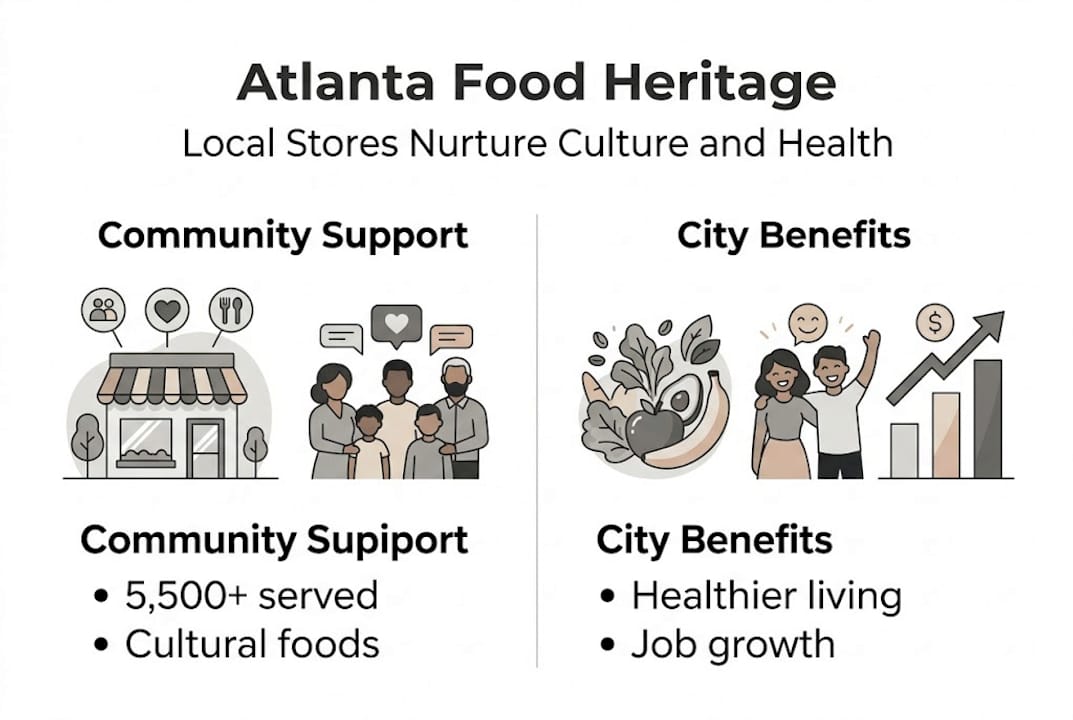
Azalea Fresh Market stands as a prime example. The store’s $6M economic impact and 5,500-plus monthly customers show what a well-supported local grocery can accomplish in areas that have been underserved for decades. It’s not just about produce and packaged goods. It’s about stability, jobs, and giving families a reason to stay and invest in their own neighborhoods.
The city has noticed. Invest Atlanta stepped up by awarding $50,000 grants to 15 grocers specifically to expand access to fresh, healthy food across underserved areas. These grants help stores upgrade refrigeration, expand inventory, and market to residents who may not know the store exists. It’s a practical tool that delivers results.
“Fresh food access isn’t a luxury. In neighborhoods where 14% of residents face food insecurity in low-access areas, a local grocery store can be the difference between a healthy meal and a convenience store dinner.”
Here’s a quick look at what these investments deliver:
| Impact area | Result |
|---|---|
| Monthly customers served | 5,500+ at Azalea Fresh Market |
| Annual economic impact | $6 million |
| City grants awarded | $50,000 to 15 local grocers |
| Food-insecure in low-access zones | Approximately 14% |
Key benefits of local food investment in Atlanta neighborhoods:
- Residents gain access to fresh produce and proteins closer to home
- Local hiring keeps economic activity within the community
- Smaller stores respond faster to neighborhood dietary needs
- Cultural products become available where chains won’t stock them
Understanding food access in Atlanta helps paint the full picture of why these investments matter beyond just convenience. The connection between grocery stores and community health is well established. Shorter travel distances to fresh food translate directly into better diet quality and lower rates of diet-related illness over time.
Connecting cultures: American and Caribbean stores in Atlanta
Atlanta’s cultural mix is extraordinary, and local stores reflect that reality every single day. For residents with roots in the Caribbean or anyone who grew up on American regional flavors, finding the right products isn’t just convenient. It’s personal.
The range of stores offering these products has grown steadily. Your DeKalb Farmers Market has been serving global shoppers since 1977, making it one of the longest-standing community food anchors in the metro area. Decades of operation have built deep trust among shoppers from dozens of ethnic backgrounds, including large Caribbean communities in Decatur and Stone Mountain.
For residents looking specifically at Caribbean offerings, options have expanded significantly. Caribbean grocery stores like International Food Market and JNJ Tropical Supermarket serve the Decatur and Stone Mountain areas with authentic products that simply aren’t available at mainstream chains. Scotch bonnet peppers, green seasoning, ackee, saltfish, and jerk seasonings are just a few of the staples you’ll find stocked and fresh.
| Store type | Strengths | Best for |
|---|---|---|
| Specialty Caribbean market | Authentic imports, fresh produce | Cooking traditional dishes |
| General ethnic supermarket | Wide product range, competitive pricing | Weekly household shopping |
| Convenience store with Caribbean/American mix | Convenience, variety, local focus | Quick finds and cultural staples |
Here’s a simple approach for getting the most out of these stores:
- Search for stores by community focus rather than just location
- Visit early in the week when fresh produce is typically restocked
- Ask staff about specialty items not displayed on shelves
- Compare prices on imported goods across two or three stores
- Look for posted recipe cards near specialty product sections
Pro Tip: When navigating specialty aisles for Caribbean products, look for items labeled with country of origin. Jamaican, Trinidadian, and Barbadian products often have subtle differences in seasoning and preparation that matter a lot in traditional recipes.
Exploring Caribbean grocery shopping in Atlanta gives you a solid framework before your first visit to a specialty store. You’ll also find that diverse stores for cultural flavors often carry crossover American products alongside Caribbean staples, making one-stop shopping a real possibility for many families.
How local stores build community and cultural heritage
Walk into any specialty grocery in Stone Mountain or Decatur on a Saturday morning and you’ll see something that no algorithm can replicate. Neighbors catching up in the aisle. Store owners explaining how to use a new product. A grandmother finding the exact cornmeal she’s been looking for since she moved here three years ago. These moments are what ethnic stores and community connection actually look like in practice.
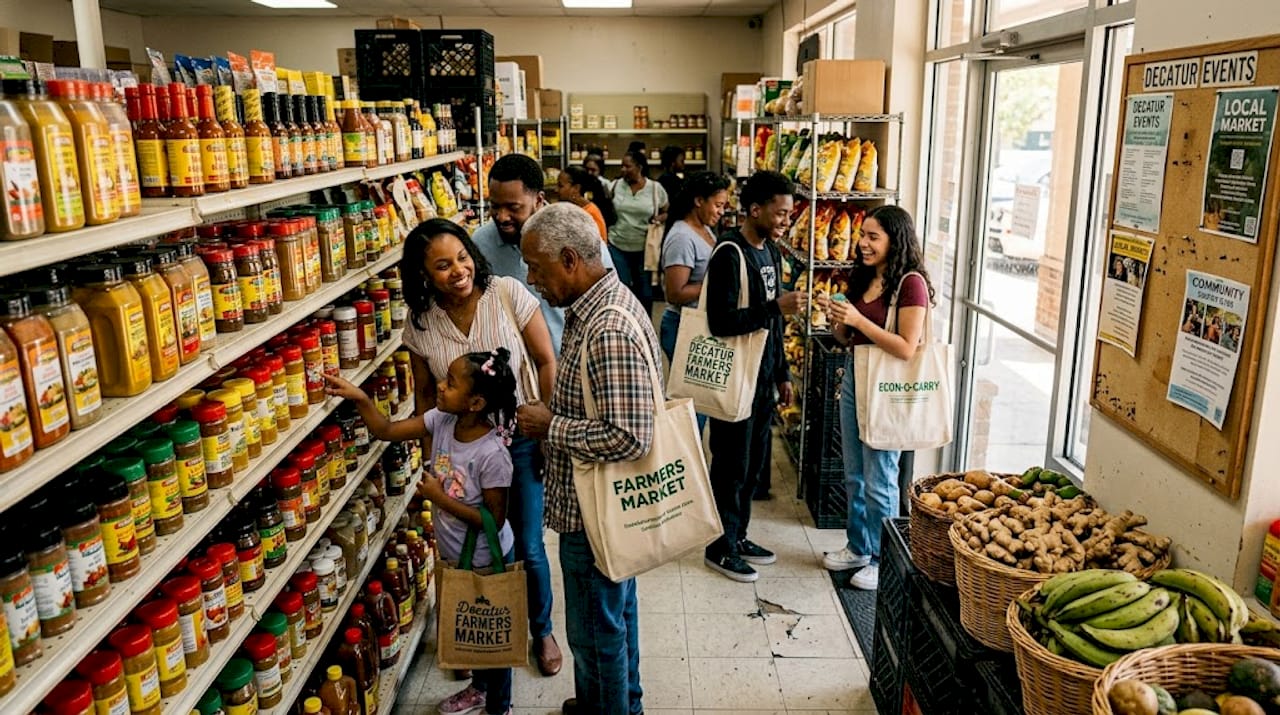
Local stores create informal gathering spaces that feel nothing like a big-box retail experience. The layout is smaller and more personal. Staff often speak multiple languages. Regulars know each other by name. That social texture builds neighborhood identity in ways that are hard to measure but impossible to ignore.
For newcomers to Atlanta, these stores serve a practical and emotional function at the same time. Finding familiar products from home reduces the disorientation of relocating to a new city. It’s a small thing that carries enormous psychological weight. For families who have lived in Atlanta for generations, stores preserving cultural heritage act as living archives of food traditions that might otherwise fade.
Here’s what residents consistently say they value most about local specialty stores:
- Access to authentic ingredients unavailable elsewhere
- Staff who understand cultural cooking techniques
- Prices that reflect real community purchasing power
- A welcoming environment that doesn’t feel foreign or transactional
- Events, seasonal specialties, and community bulletin boards
Pro Tip: Strike up a conversation with the store owner or a longtime employee. Ask what’s selling well that week or what seasonal product just came in. You’ll often discover ingredients or products you never knew you needed, and you’ll get a mini-lesson in how to cook with them.
That kind of relationship is the beating heart of what diverse stores and cultural connection mean in a real neighborhood context. It’s not marketing. It’s genuine community.
Challenges and opportunities for Atlanta’s independent stores
Running an independent grocery in Atlanta isn’t easy, and sugarcoating the challenges would do a disservice to shop owners who fight for every customer. The reality is that most independent grocers need 3 to 4 years before reaching consistent profitability. That’s a long runway in a competitive retail environment where margins are already thin.
“City grants and technical assistance programs make a real difference, but they can’t replace the sustained community loyalty that determines whether an independent store survives year five and beyond.”
Here are the key stages independent Atlanta grocers typically navigate:
- Launch phase: Securing inventory suppliers, negotiating lease terms, and building initial customer awareness
- Survival phase: Managing cash flow through lean months, often the first two years
- Growth phase: Expanding product lines, adding staff, and building community partnerships
- Stability phase: Reaching the profitability threshold where reinvestment becomes possible
City-backed grocery grants have helped stores bypass some of the early cash flow pressure. The $50,000 grants from Invest Atlanta are meaningful for stores operating on tight margins, but they also generate debate. Some argue city funds should prioritize neighborhoods with the deepest need rather than spreading grants broadly. Others point out that any store receiving support is one fewer food desert in the city.
The tension between equity and development isn’t unique to Atlanta, but it plays out here in particularly visible ways. The specialty stores enhancing Atlanta’s food scene that thrive long-term tend to be the ones that root themselves in the community first and treat the business model as a vehicle for cultural mission rather than pure profit.
Municipal models like Azalea Fresh Market show one path forward. Private independents show another. Both have real strengths and genuine trade-offs. The most resilient stores tend to combine financial discipline with authentic community relationships built over years, not quarters.
The real story: Why Atlanta’s local stores matter more than you think
Here’s the part most food access articles skip. Local stores aren’t just filling a gap that bigger retailers left behind. They’re building something that chains are structurally incapable of creating. Trust.
When a store owner in Stone Mountain learns your grandmother’s name, stocks the seasoning she uses, and calls her when it comes in, that’s not customer service. That’s a relationship that anchors a family to a neighborhood and gives them a reason to stay invested in it. Chains optimize for transactions. Local stores, at their best, optimize for belonging.
We also believe that stores selling American and Caribbean products do something that is genuinely underappreciated. They create cross-cultural curiosity. A resident who grew up eating American Southern food reaches for jerk seasoning because it’s next to the barbecue sauce. A Caribbean immigrant discovers sweet tea concentrate. These small exchanges don’t make headlines, but they build the kind of international foods and Atlanta diversity that makes a city genuinely livable.
Independent stores are also engines for upward mobility. Many immigrant families who open specialty groceries in Decatur or Stone Mountain are building generational wealth through that business. Supporting these stores is one of the most direct ways residents can invest in their neighbors’ futures.
Connect with Atlanta’s local food scene today
Atlanta’s neighborhood stores offer something that goes well beyond a shopping trip. They’re where culture, community, and fresh food intersect every single day. If you’ve been sticking to the same big-box routine, it might be time to explore what your neighborhood has been holding for you all along.
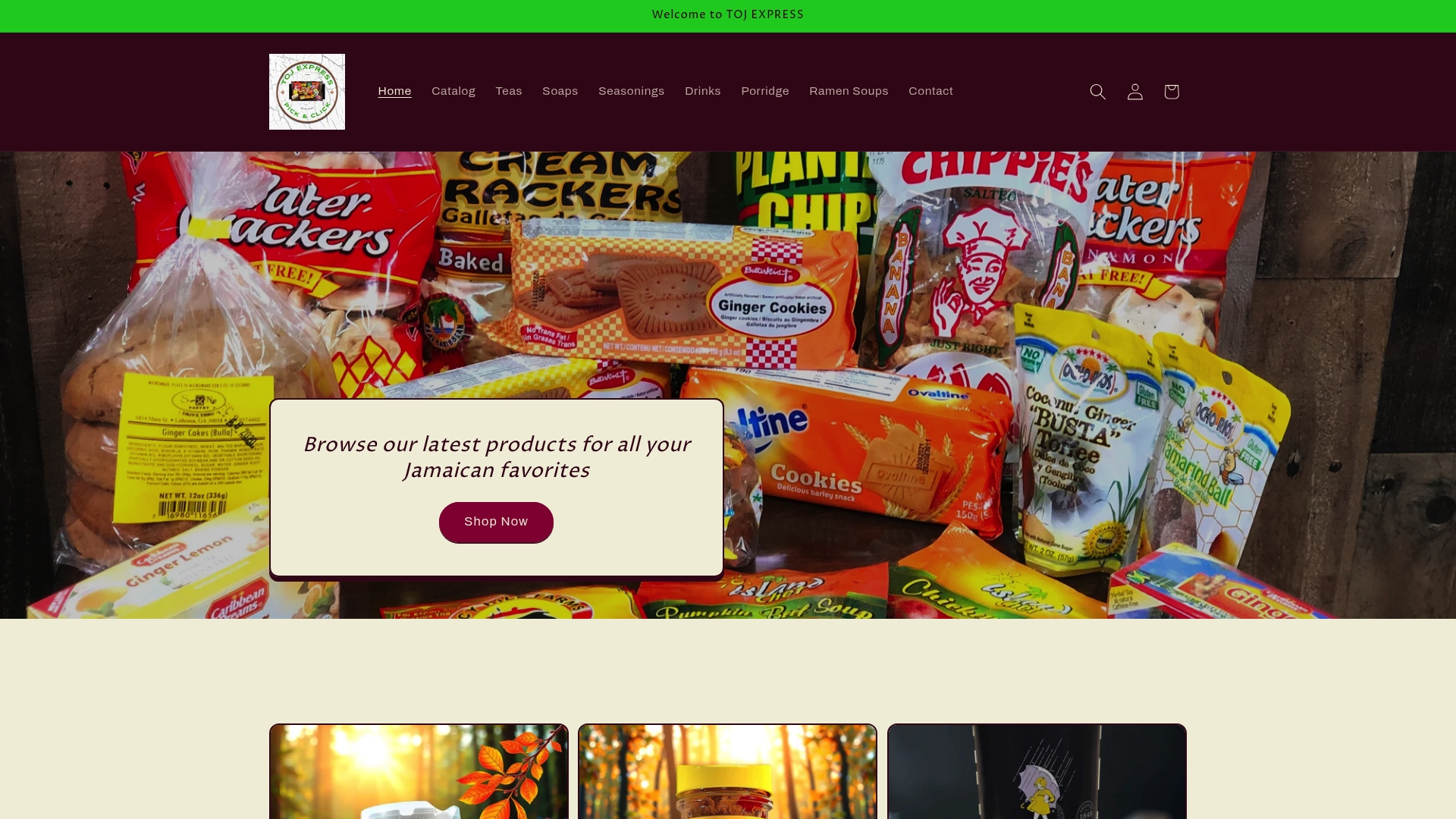
At TOJ Express, we carry authentic American and Caribbean products designed for exactly the communities this article is about. Whether you’re stocking up on Caribbean staples or looking for regional American favorites, you can discover authentic American and Caribbean groceries right here. And if you’re new to shopping Caribbean specialty items, our guide on essential tips for Caribbean groceries will help you shop with confidence from your very first visit.
Frequently asked questions
Which stores in Atlanta offer the best selection of Caribbean groceries?
Popular options include Your DeKalb Farmers Market, International Food Market, and JNJ Tropical Supermarket in Decatur and Stone Mountain, all known for authentic Caribbean product selections.
How do local stores help reduce food insecurity in Atlanta?
Stores like Azalea Fresh Market address food gaps directly, with the store’s 5,500+ monthly customers and $6 million annual economic impact proving that community-focused grocers deliver measurable health benefits.
What support do local grocers in Atlanta receive from the city?
Invest Atlanta has provided $50,000 grants to 15 local grocery stores, specifically targeting shops in underserved neighborhoods that need help expanding their fresh food offerings.
Why are local stores important for Atlanta’s cultural diversity?
They stock authentic products tied to specific cultural traditions and create welcoming spaces for exchange, helping both long-established and immigrant communities maintain their food heritage in a city that keeps growing.
Recommended
- Why shop locally in Atlanta: support community & flavors – TOJ EXPRESS
- How neighborhood stores boost food access in Atlanta 2026 – TOJ EXPRESS
- How specialty stores enhance Atlanta’s food scene – TOJ EXPRESS
- Why shop diverse stores in Atlanta for cultural flavors – TOJ EXPRESS
- Community Support Coffee Brands: Boosting Farmer Income 30% – EcoVibe Roast