
How to select high-quality frozen foods: Atlanta guide
TOJEXPRESS.COM-Antonio HenryYou grab a bag of frozen vegetables, toss it in the cart without a second look, and get home only to find a solid block of ice where individual peas should be. Sound familiar? Atlanta shoppers deal with this constantly, especially during summer when warm parking lots and long drives can start the thaw before you even reach your kitchen. The good news is that a few simple checks at the store can completely change your frozen food experience, saving you money, reducing waste, and putting better meals on the table every single night.
Table of Contents
- Why quality matters when choosing frozen foods
- What you need before you shop: Tools and preparation
- Step-by-step: How to select quality frozen foods
- Special tips for frozen veggies, fruits, and meats
- Where to find the best frozen foods in Atlanta
- How to store and use frozen foods for best results
- Discover convenient frozen food shopping with TOJ Express
- Frequently asked questions
Key Takeaways
| Point | Details |
|---|---|
| Check texture and packaging | Choose items that feel solid and have undamaged, sealed packaging for maximum freshness. |
| Use insulated bags | Transport your frozen foods in insulated bags and shop the frozen aisle last, especially in warm Atlanta weather. |
| Prefer low-moisture veggies | Peas and corn freeze best, while high-moisture produce like peppers can lose texture. |
| Specialty stores for Caribbean foods | For Caribbean staples, visit Atlanta specialty grocers or explore online for more options. |
Why quality matters when choosing frozen foods
Picking the right frozen food is not just about taste. It is about getting real nutritional value for your dollar. When you grab a poorly stored bag of spinach or a freezer-burned chicken breast, you are not just getting a bad meal. You are throwing money away.
The great news is that frozen food, when selected and handled correctly, can be just as good for you as fresh. Frozen produce often matches or exceeds fresh in nutrients if flash-frozen at peak ripeness. That means your frozen corn or mango chunks could actually be more nutritious than the out-of-season fresh version sitting in the produce aisle.
Here are the most common risks of skipping proper frozen food checks:
- Freezer burn: Causes dry, tough textures and off-flavors
- Partial thawing and refreezing: Destroys cell structure, leading to mushy results
- Nutrient loss: Happens when food is stored too long or improperly sealed
- Spoilage: Damaged packaging lets in air and bacteria
“The difference between a great frozen meal and a disappointing one often comes down to what happened before the food reached your freezer at home.”
If you are curious about the local Caribbean food benefits that come with choosing specialty frozen items, you will find that many Caribbean staples are frozen at their freshest, making them an excellent choice for nutrition-conscious shoppers.
What you need before you shop: Tools and preparation
Before you even walk into the store, a little preparation goes a long way. Atlanta’s heat is no joke. On a 95-degree summer afternoon, your frozen groceries can start softening in the car before you hit the highway.
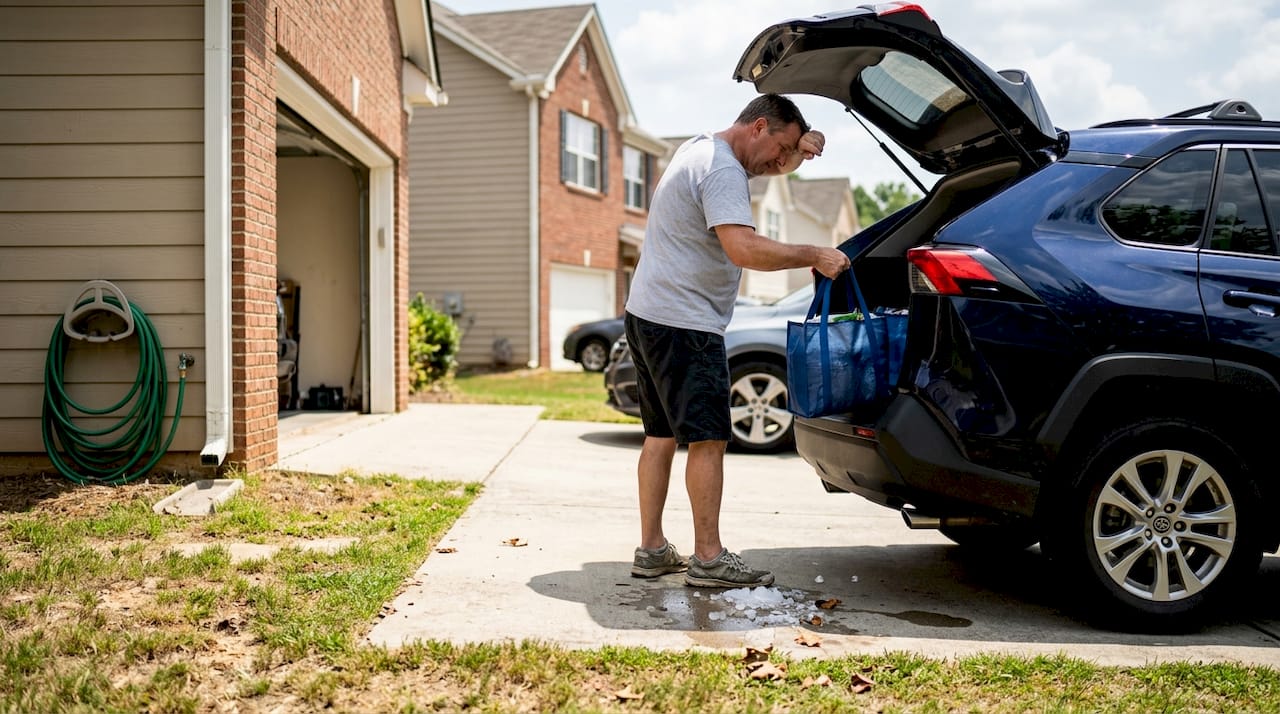
The shop frozen aisle last rule is one of the most practical tips you can follow. Use insulated bags for transport, especially in the warm Atlanta climate. This single habit protects your food and your investment.
Here is what to bring and do before every frozen food run:
- At least one insulated grocery bag or cooler
- A shopping list organized by store section
- A plan to go straight home after shopping
- Knowledge of your freezer’s current space and temperature (should be 0°F)
| Prep step | Why it matters |
|---|---|
| Insulated bag | Keeps food frozen during transport |
| Shop frozen last | Minimizes time outside the freezer |
| Check home freezer temp | Ensures proper storage on arrival |
| Plan your route | Reduces stops between store and home |
Pro Tip: Set your phone reminder to grab your insulated bags before leaving the house. It sounds simple, but forgetting them on a hot Atlanta day can cost you the quality of everything you just bought.
For more ideas on building a smart shopping routine, check out these Atlanta Caribbean grocery tips that apply to frozen shopping as well.
Step-by-step: How to select quality frozen foods
With your essentials ready, follow these steps in the store for best results.
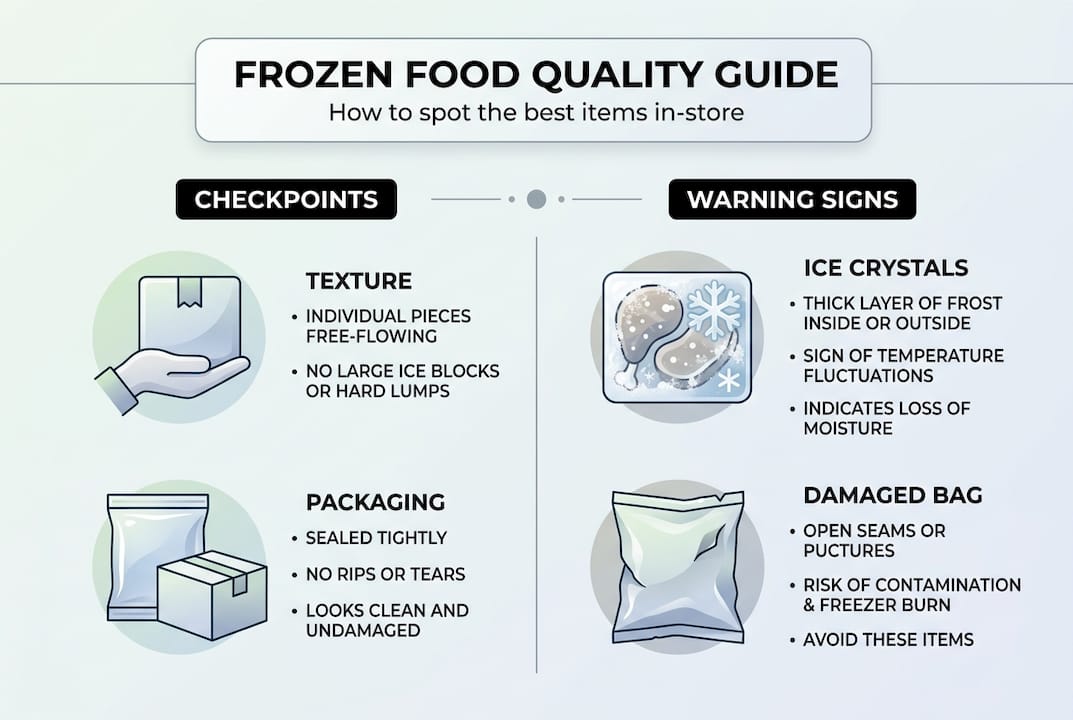
- Feel the package first. Select frozen foods that are rock-solid and feel cold to the touch, with no signs of softening or partial thawing. If it feels squishy, put it back.
- Shake the bag. Check for clumping in bags of vegetables, fruits, or fries. Loose pieces indicate proper handling, while clumps mean thawing and refreezing occurred.
- Inspect the packaging. Inspect packaging for damage, tears, or loose seals, which can allow air and contaminants in, leading to freezer burn or spoilage.
- Look for frost or ice crystals on the outside. A light frost inside is normal. Heavy ice buildup on the outside of the bag is a red flag.
- Check the expiration date. Always pick the item with the furthest date, especially for meats and seafood.
- Look at the color through the packaging. Bright colors in vegetables and fruits signal freshness. Dull or grayish tones suggest age or damage.
“A quick squeeze and shake at the freezer case takes five seconds and can save you from a ruined dinner.”
| Indicator | Good sign | Bad sign |
|---|---|---|
| Texture | Rock solid | Soft or squishy |
| Bag contents | Loose, separate pieces | Clumped together |
| Packaging | Sealed, intact | Torn, open, or wet |
| Color | Bright and vivid | Dull or grayish |
| Ice crystals | Light frost inside | Heavy buildup outside |
Pro Tip: Always reach to the back of the freezer case. Stores stock newer items in the back, so the freshest products are usually furthest from your reach.
For more guidance tailored to Atlanta shoppers, these Caribbean grocery shopping tips cover selection strategies that work across all frozen food categories. You can also reference USDA frozen storage safety guidelines for additional context on safe handling.
Special tips for frozen veggies, fruits, and meats
Not all frozen foods behave the same way. Knowing the quirks of each category helps you pick better every time.
Vegetables and fruits:
- Low-moisture vegetables like peas, corn, and edamame freeze exceptionally well and hold their texture
- High-moisture vegetables like peppers and zucchini can turn mushy after freezing, so expect a softer texture
- Frozen at peak ripeness retains vitamins better than out-of-season fresh; steam or microwave to preserve nutrients over boiling
- Avoid bags with added sauces or salt unless you specifically want them, as they limit how you can use the product
Meats and seafood:
- For meats and poultry, ensure solid feel; USDA notes both fresh and frozen are viable if handled properly
- Avoid packages with visible ice crystals on the meat itself, which signals moisture loss
- Seafood should have no strong odor even through the packaging
- Look for vacuum-sealed packaging on fish and shrimp for the best quality
Pro Tip: When buying frozen Caribbean staples like saltfish or callaloo, check that the packaging is airtight and the product looks uniform in color. These items are often imported and may have traveled long distances, so packaging integrity matters even more.
For inspiration on what to cook, browse Caribbean frozen foods examples that home cooks in Atlanta are already loving.
Where to find the best frozen foods in Atlanta
Armed with selection tips, you need to know where to put your new skills to use.
Atlanta has a solid mix of major grocery chains and specialty stores. Each serves a different purpose depending on what you are looking for.
- Kroger and Publix: Great for American frozen staples like vegetables, meats, and convenience meals
- Walmart Supercenter: Wide variety and competitive pricing on bulk frozen items
- Specialty Caribbean grocers: The only reliable source for items like frozen plantains, saltfish, callaloo, and breadfruit
In Atlanta, Caribbean frozen items like plantains, saltfish, and callaloo are available at specialty stores such as Caribbean Farmer’s Market and H&N Caribbean Grocery.
| Store type | Best for |
|---|---|
| Major chains (Kroger, Publix) | American frozen staples, meats, vegetables |
| Walmart Supercenter | Bulk buying, budget-friendly options |
| Caribbean specialty grocers | Plantains, saltfish, callaloo, breadfruit |
| Online convenience stores | Wide selection, home delivery |
If you want to learn more about shopping Caribbean groceries in Atlanta, there are great resources that break down which stores carry which products. You can also explore imported Caribbean frozen items that are reshaping Atlanta’s food scene in 2026.
How to store and use frozen foods for best results
Selection is only half the battle. What you do when you get home determines whether your food stays great or goes to waste.
- Unpack frozen items first. As soon as you get home, put frozen foods away before anything else.
- Check your freezer temperature. It should read 0°F. Anything warmer shortens shelf life significantly.
- Use the first-in, first-out method. Move older items to the front and place new purchases in the back.
- Label everything. Write the purchase date on bags with a marker so you always know what to use next.
- Do not overpack your freezer. Air needs to circulate for even freezing. A stuffed freezer runs less efficiently.
Benchmark storage times show frozen vegetables and fruits last 10 to 18 months, while meats last 3 to 12 months at 0°F, though quality declines over time. For detailed guidance, the frozen food storage guidelines from Virginia Cooperative Extension are a reliable reference.
Pro Tip: If you notice any off-smells, unusual colors, or excessive ice buildup after storage, trust your instincts and discard the item. No meal is worth a food safety risk.
Discover convenient frozen food shopping with TOJ Express
Finding the right frozen foods in Atlanta does not have to mean driving across town to three different stores. TOJ Express brings together a wide selection of American and Caribbean frozen products in one convenient place, so you spend less time searching and more time cooking.
Whether you are stocking up on frozen plantains, callaloo, saltfish, or classic American staples, we have got you covered. Our selection is built specifically for Atlanta shoppers who want quality, variety, and convenience without the hassle. Shop Atlanta frozen foods at TOJ Express and discover how easy it is to keep your freezer stocked with everything your household loves.
Frequently asked questions
How can I tell if frozen food has thawed and refrozen?
Clumping and large ice crystals suggest thawing and refreezing. You may also notice sticker residue that has shifted or packaging that looks wet or warped.
Are minor freezer burns on frozen foods safe to eat?
Yes, minor freezer burn is safe but undesirable. Trim away the affected areas for better taste, and discard items with large ice crystals or strong off-smells.
How long can I store frozen meats or vegetables?
Benchmark storage times show meats last 3 to 12 months and vegetables and fruits last 10 to 18 months at 0°F. Use them sooner for the best flavor and texture.
Where can I buy Caribbean frozen foods in Atlanta?
Look for specialty grocers like Caribbean Farmer’s Market and H&N Caribbean Grocery, or shop online for easier access. Caribbean frozen items are increasingly available across the Atlanta metro area.
Is frozen produce always as nutritious as fresh?
Often yes. Frozen at peak ripeness retains vitamins better than out-of-season fresh produce. Steaming or microwaving preserves the most nutrients compared to boiling.