
Imported Caribbean items: Atlanta's culinary scene in 2026
TOJEXPRESS.COM-Antonio HenryAtlanta’s Caribbean community pays up to 30% more for imported products because authenticity matters. These items from the islands aren’t just groceries; they’re lifelines to heritage, culture, and the flavors that define identity. From scotch bonnet peppers to tamarind balls, imported Caribbean goods fuel family recipes, community gatherings, and the city’s evolving food landscape. This guide explores why these products matter, how regulations shape availability, their cultural significance, and practical shopping strategies for finding authentic items in Atlanta’s markets.
Table of Contents
- Why Imported Caribbean Items Matter To Atlanta Consumers
- Navigating Regulations And Quality Concerns For Imported Caribbean Foods
- Cultural Significance Of Imported Caribbean Products In Atlanta’s Food Scene
- How To Shop For Authentic Imported Caribbean Items In Atlanta
- Explore Authentic Caribbean Products With TOJ EXPRESS
- FAQ
Key takeaways
| Point | Details |
|---|---|
| Authenticity drives premium pricing | Atlanta consumers willingly pay more for imported Caribbean products due to perceived quality and cultural authenticity. |
| Regulations impact availability | FDA compliance through programs like FSVP ensures safety but can limit product access when importers fail inspections. |
| Cultural preservation matters | Imported items foster community belonging and help diaspora maintain connections to Caribbean heritage. |
| Shopping requires vigilance | Authentic products come from reputable vendors with transparent sourcing and proper labeling verification. |
Why imported Caribbean items matter to Atlanta consumers
Atlanta’s Caribbean community doesn’t settle for substitutes. When cooking jerk chicken or preparing curry goat, the spices must be right. Imported Caribbean products deliver flavors domestic alternatives can’t replicate. Consumers in Atlanta pay premium prices for imported items because quality and authenticity aren’t negotiable.
These products do more than season food. They anchor identity. For Caribbean immigrants and their descendants, imported goods enhance cultural landscape by creating spaces where heritage thrives. A bottle of Pickapeppa sauce or a bag of plantain chips becomes a bridge between Atlanta and Kingston, Port of Spain, or Bridgetown.
Typical imported items include:
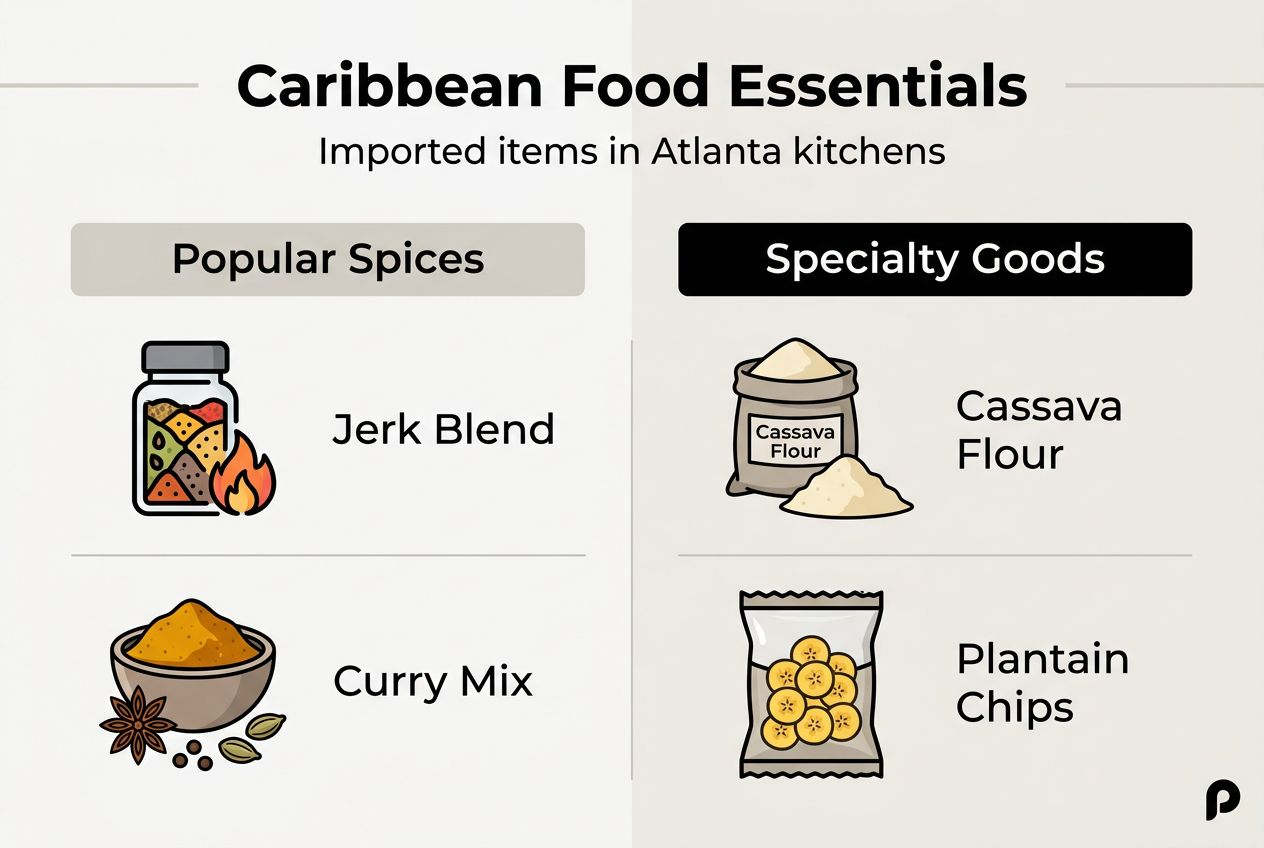
- Scotch bonnet peppers and Caribbean curry powder for authentic heat and flavor profiles
- Hot sauces like Matouk’s and Baron Foods that define island cooking
- Cassava flour, coconut milk powder, and specialty starches for traditional dishes
- Snacks such as tamarind balls, plantain chips, and sweet treats unavailable domestically
- Fresh produce like callaloo, cho cho, and breadfruit when seasonally available
These ingredients aren’t optional for traditional Caribbean cooking. They’re essential. A Trinidadian roti without proper curry powder tastes wrong. Jamaican patties need the right scotch bonnet kick. Local suppliers understand this. They source directly from Caribbean producers to meet community expectations while navigating safety regulations.
Pro Tip: Build relationships with store owners at Caribbean markets. They often receive shipments of hard-to-find items and can notify regular customers when specialty products arrive.
The cultural weight these products carry explains the premium pricing. When you buy Caribbean spices, you’re purchasing more than seasoning. You’re investing in heritage preservation. This dynamic creates a robust market for authentic imports despite higher costs. Families budget specifically for these items because Caribbean products boost flavor and culture in ways generic alternatives never will.
Navigating regulations and quality concerns for imported Caribbean foods
FDA oversight shapes what reaches Atlanta shelves. Imported Caribbean foods must comply with federal safety standards, including the Foreign Supplier Verification Program. This program requires importers to verify their foreign suppliers meet U.S. safety requirements. When compliance fails, consumers lose access to products they depend on.
In 2025, the FDA found that Ocho Rios Atlanta Inc. violated federal import regulations for certain Caribbean foods. The company failed to maintain proper FSVP records and didn’t adequately verify supplier compliance. Such violations trigger warnings, product holds, or removal from distribution. For consumers, this means favorite items suddenly disappear from store shelves.
Regulations exist to protect you. They ensure imported foods meet safety standards for pesticides, contaminants, and proper handling. However, they also create barriers. Smaller Caribbean producers sometimes struggle with compliance documentation, limiting product variety in U.S. markets. This tension between safety and access affects what you find at Atlanta Caribbean groceries.
Consumers should follow these steps to ensure quality:
- Verify the importer’s reputation by checking online reviews and asking store staff about sourcing practices.
- Examine packaging for proper labeling including country of origin, ingredient lists, and expiration dates.
- Look for certification marks or quality seals from recognized Caribbean food safety authorities.
- Compare prices across vendors because unusually low costs may indicate counterfeit or expired products.
- Report suspicious products to store management and consider filing FDA complaints for safety concerns.
Authenticity and safety aren’t mutually exclusive. Reputable importers invest in compliance because it protects their business and your health. When shopping, prioritize vendors who transparently discuss their supply chains. Ask questions about sourcing. Legitimate businesses welcome these conversations because they’ve done the work to meet standards.
Understanding FSVP helps you appreciate why some products cost more. Compliance requires documentation, supplier audits, and testing. These expenses get passed to consumers but guarantee the scotch bonnet sauce you buy meets safety standards. It’s a trade-off that protects community health while preserving access to authentic flavors.
Cultural significance of imported Caribbean products in Atlanta’s food scene
Food carries memory. For Atlanta’s Caribbean community, imported products preserve traditions that define identity. Church potlucks feature curry chicken made with proper island spices. Family gatherings center on dishes requiring ingredients only available through import channels. These moments depend on authentic products fostering cultural preservation and community cohesion.
The cultural role extends beyond individual meals. Caribbean imports influence Atlanta’s broader food landscape. The city’s soul food scene, already rich with African American culinary heritage, absorbs Caribbean flavors through fusion dishes. Restaurants experiment with jerk seasonings on traditional Southern proteins. Food trucks blend plantains with classic comfort foods. This culinary fusion reflects Atlanta’s evolution as a diverse, globally connected city.
Key cultural impacts include:
- Maintaining generational recipes that require specific imported ingredients unavailable domestically
- Supporting community celebrations like Carnival, Emancipation Day, and cultural festivals with authentic foods
- Creating economic opportunities for Caribbean entrepreneurs who import and distribute specialty products
- Building bridges between Caribbean nationals and African Americans through shared culinary experiences
- Preserving linguistic and cultural knowledge passed through cooking traditions and ingredient preparation
“Soul food evolved from resilience and creativity under constraint. Caribbean cuisine shares that history. When these traditions meet in Atlanta, they create something powerful that honors both heritages while building new community bonds.”
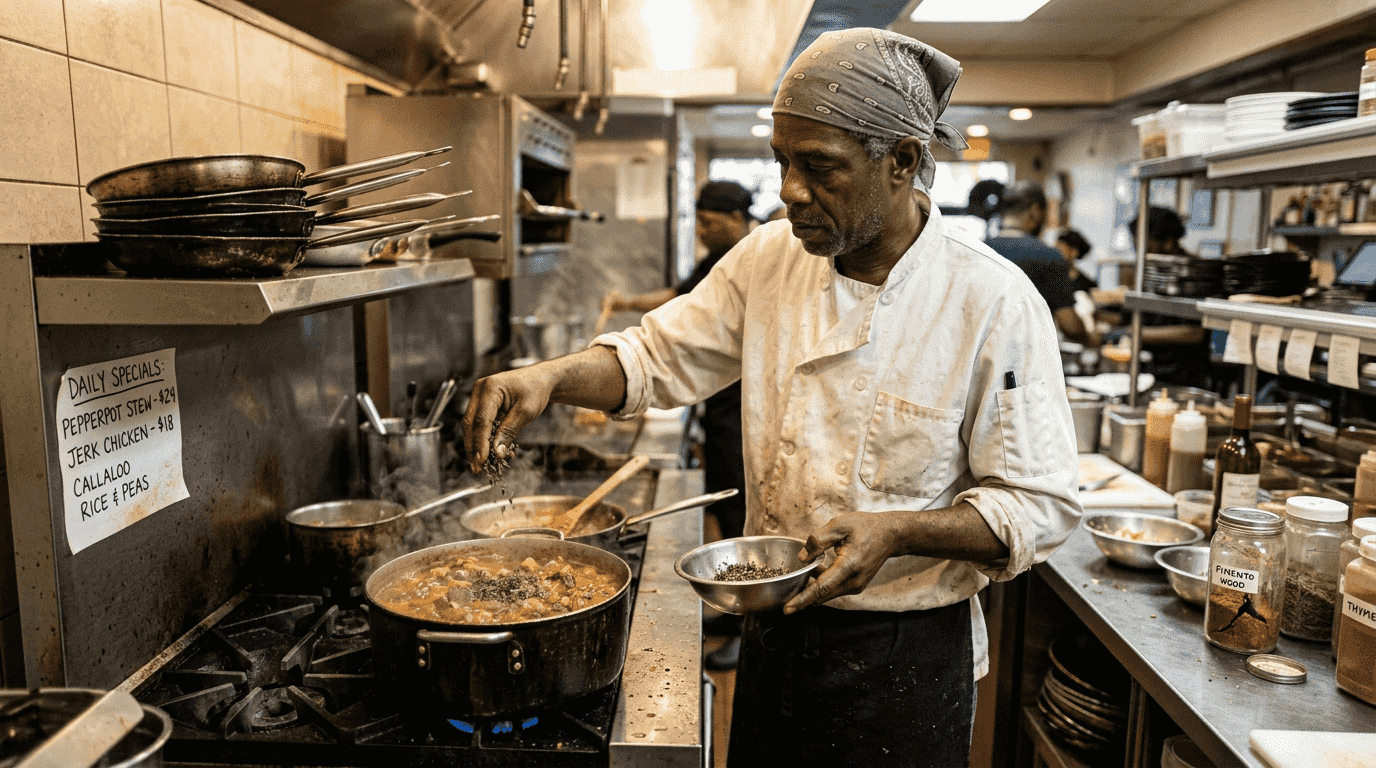
Access to imported items allows diaspora members to feel anchored. A Guyanese immigrant in Decatur can prepare pepperpot using cassareep imported from home. A Barbadian family in Stone Mountain serves flying fish with proper seasonings. These meals aren’t just food; they’re resistance against cultural erosion. They declare that distance from the Caribbean doesn’t mean disconnection from identity.
The solidarity extends to shopping experiences at Caribbean groceries. These stores become community hubs where people exchange recipes, discuss island news, and maintain social networks. The products on shelves facilitate these connections. When you try Caribbean snacks, you participate in a cultural ecosystem that transcends commerce.
Atlanta’s food scene benefits from this cultural richness. Chefs trained in Caribbean techniques bring expertise to restaurants across the city. Home cooks share fusion recipes online, spreading island influences. Food writers document how Caribbean flavors reshape Southern cooking. All of this depends on consistent access to authentic imported products that make these culinary innovations possible.
How to shop for authentic imported Caribbean items in Atlanta
Finding authentic products requires strategy. Atlanta’s Caribbean markets vary in quality and selection. Some specialize in specific island cuisines while others offer pan-Caribbean variety. Knowing what to look for protects you from counterfeit items and ensures you get genuine flavors.
Popular imported categories include:
| Category | Typical Uses | Authenticity Markers |
|---|---|---|
| Spices and seasonings | Jerk marinades, curry dishes, pepper sauces | Island-specific brands, proper heat levels, traditional packaging |
| Sauces and condiments | Hot sauces, ketchup variants, chutneys | Recognized Caribbean manufacturers, ingredient authenticity |
| Snacks and sweets | Plantain chips, tamarind balls, coconut drops | Traditional preparation methods, island origin labels |
| Specialty produce | Callaloo, breadfruit, scotch bonnets | Seasonal availability, proper freshness indicators |
Consumers in Atlanta prefer imported spices and snacks with clear authenticity markers. Check labels for country of origin. Jamaican products should list Jamaica as the manufacturing location. Trinidadian items should reference Trinidad production facilities. Generic “Caribbean style” labels often indicate domestic imitations lacking authentic flavor profiles.
Shopping tips for finding genuine products:
- Visit established Caribbean grocers with long-standing community reputations rather than general international markets
- Examine packaging quality because legitimate importers invest in proper labeling and storage
- Compare ingredient lists against known authentic recipes to spot substitutions or fillers
- Ask store staff about shipment schedules to buy fresher products soon after arrival
- Join community groups online where members share vendor recommendations and product reviews
Pro Tip: Purchase smaller quantities of new-to-you products first. This lets you verify authenticity and quality before committing to larger, more expensive purchases.
Counterfeit products exist. Some vendors relabel domestic items as Caribbean imports to charge premium prices. Others sell expired goods at discounts without proper disclosure. Protect yourself by shopping at recommended Caribbean groceries in Atlanta with transparent business practices.
Price comparison helps identify suspicious deals. If scotch bonnet sauce costs half the typical price, question why. Authentic imports carry costs for international shipping, compliance, and quality verification. Dramatically lower prices suggest corners were cut somewhere in the supply chain.
Diversify your shopping locations. Different stores excel in different categories. One market might have the best selection of authentic Caribbean snacks while another sources superior fresh produce. Building relationships with multiple vendors gives you flexibility and ensures consistent access to the items you need. Check the snack shopping guide for Atlanta in 2026 for current vendor recommendations and product availability.
Explore authentic Caribbean products with TOJ EXPRESS
TOJ EXPRESS brings Caribbean authenticity to Atlanta consumers seeking genuine imported products. Our general Caribbean grocery selection includes spices, sauces, and specialty ingredients sourced directly from island producers. We understand that cooking traditional dishes requires the right components, not approximations.
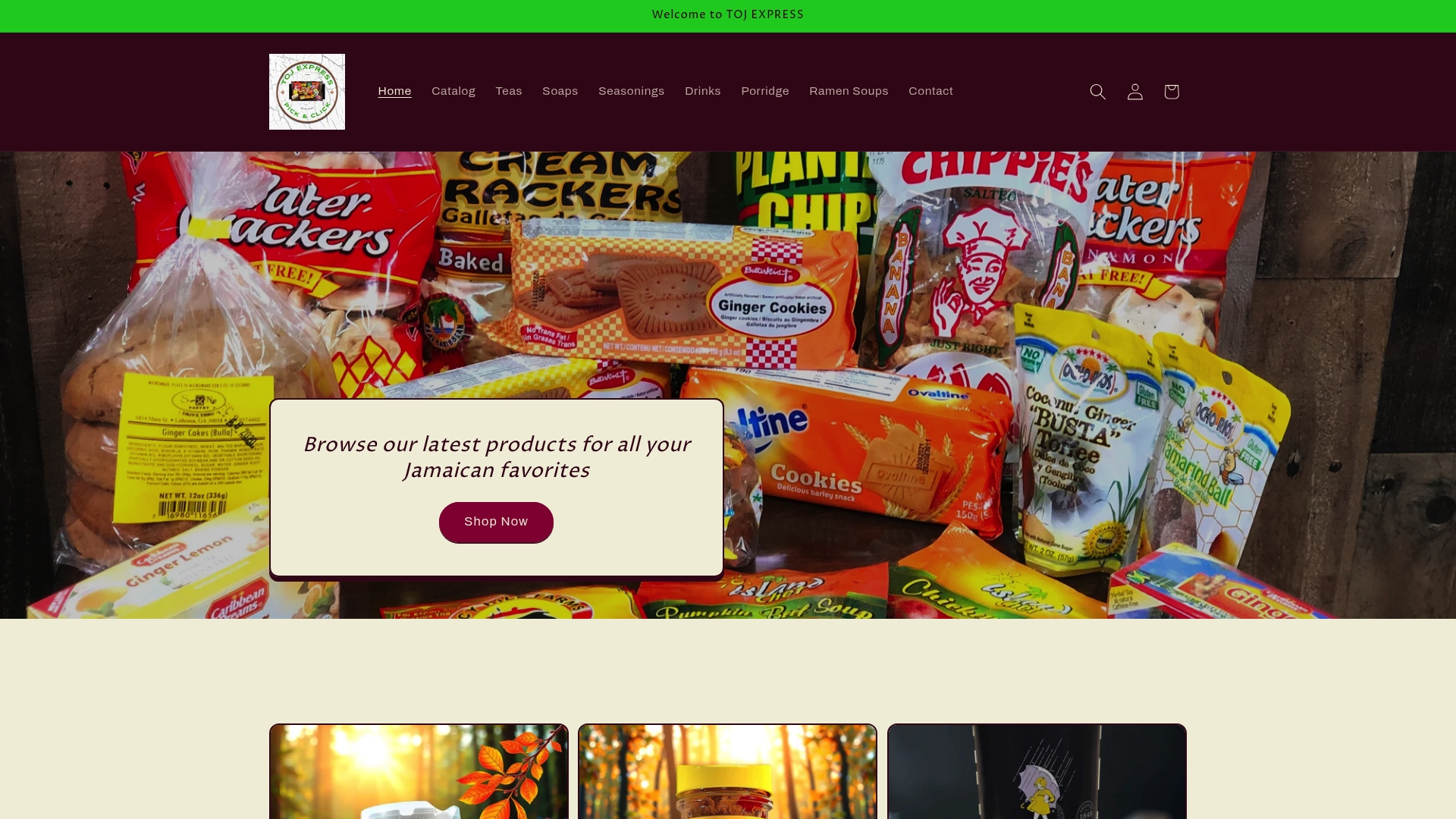
Our Caribbean snacks collection features imported treats that satisfy cravings for authentic island flavors. From plantain chips to tamarind balls, we stock items that remind you of home or introduce you to Caribbean culinary traditions. Shopping with us means accessing hard-to-find products without compromising on quality or authenticity.
Pro Tip: Order early for holidays and special occasions. Popular items sell quickly during peak seasons, so planning ahead ensures you have everything needed for your celebrations.
Visit TOJ EXPRESS to browse our full selection and discover how authentic Caribbean products can enhance your cooking and connect you to vibrant cultural traditions.
FAQ
What are imported Caribbean items?
Imported Caribbean items are food products manufactured in Caribbean countries and shipped to the U.S. for sale. These include spices, hot sauces, snacks, beverages, and specialty produce essential for traditional Caribbean cooking. They preserve authentic flavors and culinary techniques that domestic alternatives cannot replicate.
Why are imported Caribbean products important to Atlanta’s Caribbean community?
These products allow Caribbean immigrants and descendants to maintain cultural connections through food. They support traditional celebrations, family recipes, and community gatherings that strengthen bonds. Authentic imported items foster cultural preservation and provide a sense of belonging for diaspora members navigating life far from their home islands.
How can consumers ensure the authenticity of imported Caribbean foods?
Buy from reputable vendors with established community presence and positive reviews. Check packaging labels carefully for country of origin, manufacturer information, and proper certification marks. Be skeptical of unusually low prices, which may indicate counterfeit products or expired inventory being sold without disclosure.
Are imported Caribbean products subject to import regulations?
Yes, all imported foods must comply with FDA regulations that enforce safety and labeling standards. The FDA regulates imports through FSVP to verify suppliers meet U.S. requirements. Non-compliance can delay shipments or remove products from distribution, affecting consumer access to favorite items.
Recommended
- How to Shop Caribbean Groceries Like a Local in Atlanta – TOJ EXPRESS
- Types of Caribbean snacks for authentic flavor in 2026 – TOJ EXPRESS
- Caribbean holiday foods: 3+ islands for 2026 feasts – TOJ EXPRESS
- Why Caribbean Products Are Trending Worldwide – TOJ EXPRESS
- Best Southern Caribbean Cruises 2026 | Southern Caribbean Cruise Deals
- Guide to Typical Costa Rican Food | Costa Rica Waterfall Tours