
Why shop locally in Atlanta: support community & flavors
TOJEXPRESS.COM-Antonio HenryMany Atlanta shoppers assume chains offer better value, but local spending recirculates 58% more money within the community than chain purchases. This dramatic difference transforms neighborhoods, creates jobs, and preserves authentic American and Caribbean flavors that define Atlanta’s cultural identity. Beyond price tags, your shopping choices shape economic vitality, job opportunities, and access to unique products. This guide explores the financial impact, community benefits, cultural preservation, and practical strategies for supporting Atlanta’s local businesses while discovering authentic flavors you won’t find elsewhere.
Table of Contents
- The Economic Impact Of Shopping Locally In Atlanta
- Understanding Challenges Faced By Atlanta’s Local Businesses
- Unique Local And Cultural Benefits Of Shopping In Atlanta’s Markets
- Practical Ways To Support Local Shopping In Atlanta
- Explore Authentic Local Products With TOJ Express
- Frequently Asked Questions About Shopping Locally In Atlanta
Key takeaways
| Point | Details |
|---|---|
| Economic multiplier | Local retailers recirculate $68 per $100 spent versus $43 for chains, strengthening Atlanta’s economy. |
| Tax revenue advantage | Local businesses generate 70% more tax revenue per square foot than big box stores. |
| Cultural preservation | Local shops maintain authentic American and Caribbean product selections that chains cannot replicate. |
| Job creation impact | Small businesses create approximately 65% of new jobs, directly benefiting Atlanta communities. |
| Community resilience | Supporting local sellers protects diverse marketplaces from online and chain competitor pressures. |
The economic impact of shopping locally in Atlanta
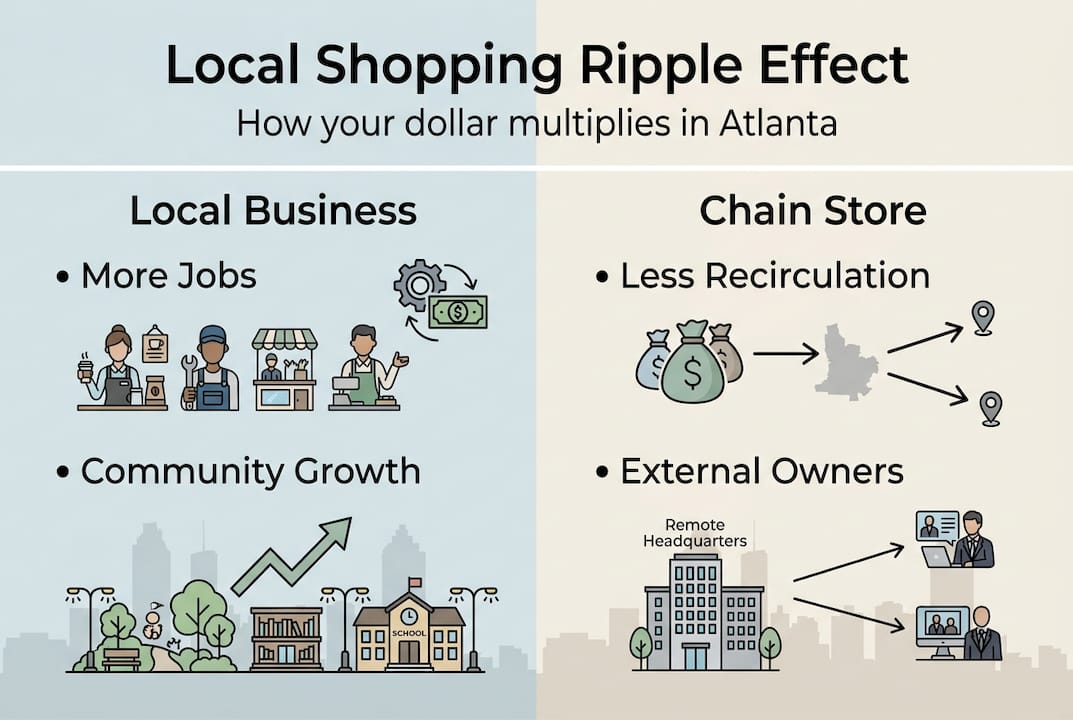
Every dollar you spend at a local Atlanta business creates ripple effects throughout the metro area. Local spending recirculates 58% more money within the community compared to chain store purchases. This happens because local owners hire local workers, purchase from nearby suppliers, and reinvest profits into Atlanta neighborhoods rather than shipping earnings to distant corporate headquarters.
The numbers reveal stark differences in how money flows through our economy:
| Spending Type | Local Retention Per $100 | Community Benefit |
|---|---|---|
| Local business | $68 | Supports Atlanta jobs, suppliers, services |
| National chain | $43 | Profits leave metro area |
| Online retailer | $0-$15 | Minimal local economic impact |
Tax revenue generation shows even more dramatic advantages. Local businesses generate 70% more tax revenue per square foot than big box stores, funding essential services like schools, infrastructure, and public safety. When you buy from local stores in Atlanta suburbs, you directly contribute to visible community improvements.
Key economic benefits include:
- Job creation in your neighborhood with competitive wages
- Stronger business ecosystems as local companies support each other
- Increased property values from thriving commercial districts
- Enhanced public services funded by higher tax contributions
- Reduced environmental costs from shorter supply chains
Pro Tip: Track your monthly spending and shift just 10% from chains to local businesses. That modest change multiplies through the economy, potentially creating new jobs and improving public services you use daily.
The multiplier effect means money spent locally cycles through Atlanta’s economy multiple times. A local grocer pays Atlanta employees who shop at nearby businesses, which employ more local residents, creating a virtuous cycle. Chain stores break this cycle by centralizing profits elsewhere. Understanding this dynamic helps you see shopping as an investment in your community’s future prosperity rather than just a transaction.
Understanding challenges faced by Atlanta’s local businesses
Local retailers compete against massive advantages enjoyed by e-commerce giants and national chains. Amazon, Walmart, and other corporations leverage economies of scale to negotiate supplier prices 30-40% lower than independent stores can access. They also deploy sophisticated algorithms, massive marketing budgets, and distribution networks that local businesses cannot match.
The environmental and social tradeoffs often go unnoticed. Online shopping encourages overconsumption through frictionless purchasing and generous return policies, generating enormous packaging waste and carbon emissions from individual deliveries. Local shopping naturally promotes mindful purchasing and sustainable practices through personal interactions and community accountability.
Atlanta experienced these dynamics firsthand when Amazon Fresh entered the metro market. Amazon Fresh entry caused sales and headcount declines for small local grocery retailers, demonstrating how digital platforms disrupt neighborhood economies. The impact extended beyond simple competition, fundamentally altering how residents accessed food and cultural products.
Local businesses face these common obstacles:
- Price pressure from competitors with massive purchasing power
- Limited marketing budgets competing against million dollar ad campaigns
- Supply chain challenges accessing diverse product inventories
- Technology gaps in e-commerce and digital payment systems
- Real estate costs in desirable Atlanta neighborhoods
- Staffing difficulties offering competitive wages and benefits
Research confirms the severity:
“The entry of Amazon Fresh into urban markets correlates with significant sales declines and employment reductions among incumbent small grocery retailers, with effects concentrated in lower income neighborhoods where local stores provide essential community services.”
These pressures particularly affect stores serving Atlanta’s diverse communities, where grocery stores play a vital role in maintaining diversity through specialized product selections. When local retailers close, neighborhoods lose more than convenience. They lose gathering places, cultural touchpoints, and economic anchors that chains rarely replicate.
The challenge intensifies as consumer habits shift toward online ordering and subscription services. Local businesses must innovate constantly while maintaining the personal service and authentic products that differentiate them from corporate competitors. Your support provides the revenue stability they need to survive and adapt.
Unique local and cultural benefits of shopping in Atlanta’s markets
Atlanta’s local markets preserve authentic flavors and cultural traditions that homogenized chains cannot replicate. Local retailers offer unique authentic cultural flavors that chains often cannot replicate, connecting residents to their heritage and introducing others to diverse culinary experiences. The difference between chain and local offerings becomes immediately apparent when comparing products:
| Product Category | Chain Store | Local Atlanta Market |
|---|---|---|
| Caribbean seasonings | Generic “jerk” blends | Authentic Jamaican, Trinidadian, Haitian spice mixes |
| Fresh produce | Standard varieties | Callaloo, breadfruit, plantains, scotch bonnets |
| Prepared foods | Mass produced | Traditional recipes, family techniques |
| Beverages | Mainstream brands | Sorrel, mauby, fresh coconut water |
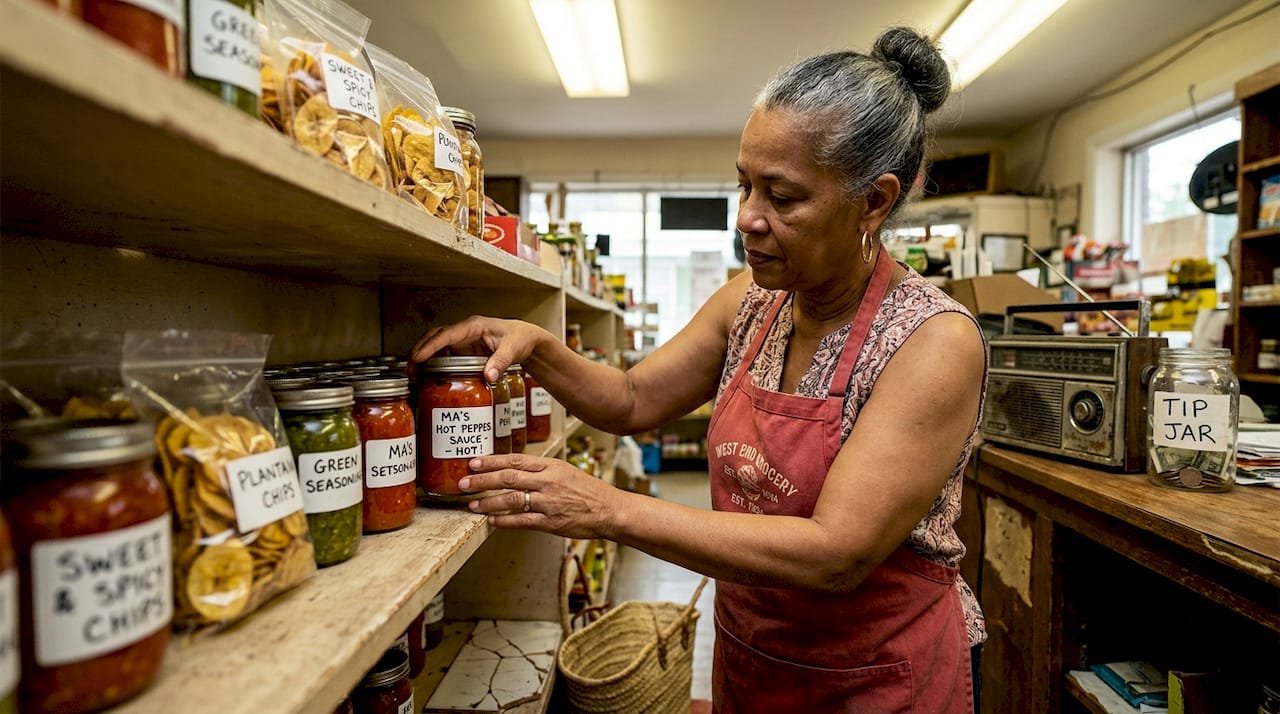
Local shops function as cultural preservation centers, maintaining product knowledge passed through generations. Owners understand preparation methods, seasonal variations, and authentic sourcing that chain employees rarely possess. This expertise transforms shopping from a transaction into an educational experience, particularly valuable for younger generations learning their cultural heritage.
Cultural diversity access provides multiple benefits:
- Freshness from faster turnover and regional sourcing
- Specialty ingredients unavailable in mainstream stores
- Traditional preparation guidance from knowledgeable staff
- Community connections with others sharing your background
- Support for small scale producers and importers
- Authentic quality standards rather than mass market substitutes
Pro Tip: Ask local shop owners about product origins and preparation methods. Their knowledge helps you identify genuinely authentic suppliers and avoid mass produced imitations marketed as “authentic.” Building these relationships also alerts you to new arrivals and seasonal specialties.
The community connections formed through culturally focused businesses extend beyond commerce. These spaces become gathering points where languages, traditions, and information flow freely. You might discover job opportunities, cultural events, or family services through casual conversations impossible in impersonal chain environments.
Discover advantages of local Caribbean foods in Atlanta by exploring neighborhood markets that prioritize authenticity over profit margins. When you shop diverse stores in Atlanta for authentic cultural flavors, you vote with your wallet for cultural preservation and community strength. These choices ensure future generations can access their heritage through food, maintaining Atlanta’s reputation as a culturally vibrant city.
Practical ways to support local shopping in Atlanta
Transitioning toward local shopping requires intentional changes but delivers immediate satisfaction through better products and community connections. Follow this step by step approach:
- Identify three local businesses within two miles of your home or workplace
- Visit each store to assess product selection, pricing, and service quality
- Start with one category like snacks or produce to shift from chains to local
- Gradually expand local purchases as you discover quality and value
- Share positive experiences with friends and on social media
- Provide constructive feedback to help local businesses improve
Finding authentic American and Caribbean products requires knowing where to look:
- Ask neighbors and coworkers for their favorite local shops
- Search online for ethnic grocery stores in your Atlanta neighborhood
- Visit farmer markets to connect with local producers directly
- Check community centers and cultural organizations for recommendations
- Follow local food bloggers highlighting authentic Atlanta markets
- Join neighborhood social media groups discussing shopping options
Pro Tip: Local products sometimes cost more because owners pay fair wages and source sustainably. Calculate the true cost including community benefits, environmental impact, and product quality rather than just comparing price tags. The small premium supports economic justice and environmental responsibility.
Participate in community events to deepen your local engagement. Farmer markets, cultural festivals, and neighborhood gatherings connect you with producers and fellow residents who share your values. These interactions build social capital that strengthens communities beyond economic transactions.
Small businesses create about 65% of new jobs, reinforcing community benefits of local support. Your shopping habits directly influence employment opportunities for Atlanta residents. When local businesses thrive, they hire more workers, expand operations, and contribute to neighborhood revitalization.
Use these resources to enhance your local shopping:
- Snack shopping guide for American and Caribbean options in Atlanta helps you discover authentic treats
- Why buy local snacks in Atlanta explains specific benefits for your community
- Local business directories maintained by chambers of commerce
- Neighborhood apps highlighting nearby independent retailers
Remember that supporting local shopping creates visible improvements in your daily life. Thriving commercial districts increase property values, reduce crime, and foster the sense of place that makes neighborhoods desirable. Your consistent patronage provides the revenue stability local businesses need to invest in better products, services, and community initiatives.
Explore authentic local products with TOJ Express
TOJ Express connects Atlanta residents with authentic American and Caribbean groceries while supporting local producers and cultural preservation. Our curated selection reflects the diverse flavors that define Atlanta’s communities, offering quality products you won’t find in mainstream chains. We prioritize authenticity, freshness, and fair partnerships with suppliers who share our commitment to cultural integrity.
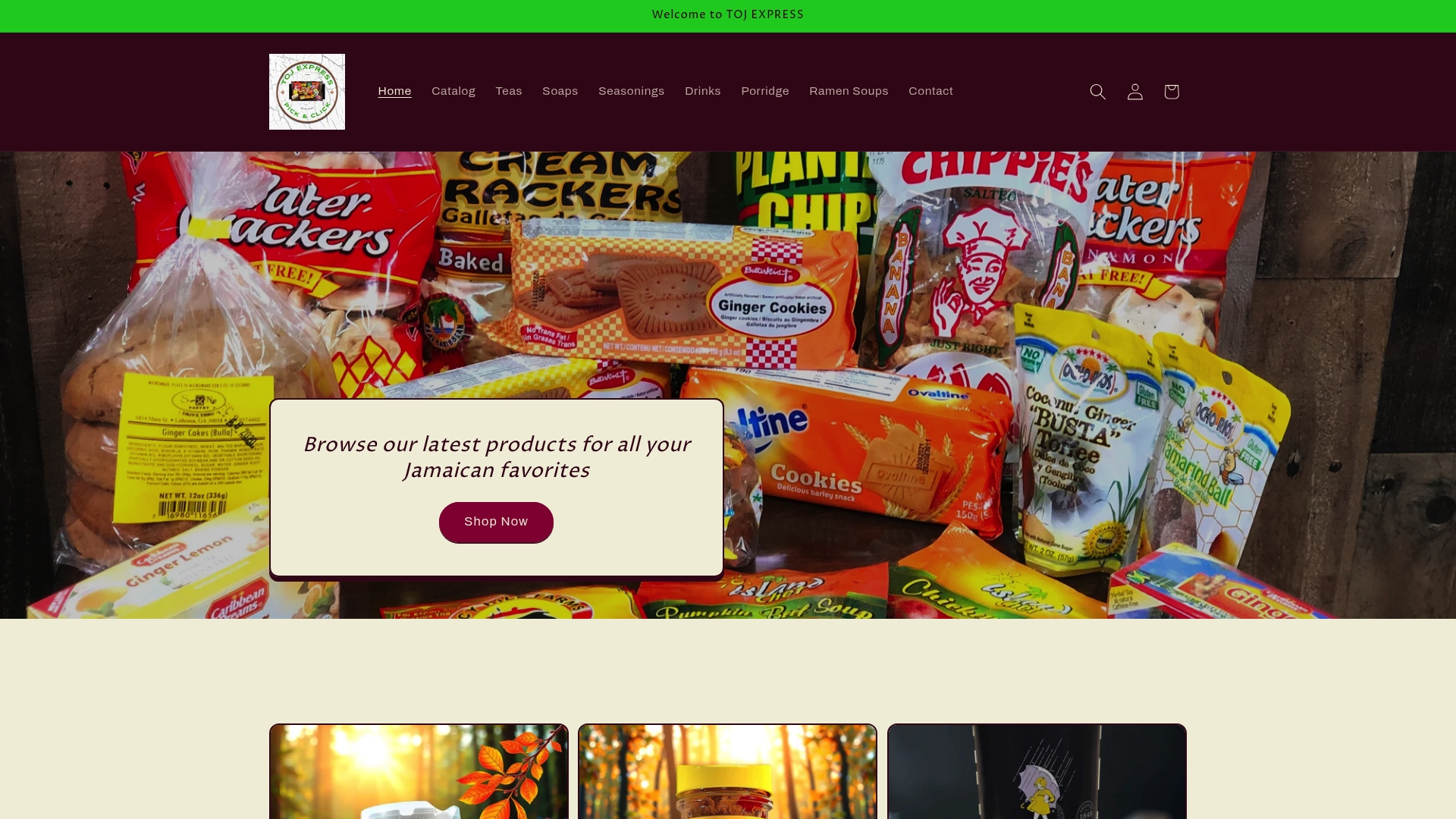
Browse our online selection for convenient access to traditional ingredients, specialty items, and familiar favorites from home. Whether you’re preparing a family recipe or exploring new flavors, TOJ Express provides the authentic products and knowledgeable service that make local shopping rewarding. We understand that food connects you to heritage, community, and the experiences that matter most. Visit us to discover how supporting local businesses enhances your life while strengthening Atlanta’s cultural fabric.
Frequently asked questions about shopping locally in Atlanta
What are the biggest economic benefits of shopping local in Atlanta?
Local spending recirculates 58% more money within Atlanta’s economy compared to chain purchases, creating jobs and funding public services. Local businesses generate 70% more tax revenue per square foot, directly improving schools, infrastructure, and community programs you use daily.
How can I find authentic Caribbean groceries in the city?
Ask neighbors for recommendations, search online for ethnic grocery stores in your neighborhood, and visit local farmer markets. Community centers and cultural organizations often maintain lists of authentic retailers serving Atlanta’s diverse populations.
Is shopping local more expensive, and why?
Local products sometimes cost slightly more because owners pay fair wages, source sustainably, and cannot negotiate bulk discounts like corporations. However, the quality, freshness, and community benefits often provide better overall value than cheaper chain alternatives.
How does shopping locally support job growth?
Small businesses create approximately 65% of new jobs, hiring local residents and supporting nearby suppliers. When you shop locally, you directly fund employment opportunities in your neighborhood rather than enriching distant shareholders.
What impact does online shopping have on local businesses in Atlanta?
Amazon Fresh entry caused significant sales and employment declines for small Atlanta grocery retailers, particularly affecting lower income neighborhoods. Online shopping concentrates wealth with tech giants while reducing local economic activity and community connections.
Why do local stores offer better cultural products than chains?
Local owners possess specialized knowledge about authentic sourcing, preparation methods, and cultural traditions that chain employees lack. They maintain relationships with small scale producers and importers who supply genuine products rather than mass market substitutes.
Recommended
- Why shop diverse stores in Atlanta for cultural flavors – TOJ EXPRESS
- Why buy at local stores in Atlanta suburbs in 2026 – TOJ EXPRESS
- Why Buy Local Snacks: Supporting Atlanta Health – TOJ EXPRESS
- How neighborhood stores boost food access in Atlanta 2026 – TOJ EXPRESS
- Community Support Coffee Brands: Boosting Farmer Income 30% – EcoVibe Roast